Table of Contents >> Show >> Hide
- Why Baking Soda Works in Laundry
- 12 Ways to Use Baking Soda in Laundry
- 1. Boost your regular detergent
- 2. Neutralize stubborn odors instead of just perfuming over them
- 3. Brighten whites without relying entirely on bleach
- 4. Make hard water less annoying
- 5. Freshen towels and rescue that sour smell
- 6. Pre-soak gym clothes and activewear
- 7. Absorb greasy or oily stains before washing
- 8. Revive musty linens and stored fabrics
- 9. Help lift smoke, cooking, and everyday household odors
- 10. Tackle stain-prone underarm areas
- 11. Clean and deodorize the washing machine itself
- 12. Reduce residue on over-soaped loads
- How to Use Baking Soda in Laundry the Right Way
- Mistakes to Avoid
- Baking Soda vs. Washing Soda: Not the Same Thing
- Who Should Try Baking Soda in Laundry?
- Final Thoughts
- Practical Experience: What People Learn After Actually Using Baking Soda in Laundry
Let’s give a little standing ovation to the humble orange box. Baking soda has been hanging around laundry rooms for ages, quietly doing the unglamorous work of making clothes smell less like gym class, dog walks, and “I forgot that towel in the washer overnight.” It is not a miracle product, and it is definitely not a substitute for a good detergent. But when used the right way, baking soda in laundry can absolutely make your wash routine work harder.
The secret is simple chemistry. Baking soda, also called sodium bicarbonate, helps balance pH, tame odors, and support detergent performance. In plain English, that means your shirts come out fresher, your towels feel less crusty, and your washer has a better shot at not smelling like a swamp creature moved in rent-free.
If you want cleaner clothes without turning laundry day into a science fair, here are 12 practical ways to use baking soda to boost cleaning power.
Why Baking Soda Works in Laundry
Before we get to the good stuff, here is the short version: baking soda is a mild alkali. That helps it neutralize many acidic odors, support cleaning in hard water, and give detergent a little backup when clothes are grimy or funky. It is especially useful for sweat smells, musty fabrics, smoke odors, dingy whites, greasy spots, and washer maintenance.
That said, baking soda is not the star quarterback on every load. Think of it as the excellent assistant coach. It helps the team win, but detergent still plays the main game. For most loads, adding about 1/2 cup directly to the washer drum or tub is a common approach. Skip the dispenser unless your machine manual clearly says it is fine, because powders can leave residue or clog things up.
12 Ways to Use Baking Soda in Laundry
1. Boost your regular detergent
If your everyday detergent seems a little too optimistic about what it can handle, baking soda can help. Adding a moderate amount to the wash supports detergent performance, especially on sweaty T-shirts, kids’ clothes, and everyday mixed loads. This is one of the easiest ways to use baking soda in laundry because it asks almost nothing of you beyond opening one more box.
Best use: routine loads that need a little extra help but not a full stain-removal intervention.
2. Neutralize stubborn odors instead of just perfuming over them
There is a huge difference between “fresh meadow rain” fragrance and actually removing the odor that caused the problem. Baking soda helps neutralize many acidic smells, including sweat, sour milk, smoke, and general locker-room sadness. That makes it especially useful for workout clothes, towels, socks, and washable pet bedding.
If an item smells strong enough to frighten nearby houseplants, presoak it in water with baking soda before washing. Then wash as usual with detergent.
3. Brighten whites without relying entirely on bleach
White clothes have a way of drifting from crisp white to “mystery oatmeal” over time. Baking soda can help brighten white fabrics by supporting detergent action and cutting through buildup that leaves fabrics looking dull. It is gentler than reaching for bleach every time and can be a smart option for routine upkeep on white tees, sheets, and socks.
No, it will not magically transform a ten-year-old gray undershirt into a wedding tablecloth. But it can absolutely help maintain brightness over time.
4. Make hard water less annoying
Hard water is one of laundry’s sneakiest troublemakers. It can make detergent less effective, leave mineral residue behind, and contribute to stiff-feeling fabrics. Baking soda helps soften wash water enough to improve results, which can mean cleaner-looking clothes and less product waste. If your laundry always feels a little rough or your dark clothes look oddly chalky, hard water may be part of the problem.
This is where baking soda earns its “laundry booster” reputation.
5. Freshen towels and rescue that sour smell
Towels have an impressive ability to hold onto moisture, detergent residue, body oils, and mysterious bathroom energy. If they smell musty even when clean, baking soda can help reset them. Wash towels with detergent and baking soda, then make sure they dry completely. Often the real villain is trapped residue plus dampness, not the towel itself.
Bonus: towels can feel softer and fluffier after a good residue-busting wash.
6. Pre-soak gym clothes and activewear
Activewear is built to wick moisture, which is wonderful at the gym and less wonderful when it hangs onto body odor like a grudge. A baking soda soak before washing can help loosen odors from synthetic fabrics. This works well for sports bras, compression shirts, leggings, and washable gear that still smells funky after a normal cycle.
Use cool to warm water, not blazing hot water, especially for performance fabrics with stretch. You are trying to remove odor, not age your leggings in fast-forward.
7. Absorb greasy or oily stains before washing
Baking soda can help with fresh grease spots because it absorbs oil. Sprinkle it onto the stain, let it sit, brush it off, and then treat the fabric with an appropriate stain-removal method before laundering. This is especially handy for cooking oil splatters, salad dressing drips, and that one burger incident you swore nobody saw.
The key word here is fresh. The sooner you catch an oily stain, the better baking soda tends to perform.
8. Revive musty linens and stored fabrics
Sheets from the linen closet, guest blankets, and tablecloths stored for months can develop that closed-cabinet smell. Baking soda is great for washing aged linens because it freshens fabric without turning the load into a perfume bomb. If something smells old but is otherwise clean, a wash with baking soda and detergent can make it feel usable again.
This is one of those low-drama laundry wins that feels oddly satisfying.
9. Help lift smoke, cooking, and everyday household odors
Not every bad smell comes from sweat. Clothing can pick up smoke from bonfires, greasy cooking odors, or that “I stood too close to the fryer” scent. Baking soda helps reduce these smells, especially when paired with a pre-soak for heavily affected items. It is not magic for every deep-set odor, but it is a smart first move before trying harsher options.
10. Tackle stain-prone underarm areas
Underarm stains are rude, persistent, and weirdly confident. Baking soda can be mixed into a simple paste with water and applied to underarm areas before washing. This may help with odor and buildup, particularly on washable cotton shirts. For tougher discoloration, pair the pretreatment with a detergent designed for stain removal.
Always test delicate or colored fabrics first. The goal is to save the shirt, not create a science experiment on the armpits.
11. Clean and deodorize the washing machine itself
Sometimes the reason your clothes smell off is not the clothes. It is the washer. Baking soda can be used as part of a washer-cleaning routine to help reduce odor and residue in many machines. Run an empty hot cycle with a manufacturer-approved method, and check your manual before improvising. Some brands are fine with baking soda in maintenance cleaning, while others want very specific products or instructions.
A clean washer means cleaner-smelling laundry, which is one of life’s less glamorous but more meaningful victories.
12. Reduce residue on over-soaped loads
Using too much detergent is a classic laundry mistake. More soap does not automatically mean cleaner clothes. Often it means residue, stiffness, trapped odor, and towels that feel like they are holding a grudge. Baking soda can help cut through that buildup and restore balance to a load that has been chronically over-soaped. If your fabrics feel stiff or smell sour after washing, detergent residue may be the real issue.
How to Use Baking Soda in Laundry the Right Way
For most standard loads, add baking soda directly to the empty drum or washer tub, then add laundry and detergent according to the product directions. Many household guides suggest around 1/2 cup for an average load. For small spot treatments, make a paste with water. For presoaks, dissolve it in water before adding the garment.
Keep your expectations realistic. Baking soda works best as a helper, not a hero cape. It boosts what a good detergent is already doing. If you are dealing with heavy soil, urine odors, mold, or deep-set stains, you may need a targeted stain remover, laundry sanitizer, oxygen bleach, or professional care depending on the fabric.
Mistakes to Avoid
Do not dump it into the dispenser unless your manual says you can
Powders can cake up, leave residue, or clog parts of some machines. Direct-to-drum is usually the safer bet.
Do not use it as a full detergent replacement for dirty laundry
Baking soda can freshen, brighten, and support cleaning, but it is not built to do all the surfactant-heavy lifting of a real laundry detergent.
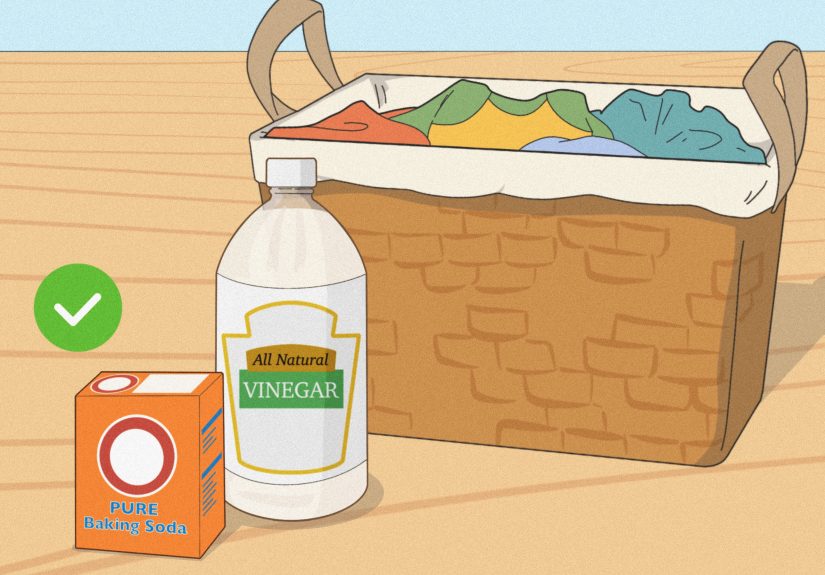
Do not combine baking soda and vinegar in the same cycle and expect magic
This hack gets lots of attention because it bubbles dramatically, which makes people feel productive. But the fizz is just the two ingredients neutralizing each other. Used separately and intentionally, each can be useful. Dumped together at the same time, they mostly create a brief chemistry show and a lot of misplaced confidence.
Do not ignore care labels
Delicate fabrics, embellished items, wool, silk, and dry-clean-only garments should always be handled according to the label. Mild does not mean risk-free for every textile.
Baking Soda vs. Washing Soda: Not the Same Thing
This matters more than people think. Baking soda is sodium bicarbonate. Washing soda is sodium carbonate. Washing soda is stronger and more alkaline, which makes it more aggressive for stain fighting and water softening. Baking soda is the gentler option and the better fit for everyday laundry boosting and odor control. Confusing the two is a bit like confusing sparkling water with club soda: related, not identical, and potentially annoying when you realize it too late.
Who Should Try Baking Soda in Laundry?
This trick is especially useful if you deal with workout gear, pet blankets, sour towels, dull whites, hard water, or clothing that comes out of the washer still smelling like the life it just lived. It is also a good low-cost upgrade if you want to improve results without buying six specialty products with labels that sound like they were brainstormed in a fragrance laboratory.
Final Thoughts
Baking soda in laundry is popular for a reason. It is cheap, easy to use, widely available, and surprisingly effective when you know what it can and cannot do. It helps deodorize clothes, support detergent, freshen towels, brighten whites, soften the effects of hard water, and cut down on stubborn residue. That is a pretty impressive resume for something that also lives in the baking aisle.
The real trick is using it strategically. Add it where it helps, skip the fake miracle expectations, and remember that the best laundry routine is not the fanciest one. It is the one that gets your clothes clean, fresh, and ready for real life without creating more work for Future You.
Practical Experience: What People Learn After Actually Using Baking Soda in Laundry
The first thing many people notice is that baking soda works best on smells, not drama. In real households, the biggest win is not usually a blindingly white T-shirt commercial moment. It is more like this: the towels no longer smell weird, the gym clothes stop haunting the laundry basket, and the dog blanket becomes socially acceptable again. That kind of progress may not deserve a marching band, but it absolutely improves daily life.
Another common experience is learning that more is not always better. Plenty of people start by tossing in an enthusiastic scoop, assuming that if a little helps, a lot must be amazing. Then they discover powdery residue, clumps, or a washer that looks mildly offended. In practice, moderation usually wins. A sensible amount tends to do the job without turning the drum into a snowy landscape.
People also learn pretty quickly that baking soda is a team player. When paired with a decent detergent, it often helps laundry come out fresher and less dingy. When used alone on dirty clothes, it usually produces results that can best be described as “technically washed, emotionally unconvinced.” That is why households that stick with baking soda long term tend to use it as a booster, not a total replacement.
There is also the towel lesson, and it is a big one. Many people assume old towels are supposed to smell a little musty or feel a little crunchy. After washing them with baking soda and drying them thoroughly, they realize the problem was often detergent buildup, trapped moisture, or both. This is the kind of laundry revelation that makes a person oddly evangelical in group chats.
Families with kids often report that baking soda earns its keep during the messiest seasons of life. Think spit-up, mystery odors, sports uniforms, pajama accidents, lunch stains, and all the other glamorous realities of raising small humans. It does not erase the chaos, but it helps move fabrics from “absolutely not” to “okay, this can stay in circulation.” That is a meaningful upgrade in any busy home.
And then there is the washer itself. A surprising number of people do not realize their machine may be contributing to funky laundry until they clean it. Once they use a proper washer-cleaning routine and address buildup, they often notice that every load smells better. The experience is less “wow, baking soda changed my life” and more “wow, my washer was the problem all along.” Still counts.
Over time, the biggest takeaway is usually this: baking soda is not a magic trick, but it is a reliable little problem-solver. It helps with odor, supports cleaning, and makes laundry feel less like an endless battle against damp fabric and bad decisions. In other words, it is not flashy, but it is useful. And in the laundry room, useful beats flashy every single time.