Table of Contents >> Show >> Hide
- The Quick Timeline: From Podcast Debut to Internet Firestorm
- Who Is Amanda Bynes’ Co-Host, Paul Sieminski?
- What the “Bombshell Video” Claimed (And Why You Should Treat It Carefully)
- What Reputable Coverage Focused On: The Podcast Pause and Cancellation
- How to Evaluate Viral Accusations Without Becoming the Internet’s Unpaid PR Intern
- What This Says About Amanda Bynes’ Public Life Right Now
- If You’re Building a Podcast, Here’s the Practical Lesson
- Extra: Real-World “Experiences” Around Viral Call-Outs Like This (About )
- Conclusion
- SEO Tags
Celebrity comebacks are hard. Celebrity comebacks with a podcast are harder. And celebrity comebacks with a podcast that immediately gets swallowed by a viral “ex-roommate” video? That’s the entertainment-industry equivalent of stepping onto a treadmill that’s already set to “Olympic sprint.”
In late 2023, Amanda Bynes popped back into the public conversation with a short, interview-style podcast co-hosted with her friend, Paul Sieminski. The debut was brief (one published episode), but the internet’s attention span is even brieferespecially when a dramatic TikTok claims to “expose” someone tied to a famous name.
This article breaks down what’s confirmed, what’s alleged, and why the situation became such a magnet for speculation. We’ll also talk about how these viral “bombshell” call-outs tend to work, how to evaluate them without accidentally spreading misinformation, and what the whole episode says about fame, fandom, and the modern rumor machine.
The Quick Timeline: From Podcast Debut to Internet Firestorm
Step 1: The podcast launches
Amanda Bynes and Paul Sieminski launched an entertainment-focused podcast in December 2023. The early concept was casual: interviews and conversations about fashion, artists, music, and pop culture. The first episode featured L.A. tattoo artist Dahlia Moth, and the show’s vibe leaned more “friends chatting” than “polished studio juggernaut.”
Step 2: A viral accusation appears
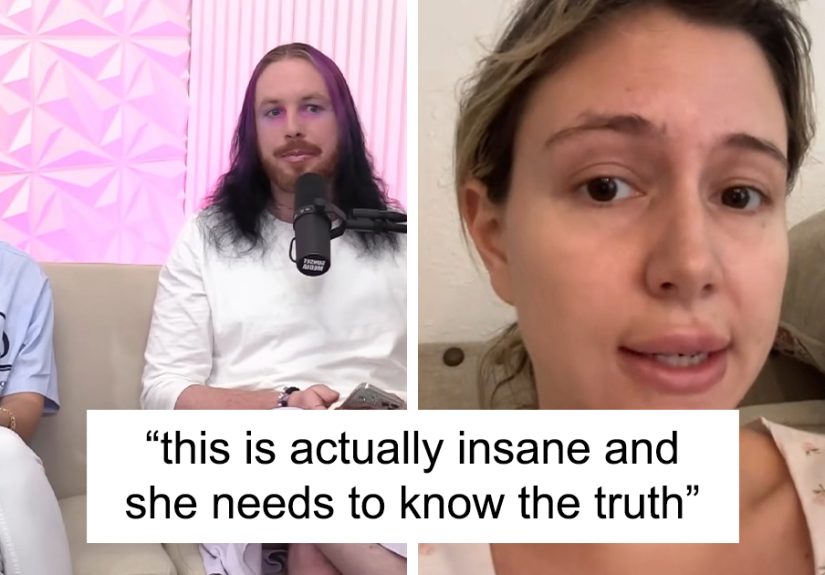
Not long after the podcast started making the rounds, a social media creator posted a video claiming to be Sieminski’s former roommate (or otherwise closely connected through a shared living situation). The clip circulated as an “exposé,” full of serious accusations. Important context: the claims were presented online, and much of the public conversation relied on reposts, reaction videos, and summaries rather than verified reporting.
Step 3: The show pauses… then ends
Amanda Bynes publicly said the podcast would be put on pause because they weren’t able to book the level of guests she wanted at the time (she mentioned major musicians as examples). Shortly after, she said she’d rather pursue a consistent pathspecifically focusing on getting her manicurist licensethan keep recording the podcast.
So, while the allegations became an attention-grabbing side plot, the official reason Bynes gave for stepping away centered on guest-booking challenges and choosing stability over a high-visibility project.
Who Is Amanda Bynes’ Co-Host, Paul Sieminski?
Online, Sieminski was described as a scientist/biochemist and a friend of Bynes. That description became part of the discourse because the viral “ex-roommate” video challenged his identity and credibility in dramatic terms.
What appears verifiable about his background
Public academic-profile style pages associated with Paul J. Sieminski (for example, ORCID-style listings and research network profiles) describe him as a graduate student and/or researcher connected to biochemistry-related work. UCLA chemistry department communications from years prior also include “Paul Sieminski” in the context of graduate cohorts. That doesn’t prove anything about personal character, but it does suggest that the “scientist/biochemist” framing is not purely invented out of thin air.
What isn’t verifiable (from reputable reporting)
The most extreme allegationsespecially those framed as shocking revelationslargely circulated through social platforms, reposts, and viral-summary sites. Major mainstream coverage focused more on Bynes’ decision to pause and then cancel the podcast, rather than confirming the accusations made in the “bombshell” video.
Bottom line: It’s fair to say Sieminski was Bynes’ co-host and publicly presented as a biochemist/scientist. It’s not fair to treat viral roommate claims as established facts without independent corroboration.
What the “Bombshell Video” Claimed (And Why You Should Treat It Carefully)
The video that fueled the controversy was framed as a warning: the creator said she had firsthand knowledge of Sieminski and alleged alarming behavior and dishonesty. The language used in reposts and reactions was intense (words like “con artist,” “fraud,” and worse). Some versions of the story also included claims involving harm to animalsaccusations that are especially inflammatory and likely to trigger fast, emotional sharing.
Here’s the key issue: viral doesn’t mean verified. A video can feel compelling because it’s personal, direct-to-camera, and confident. But a confident tone is not evidence. And a “roommate” relationshipreal or claimedcan be messy even when everyone is acting in good faith.
Why roommate accusations spread like wildfire
- They sound “close to the source.” “I lived with him” feels more credible than “I heard that…”
- They invite protective fandom. People who care about Amanda Bynes want her safe and supported.
- They fit the algorithm. Outrage + fear + celebrity adjacency = engagement rocket fuel.
- They’re hard to disprove quickly. Personal claims often exist in a “he said / she said” zone.
None of this proves the claims are false. It simply explains why the internet can amplify accusations long before anyone checks them.
What Reputable Coverage Focused On: The Podcast Pause and Cancellation
When mainstream entertainment outlets covered the story, most emphasized what Bynes herself said publicly about pausing the show and later ending it. The consistent thread across those reports is straightforward:
- Bynes said the podcast was on pause because they couldn’t land the kind of high-profile guests she envisioned.
- She later said she’d rather pursue a stable career track (manicurist licensing) than continue the podcast.
That’s important because it shifts the narrative from “the show ended because of the bombshell video” to the more grounded reality: podcasts are harder than they look, and Bynes made a practical decision about what she wanted next.
The not-so-glamorous truth about booking guests
In podcast-land, booking is its own job. Big-name guests are often scheduled months out, routed through teams, and protected by brand strategy. A new showeven with a famous hostcan struggle to land A-listers right away. That’s not a moral failure; it’s just logistics (and sometimes gatekeeping).
Also, early episodes can feel awkward. Hosts find their rhythm. Equipment gets upgraded. Producers learn what the audience actually wants. Most successful podcasts don’t sound like they were born fully formed on day onebecause they weren’t.
How to Evaluate Viral Accusations Without Becoming the Internet’s Unpaid PR Intern
If a video claims to “expose” someone, you don’t have to instantly pick a side. You can do what the internet hates most: pause, breathe, and think.
1) Separate what’s confirmed from what’s claimed
Confirmed: Amanda Bynes launched a podcast with Paul Sieminski and later paused/canceled it, citing booking challenges and career priorities. Claimed: the “ex-roommate” video’s allegations, which vary by repost and have limited independent confirmation in mainstream reporting.
2) Watch for “telephone-game” distortion
One person posts a video. Then someone summarizes it. Then someone “reacts” to the summary. Then a headline describes the reaction to the summary. By the time it hits your feed, you might be five steps removed from the original claimand two steps removed from accuracy.
3) Beware of certainty words
“Proof.” “Confirmed.” “Exposed.” “No doubt.” These words are often used as a substitute for evidence. Real evidence usually looks boring: documents, on-record statements, verifiable timelines, multiple independent sources.
4) Don’t turn concern into harassment
It’s possible to hope someone is safe without doxxing, brigading, or flooding a person’s inbox with threats. The internet sometimes confuses “holding people accountable” with “setting everyone on fire and calling it warmth.”
What This Says About Amanda Bynes’ Public Life Right Now
Amanda Bynes’ career arc is famously complicated, and the public has followed it with everything from genuine empathy to unhealthy fixation. When she returned with a podcast, many people saw it as a hopeful step: creative work, controlled setting, a chance to talk about topics she enjoyed.
But the reality of being a public figure is that every project is a magnet. A podcast isn’t just a podcast; it becomes a symbol. Fans read it as “she’s back,” critics read it as “she’s spiraling,” and the algorithm reads it as “feed me drama.”
When Bynes chose to step awayciting a preference for stabilitythere’s a reasonable interpretation that doesn’t require conspiracy theories: she tried something, it didn’t fit, and she picked a path that felt more consistent.
If You’re Building a Podcast, Here’s the Practical Lesson
This story isn’t just celebrity gossip; it’s a case study in modern media. If you’re launching a show (famous or not), you’re not only producing episodesyou’re managing perception.
What helps (especially early on)
- Start with guests you can actually book. Build momentum. Let the bigger guests come later.
- Set expectations publicly. “We’re starting small” beats “We’re getting Drake next week.”
- Choose a lane. Interviews? Pop culture? Personal updates? The audience needs a reason to return.
- Have a response plan. Not for dramajust for clarity when misinformation starts spreading.
Even if you never become a headline, the “viral rumor machine” can hit any creator. The difference is that most of us don’t have a Wikipedia page to catch the collateral damage.
Extra: Real-World “Experiences” Around Viral Call-Outs Like This (About )
Whenever a “bombshell video” dropsespecially one tied to a celebritypeople tend to describe the same emotional roller coaster, even if the details differ from case to case. It usually starts with a gut reaction: shock. Not the thoughtful, investigative kind. The scroll-stopping kind. A bold claim paired with a serious tone triggers the same instinct as a car horn: you look first and process later.
Then comes the second wave: protectiveness. When a public figure has a history of visible struggles, many viewers feel a sincere urge to protect them from being exploited. That impulse can come from empathy“I don’t want them hurt again”but it can also morph into something messier: acting like a self-appointed security team for someone you’ve never met. In comment sections, you’ll see people narrate their own “experience” of worry in real time: they urge the celebrity to run, demand explanations, and treat silence as confirmation. It’s understandable, but it often accelerates misinformation.
Meanwhile, people who’ve lived through roommate conflicts (the normal kind, not the viral kind) often recognize another familiar experience: how quickly private mess becomes public theater. Roommates can clash over money, pets, boundaries, friends, noise, chores, substances, relationshipsyou name it. When someone takes that conflict online, it can feel like the modern version of shouting your side of the story from the balcony. Sometimes that’s a desperate attempt to be heard. Sometimes it’s revenge. Sometimes it’s both. Viewers who’ve had their own “bad roommate” situation may project those feelings onto the video and think, “I’ve seen this type before,” even when they haven’t seen this person before.
Another common experience: the whiplash of uncertain truth. People share, then backpedal. They post “I knew it!” and later delete it. They form a strong opinion based on a clip, then realize they don’t actually know what happened. That’s not stupidityit’s the internet’s design. Platforms reward quick reactions, not careful reading. The result is a kind of collective jitteriness, where certainty is treated like entertainment.
For the person being accused, observers often underestimate what it’s like to be defined by a trending narrative. Even if you’re innocent, your name becomes searchable next to the allegation. Even if you’re guilty, the public pile-on can eclipse real accountability processes. Either way, “viral justice” tends to be sloppy. It doesn’t have rules of evidence. It has vibes, screenshots, and captions in all-caps.
And for the celebrity caught in the middleespecially someone trying to rebuildthere’s a quiet, relatable experience underneath the headlines: you try a new thing, it gets complicated, and you decide whether the stress is worth it. In Amanda Bynes’ case, the most grounded takeaway may be the simplest: she tested a public project, found it wasn’t the stable fit she wanted, and chose a more consistent direction.
Conclusion
The headline version of this story is loud: a co-host “exposed” by an alleged ex-roommate video. The reality is more layered. Amanda Bynes launched a podcast, the internet reacted intensely to viral accusations about her co-host, and Bynes ultimately paused and canceled the show while publicly emphasizing practical reasonsguest-booking limits and a preference for a steady career path.
If you’re looking for a clean moral, here it is: treat viral allegations like smoke, not fire. Smoke can mean fire, or it can mean someone burned toast and now everyone’s screaming. Either way, your best move is to verify before you amplifyand to remember that real people exist behind every trending clip.