Table of Contents >> Show >> Hide
- What Is an Oxygen Bar?
- Oxygen 101: Why More Oxygen Doesn’t Always Mean More Energy
- Potential Benefits: What Might Help (and What’s Mostly Hype)
- Risks and Safety: The Part Everyone Should Read (Yes, Even the Brave)
- 1) If you have lung/heart conditions, ask a clinician first
- 2) Oxygen toxicity: rare in short sessions, real in extreme exposures
- 3) Dryness, nose irritation, and headaches
- 4) Infection control: it’s a nose tube, not a magic wand
- 5) Fire risk (the most underrated danger)
- 6) Scent sensitivities and asthma triggers
- What to Expect at an Oxygen Bar
- How Much Does an Oxygen Bar Cost?
- Is It Legal? (And Why Rules Vary)
- How to Choose a Safer Oxygen Bar
- Oxygen Bar vs. Medical Oxygen vs. Hyperbaric Oxygen: Don’t Mix These Up
- Who Should Skip an Oxygen Bar (or Get Medical Advice First)
- Frequently Asked Questions
- Bottom Line
- Real-World Experiences: What People Commonly Notice (A 500-Word Add-On)
Oxygen bars are one of those wellness trends that sound like they were invented during a late-night “What if we…” brainstorming session.
You sit in a comfy chair, a small nasal cannula (the soft tube that rests under your nose) delivers oxygen-enriched air, anddepending on the place
you can pick a scent like peppermint, eucalyptus, or “tropical vacation I can’t afford right now.”
The pitch is simple: more oxygen = more energy, less stress, fewer headaches, and maybe even a glow that screams “I drink eight glasses of water a day.”
The reality is more nuanced. For most healthy people at sea level, your body already does an excellent job keeping blood oxygen levels in a tight range.
So the big questions become: Does an oxygen bar actually help? Who should avoid it? What does it cost?
Let’s break it down with science, safety, and a sprinkle of humor (because breathing is serious, but you don’t have to be).
What Is an Oxygen Bar?
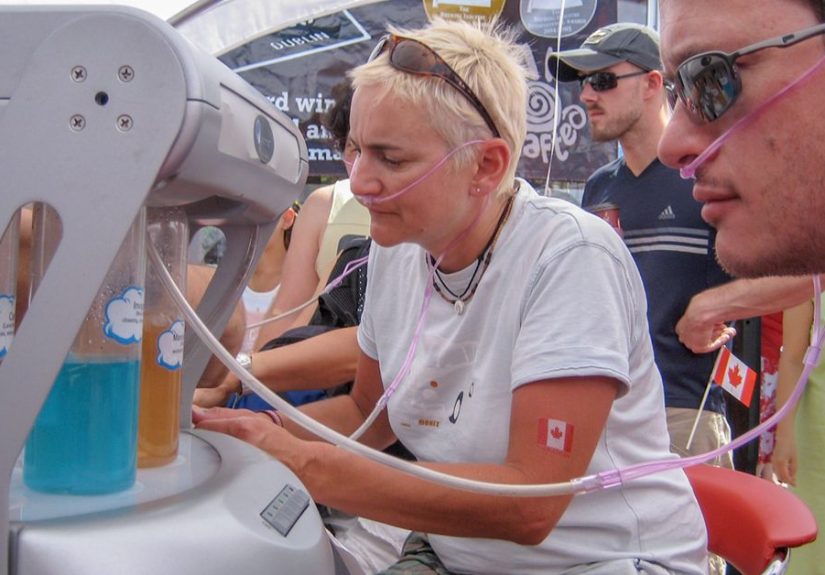
An oxygen bar is a business that offers short sessions of inhaling oxygen-enriched air, usually through a disposable nasal cannula.
Many oxygen bars use an oxygen concentratora device that pulls in room air, filters out much of the nitrogen, and outputs oxygen-rich gas.
Concentrators commonly produce oxygen in the neighborhood of 90–95% at the device outlet.
(That said, what you actually inhale can be lower because it mixes with room air as you breathe, especially through a nasal cannula.)
Is it the same as medical oxygen?
Not really. Medical oxygen therapy is prescribed to treat low blood oxygen (hypoxemia) caused by conditions like COPD, pneumonia, heart failure, or certain sleep-related breathing disorders.
Oxygen bars, by contrast, are typically marketed for “wellness” and quick relaxation.
Think of it like the difference between a prescription medication and a fancy herbal teaexcept oxygen can be a regulated drug in medical contexts, which creates a legal and regulatory gray area in some places.
What about “oxygen + aroma” options?
Many oxygen bars offer “aromatherapy” add-ons where air passes by scented oils. Smells can feel invigorating, but scents can also irritate sensitive airways.
If you have asthma, allergies, migraines triggered by fragrance, or chronic sinus issues, treat aromas as optionalnot mandatory.
Oxygen 101: Why More Oxygen Doesn’t Always Mean More Energy
Here’s the key idea: oxygen has to get from your lungs into your bloodstream, then to your tissues. In a healthy person at normal altitude,
hemoglobin (the oxygen-carrying protein in red blood cells) is already pretty close to fully saturated.
Extra oxygen may slightly increase the small amount dissolved in plasma, but that doesn’t automatically translate into noticeable “supercharged” energy.
That doesn’t mean people don’t feel better after a sessionmany do. But feeling better isn’t the same as a proven physiological effect,
and it’s hard to separate oxygen from other powerful ingredients in the oxygen-bar experience: sitting down, slowing your breathing, taking a break,
and believing you’re doing something restorative (placebo is not “fake,” it’s your brain doing brain things).
Potential Benefits: What Might Help (and What’s Mostly Hype)
1) A temporary “refresh” feeling
A short session can feel relaxing. For some people, it’s the structured pause: you’re seated, breathing slowly, and not staring into the sun… also known as your laptop.
Oxygen may contribute a subtle effect for certain people, but the strongest and most consistent “benefit” reported is simply feeling refreshed.
2) High altitude or travel-related fatigue (situational)
At higher elevations, oxygen pressure is lower, and some people get headaches, fatigue, or shortness of breath.
In that situation, supplemental oxygen can make sense as a short-term aid.
If you’ve ever stepped off a plane in a mountain town and thought, “Why is walking… spicy?” you understand the appeal.
3) Anxiety/stress relief (indirect)
Oxygen bars often feel spa-like. Slow, deliberate breathing can reduce stress responses.
The oxygen might be part of it, but the ritual matters too.
If the session gets you to stop doom-scrolling and start breathing like a calm mammal, that’s a win.
Claims to be skeptical about
- “Cures hangovers.” Alcohol-related hangover symptoms are driven by dehydration, sleep disruption, inflammation, and metabolitesnot a lack of oxygen. Oxygen may feel pleasant, but it’s not a hangover antidote.
- “Detoxes your body.” Your liver and kidneys handle detox. Oxygen bars don’t “flush toxins” like a magical air-powered Brita filter.
- “Boosts athletic performance instantly.” Athletes sometimes use oxygen for recovery in specific contexts, but quick oxygen-bar sessions at sea level aren’t a guaranteed performance hack.
- “Improves immunity” (broadly). Strong evidence for a general immune “boost” from brief recreational oxygen in healthy people is lacking.
Risks and Safety: The Part Everyone Should Read (Yes, Even the Brave)
For many healthy adults, a short oxygen-bar session is unlikely to cause harm. But “unlikely” isn’t “impossible,” and there are real risksespecially for certain medical conditions and in poorly run facilities.
1) If you have lung/heart conditions, ask a clinician first
If you have COPD, emphysema, certain heart conditions, or chronic respiratory issues, oxygen isn’t automatically “good.”
In some cases, too much oxygen can worsen carbon dioxide retention or complicate breathing regulation.
Don’t self-prescribe oxygen because a neon sign promised “ENERGY.”
2) Oxygen toxicity: rare in short sessions, real in extreme exposures
Oxygen toxicity generally becomes a concern with high concentrations and/or long exposure,
especially in medical or hyperbaric settings.
Short oxygen-bar sessions are typically brief, but it’s still worth respecting the concept: more is not always better.
If a place encourages very long sessions at very high flow “because more is more,” that’s a red flag.
3) Dryness, nose irritation, and headaches
Even standard oxygen therapy can cause dry nasal passages or a bloody nose, particularly without humidification.
If your nose feels like a desert after a session, that’s not a “detox”it’s dryness.
People also report tiredness or headaches in some oxygen-use scenarios.
4) Infection control: it’s a nose tube, not a magic wand
A well-run oxygen bar should use a new, disposable nasal cannula for each customer and follow cleaning protocols.
If you see a cannula that looks like it has a backstory, choose a different baror choose freedom and leave.
5) Fire risk (the most underrated danger)
Oxygen itself doesn’t burn, but it can make things ignite more easily and burn faster.
Medical oxygen safety guidance is blunt about avoiding smoking, open flames, and certain flammable products around oxygen.
In a professional setting, staff should enforce strict no-flame rules and keep oxygen equipment away from ignition sources.
6) Scent sensitivities and asthma triggers
Aromas can be irritating. If fragrances trigger you, skip scented options and choose plain oxygen (or skip the bar entirely and go for fresh air).
What to Expect at an Oxygen Bar
Step-by-step: a typical session
- Check-in: You pay for a duration (often 10–30 minutes). Some places ask basic health questions.
- Choose options: Plain oxygen vs. scented “flavors.” (You are allowed to say “no thanks.”)
- Setup: Staff hands you a disposable nasal cannula attached to the oxygen source.
- Flow begins: You breathe normally. Some people prefer slower breaths; others just scroll their phone like nothing matters.
- How it feels: Cool, slightly dry air; maybe a scent. Most people notice relaxation more than a “rush.”
- After: You might feel calm, mildly refreshed, or… exactly the same, which is also information.
How long is “normal”?
Many recreational sessions run about 10–20 minutes, though some venues offer longer blocks.
If you’re trying it for the first time, shorter is fineyou’re not training for the Oxygen Olympics.
How Much Does an Oxygen Bar Cost?
Pricing varies by city, venue type (spa vs. mall kiosk vs. clinic), and session length.
Common patterns include:
- Per-session pricing: Often around the low tens of dollars for a short session, with higher prices for longer durations.
- Tiered menus: 15/30/45/60-minute options, sometimes with add-ons (aromas, massage chair, “premium blends”).
- Packages: Multi-session bundles for regulars who treat it like a breathing-based loyalty program.
Insurance generally does not cover oxygen bars, since they’re not medical treatment.
If you need oxygen for health reasons, that’s a separate medical conversation involving prescriptions, monitoring, and safety planning.
Is It Legal? (And Why Rules Vary)
This is where things get spicy (and not the fun eucalyptus kind).
In the U.S., oxygen used for medical purposes is considered a drug and is typically prescription-based.
Some states have specific policies about oxygen bars, while federal enforcement in wellness contexts can be inconsistent.
Translation: legality and oversight vary, and consumers may not have the same safety guarantees you’d expect in a medical facility.
How to Choose a Safer Oxygen Bar
- Disposable cannulas: New, sealed cannula for each person. No exceptions.
- Clean equipment: Visible cleaning process and staff who can explain it.
- No smoking/open flames: Clear signage and real enforcement.
- Reasonable session lengths: Short, standard sessions; no pressure to “go longer for max results.”
- Health screening: They should encourage people with lung/heart conditions to consult a clinician.
- Transparent oxygen source: Concentrator vs. tank, and basic explanation of how it’s delivered.
Oxygen Bar vs. Medical Oxygen vs. Hyperbaric Oxygen: Don’t Mix These Up
Oxygen bar
Recreational, short sessions, usually via nasal cannula, often paired with aromatherapy.
Not designed to treat medical hypoxemia.
Medical oxygen therapy
Prescribed for people with documented low oxygen levels. May use concentrators or tanks, specific flow rates, and safety protocols.
Benefits can be life-changing when used appropriately.
Hyperbaric oxygen therapy (HBOT)
A medical treatment involving breathing oxygen in a pressurized chamber for specific conditions.
HBOT has evidence-based uses, but it’s tightly controlled because it involves higher exposures and meaningful risks.
If a wellness spot casually compares an oxygen bar to HBOT, that’s like comparing a kiddie pool to the ocean.
Who Should Skip an Oxygen Bar (or Get Medical Advice First)
- People with COPD, emphysema, or chronic respiratory disease
- People with certain heart conditions (especially if unstable)
- Anyone currently using prescribed oxygen (don’t mix settings or duplicate oxygen without guidance)
- People who are pregnant and have any complications (ask your clinician)
- Anyone with severe fragrance sensitivity or asthma triggered by scents
Frequently Asked Questions
Will an oxygen bar raise my oxygen levels?
It may temporarily increase the oxygen you inhale, but in healthy people at sea level, blood oxygen saturation is already near the top of the normal range.
The change may be small and not always noticeable.
Can you “overdo it”?
Serious oxygen toxicity is more associated with high partial pressures and longer exposures (especially medical/hyperbaric scenarios),
but it’s still smart to avoid unusually long or aggressive sessions.
If you feel dizzy, unusually drowsy, or unwell, stop and get help.
Is it addictive?
Oxygen isn’t addictive in the classic substance sense, but people can get attached to the rituallike coffee, spa days, or saying “just one more episode.”
Is it worth the money?
If you enjoy the experience as a short relaxation ritual and you’re healthy, you may consider it a splurge like a smoothie or a massage chair.
If you’re paying because you believe it will treat a medical issue, pause and talk to a clinician instead.
Bottom Line
Oxygen bars can feel pleasant and relaxing, and short sessions appear low-risk for many healthy adults.
But the big promised benefitsinstant energy boosts, detoxification, hangover curesare not strongly supported for healthy people at normal altitude.
The most important “wins” are often practical: sitting down, breathing slowly, and giving your nervous system a break.
If you have lung or heart conditions, treat oxygen like what it is in medical contexts: a serious therapy that should be guided by a professional.
And regardless of who you are, respect the safety basics: hygiene, clean cannulas, and strict no-flame rules.
Real-World Experiences: What People Commonly Notice (A 500-Word Add-On)
Imagine your first oxygen bar visit as a tiny vacation for your face. You walk in, and the vibe is usually “spa meets airport lounge,”
with chairs that invite you to sit down and forget your inbox exists. The staff might offer a menu of scents, which can feel oddly empowering:
you’re about to inhale “peppermint clarity” like it’s a personality trait. Most first-timers pick something familiarmint, eucalyptus, lavender
and then immediately wonder if choosing “tropical breeze” was a legally binding commitment to become a new person.
Once the cannula is placed, the first sensation is often the simplest: cool air at your nostrils. Some people describe it as “cleaner” breathing,
but what they’re really noticing is airflow plus the novelty of paying money to do something you were already doing for free.
After a minute or two, many report a subtle shift: shoulders drop, jaw unclenches, and the brain stops sprinting.
That’s not nothing. Even skeptics admit the setup nudges you into slower, more deliberate breathinglike a guided meditation that doesn’t ask you to “visualize a waterfall.”
People who swear by oxygen bars tend to describe the effect as a gentle refresh rather than a superhero transformation.
You might feel slightly more alert, especially if you came in tired, dehydrated, or stressed.
Travelers sometimes say it helps them feel less “wrung out” after a flight, and folks visiting higher elevations often describe a little relief from that mild,
nagging “Why is my body working harder?” feeling. Others feel… basically the same, which is also common.
The most honest reviews usually sound like: “It was relaxing, I liked the scent, I’m not sure it changed my life, but I’d do it again.”
Comfort tips come up a lot in shared experiences. The cannula can tickle at first, and the air may feel dry, so people who get nasal dryness
often recommend bringing water, skipping strong scents, and keeping sessions short until you know how you react.
If you’re fragrance-sensitive, many report that plain oxygen (no aroma) is far more comfortableand it still gives you the “pause and breathe” experience.
Regulars also notice that the best facilities feel clean and professional: sealed cannulas, obvious sanitation, and staff who don’t push wild medical claims.
The funniest shared takeaway? People leave oxygen bars feeling very proud of their breathinglike they just graduated from an invisible wellness academy.
And honestly, in a world where we forget to hydrate and hold tension in our eyebrows, a structured 15-minute reset isn’t the worst habit.
Just keep expectations realistic: you’re buying an experiencecalm, comfort, and a moment of quietnot a miracle treatment in a tube.