Table of Contents >> Show >> Hide
- What “Sell Fast” Really Means (And What Buyers Notice First)
- The 12 Low-Cost Tricks
- 1) Declutter Like You’re Moving Tomorrow
- 2) Depersonalize (Yes, Even the “Cute” Stuff)
- 3) Deep Clean Like the Buyer’s Mom Is Coming Over
- 4) Kill Weird Smells (Don’t Cover ThemEliminate Them)
- 5) Make It Bright: Light Bulbs, Curtains, and “Daylight Mode”
- 6) Touch Up Paint the Smart Way (Neutral, Clean, and Strategic)
- 7) Fix the Tiny “Red Flags” Buyers Use to Judge Maintenance
- 8) Swap Hardware for a “Quietly Updated” Look
- 9) Boost Curb Appeal in One Weekend (Mulch, Trim, Sweep, Repeat)
- 10) Pressure Wash the “Grime Filter” Off Your Exterior
- 11) Stage the “Money Rooms” Using What You Already Own
- 12) Upgrade “Screen Appeal”: Photos, Lighting, and a Listing That Actually Helps
- A Simple 7-Day Low-Cost Game Plan
- Common Mistakes That Slow a Sale (Even in a Good Market)
- Extra: of Realistic “Experience” Scenarios (So You Can Steal the Lessons)
- Scenario A: The House That Looked Great… Until You Opened the Closet
- Scenario B: The Mystery Smell That Didn’t Show Up Until Day Two
- Scenario C: The $40 Fix That Made the Kitchen Feel “Updated”
- Scenario D: The Listing Photos That Accidentally Shrunk the House
- Scenario E: The Seller Who Won on Speed by Being Easy to Schedule
- Conclusion
Selling a house fast isn’t about tossing money at fancy renovationsit’s about removing the tiny “nope” moments
that make buyers hesitate. You’re not trying to impress someone with your ability to choose backsplash tile.
You’re trying to help them think, “Yep, I could live here,” within the first two minutes.
The good news: the fastest wins are usually low-cost. Think cleaning, light, curb appeal, simple fixes, and
“screen appeal” (your listing photos and first online impression). The goal is to make your home feel
well-cared-for, easy to move into, and priced like you’re serious about sellingnot experimenting.
Below are 12 low-cost tricks that consistently help homes sell fasterplus a bonus section of realistic
homeowner scenarios at the end so you can see how these play out in the wild.
What “Sell Fast” Really Means (And What Buyers Notice First)
Most buyers form a snap impression from three things: how the home looks online, how it feels at the front door,
and whether anything signals “hidden work.” You can’t change your neighborhood, but you can remove
distractions, brighten the space, and fix the obvious stuff that whispers, “This place might be a project.”
The 12 Low-Cost Tricks
1) Declutter Like You’re Moving Tomorrow
Decluttering is the cheapest way to make a home look biggerbecause it literally makes it look bigger.
Clear countertops, simplify shelves, and remove bulky furniture that blocks walkways. Buyers aren’t just buying
rooms; they’re buying space.
- Quick win: Leave about 50% of closets and cabinets “empty-looking” so storage feels generous.
- Low-cost method: Pack rarely used items into labeled boxes and stack neatly in one spot (garage/storage), not throughout the house.
2) Depersonalize (Yes, Even the “Cute” Stuff)
Buyers need to picture themselves living there, not feel like they’re touring a museum dedicated to your
family’s vacations and your aunt’s ceramic rooster collection. Remove personal photos, bold niche décor, and
anything that starts a debate in someone’s brain.
- Keep: simple art, mirrors, neutral throw pillows, tidy plants.
- Pause: political items, overly loud themes, intense wall colors, and the neon sign that says “It’s Wine O’Clock Somewhere.”
3) Deep Clean Like the Buyer’s Mom Is Coming Over
Clean sells. Period. A home can be small and still feel valuable if it’s spotless. Focus on kitchens and baths,
windows, baseboards, ceiling fans, grout, and anything reflective (mirrors, faucets, glass).
- Budget upgrade: hire a pro cleaner for a one-time deep clean if you canoften cheaper than your time and dramatically more effective.
- Don’t forget: inside the fridge, oven, and under sinks. Buyers open things. They just do.
4) Kill Weird Smells (Don’t Cover ThemEliminate Them)
Odors are a deal-killer because buyers assume smells = problems. Pet odor, smoke, mildew, old cooking smells
they trigger “What else is hiding here?” thoughts. Skip the heavy air fresheners; they can feel like camouflage.
- Low-cost fixes: wash soft items (curtains, rugs), clean litter areas, deodorize drains, wipe trash cans, and replace HVAC filters.
- Reality check: if you have pets, vacuum daily and consider keeping beds/toys out of sight during showings.
5) Make It Bright: Light Bulbs, Curtains, and “Daylight Mode”
Bright homes feel cleaner, newer, and more welcomingplus they photograph better. Open blinds, pull back
curtains, and replace dead bulbs. Use consistent bulb tones within a room so it doesn’t look like a lighting
experiment.
- Quick win: swap heavy curtains for simple, light-colored panels (or remove them if the window trim is attractive).
- Showing tip: turn on lamps in darker cornersbuyers love “cozy,” but only if they can see it.
6) Touch Up Paint the Smart Way (Neutral, Clean, and Strategic)
Fresh paint can be one of the best low-cost upgradesespecially if your walls are scuffed, stained, or bold.
You don’t have to repaint everything. Focus on high-traffic areas, the entry, and rooms where marks stand out.
- Low-cost approach: patch nail holes, sand lightly, and repaint only the most visible walls.
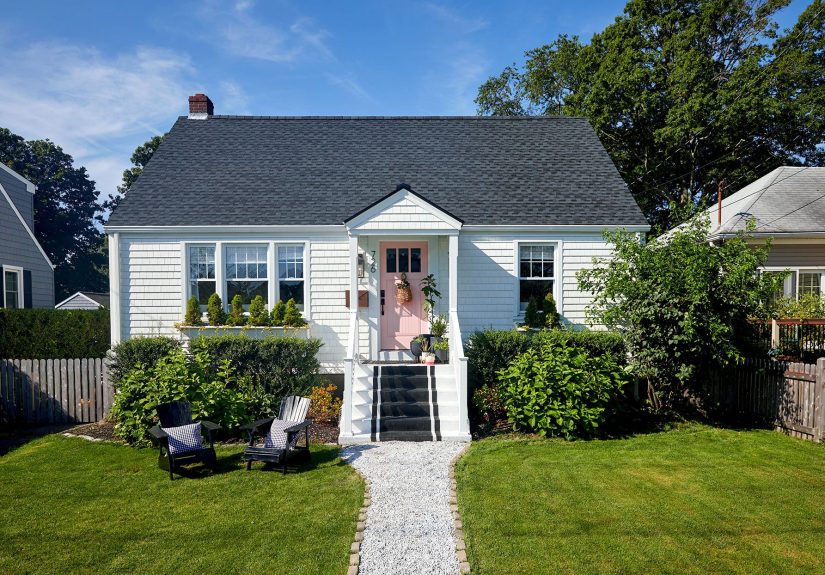
- Pro move: paint the front door if it’s tiredfirst impressions start there.
7) Fix the Tiny “Red Flags” Buyers Use to Judge Maintenance
Buyers interpret small issues as evidence of bigger neglect. A dripping faucet, a door that won’t latch, a
squeaky hingethese are inexpensive but powerful signals. Fix what’s broken, tighten what’s loose, and make
sure everything functions smoothly.
- Checklist items: leaky faucets, running toilets, sticky doors, cracked switch plates, loose handles, missing outlet covers.
- Mindset: you’re selling confidence, not just square footage.
8) Swap Hardware for a “Quietly Updated” Look
You know what makes a kitchen feel newer without remodeling it? Not having cabinet pulls that look like they
were installed during the dial-up internet era. Replacing knobs, pulls, and sometimes a dated faucet can modernize
a space fast.
- Low-cost target zones: kitchen cabinet hardware, bathroom vanity hardware, entry door handle, house numbers.
- Style tip: match finishes within a room (you don’t need a “museum of metals” situation).
9) Boost Curb Appeal in One Weekend (Mulch, Trim, Sweep, Repeat)
Curb appeal isn’t just landscapingit’s the story your home tells from the street. Buyers drive by. They zoom in
on listing photos. They notice the sad mailbox and the overgrown shrub that’s eating the porch.
- Low-cost curb wins: mow/edge, pull weeds, add fresh mulch, trim bushes, plant a few simple flowers in pots near the entry.
- Front door moment: clean the door, update the welcome mat, and make the entry feel intentional.
10) Pressure Wash the “Grime Filter” Off Your Exterior
Dirt makes a house look older than it is. A simple wash on siding, walkways, the driveway, steps, and porch can
dramatically improve the first impression. If you don’t own a pressure washer, renting one is often inexpensive.
- Focus areas: front walkway, porch/steps, garage door, driveway stains, fences.
- Extra credit: clean exterior light fixturessmall detail, big polish.
11) Stage the “Money Rooms” Using What You Already Own
You don’t need a warehouse of furniture to stage. Most homes can be staged by editing what’s already there:
remove extra pieces, rearrange for flow, and create clear room purposes. Prioritize the rooms buyers care about most:
the living room, kitchen, and primary bedroom.
- DIY staging rules: clear surfaces, add one simple focal point (a bowl of fruit, a plant, fresh towels), and keep décor minimal.
- Space trick: pull furniture slightly away from walls and keep pathways wideyour brain reads that as “bigger.”
12) Upgrade “Screen Appeal”: Photos, Lighting, and a Listing That Actually Helps
Most buyers meet your home online first. If the photos are dark, crooked, or cluttered, they’ll swipe past your
listing like it’s an unflattering dating profile. Great photos don’t have to be expensive, but they do need
intention.
- DIY photo basics: shoot in daylight, turn on lights, hold the camera level, and take photos from corners to show space.
- Listing copy that sells: highlight concrete benefits (new roof in 2022, walkable to parks, updated HVAC, large pantry) instead of vague fluff (“charming and cozy!”).
- Speed booster: be flexible with showings. The easiest home to see often sells faster than the “perfect” one that’s impossible to schedule.
A Simple 7-Day Low-Cost Game Plan
If you’re in a hurry, don’t try to do everything at once. Do the highest-impact actions in a logical order:
- Day 1: Declutter + pack personal items. Clear counters and remove extra furniture.
- Day 2: Deep clean kitchens/baths + windows. Replace HVAC filter.
- Day 3: Fix small red-flag repairs (leaks, doors, outlets, hinges).
- Day 4: Paint touch-ups in high-visibility spots (entry, hallways, scuffed walls).
- Day 5: Curb appeal: mow/edge, trim, mulch, front door refresh.
- Day 6: Stage money rooms + brighten lighting.
- Day 7: Photos + listing polish + prep showing routine (daily 15-minute reset).
Common Mistakes That Slow a Sale (Even in a Good Market)
- Over-improving: expensive renovations right before listing can backfire if they don’t match your neighborhood’s price ceiling.
- Ignoring smells: covering odors with fragrance reads like “something is wrong.”
- Overpricing: buyers compare everything. Pricing too high often leads to longer time on market and eventual price cuts.
- Busy décor in photos: clutter and personal items can reduce buyer interest before they ever book a showing.
- Hard-to-see scheduling: limited showings reduce competition and urgency.
Extra: of Realistic “Experience” Scenarios (So You Can Steal the Lessons)
The following are composite, realistic scenarios based on common patterns sellers run intono
private details, just the kind of stuff that happens every day in real estate.
Scenario A: The House That Looked Great… Until You Opened the Closet
A seller did the big obvious things: the living room was tidy, the kitchen counters were clear, and the yard was
trimmed. Showings were steady, but no offers came in. The problem? Storage. Every closet was crammed to the ceiling,
and buyers opened them all. Instead of thinking, “Great storage,” they thought, “This house can’t hold my stuff.”
The fix was cheap: the seller boxed up off-season clothes, moved extra items into a neat stack in the garage, and
left closets half-empty. The next round of showings felt differentbuyers lingered longer, asked more practical
questions, and the home stopped feeling “tight.”
Scenario B: The Mystery Smell That Didn’t Show Up Until Day Two
Another home photographed beautifully. Online interest was strong. But after a few in-person tours, feedback kept
mentioning a “strange odor.” The seller couldn’t smell it anymore (which is extremely commonyou adapt). It turned
out to be a combo of pet bedding, an older rug pad, and a trash can that looked clean but wasn’t. The seller removed
the rug, washed fabrics on hot, scrubbed the trash can, cleaned drains, and replaced the HVAC filter. No expensive
productsjust real cleaning. After that, buyers stopped bringing it up, and the house felt fresher without smelling
like a perfume aisle.
Scenario C: The $40 Fix That Made the Kitchen Feel “Updated”
One seller worried their kitchen looked dated, but a remodel wasn’t happening. Their agent suggested a hardware
refresh: new cabinet pulls in a consistent finish. Total cost was roughly the price of dinner delivery for a family.
The before/after difference in photos was surprisingly dramatic. Nothing structural changed, but the kitchen
looked more intentionallike someone maintained it, cared about details, and didn’t leave the home stuck in time.
Buyers tend to reward that feeling.
Scenario D: The Listing Photos That Accidentally Shrunk the House
A different seller took quick phone photos at night with a few lamps on. The home looked dim, and the camera angle
made rooms appear smaller. Even though the house was fine in person, fewer buyers scheduled tours because the
online first impression didn’t spark interest. The seller retook photos in daylight, turned on every light, removed
countertop clutter, and shot from corners with the camera level. Suddenly, the house looked bigger, cleaner, and
more invitingwithout changing a single thing physically. It wasn’t “better marketing,” it was simply giving buyers
a clearer view of what they were actually buying.
Scenario E: The Seller Who Won on Speed by Being Easy to Schedule
Two similar homes hit the market around the same time. One seller allowed showings only two hours per day and
required lots of notice. The other kept a simple daily reset routine (15 minutes: counters cleared, beds made,
lights on, pet items tucked away) and said yes to more showing requests. The flexible home got more foot traffic,
more chances for someone to fall in love, and more urgency because buyers sensed competition. The result was a faster
offernot because the home was perfect, but because it was available.
Conclusion
If you want to sell your house fast, think like a buyer: remove doubts, improve first impressions, and make the
home easy to understand in photos and in person. Most “fast sale” wins are low-cost because they’re about clarity
and confidenceclean, bright, maintained, and priced with intention.
You don’t need a massive budget. You need a smart checklist, a little elbow grease, and the discipline to keep the
home “show-ready” for a short sprint. Do that, and you’ll give buyers fewer reasons to hesitateand more reasons to
offer.