Table of Contents >> Show >> Hide
- What Happened At Karen’s Hotel?
- Why Styrofoam Pillows Became The Star Of The Story
- The Psychology Of “We Got What We Paid For”
- When Bad Service Becomes The Product
- What Real Travelers Can Learn From This Hotel Story
- The Bigger Travel Trend: Guests Want Value, Not Perfection
- Why Comfort Still Wins
- Experiences Related To The Topic: When A Hotel Stay Becomes A Story
- Conclusion
Some hotels promise Egyptian cotton, rainfall showers, pillow menus, and a lobby that smells faintly like expensive confidence. Karen’s Hotel, however, appears to have built its brand on a different dream: rude staff, suspicious surprises, and pillows that sound like a craft-store emergency. In the viral overnight experience involving Eddie Hall and his son, the pair checked into the intentionally unpleasant Karen’s Hotel concept and discovered that “hospitality” can apparently include styrofoam pillows, strange room interruptions, and the kind of customer service that would make a Yelp reviewer need a glass of water and a quiet room.
The story is funny because it is ridiculous, but it also hits a very real travel nerve. Every guest has had some version of the “we got what we paid for” moment. Maybe the mattress had the emotional support of a tortilla. Maybe the “ocean view” required standing on a chair, leaning left, and believing in yourself. Maybe the free breakfast was one banana fighting for its life next to a waffle machine. Karen’s Hotel simply takes that familiar budget-hotel disappointment and turns it into a performance.
Still, the styrofoam pillow detail is what made the story memorable. A bad pillow can turn a hotel stay from quirky into personally offensive. Travelers can forgive a tiny bathroom or a lobby that looks like it was decorated during a power outage, but once the bed fails, the entire stay becomes evidence in a courtroom drama. Sleep is not a luxury add-on. It is the whole point of the room.
What Happened At Karen’s Hotel?
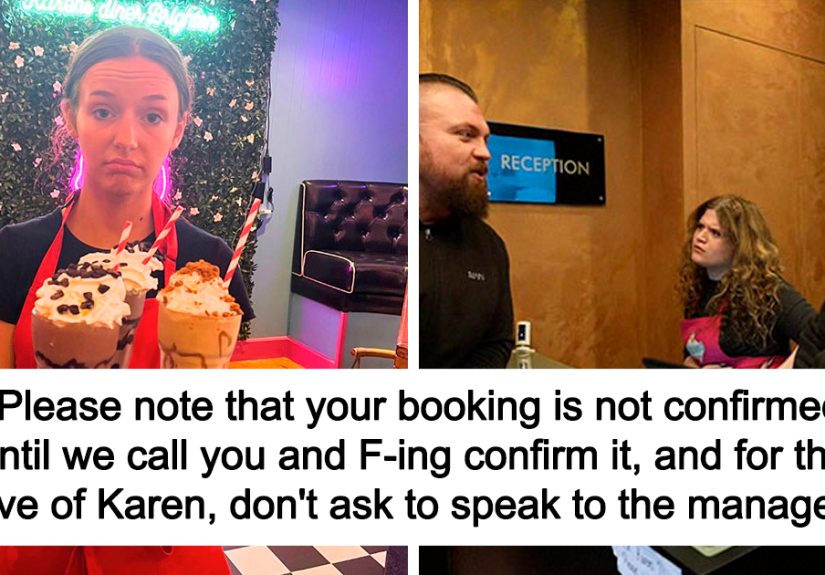
Karen’s Hotel grew out of the Karen’s Diner concept, an interactive dining experience famous for intentionally rude service, sarcastic staff, and theatrical bad manners. Instead of treating “the customer is always right” as a sacred rule, the brand tosses that idea into a fryer basket and serves it with a side of eye-rolls. Guests know they are signing up for attitude, awkward jokes, and a deliberately chaotic environment.
In the viral hotel stay, Eddie Hall took his son Max for an overnight visit without fully revealing what kind of experience was waiting. What followed was less “relaxing getaway” and more “sleepover hosted by the spirit of customer complaints.” They were met with intentionally unfriendly staff, an unpredictable room, strange interruptions, and pillows reportedly filled with tissue and styrofoam. At one point, the entertainment value became clear: the hotel was not failing by accident. It was failing on purpose.
That is the key difference between a genuinely terrible hotel and Karen’s Hotel. A normal bad hotel apologizes when something goes wrong. Karen’s Hotel seems to ask, “Would you like that inconvenience with extra sarcasm?” The experience is designed as a prank-like, immersive stay where discomfort becomes part of the package. In that sense, the line “We got what we paid for” is both a joke and an honest review.
Why Styrofoam Pillows Became The Star Of The Story
In hospitality, bedding carries a surprising amount of emotional weight. A traveler may not remember the brand of shampoo in the shower, but they will absolutely remember waking up with a neck shaped like a question mark. Pillows are small, but they tell guests whether a hotel understands comfort or simply purchased something rectangular and hoped for the best.
Hotel pillows are expected to provide a middle-ground feel: soft enough to seem plush, supportive enough to prevent neck strain, and clean enough that guests do not begin mentally writing a complaint before breakfast. Many better hotels use down, feather blends, down alternatives, or carefully chosen synthetic fills to satisfy different sleep positions. A proper pillow supports the head and neck, keeps the spine more naturally aligned, and helps guests wake up feeling human rather than assembled incorrectly.
That is why styrofoam pillows are so funny. Styrofoam belongs in shipping boxes, craft projects, and the corner of your garage where packaging materials go to retire. It does not belong under someone’s head unless the hotel is openly admitting, “Tonight, you are sleeping on a beanbag’s weird cousin.” In the context of Karen’s Hotel, the pillows work as comedy props. In any ordinary hotel, they would be evidence.
The Psychology Of “We Got What We Paid For”
The phrase “we got what we paid for” is one of travel’s great emotional defense mechanisms. It lets guests laugh instead of cry when a cheap stay turns into a live-action cautionary tale. It also reflects an uncomfortable truth: travelers often choose accommodations by balancing price, location, reviews, and hope. Hope, unfortunately, is not a bedding material.
Budget travel comes with trade-offs. A lower rate may mean fewer amenities, older furniture, smaller rooms, limited housekeeping, or breakfast that has the enthusiasm of a school cafeteria. But there is a major difference between simple and unacceptable. A simple hotel can still be clean, safe, transparent, and comfortable. A cheap hotel does not get permission to provide mystery stains, broken locks, or pillows filled with materials better suited for mailing fragile mugs.
Karen’s Hotel is unusual because it sells disappointment as entertainment. Guests are not just buying a room; they are buying a story. The problem is that not every traveler enjoys discomfort as comedy. Some people love immersive chaos. Others want a quiet bed, a clean bathroom, and staff who do not behave like they were raised by comment sections.
When Bad Service Becomes The Product
The Karen’s Diner and Karen’s Hotel formula is built on a reversal of normal hospitality rules. Most hotels train staff to be polite, calm, and helpful even when guests are confused, tired, or trying to check in while holding three suitcases and a melting iced coffee. Karen’s turns the script upside down. The rude staff, fake hostility, and exaggerated inconvenience are part of the theater.
This kind of concept works only when expectations are crystal clear. Guests need to know that they are entering a performance, not a traditional service environment. The fun depends on consent. If someone books a rude hotel experience knowingly, the insults and absurd room details may feel like a comedy show. If someone arrives expecting standard hospitality, the same experience would feel like being trapped in a customer-service nightmare with decorative pillows.
That is where transparency matters. Travel customers are more sensitive than ever to hidden costs, misleading photos, vague room descriptions, and fine print that appears only after the credit card has already had a panic attack. Whether a hotel is luxury, budget, boutique, or intentionally rude, the guest should understand what is included, what is not included, and what kind of stay they are actually purchasing.
What Real Travelers Can Learn From This Hotel Story
1. Read Reviews Like A Detective, Not A Dreamer
Online reviews are useful, but they are not magic. A five-star rating can hide patterns if you only skim the first few comments. Look for repeated themes: uncomfortable beds, thin walls, rude staff, hidden fees, poor cleanliness, missing towels, broken air conditioning, or suspiciously poetic praise from accounts with only one review. If ten guests mention the same problem, believe them. That is not a coincidence; that is a choir.
2. Study The Photos Carefully
Hotel photos are sometimes shot with the same optimism used in dating profiles. Wide-angle lenses can make a shoebox look like a presidential suite. Before booking, compare official photos with traveler-uploaded images. Guest photos often reveal the truth: worn carpet, small rooms, old bathrooms, sad pillows, and curtains that have seen things.
3. Know The Difference Between “Basic” And “Bad”
A basic hotel may offer clean sheets, working locks, a comfortable enough bed, and a front desk that answers questions without emotional damage. A bad hotel ignores cleanliness, safety, comfort, and transparency. Travelers should not expect champagne service at a bargain rate, but they can expect the basics. Clean bedding is not a luxury. Towels are not a personality trait. A pillow should not crunch.
4. Watch For Hidden Fees
One of the biggest modern travel frustrations is the price that grows during checkout. Resort fees, cleaning fees, service fees, early check-in fees, destination fees, and other surprise charges can make a “great deal” look less charming by the time payment is due. Smart travelers compare the total cost, not just the nightly rate. A cheap room with extra fees can become more expensive than a better hotel that was honest from the beginning.
5. Choose The Stay For The Purpose
Not every trip needs the same hotel. If you are attending a music festival and just need a place to collapse, a simple budget room may work. If you are traveling for a job interview, family event, or long-awaited vacation, comfort matters more. If you are booking an intentionally chaotic experience like Karen’s Hotel, understand that the “bad service” is the attraction. Do not bring someone who thinks sarcasm is a medical condition.
The Bigger Travel Trend: Guests Want Value, Not Perfection
Modern hotel guests are not necessarily demanding marble bathrooms and butlers named Sebastian. What they want is value. Value means the stay feels fair for the price. A guest can be satisfied with a small room if it is clean, quiet, well-located, and honestly described. A traveler may accept limited amenities if the bed is comfortable and the staff handles problems professionally.
That is why the Karen’s Hotel story spread so easily. It exaggerates the fear every traveler has when booking a cheap or unusual stay: what if the photos lied, the room is weird, and the pillows are secretly packing material? The humor works because the anxiety is familiar. Most people have opened a hotel room door and needed three seconds to decide whether they made a smart financial decision or a character-building mistake.
The hospitality industry is paying attention to these expectations. Guest satisfaction increasingly depends on room condition, cleanliness, useful amenities, and honest pricing. Travelers compare hotels faster than ever, and one memorable complaint can travel across the internet before housekeeping finishes the next room. A hotel does not need to be perfect, but it does need to deliver what it promised.
Why Comfort Still Wins
Even in a world of themed hotels, viral restaurants, and travel content built for social media, comfort remains the foundation of a good stay. Guests may enjoy a funny check-in, a strange lobby, or a staff member playing a character, but when the door closes, the room still has a job. It should offer rest.
That is where pillows become symbolic. They represent whether the property cares about the guest after the joke is over. A funny insult at dinner might become a memory. A bad pillow becomes a headache. The best themed experiences understand that chaos should be controlled. Guests can laugh at rude service when the fundamentals are still handled well. They can enjoy the performance if they are not genuinely uncomfortable, unsafe, or misled.
Karen’s Hotel walks that tightrope by turning inconvenience into the entertainment. For some guests, that is hilarious. For others, it is a reminder that novelty has limits. A styrofoam pillow may make great internet content, but few people would want it as a surprise on a normal vacation.
Experiences Related To The Topic: When A Hotel Stay Becomes A Story
Almost every frequent traveler eventually collects a “we got what we paid for” story. These stories usually start with optimism. The booking page looks fine. The price looks friendly. The location seems convenient. The reviews are mostly positive, except for one dramatic person who writes, “Never again,” in all caps. You ignore that person because you are reasonable. Then you arrive and realize that all-caps traveler may have been a prophet.
One common experience is the room that looks technically correct but emotionally wrong. The bed exists. The lamp exists. The bathroom exists. But everything feels slightly defeated. The pillows are flat, the air conditioner sounds like a lawn mower learning jazz, and the carpet has the mysterious confidence of something that has survived many bachelor parties. Nothing is bad enough to leave immediately, but everything is bad enough to discuss for years.
Another classic is the “creative amenity” situation. A hotel promises breakfast, and technically, yes, breakfast is present. But the buffet contains cereal in a plastic dispenser, coffee that tastes like it has been awake since 2009, and muffins wrapped so tightly they may require tools. Guests stand there pretending to be grateful because the room was cheap and the waffles are free if the machine cooperates.
Then there are bedding surprises. Some hotels understand that travelers judge the entire stay by the bed. Others seem to think a pillow is just any soft-ish object wearing a pillowcase. Too firm, too flat, too lumpy, too hot, too tall, too thinbad pillows create instant regret. A guest can spend the entire night rotating pillows like a scientist testing unstable materials. By morning, the hotel has lost the review before checkout even begins.
Noise is another major character in budget-hotel adventures. Thin walls can turn strangers into unwanted podcast hosts. You learn who is watching television, who is arguing, who has children with Olympic-level hallway speed, and who believes doors should be closed with the force of a medieval gate. The room may be cheap, but the sound effects are included at no extra charge.
The best way to handle these experiences is to separate inconvenience from danger. If the room is merely awkward, outdated, or funny, it may become a story worth laughing about later. Take photos, keep your expectations realistic, and politely ask the front desk for help when something can be fixed. Many hotel workers are dealing with limited staff, demanding guests, and impossible turnover times, so kindness can work better than rage.
However, if the issue involves safety, cleanliness, broken locks, pests, electrical problems, or undisclosed major problems, treat it seriously. Document the issue, contact management, request a room change, and use the booking platform or credit card company if needed. “You get what you pay for” should never mean accepting unsafe conditions.
The Karen’s Hotel story is entertaining because it exaggerates the travel gamble on purpose. It takes the hidden fear of bad stays and turns it into a paid performance. But in ordinary travel, guests should not need to accept styrofoam pillows, surprise fees, or rude treatment as part of the bargain. A fair price should still come with fair basics: clean bedding, honest descriptions, working amenities, and a place to sleep that does not sound like a takeout container.
Conclusion
The viral Karen’s Hotel stay works because it is both absurd and familiar. Eddie Hall’s “We got what we paid for” reaction captures the strange humor of modern travel, where guests balance bargain prices, online reviews, themed experiences, and the hope that the pillow will not betray them. Karen’s Hotel turns bad service into entertainment, and the styrofoam pillows became the perfect symbol of that chaos.
For regular travelers, the lesson is simple: know what you are booking, read reviews carefully, compare total prices, and remember that comfort still matters. A hotel can be funny, quirky, cheap, or strange, but it should be honest about the experience. Because when the lights go out, the joke is overand the pillow has to do its job.