Table of Contents >> Show >> Hide
- Why This Tiny Road-Trip Moment Feels So Awesome
- The Simple Science Behind the “Hand Airplane” Feeling
- A Nostalgia Machine With Four Wheels
- Why Open Windows Feel Like Freedom
- The Road-Trip Version of Mindfulness
- Safety First: Awesome Does Not Mean Careless
- When the Moment Is Best
- Why “1000 Awesome Things” Still Works as an Idea
- Specific Examples That Make This Moment Unforgettable
- The Difference Between Fun and Reckless
- Why This Tiny Experience Belongs in Modern Life
- Extra Experiences: The Small Stories Hidden in the Breeze
- Conclusion
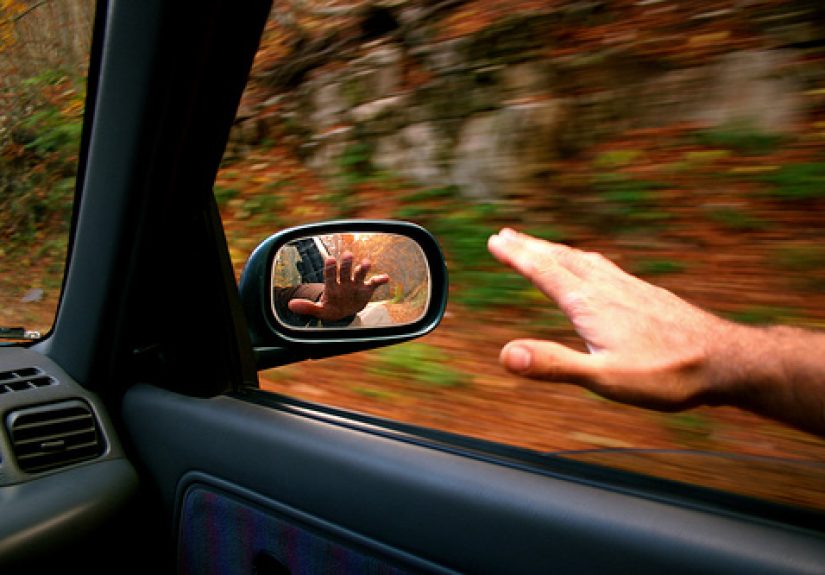
Some pleasures are so small they almost sneak past the security guard of adulthood. They do not need tickets, reservations, matching outfits, or a six-step morning routine involving oat milk and emotional journaling. They just happen. A window rolls down. Warm air rushes in. Your hand drifts toward the outside world. Suddenly, your palm becomes a tiny airplane wing, your fingers become feathers, and the highway turns into a wind tunnel with cup holders.
That is the charm behind #912 Hanging your hand out the window of a car – 1000 Awesome Things. It is not about the destination. It is not even really about the car. It is about that quick, ridiculous, beautiful moment when the world feels close enough to touchbut not too close, because safety still gets a seatbelt and a firm talking-to.
In a world packed with notifications, traffic apps, calendar alerts, and the occasional mystery French fry under the seat, hanging your hand near an open car window represents something refreshingly simple: motion, memory, summer, childhood, freedom, and the tiny science experiment of feeling air push back.
Why This Tiny Road-Trip Moment Feels So Awesome
At first glance, the experience seems almost too ordinary to deserve attention. People have been riding with car windows down for generations. Before automatic climate control became the quiet king of comfort, open windows were basically the original air conditioning system: free, loud, dramatic, and occasionally responsible for turning your hair into a weather event.
But that is exactly why the moment works. It is familiar. It is physical. It is immediate. You do not need to understand aerodynamics to enjoy the feeling, although your hand definitely starts behaving like it has watched one documentary about airplanes and now wants to explain lift at parties.
When you tilt your palm slightly upward, the rushing air pushes it higher. Tilt it downward, and it dips. Flatten it, and it glides. Cup your hand, and suddenly the wind grabs it like a tiny invisible raccoon with impressive upper-body strength. The movement feels playful because your body is interacting directly with speed. You are not just sitting inside a vehicle; for a second, you are part of the ride.
The Simple Science Behind the “Hand Airplane” Feeling
The joy of hanging your hand near a moving car window comes partly from airflow. As a car moves forward, air rushes past it. Your hand interrupts that flow, creating pressure differences around your palm and fingers. When you angle your hand, the air pushes against it in different ways, which creates the lifting or dipping sensation many people remember from childhood road trips.
This is why the experience feels similar to pretending your hand is an airplane wing. Your hand is not shaped exactly like a wing, of course. Unless you are secretly part seagull, in which case congratulations on your typing skills. Still, the basic idea is recognizable: angle matters, airflow matters, and speed changes everything.
At lower speeds, the breeze may feel soft and fluttery. At highway speeds, the force becomes much stronger. That is where the fun needs boundaries. The safest version is not flinging your whole arm into traffic like you are trying to high-five a cloud. It is simply enjoying fresh air responsibly, keeping your body inside the car, and remembering that roads come with mirrors, signs, other vehicles, debris, and physicsphysics being the one passenger who never takes a nap.
A Nostalgia Machine With Four Wheels
Part of the magic is nostalgia. For many people, an open car window brings back childhood: sitting in the back seat, watching telephone poles blink by, smelling cut grass or rain on hot pavement, and wondering why adults insisted on listening to “just one more news segment” when clearly the correct choice was music.
The sensation is tied to memory because it includes so many senses at once. You feel the temperature shift. You hear the rush of wind. You smell roadside diners, pine trees, ocean air, city pavement, or somebody’s barbecue doing heroic work three blocks away. You see sunlight flicker through trees. Your brain collects all of it and files it under: small moment, surprisingly important.
That is why the phrase 1000 Awesome Things hanging your hand out the window resonates with readers. It celebrates the tiny experiences that do not look important on paper but somehow become part of the emotional furniture of our lives. Nobody says, “My personal growth began at mile marker 118 when I made my hand do airplane swoops.” And yet, in a quiet way, those moments matter.
Why Open Windows Feel Like Freedom
Cars are strange little rooms. They move fast, but they can feel sealed off from the world. Roll down the window, and suddenly the bubble pops. You hear tires on pavement. You notice birds, sprinklers, motorcycles, lawn mowers, and the dramatic flap of a receipt you forgot was in the door pocket. The outside world enters the cabin, uninvited but exciting.
Fresh air makes a trip feel less like transportation and more like an experience. It turns an errand into a tiny adventure. A drive to the grocery store becomes “the open-road chapter” of your day, even if the road leads directly to bananas and laundry detergent.
There is also a psychological reason this feels good. Small moments of awe and pleasure can help people feel more present. You do not need a mountain sunrise every morning to feel wonder. Sometimes wonder arrives as a warm breeze and a loose sleeve flapping like it has career ambitions in interpretive dance.
The Road-Trip Version of Mindfulness
Mindfulness often gets packaged as something very serious: quiet rooms, perfect posture, breathing exercises, and the kind of calm face usually seen on herbal tea boxes. But mindfulness can also be simple awareness. Feeling the wind move around your fingers can pull your attention out of your thoughts and back into your body.
You notice speed. You notice air. You notice the exact angle where your palm rises and falls. For a few seconds, your brain stops juggling homework, bills, emails, sports schedules, dinner plans, and that one thing you forgot but cannot remember forgetting. The moment becomes refreshingly uncomplicated.
That is why this little car-window experience belongs on any list of awesome everyday moments. It is playful without being expensive. It is memorable without being dramatic. It is science class, summer camp, and family road trip rolled into one breezy little gesture.
Safety First: Awesome Does Not Mean Careless
Now for the responsible adult paragraph wearing sensible shoes: keeping arms and hands fully protected inside a moving vehicle is always the safest choice, especially at higher speeds, in traffic, near construction zones, or around passing vehicles. Road debris, narrow lanes, sudden swerves, and nearby objects can turn a playful moment into a bad one quickly.
Drivers should keep their hands on the wheel and their attention on the road. Passengers should avoid leaning out, stretching far outside the vehicle, or encouraging children to copy risky behavior. The safer spirit of the experience is not “stick your arm into the universe and hope for the best.” It is “enjoy the breeze, respect the road, and do not challenge a mailbox to a duel.”
It is also smart to remember that open windows can affect comfort and fuel efficiency. At lower speeds, fresh air may feel pleasant and practical. At higher speeds, open windows can increase wind noise and drag. Air conditioning may be more comfortable on long highway drives, especially in extreme heat, heavy pollution, or dusty conditions. In other words, choose the window-down moment wisely. The vibe is important, but so is arriving with your hair, hearing, and common sense mostly intact.
When the Moment Is Best
The classic window-down hand-glide moment works best during slow, relaxed drives: a beach road, a quiet country lane, a neighborhood cruise, or a late-afternoon ride when the sun is golden and the air smells like someone nearby is either grilling dinner or living their best life.
It is especially memorable during warm weather. There is something about the first comfortable day after a long cold season that makes everyone suddenly behave like they have personally discovered oxygen. Windows roll down. Music gets louder. Sunglasses appear. People point at trees as if trees were just invented.
Even a short drive can become special when the air feels right. Maybe you are heading home after practice. Maybe you are leaving a family gathering. Maybe you are riding through a small town at sunset. The open window turns the ordinary into a scene. Your hand meets the breeze, and for a moment, life feels edited by someone with excellent taste in lighting.
Why “1000 Awesome Things” Still Works as an Idea
The beauty of the 1000 Awesome Things concept is that it pays attention to what many people overlook. Big happiness gets plenty of publicity: vacations, graduations, weddings, new cars, dream jobs, championship wins. Small happiness has to sneak in wearing sneakers.
But small joys are often more available. You may not be able to book a tropical vacation today, but you can notice the smell of rain. You can appreciate clean sheets. You can enjoy peeling a sticker off perfectly. You can love the exact second a traffic light turns green before anyone honks. And yes, you can remember the feeling of air lifting your hand beside an open window.
These moments matter because they train us to notice life while it is happening. Not after it becomes a memory. Not when it shows up in an old photo. Right now. In the passenger seat. On a regular road. With the wind making your fingers wobble like they are auditioning for a very low-budget superhero movie.
Specific Examples That Make This Moment Unforgettable
The Summer Vacation Drive
You are packed into the car with bags, snacks, and at least one person who claims they are “not hungry” before eating half the chips. The windows come down near the coast or the lake. The air changes. It smells like water, sunscreen, and freedom. Your hand catches the breeze, and suddenly the trip has officially begun.
The After-School Ride
There is a special kind of relief that happens after a long day. The backpack is heavy, the brain is tired, and the car ride home becomes a reset button. A little fresh air through the window can make the world feel less cramped. The breeze says, “You survived math. Please enjoy this complimentary wind.”
The Golden-Hour Cruise
Late afternoon light turns everything cinematic. Houses look softer. Trees glow at the edges. The road stretches ahead. Your hand moves gently with the air, and the moment feels bigger than it logically should. Nothing spectacular happens, which is exactly why it is perfect.
The Rain-Smell Drive
After rain, the air has that clean, earthy smell that makes sidewalks, lawns, and pavement seem freshly rebooted. With the window cracked, the breeze carries that scent into the car. You do not need to stick anything far outside. Just the fresh air itself is enough to make the ride feel alive.
The Difference Between Fun and Reckless
Because this topic involves a moving vehicle, it deserves a clear distinction. The awesome part is the sensory memory: wind, motion, nostalgia, and the playful feeling of airflow. The not-awesome part is taking unnecessary risks. Full arms outside the window, distracted driving, leaning out of moving cars, or trying to film the moment for social media can quickly erase the charm.
The best version is calm and careful. Passengers can enjoy fresh air without putting themselves in danger. Drivers can enjoy the breeze without removing attention from the road. Families can teach kids that car windows are for airflow and views, not for turning themselves into roadside inflatable tube people.
Awesome things are better when they stay awesome. Safety keeps the memory warm instead of turning it into a lecture from every adult within a five-mile radius.
Why This Tiny Experience Belongs in Modern Life
Modern life is smooth, sealed, and screen-heavy. We tap glass all day. We scroll through weather instead of feeling it. We watch travel videos while sitting perfectly still. The open car window cuts through that. It brings back texture. It reminds us that air is not just something listed in a forecast; it is something you can feel.
That may be the deeper reason this moment has lasting appeal. It is analog. It is physical. It has no loading bar. You do not need to update it, subscribe to it, or agree to new terms and conditions. The breeze does not ask for your email address. Miraculous.
In that way, hanging your hand out the window of a car is less about the hand and more about contact with the world. It is a tiny rebellion against being sealed away from experience. It says, “I am here. The day is moving. I can feel it.”
Extra Experiences: The Small Stories Hidden in the Breeze
There is a particular kind of memory that seems to live permanently in car windows. Ask people about childhood road trips, and they may not remember the exact route, hotel name, or what they ate for lunch. But they remember the wind. They remember the sound it made when only one window was down and the whole car started thumping like a confused helicopter. They remember parents saying, “Close the window, I can’t hear myself think,” which is a funny phrase because no child has ever been convinced that thinking makes noise.
The window-down moment often arrives during transitions. Leaving home. Coming back home. Driving somewhere new. Driving away from somewhere familiar. That is why it can feel emotional without announcing itself as emotional. The road gives your mind room to wander. The breeze gives your body something simple to do. Together, they create a quiet little pocket of reflection.
For some people, it is connected to family vacations: coolers in the trunk, maps folded badly, someone in the back seat asking if everyone else also smells skunk, and a parent insisting the scenic route is “only ten minutes longer,” a statement that has never once been legally binding. For others, it is connected to teenage independence: the first rides with friends, music that felt personally written for that exact moment, and the strange thrill of going nowhere in particular.
There is also the sensory comedy of it. Hair attacks your face. The air steals napkins. A loose straw wrapper becomes a tiny ghost and vanishes forever. Your hand tries to glide elegantly, but one unexpected gust makes it flap like a panicked pancake. These details make the memory human. Perfect moments are nice, but slightly silly moments are stickier.
Even the temperature changes the story. A hot breeze feels lazy and golden. A cool breeze feels clean and electric. Mountain air feels sharp. Beach air feels salty and wide open. City air carries restaurants, rain, exhaust, flowers, and mystery. The same gesture becomes different depending on where the car is, who is inside it, and what kind of day everyone is carrying.
One of the best parts is that the moment does not require explaining while it happens. Nobody needs to say, “We are now participating in a meaningful sensory ritual connected to nostalgia and embodied presence.” Please do not say that in a car unless you want everyone to roll the windows back up. The moment works because it is wordless. The hand rises, falls, floats, and wobbles. The road hums. The world keeps moving.
As adults, people often become efficient travelers. Get in, start navigation, check traffic, arrive on time, repeat. The window-down moment interrupts efficiency in the nicest way. It reminds us that the ride itself counts. Not every mile has to be optimized. Some miles are just for being there.
That is the heart of #912. It is not asking anyone to be careless. It is asking people to notice a tiny pleasure that has been riding beside them for years. A car window, a little moving air, a safe and sensible sense of wondersometimes that is enough to turn an ordinary drive into one of those small memories that stays.
Note: Enjoy fresh air responsibly. Keep your body safely inside the vehicle, avoid distractions, and never trade a nostalgic little breeze for careless road behavior.
Conclusion
#912 Hanging your hand out the window of a car – 1000 Awesome Things celebrates one of life’s simplest joys: the feeling of moving air, the memory of road trips, and the playful sensation of turning your hand into a tiny wing. It is funny, nostalgic, scientific, and oddly meaningful all at once. The best version is not reckless; it is mindful, safe, and full of appreciation for ordinary moments that make life feel lighter.
In the end, the magic is not just in the wind. It is in noticing. It is in realizing that happiness does not always arrive with fireworks. Sometimes it arrives through a half-open window, on a regular road, when your hand catches the breeze and your day suddenly feels a little more awesome.