Table of Contents >> Show >> Hide
- What Is B17, Really?
- Why Faith Gets Pulled Into the B17 Conversation
- What Science Says About B17 and Cancer Claims
- The Safety Problem People Should Not Ignore
- Faith, Discernment, and the Difference Between Hope and Hype
- Should People of Faith Avoid All Supplements?
- A Better Conversation: Food, Care, and Honest Support
- Common Experiences Around Faith and Supplements – B17
- Conclusion
Hope can make people do brave things, generous things, and sometimes very expensive things that arrive in suspicious packaging. That is one reason the topic of “B17” keeps showing up in wellness conversations, prayer circles, cancer forums, and supplement aisles that somehow smell like both peppermint and bold promises. For many families, the appeal is obvious: B17 is marketed as natural, simple, and hidden in plain sight inside apricot kernels and other seeds. Add a little fear, a little internet mythology, and a little distrust of modern medicine, and suddenly a product with a vintage nickname starts sounding like a secret too powerful to stay mainstream.
But faith deserves truth, not hype. And when it comes to supplements, especially something as controversial as B17, truth matters. A lot. This article takes a thoughtful look at what B17 actually is, why people of faith may be drawn to it, what science says, what safety concerns should not be brushed aside, and how to make wise, grounded decisions without turning hope into a chemistry experiment.
What Is B17, Really?
Let’s start with the name because the name does a lot of heavy lifting in the marketing. “Vitamin B17” is the popular label often used for amygdalin and laetrile. Amygdalin is a naturally occurring compound found in the pits or kernels of certain fruits such as apricots, peaches, plums, and bitter almonds. Laetrile is a processed form associated with alternative cancer treatment claims.
Here is the important part: B17 is not considered a true vitamin in the way vitamin C, vitamin D, or vitamin B12 are. The nickname sounds official, but it is more of a branding move than a nutrition fact. That matters because when people hear the word “vitamin,” they tend to assume the substance is both essential and safe. In reality, B17 has long been promoted in alternative health circles as a natural anticancer option, even though clinical evidence has not supported those claims.
That distinction is not just technical. It changes the whole conversation. A nutrient your body needs is not the same thing as a supplement promoted as a miracle. One belongs in a nutrition textbook. The other belongs under a very bright flashlight.
Why Faith Gets Pulled Into the B17 Conversation
Faith and health have always been connected. People pray before surgeries, ask for healing, seek counsel from clergy, and look for meaning when life feels unfair. That is normal. In many homes, faith is not a side note to illness; it is the main emotional framework for enduring it. So when a supplement like B17 is presented as “natural,” “hidden by the system,” or “part of God’s design,” it can sound spiritually attractive as well as medically appealing.
Some people hear messages like these: if something comes from a seed, it must be cleaner than a lab-made drug; if the medical system does not recommend it, maybe the truth is being suppressed; if prayer and nutrition are both good, then a dramatic supplement protocol must be even better. Those ideas can feel comforting. They also spread fast because they are emotionally powerful. They offer control in a season when life feels out of control.
Still, faith should not require pretending that every natural product is harmless. Poison ivy is natural. So is cyanide. Nature is not a synonym for safe. A faith-informed approach to wellness is strongest when it values wisdom, honesty, patience, and good counsel rather than dramatic claims dressed up like secret knowledge.
What Science Says About B17 and Cancer Claims
The scientific story on B17 is not new, and it is not especially mysterious. Researchers have studied amygdalin and laetrile for decades, particularly because of claims that they can fight cancer. The results have been disappointing in humans. Some laboratory studies have generated curiosity, but that is not the same thing as proving a treatment works in real patients. Petri dishes are not people, and cancer cells in a lab do not have lawyers, side effects, mixed diagnoses, or a mortgage.
Lab interest is not the same as clinical proof
This is where many supplement conversations go sideways. A compound can show interesting behavior in early lab work and still fail completely in people. That is common in medicine. Researchers may observe effects on isolated cells, but once a substance enters the body, the story becomes far more complex. It has to be absorbed, distributed, metabolized, tolerated, and effective without causing unacceptable harm.
With B17, the big promise was that it would target cancer cells while leaving healthy cells alone. That idea helped fuel its popularity for years. But human evidence has not confirmed that promise. Clinical research did not establish B17 as an effective cancer treatment, and major cancer organizations continue to reject the claim that it has proven anticancer benefit.
The human evidence never delivered the miracle
One of the best-known clinical investigations involved patients receiving amygdalin along with a broader metabolic-style program. The results did not show meaningful cancer control. In practical terms, that is the part many promotional posts skip. The story gets dressed up with words like ancient, natural, and forbidden, but the actual outcomes never matched the miracle-cure narrative.
That does not mean people who believe in B17 are foolish. It means they are often desperate, hopeful, overwhelmed, or trying to help someone they love. Those are deeply human reasons. But good intentions do not transform an unproven treatment into a proven one.
The Safety Problem People Should Not Ignore
If B17 were merely ineffective, that would already be reason for caution. The bigger problem is that it may also be dangerous. Amygdalin can break down into cyanide in the body. That is not a tiny footnote. That is the headline.
Depending on the form used, the amount consumed, and what it is taken with, B17 products may increase the risk of cyanide poisoning. This concern is one reason reputable health organizations have warned against apricot kernel products and similar supplements marketed around B17 claims. Symptoms associated with cyanide toxicity can include nausea, vomiting, dizziness, weakness, confusion, breathing difficulty, bluish skin discoloration, low blood pressure, and in severe cases, coma or death.
That risk becomes even more troubling when people self-dose without medical supervision or combine these products with other alternative protocols. A supplement promoted online as a clean, plant-based answer can become dangerous very quickly. That is not persecution. That is biochemistry being brutally honest.
Faith, Discernment, and the Difference Between Hope and Hype
For people of faith, the better question is not, “Does this sound natural enough to trust?” The better question is, “Is this truthful, tested, and wise?” Faith is not gullibility in church clothes. Discernment means weighing claims carefully, especially when they promise dramatic outcomes.
Many believers find peace in combining prayer with evidence-based care. That might include treatment from licensed clinicians, supportive nutrition, mental health support, pastoral care, and carefully reviewed supplements when appropriate. That path is usually less flashy than the miracle-cure pipeline, but it is often more grounded and safer.
There is also room for humility here. Some families want simple answers because complexity is exhausting. But serious illness is complex. A supplement label cannot carry all the emotional weight of fear, faith, grief, and healing. It is too small a container for that. Wisdom usually looks less like “I found the one secret they do not want you to know” and more like “We asked good questions, got second opinions, prayed, read carefully, and chose what is supported and safe.”
Should People of Faith Avoid All Supplements?
Not at all. Supplements are not automatically bad, and faith does not require rejecting them. Some supplements can be useful in specific situations when chosen carefully and reviewed by a clinician. The issue is not whether a product is sold in a bottle. The issue is whether the claims match the evidence.
A wise, faith-informed approach to supplements usually includes a few basic principles. First, do not confuse “natural” with “harmless.” Second, do not replace proven care with internet folklore. Third, tell your medical team about every supplement you are taking. Fourth, be especially skeptical of products sold with emotional promises, conspiracy language, or dramatic testimonials. And fifth, remember that food and supportive habits often matter more than trendy capsules with superhero branding.
In other words, your supplement shelf should not look like a plot twist.
A Better Conversation: Food, Care, and Honest Support
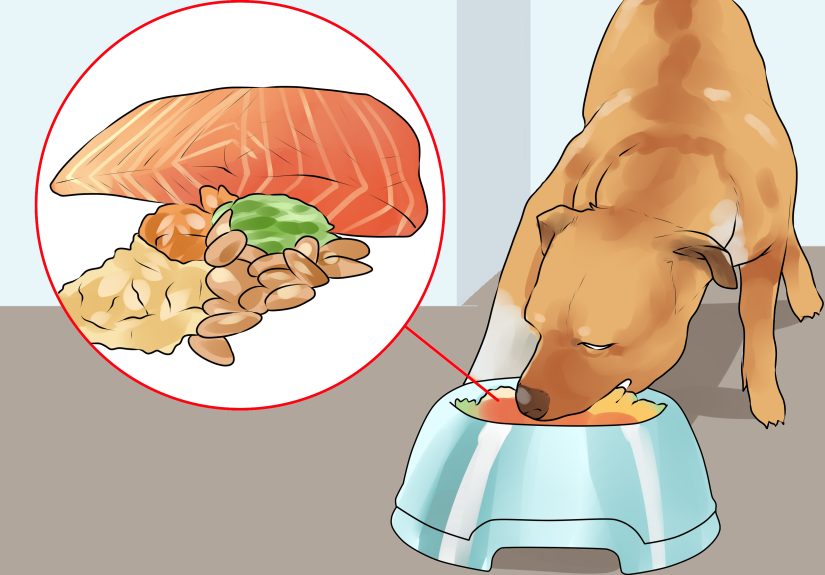
If someone is drawn to B17 because they want a more natural path, there are better ways to redirect that energy. Focus on overall nutrition, symptom management, sleep, hydration, movement as tolerated, and evidence-based supportive care. Ask a registered dietitian or oncology nutrition specialist about a food-first strategy. Whole foods can support health without pretending to be undercover chemotherapy.
This matters because many people are not truly seeking B17 itself. They are seeking agency, reassurance, and something practical to do. That desire is understandable. The answer, however, should be a safer plan, not a riskier myth.
Common Experiences Around Faith and Supplements – B17
The experiences surrounding faith and B17 are often less about chemistry and more about emotion. Families usually do not stumble into the topic because they are fascinated by seed compounds. They stumble into it because someone is sick, scared, or tired of hearing the word “wait.” In that vulnerable space, B17 can arrive sounding like relief. It often enters the room through a friend, a forum, a video, a testimony, or a well-meaning person who says, “You should at least look into this.”
One common experience is the hope surge. A person reads that B17 is natural, old-fashioned, and somehow overlooked by mainstream medicine. The claim feels exciting because it offers a shortcut past fear. It sounds less clinical and more personal. For people of faith, that emotional lift can feel almost spiritual, as if they have been led to hidden help at just the right moment. The problem is that emotional certainty can show up long before reliable evidence does.
Another common experience is the conflict between communities. A patient may trust their oncologist but also trust their church friends, family elders, or online faith community. When those groups send different messages, the person in the middle can feel torn. One side says, “There is no proven benefit, and there is real risk.” Another says, “Why not try everything?” That tension can be exhausting. It can also create guilt, especially if someone worries that refusing a supplement looks like refusing hope.
There is also the testimony effect. Stories are powerful. A single dramatic testimony can outweigh a dozen clinical papers in the human mind because stories are memorable and personal. But testimonials are not the same as proof. People may improve for many reasons at once, including standard treatment, surgery, timing, misinterpretation, or unrelated changes. In real life, illness is messy. One story rarely tells the whole truth.
Some people then experience the fear spiral. Once B17 is framed as the thing “they do not want you to know,” every caution can sound suspicious. A medical warning feels like suppression. A request for evidence feels cold. This is where discernment becomes essential. Faith should make room for wisdom, not shut the door on it.
Finally, many families reach a healthier place when they move from miracle-chasing to steady support. They stop asking, “What is the one hidden cure?” and begin asking, “What actually helps us care well for body, mind, and spirit?” That shift often brings calmer decisions. It allows prayer, treatment, nutrition, and community support to work together without turning a risky supplement into a symbolic act of belief. In that sense, the most meaningful experience related to B17 may be the lesson it teaches: sincere faith is strongest when it walks alongside truth, not ahead of it.
Conclusion
Faith and supplements can coexist, but they should not be confused with each other. B17 has been marketed with the language of hidden wisdom, natural healing, and anticancer promise, yet the evidence does not support it as a proven cancer treatment, and the safety concerns are too serious to dismiss. For people of faith, that does not mean giving up hope. It means choosing a stronger form of hope, one that welcomes prayer, wisdom, evidence, community, and honesty all at the same table.
Belief is not weakened by asking hard questions. In fact, it often grows stronger there. If a supplement claim requires ignoring good evidence, downplaying real risks, or treating fear like proof, it is probably not a faithful choice. When it comes to B17, the wiser path is not panic, mockery, or blind trust. It is calm discernment. And that may be less dramatic than a miracle-cure headline, but it is far more likely to honor both truth and the people trying to live by it.