Table of Contents >> Show >> Hide
Note: Body-only HTML, clean for publishing, with no source links included.
Winter gets a bad reputation in the garden. The leaves are gone, the beds look sleepy, and the backyard can feel like nature hit the snooze button and rolled back under the blanket. But here’s the good news: not every plant agrees to that arrangement. Some winter-blooming plants decide that icy mornings, short days, and dramatic gray skies are actually their moment to shine.
If you choose the right mix of shrubs, bulbs, and cold-season flowers, your landscape does not have to wait until April to look alive. In fact, some of the most memorable blooms of the year happen when almost nothing else is awake. These cold-weather bloomers do more than add color. They create structure, perfume the air, brighten entryways, and make the garden feel intentional instead of abandoned.
There is one important reality check, though: “winter bloom” means different things in different parts of the United States. In milder regions, some plants flower from late fall through January. In colder climates, others wait until late winter and push through snow like tiny overachievers with a schedule to keep. Either way, these are the plants that prove the coldest months do not have to be flowerless.
Here are nine of the best winter-blooming plants to grow when you want your garden to look less like a weather report and more like a plot twist.
1. Hellebore
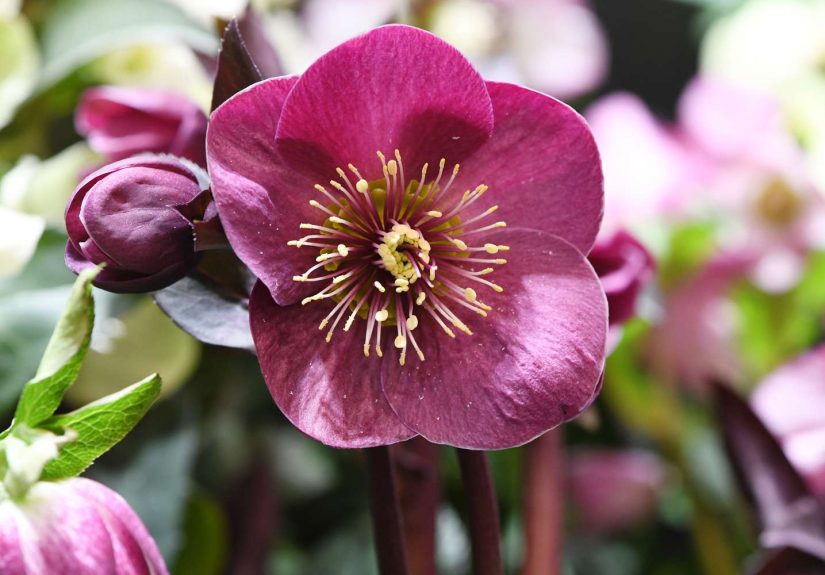
If winter flowers had a royal court, hellebore would absolutely arrive wearing velvet and acting like it owns the place. Often called Lenten rose or Christmas rose, hellebore is one of the most dependable perennials for late-winter color. Its nodding blooms appear in shades of white, blush, mauve, plum, near-black, and sometimes speckled combinations that look hand-painted.
Why gardeners love it
Hellebore blooms when most perennials are still pretending they have never heard of spring. It also keeps handsome evergreen or semi-evergreen foliage in many climates, so the plant earns its space even when it is not flowering. The blossoms last for weeks, sometimes months, and age gracefully instead of collapsing into a soggy mess after one cold snap.
Best growing conditions
Give hellebore part shade, rich well-drained soil, and protection from harsh winter winds. It is especially effective under deciduous trees, along shady paths, or near a doorway where you can actually appreciate those subtle flower colors instead of squinting at them from the kitchen window.
Design tip: Plant hellebores in drifts rather than lonely singles. One plant is charming. Five or seven plants look like you know exactly what you are doing.
2. Camellia
Camellias are the glamorous overachievers of the winter garden. While many flowering shrubs clock out for the season, camellias show up with glossy evergreen foliage and blooms that look almost too polished to be real. Depending on the species and climate, they can flower from fall into winter or from winter into early spring.
Why gardeners love it
Camellias deliver large, elegant flowers in white, pink, red, and bi-color forms, often with a soft, romantic look that feels wildly unfair in December. Sasanqua camellias are especially useful for winter interest because they begin blooming earlier and carry a lighter, more relaxed habit than many spring-blooming types.
Best growing conditions
Camellias prefer acidic, well-drained soil and protection from hot afternoon sun. Morning sun with afternoon shade is a smart setup in many Southern and mid-Atlantic gardens. They also work beautifully as foundation shrubs, privacy screens, or evergreen anchors in mixed borders.
Reality check: camellias are not the same experience everywhere. In mild-winter regions, they can put on a long floral show. In colder areas, gardeners need a protected site and cold-hardy selections.
3. Witch Hazel
Witch hazel looks like a plant invented by someone who thought winter needed more confetti. Its spidery, ribbon-like petals appear on bare branches in yellow, orange, or coppery tones, often when the rest of the landscape is still beige and emotionally unavailable.
Why gardeners love it
Few shrubs are more dramatic in winter. Witch hazel blooms on naked branches, which gives the flowers a floating effect and makes every bloom easy to admire. Many varieties are also fragrant, which means you get color and perfume at a time of year when the garden usually smells like wet mulch and determination.
Best growing conditions
Plant witch hazel in full sun to part shade with evenly moist, well-drained soil. It works well as a specimen shrub where its winter form and bloom habit can be appreciated from a window, walkway, or front drive.
Design tip: place witch hazel against a dark evergreen backdrop. The flowers will pop harder, and the whole shrub will look like it was staged by a very competent garden stylist.
4. Winter Jasmine
Winter jasmine is proof that a plant does not need fancy petals or heavy fragrance to be useful. What it offers instead is cheerful timing. Its bright yellow flowers appear on green stems in late winter, often before the leaves emerge, and the effect is like someone drew sunshine directly onto the branches.
Why gardeners love it
It is easygoing, adaptable, and generous with bloom. Winter jasmine can spill over a wall, scramble across a bank, or be trained onto a support. It is not the intoxicatingly fragrant jasmine people imagine from summer patios, but it makes up for that with reliability and sheer brightness.
Best growing conditions
Give it full sun to part shade and reasonably well-drained soil. For the best winter display, place it where it receives plenty of winter sunlight. It is excellent for slopes, retaining walls, and places where you want a loose, natural look rather than a prim, clipped one.
Maintenance note: prune after flowering, not before. Otherwise, you may accidentally remove the very stems preparing your winter show.
5. Paperbush
Paperbush, also called Edgeworthia, is the plant equivalent of a quiet person at a party who turns out to be the most interesting one there. In summer, it is pleasant but not especially flashy. In winter, its silvery flower buds hang on bare stems like ornaments. Then, in late winter, those buds open into clusters of tubular yellow flowers that are both unusual and unforgettable.
Why gardeners love it
Paperbush has serious winter presence even before it blooms. The buds alone are decorative, and once the flowers open, the shrub becomes a conversation starter. It adds texture, architecture, and a softer kind of color that feels refined instead of loud.
Best growing conditions
Paperbush prefers humus-rich, moist but well-drained soil and part shade. It is especially happy in protected spots with some shelter from drying wind and harsh afternoon sun. In the right site, it becomes one of those plants visitors always ask about.
Design tip: place paperbush near a path or patio where you can admire the winter buds up close. It deserves a front-row seat, not exile behind the recycling bins.
6. Snowdrop
Snowdrops are tiny, elegant, and surprisingly brave. These small bulbs produce white nodding flowers that often emerge while snow is still on the ground. They do not scream for attention. They simply appear, quietly, and make everything around them feel hopeful.
Why gardeners love it
Snowdrops are among the earliest flowers to bloom in cold climates, which gives them tremendous emotional value. After a long winter, even a modest white flower can feel like a standing ovation. They also naturalize well, so over time you can get beautiful drifts rather than a few isolated blooms playing defense in the lawn.
Best growing conditions
Plant snowdrops in organically rich, well-drained soil in full to partial sun. They are especially beautiful under deciduous trees, along woodland edges, or tucked beside walkways where their delicate flowers can be seen at close range.
Gardener’s secret: snowdrops are small, so plant more than you think you need. The goal is not “one here, one there.” The goal is “Who planted this magical little colony and why am I not already friends with them?”
7. Winter Aconite
If snowdrops are subtle, winter aconite is their sunny best friend. These low-growing bulbs produce golden buttercup-like flowers that often bloom in late winter, sometimes straight through the snow. They may be small, but the color is bright enough to register from several steps away, even on a gloomy day.
Why gardeners love it
Winter aconite is one of the best plants for injecting real color into the winter garden. Yellow is especially effective in cold weather because it reads as warm, lively, and optimistic. Massed beneath trees or in front of shrubs, winter aconite looks like spilled sunlight.
Best growing conditions
Grow winter aconite in rich, well-drained soil in full sun to part shade. It appreciates consistent moisture while actively growing and does particularly well where it receives spring light before overhead trees leaf out.
Planting tip: soak the tubers before planting to encourage establishment. Tiny tubers can be surprisingly stubborn, and a little pre-plant pampering goes a long way.
8. Pansy
Pansies may not be rare or exotic, but winter gardens are not a talent show for botanical snobbery. They are practical, colorful, long-blooming, and cheerful, which makes them one of the smartest choices for winter containers and front-of-border displays in milder climates.
Why gardeners love it
Pansies offer instant color in shades ranging from soft pastels to rich jewel tones, often with the familiar face-like markings that make them look mildly surprised to be outside in freezing weather. In regions with mild winters, they can bloom for months. In colder places, they still shine in shoulder-season displays and protected containers.
Best growing conditions
Plant pansies in fall in humus-rich, well-drained soil with full sun to part shade. Deadheading keeps the show going, and regular moisture helps maintain a lush, full look. They are excellent for window boxes, porch pots, edging, and quick seasonal refreshes where you want visible impact without waiting three years for a shrub to get serious.
Honest truth: pansies are not above drama when neglected. Give them decent water, remove spent flowers, and they will reward you like tiny floral extroverts.
9. Winter Daphne
Winter daphne is grown for one reason first and foremost: fragrance. Its clusters of pinkish-purple and white flowers are beautiful, but the scent is what earns it a permanent fan club. When it blooms near an entry or walkway, it can stop people mid-step.
Why gardeners love it
In late winter, fragrance matters almost as much as color. Windows are still closed, outdoor time is limited, and any sensory surprise feels magnified. Winter daphne delivers that surprise with a perfume that is sweet, rich, and completely out of proportion to the size of the shrub.
Best growing conditions
Give winter daphne moist, rich, sharply drained soil and part shade. The drainage part is not optional. This is not the plant for soggy, compacted ground or random acts of overwatering. It can be a little temperamental, but gardeners forgive it quickly because the bloom period is so memorable.
Placement tip: plant it where you pass by often. A hidden winter daphne is like owning a great speaker and storing it in the attic.
How to Make Winter-Blooming Plants Actually Look Good Together
The secret to a strong winter garden is not simply collecting plants that bloom in cold weather. It is arranging them so the season has rhythm. Start with evergreen structure such as camellia or daphne. Add mid-height stars like hellebore and paperbush. Then tuck in ground-level bloomers such as snowdrops, winter aconite, and pansies. Finish with one dramatic specimen like witch hazel or a cascading plant like winter jasmine for movement.
Also think like a human being in January. Place winter flowers where you will truly notice them: near the mailbox, along the front walk, outside a kitchen window, beside the driveway, or in containers by the porch. Winter gardening is not about hiding beauty in the back forty. It is about putting it exactly where your eyes need encouragement.
What the Experience of Growing Winter Flowers Really Feels Like
There is something oddly emotional about winter-blooming plants that people do not always mention in practical garden guides. In spring and summer, flowers are expected. They are lovely, of course, but they arrive with an entire supporting cast of warm weather, leafy trees, bright lawns, and long evenings. Winter flowers do not have that luxury. They perform on a nearly empty stage, which makes every bloom feel more meaningful.
My favorite experiences with winter-blooming plants are never the flashy, postcard-perfect ones. They are the small moments: seeing hellebores holding their heads just above a crust of old snow; noticing the first witch hazel petals twisting open when the air still feels sharp enough to bite; catching the fragrance of daphne when you were only outside to bring in a package and absolutely did not expect poetry from the front border.
Winter flowers also change the way you move through a garden. In summer, you wander. In winter, you pay attention. You slow down because there is less to look at, and in that quiet, every detail matters more. A clump of snowdrops is not background decoration. It is the event. A pot of pansies by the door is not filler. It is a daily mood adjustment.
There is also a practical joy in growing these plants. Winter-blooming species teach patience better than almost anything else in the landscape. You plant bulbs in fall and trust them. You site shrubs carefully and wait a year or two for them to settle in. You learn that timing, exposure, drainage, and microclimate are not boring technicalities; they are the whole game. Then one freezing morning, something blooms anyway, and the garden feels like it kept a promise.
Some of the best experiences come from contrast. A yellow winter aconite flower looks brighter because the surrounding soil is dark. Camellia petals seem more luxurious because the rest of the yard is still stripped down to stems and bones. Winter jasmine becomes cheerful almost by force, as if it has decided the season needs better branding. Even people who claim not to care about gardening suddenly notice these plants because winter gives them nowhere to hide.
And perhaps that is the real magic. Winter-blooming plants do not just decorate the coldest months. They interrupt them. They challenge the idea that the garden is finished until spring. They remind you that beauty is not always loud, abundant, or easy. Sometimes it is a single flower on a freezing day doing the botanical equivalent of raising its hand and saying, “Actually, I’m ready now.”
Once you have lived with these plants for a season or two, you start planning differently. You stop thinking of winter as dead space and start treating it like its own chapter. You look for fragrance near the door, color near the sidewalk, buds outside the office window, and flowers that reward a cold walk with something worth seeing. That shift is what turns winter gardening from a survival tactic into genuine pleasure.
Final Thoughts
The best winter-blooming plants do more than survive the cold. They change the emotional temperature of a garden. Hellebores add elegance, camellias bring glamour, witch hazel supplies fireworks, and snowdrops offer hope in miniature form. Add in paperbush, winter jasmine, winter aconite, pansies, and winter daphne, and suddenly the bleakest stretch of the year starts to look surprisingly alive.
If your landscape feels empty every winter, the solution is not to wait impatiently for spring. The smarter move is to plant for the season you actually have. A garden that blooms in winter feels richer, more intentional, and much more fun to live with. And honestly, any plant willing to flower while frost is still on the ground deserves a standing ovation and probably a very good spot near the front walk.