Table of Contents >> Show >> Hide
- 1. Plant Native, Nectar-Rich Flowers First
- 2. Use Feeders as a Supplement, Not the Whole Strategy
- 3. Keep Feeders Clean Enough to Make a Germ Nervous
- 4. Support Insects and Skip Broad-Spectrum Pesticides
- 5. Add Water, Perches, and Protective Cover
- 6. Time Your Yard for Migration and Reduce Backyard Hazards
- Common Mistakes That Keep Hummingbirds Away
- Conclusion
- Real-World Experiences: What Happens When You Actually Try These Tips
If your backyard feels a little too quiet, a hummingbird can fix that in about half a second. These tiny birds arrive like living confetti, hover in midair like they forgot gravity exists, and then zip away before you can say, “Wait, was that emerald green or was I hallucinating?” The good news is that attracting hummingbirds to your yard is not some mysterious gardener superpower. It mostly comes down to giving them what they actually need: reliable nectar, safe places to rest, a few insects for protein, clean water, and a habitat that doesn’t feel like a tiny bird obstacle course.
The best hummingbird yards do not rely on one flashy feeder and wishful thinking. They combine nectar-rich plants, smart feeder placement, consistent maintenance, and a yard that supports the full rhythm of hummingbird life. That means thinking beyond “pretty flowers” and into bloom timing, shelter, food diversity, and safety. It also means resisting the urge to turn your yard into a sugar-water nightclub with sticky feeders and neon dye. Hummingbirds are dramatic, but they do not need that kind of drama.
Below are six practical, research-based tips for attracting hummingbirds to your yard and keeping them coming back. Whether you have a sprawling suburban lawn, a tiny patio, or a balcony with a few containers, these strategies can help turn your outdoor space into a hummingbird hotspot.
1. Plant Native, Nectar-Rich Flowers First
If you want more hummingbirds, start with flowers, not feeders. Feeders are helpful, but flowering plants create a fuller, healthier habitat. Native plants are especially valuable because they are adapted to your region’s climate and soil, and they support the insects hummingbirds also need. In other words, native plants are the backyard equivalent of offering a complete meal instead of just dessert.
What flowers attract hummingbirds best?
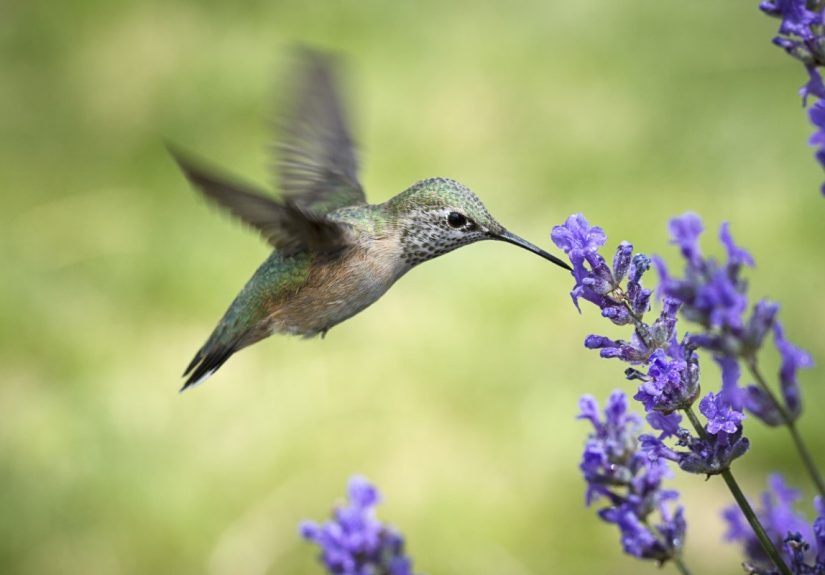
Hummingbirds are drawn to flowers that are rich in nectar and easy for them to access. Long, tubular blooms are especially effective because they match the shape of a hummingbird’s bill and tongue. Red and orange flowers often catch their attention quickly, but color is not the only thing that matters. A flower with abundant nectar will usually win over a flashy bloom that offers very little food. That is why some popular ornamentals look like hummingbird bait but turn out to be more like false advertising.
Good plant options vary by region, but reliable favorites often include bee balm, cardinal flower, coral honeysuckle, penstemon, columbine, salvia, and trumpet-shaped native vines or perennials. The smartest approach is to choose a mix that blooms in succession from spring through fall. Early-season blooms help migrants refuel when they first arrive. Summer flowers keep local birds fed during nesting season. Late blooms provide energy when birds are bulking up for migration.
Think of your yard as a relay race of nectar. When one plant finishes blooming, another should be ready to take over. That continuous supply matters more than having one glorious week when everything flowers at once and then the buffet closes.
2. Use Feeders as a Supplement, Not the Whole Strategy
A feeder can absolutely help attract hummingbirds, especially during migration or when flowers are not yet blooming. But the best hummingbird feeder strategy works alongside plants, not instead of them. A feeder gives birds a dependable energy source, while flowers provide a more natural diet and help support the insects hummingbirds hunt.
How to make hummingbird nectar the right way
Homemade nectar is simple: mix one part plain white sugar with four parts water. That is it. No honey, no artificial sweetener, no brown sugar, no raw sugar, and definitely no red dye. Hummingbirds do not need red dye in the nectar. The red parts on many feeders are enough to catch their attention, and the nectar itself should stay clear.
Commercial hummingbird mixes can sound convenient, but plain white sugar and water are the standard for a reason. They closely match what hummingbirds can use for quick energy, and they keep the recipe easy to control. If you make extra nectar, store it in the refrigerator for a short time and discard it if it looks cloudy or questionable. If your nectar resembles science fair slime, it has overstayed its welcome.
Where should you hang a hummingbird feeder?
Place feeders in partial shade or bright shade when possible. This helps slow fermentation in warm weather. A feeder should also be near shrubs or small trees so birds have nearby cover, but not so buried in foliage that predators can ambush them. Hummingbirds like a quick escape route and a clear line of sight.
If you have space, hang more than one feeder and keep them out of direct view of one another. Hummingbirds can be astonishingly territorial for creatures that weigh about as much as a few paper clips. Multiple feeders reduce bullying and give shy birds a better chance to feed.
3. Keep Feeders Clean Enough to Make a Germ Nervous
This is the step many people underestimate. A dirty hummingbird feeder is not just unattractive; it can make birds sick. Sugar water spoils quickly, especially in hot weather, and mold can develop faster than most people expect.
In warm conditions, clean and refill feeders every two to three days, and even sooner during extreme heat. In milder weather, you may stretch that slightly, but the rule is simple: if the nectar is cloudy, sticky, or suspicious, replace it immediately. Hummingbirds are tiny, and tiny animals do not have much room for bad food choices.
The right way to clean a hummingbird feeder
Choose feeders that come apart easily. That makes regular scrubbing much less annoying, which means you are more likely to actually do it. Use hot water and a bottle brush, or a vinegar-based cleaning approach if needed, then rinse thoroughly. Pay special attention to feeding ports, where mold and residue like to hide.
Also, avoid letting nectar drip down the outside of the feeder. Sticky residue attracts ants, bees, and wasps, which can turn a peaceful feeding station into a chaotic traffic jam. Some bee activity is normal, but a feeder coated in sugar on the outside is basically a public invitation to every insect in the zip code.
In short, the cleaner the feeder, the safer the birds and the easier your life becomes. Hummingbird care is not hard, but it does reward people who are not lazy with a bottle brush.
4. Support Insects and Skip Broad-Spectrum Pesticides
Here is the fact that surprises a lot of people: hummingbirds do not live on nectar alone. They also eat tiny insects and spiders, which provide protein, fats, and nutrients that sugar water cannot. Adults eat them, and females rely heavily on them while feeding young. If your yard has nectar but almost no insect life, it is serving snacks when birds really need dinner.
This is one reason native plants are so effective. They support a wider web of life, including the small insects hummingbirds catch in the air or pick from leaves and flowers. A more natural yard does not just look better ecologically; it functions better. A few aphids, gnats, spiders, and other tiny creatures are not necessarily a sign of failure. Sometimes they are part of the food chain you are trying to support.
Why pesticides can backfire
Broad-spectrum insecticides reduce the very insect populations hummingbirds depend on. They can also disrupt the overall biodiversity of the yard. That does not mean you must surrender your garden to total chaos, but it does mean you should be strategic. Spot-treat genuine problems instead of spraying everything in sight. Focus on plant health, soil health, and habitat balance before reaching for chemicals.
A slightly imperfect garden is often a far better hummingbird garden than a chemically polished one. If every leaf in your yard looks airbrushed, you may have accidentally removed part of the menu.
5. Add Water, Perches, and Protective Cover
Food gets hummingbirds to visit, but comfort gets them to stay. A truly hummingbird-friendly yard offers more than nectar. It gives them places to bathe, rest, hide from predators, and watch the world like tiny feathery landlords.
Do hummingbirds use birdbaths?
Yes, but not in the same way bigger birds do. Hummingbirds prefer very shallow water, gentle bubbling features, fine mist, or wet leaves where they can bathe lightly. A deep, still birdbath is usually not their favorite spa. A mister, dripper, or fountain with a soft spray is often more attractive. They may dart through the mist, perch nearby, and return repeatedly.
Water features are especially helpful in hot, dry weather. Even if hummingbirds get much of their hydration from nectar, they still use shallow water for bathing and cooling off.
Why perches and shrubs matter
Hummingbirds spend a lot of time perched when they are not feeding. Thin branches, small twigs, and open spots near flowers or feeders give them places to rest and scan for insects. Shrubs and small trees also provide cover from wind, rain, and predators. Evergreens can be especially useful as shelter.
If your yard has flowers and feeders but no protective structure, hummingbirds may still visit, but they may not linger. Add layers to the landscape: low plants, flowering perennials, shrubs, and a few small trees. That layered habitat makes the space feel safer and more useful.
6. Time Your Yard for Migration and Reduce Backyard Hazards
Hummingbird season is not just summer. In many parts of the United States, the most important feeding windows are during spring arrival and fall migration. Put feeders out before the first migrants are expected in your area, and keep them up as long as birds are still around. Leaving feeders up does not stop normal migration. Instead, it can help traveling birds refuel.
This is especially important in late summer and fall, when natural nectar sources may decline and migrating birds are trying to build energy reserves. A dependable feeder and late-blooming flowers can turn your yard into a valuable stopover.
Other hazards to avoid
Cats are a serious risk to hummingbirds, especially around feeders and low plantings. Keep cats indoors or far from feeding areas. Window strikes can also be a problem if feeders are placed near reflective glass without bird-safe measures. If you hang a feeder near a window, use decals, screens, or other treatments that make the glass visible to birds.
Also be careful when trimming shrubs and hedges during nesting season. Hummingbird nests are tiny, beautifully camouflaged, and easy to miss. A yard that attracts hummingbirds may eventually host them, which is the whole dream. Do not wreck the dream with hedge clippers.
Common Mistakes That Keep Hummingbirds Away
Even well-meaning gardeners make a few classic mistakes. The big ones include relying only on feeders, using dyed nectar, planting flowers that look pretty but produce little nectar, letting feeders get grimy, and overusing pesticides. Another common issue is choosing plants with one short bloom period instead of creating a season-long sequence.
The fix is usually straightforward: plant smarter, clean more often, support insects, and think about the yard as habitat rather than decoration. Once you shift from “How do I lure a hummingbird?” to “How do I support a hummingbird?” the results usually improve fast.
Conclusion
Attracting hummingbirds to your yard is not about one magic flower or one fancy feeder. It is about building a yard that works for them in real life. Start with native, nectar-rich plants. Add clean feeders with properly mixed nectar. Keep those feeders fresh. Support insects instead of wiping them out. Provide shallow water, safe perches, and nearby cover. Then time everything around migration so your yard is ready when birds need it most.
Do those six things well, and your yard becomes more than a place where a hummingbird occasionally passes through. It becomes a dependable feeding station, a shelter, a rest stop, and maybe even part of a nesting territory. That is when the magic happens: not one random flyby, but repeat visits from tiny, glittering birds that start to make your yard feel alive in a whole new way.
Real-World Experiences: What Happens When You Actually Try These Tips
In real yards, the change usually does not happen all at once. It often starts with one curious bird. A homeowner hangs a feeder, plants a patch of bee balm or salvia, and then waits. For a while, nothing happens except a few bees checking the neighborhood and one squirrel acting like it owns the place. Then one morning, a hummingbird appears, hovers for three seconds, and vanishes. That first visit is often the turning point because once people know hummingbirds are around, they pay closer attention and improve the habitat.
A common experience is that flowers outperform feeders over time. Many gardeners notice that a feeder may attract an early visitor, but once native blooms open, hummingbirds begin working the garden on a regular circuit. They visit the cardinal flower, zip over to coral honeysuckle, pause on a twig, chase off a rival, then return to the feeder only occasionally. The yard starts to feel less like a place with a bird accessory and more like an active living habitat.
Another pattern people report is that cleanliness changes everything. A feeder that was ignored for too long may get very little activity, while a freshly cleaned feeder with new nectar suddenly becomes popular again. It is not glamorous, but maintenance matters. Many backyard bird lovers learn this the hard way after wondering why “the hummingbirds disappeared,” only to realize the nectar had turned questionable enough to deserve its own warning label.
Gardeners in hot climates often discover that placement matters just as much as the recipe. A feeder in full sun may spoil quickly and get less use, while one moved to a shaded area near shrubs becomes far more active. Likewise, adding a second feeder out of sight from the first can reduce territorial fights. Instead of one feisty bird guarding the whole buffet, multiple birds may finally get a chance to feed. It is less backyard duel, more organized brunch.
Water features also create surprisingly visible results. People who add a mister or a very shallow dripper often notice hummingbirds returning not just to drink, but to bathe. Some will fly through a fine spray repeatedly, perch nearby, then go back for another pass. It is one of those small upgrades that can make the yard feel instantly more dynamic. A simple fountain or mister can do more than a much more expensive decorative feature that looks great to humans and means nothing to birds.
One of the most meaningful experiences comes when a yard begins to support more than feeding. Homeowners sometimes spot a female collecting spider silk, resting on thin twigs, or repeatedly visiting the same sheltered corner. That is when the garden starts to function as true habitat. Even without finding a nest, repeated behavior like that suggests the birds are doing more than passing through. They are evaluating the space as useful, safe, and reliable.
Perhaps the biggest real-world lesson is that hummingbird success comes from consistency, not perfection. You do not need an enormous property, a designer landscape, or a gadget collection that looks like a bird-themed home improvement aisle exploded. A few well-chosen native plants, a clean feeder, a little water, and a safer yard can go a very long way. The reward is not just seeing one beautiful bird. It is watching your outdoor space become a place where life shows up, settles in, and returns.