Table of Contents >> Show >> Hide
- Why Cat Comics Feel So Personal
- The Main Character: A Cat With Attitude
- The Human Side: Suzy, the “Hooman,” and the Art of Surrender
- Why 40 Comics Is the Perfect Format
- Common Cat Moments That Make Perfect Comics
- The Secret Ingredient: Accurate Cat Behavior
- How Fantasy Makes Cat Comics Even Better
- Why Readers Love Relatable Cat Comics
- What Artists Can Learn From Cat Life
- Why Imperfect Art Can Feel More Alive
- The Emotional Core Behind the Fur and Punchlines
- Experience Section: What It Feels Like to Document Life With a Cat
- Conclusion: A Funny, Furry Diary Worth Keeping
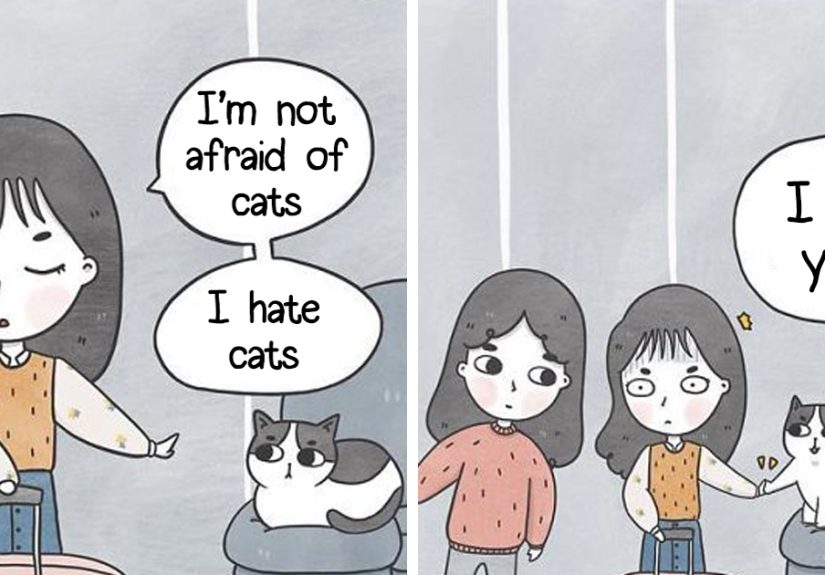
Living with a cat is not a lifestyle. It is a subscription service you never remember signing up for, billed daily in fur, tiny judgmental stares, and the occasional mystery crash from another room. That is exactly why cat comics work so well: they take the tiny chaos of everyday pet ownership and turn it into something instantly recognizable. In “I Document My Life With A Cat In These 40 Comics,” the ordinary becomes hilarious, the annoying becomes adorable, and the cat, naturally, becomes the main character of the household.
The charm of this kind of webcomic is simple but powerful. A cat does not need to fly a spaceship, solve a murder, or become mayoralthough, frankly, many cats already believe they hold public office. The humor comes from the small domestic negotiations between a human and a feline roommate: who owns the bed, who controls the keyboard, why breakfast must be served immediately, and how one cardboard box can outrank every expensive toy in the home.
Inspired by real slice-of-life cat comics, including stories about a sassy cat named Mickey and his human companion Suzy, this article explores why documenting life with a cat in comic form feels so relatable, why cat behavior is comedy gold, and how 40 simple panels can say more about love, patience, and companionship than a thousand polished pet portraits ever could.
Why Cat Comics Feel So Personal
Cat comics hit differently because they are not really just about cats. They are about the relationship between two creatures who technically live in the same home but follow very different operating systems. Humans like plans. Cats like sitting directly on the plan. Humans buy pet beds. Cats choose laundry baskets. Humans say, “I need to work.” Cats hear, “Please place your entire body across my laptop.”
That mismatch is where the comedy lives. A good cat comic does not need a complicated punchline. Sometimes the entire joke is a cat making eye contact while pushing a glass off the table. Sometimes it is the human whispering, “Please don’t wake me up at 5 a.m.,” followed by a paw entering the frame like a tiny furry alarm clock with no snooze button.
Autobiographical webcomics have always thrived on intimate details. Readers enjoy seeing everyday routines transformed into visual jokes because it makes their own lives feel less weird. When the subject is a cat, that effect doubles. Cat owners do not read these comics and think, “How strange.” They think, “My cat has also committed this crime.”
The Main Character: A Cat With Attitude
Every great cat comic needs a feline personality strong enough to carry the panels. In stories like these, the cat is not just a pet. The cat is a roommate, critic, snack inspector, emotional support gremlin, and tiny monarch wrapped in fur. Mickey, the cat at the heart of the original comic inspiration, has the classic traits that make feline characters irresistible: confidence, mischief, affection, and a talent for delivering tough love at the worst possible time.
This kind of cat character works because it reflects real feline behavior. Cats are independent, observant, playful, territorial, curious, and often surprisingly social on their own terms. A cat may ignore you for an hour, then climb onto your chest exactly when you need to breathe. A cat may pretend not to care, then follow you from room to room like a security guard with whiskers.
In comic form, those contradictions become pure entertainment. One panel might show the cat acting like a wise philosopher. The next shows him licking a plastic bag with the dedication of a food critic. That combination of elegance and nonsense is the core of cat humor.
The Human Side: Suzy, the “Hooman,” and the Art of Surrender
The human in a cat comic is just as important as the cat. Suzy, the human companion in the original series, represents something many cat owners understand deeply: the gradual acceptance that your home is no longer fully yours. The couch has cat zones. The windowsill has diplomatic importance. The bed is shared, but not equally. Your schedule may say “work meeting,” but the cat may announce “lap time.”
What makes the human character funny is not stupidity or helplessness. It is love. She knows the cat is unreasonable. She knows the cat is dramatic. She knows the cat may reject a gourmet meal and then try to eat tape. But she also knows that life is warmer, funnier, and more magical with him around.
That is why the best cat comics are never mean. They may poke fun at feline chaos, but underneath every joke is affection. The human may sigh, trip over toys, lose sleep, or discover paw prints in places paw prints should not exist, but the emotional center remains clear: this little animal matters.
Why 40 Comics Is the Perfect Format
A collection of 40 cat comics gives readers enough variety to feel like they are stepping into a complete world. One comic can capture a single joke, but 40 comics can build a relationship. You begin to recognize patterns: the cat’s dramatic reactions, the human’s exhausted patience, the recurring household disasters, and the quiet moments when everything softens.
The number also works well for online reading. Readers can scroll casually, laugh quickly, pause on a favorite panel, and share the comic that most resembles their own cat. A cat comic about keyboard blocking may speak to remote workers. A comic about 3 a.m. zoomies may speak to anyone who has ever wondered whether their living room is haunted by a small, fast horse. A comic about an empty box may speak to every person who bought a luxury cat tree only to watch the cat worship the packaging.
Common Cat Moments That Make Perfect Comics
The Breakfast Emergency
Few creatures understand urgency like a cat whose bowl is technically not empty but emotionally empty. The breakfast comic almost writes itself: the human sleeps peacefully, the clock reads an offensive hour, and the cat appears with the solemn determination of a tiny landlord collecting rent.
The Keyboard Takeover
Cats love keyboards because keyboards are warm, important, and located exactly where attention is being directed. In a comic, this becomes a classic power struggle. The human tries to type. The cat sits. The document now contains “jjjjjjjjjjjjjjjjjj,” which the cat considers a strong editorial contribution.
The Box Kingdom
No cat comic collection is complete without a box. Boxes provide security, entertainment, ambush potential, and a chance for the cat to prove that money spent on actual toys was adorable but unnecessary. A simple panel of a cat choosing a box over a deluxe bed says everything.
The Slow Blink of Peace
Not every comic needs chaos. One of the sweetest cat moments is the slow blinka relaxed, trusting expression many cat lovers interpret as affection. In comics, it becomes a quiet pause between jokes, a reminder that the relationship is not only silly but deeply tender.
The Zoomies
The zoomies are hard to explain to non-cat people. One moment the cat is asleep. The next, the cat has become a furry lightning bolt ricocheting through the apartment as if late for an invisible appointment. Comics can exaggerate this beautifully, turning a hallway sprint into an epic action sequence.
The Secret Ingredient: Accurate Cat Behavior
The funniest cat comics often feel true because they are built on real behavior. Cats scratch to stretch, condition their claws, and mark territory. They seek elevated spaces because height helps them feel secure. They need play that satisfies their hunting instincts. They may knead blankets, humans, or pillows when relaxed, comforted, or self-soothing. They communicate through tails, ears, eyes, posture, sound, and timingespecially the timing of sitting on your clean black shirt.
When an artist understands these behaviors, the comics become more than random jokes. They become tiny observations. A cat knocking something down is not merely “bad.” It may be curiosity, play, attention-seeking, or the eternal feline need to test gravity. A cat hiding in a box may not be antisocial; he may be choosing a safe retreat. A cat scratching furniture may not be plotting revenge; he may simply need a better scratching surface placed in a better location.
This accuracy matters because readers recognize it. The more specific the behavior, the funnier the comic becomes. “My cat is weird” is amusing. “My cat refuses the water bowl but drinks from the bathroom faucet like a Victorian ghost” is memorable.
How Fantasy Makes Cat Comics Even Better
One of the delightful twists in the “Mickey and hooman” style of comic is the blend of everyday life with magical worlds. That creative choice works beautifully because cats already behave like fantasy creatures. They appear silently in doorways. They stare at empty corners. They fit into impossible spaces. They vanish for hours inside a one-bedroom apartment and return as if from a quest.
Adding fantasy does not make the comics less relatable. It makes them more emotionally accurate. To a cat owner, a normal day can feel like a heroic journey: surviving the morning meows, locating the missing toy mouse, negotiating couch territory, and discovering that the cat has once again opened a portal under the bed where socks go to disappear.
Fantasy also gives the artist room to show how large a small bond can feel. A cat and a human in a kitchen is cute. A cat and a human facing a magical storm together is still cutebut now the emotion is bigger, brighter, and easier to feel.
Why Readers Love Relatable Cat Comics
Relatable cat comics succeed because they give people a shared language for pet ownership. Not every cat owner can explain why they apologize to their cat for moving them slightly. Not everyone can describe the guilt of shutting a bathroom door while a paw appears underneath like a tiny courtroom objection. But a comic can show it in three panels, and suddenly thousands of readers say, “Yes. Exactly.”
These comics also offer emotional comfort. The internet can be loud, stressful, and full of arguments that make you want to live under a blanket. Cat comics are small islands of harmless joy. They remind readers of home, softness, absurdity, and the strange privilege of being loved by an animal who may also bite your ankle for reasons known only to the moon.
What Artists Can Learn From Cat Life
Documenting life with a cat is a great exercise for any cartoonist because cats force observation. You cannot invent better material than what a cat does naturally. The trick is noticing the moment, simplifying it, and finding the emotional turn. Did the cat ruin your laundry? That is a joke. Did the cat fall asleep in the laundry afterward, making it impossible to stay mad? That is a story.
For artists, the lesson is clear: start small. Draw the breakfast routine. Draw the stare from across the room. Draw the dramatic flop onto the floor. Draw the cat ignoring the toy and loving the receipt. Over time, those little scenes become a record of companionship.
The original creator’s backgroundreturning to drawing after feeling discouraged, experimenting through an art challenge, and letting the work be cute instead of perfectis also encouraging. Many artists wait for confidence before beginning. Comics like these prove that confidence often arrives after the first imperfect panel, not before it.
Why Imperfect Art Can Feel More Alive
Polished art is impressive, but personal comics do not need to look like museum pieces. In fact, a slightly loose, expressive style can make slice-of-life comics feel more honest. A wobbly line can show exhaustion. A tiny dot eye can deliver judgment. A dramatic cat silhouette can turn a normal hallway into a stage.
Readers usually return for personality more than perfection. They want to feel the rhythm of the home. They want to know the cat’s habits. They want to see how the artist interprets small events. A clean joke, a warm character, and a recognizable truth will travel farther than a flawless drawing with no heart.
The Emotional Core Behind the Fur and Punchlines
Under the humor, cat comics often carry a quiet message about companionship. A cat changes the atmosphere of a home. The silence becomes shared. The routines become rituals. The couch becomes a meeting place. Even the annoying moments become part of the bond.
That is why documenting life with a cat feels meaningful. You are not simply recording jokes. You are saving little pieces of time: the morning stretch, the head bump, the suspicious sniff, the first nap after a hard day, the way your cat sits beside you when you are sad but pretends it was his idea all along.
Forty comics may look like a funny collection on the surface, but together they become a love letter. Not a dramatic one with violins and sunset speeches. More like a love letter written in paw prints, hair on the sofa, and one very judgmental meow.
Experience Section: What It Feels Like to Document Life With a Cat
Documenting life with a cat begins with the innocent belief that you are simply going to draw a few cute moments. Then the cat begins providing material faster than you can sketch. You notice that every day has a tiny plot. Morning starts with the food debate. The cat insists he has never been fed, even though the evidence suggests otherwise. You walk toward the kitchen and he leads the parade, tail high, as if guiding a rescue team to a very serious emergency.
Later, you sit down to work, and the cat arrives with the confidence of a manager checking productivity. He steps across the keyboard, opens three menus, closes one document, and somehow activates a shortcut you have never seen before. You gently move him. He returns. You move him again. He places one paw on your hand, not aggressively, but with the calm authority of someone saying, “Your project is now our project.” That is a comic.
In the afternoon, he discovers a sunbeam and melts into it like butter with whiskers. Nothing dramatic happens. There is no punchline, no disaster, no chase scene. But the image stays with you because it shows the peaceful side of sharing space with a cat. A good comic can be quiet. It can simply say: here is a small creature trusting the room enough to sleep.
Then evening comes, and the mood changes. The cat becomes a detective. He inspects the grocery bags, interrogates the shoes, and conducts a full investigation into the empty box by sitting in it for twenty minutes. If you draw the scene honestly, the box becomes a castle, the cat becomes royalty, and the human becomes the confused servant who thought the expensive cat tunnel would be the exciting part.
The longer you document these moments, the more you understand that the cat is not just “doing funny things.” He is communicating. The tail flick, the slow blink, the ears turned slightly back, the sudden flop in the hallwayeach one is part of a private language. Drawing helps you listen. You start noticing when he wants play, when he wants distance, when he wants comfort, and when he wants to sprint across the room for absolutely no reason that science can responsibly confirm.
The best experience, though, is looking back at the comics after weeks or months. What seemed like random jokes becomes a diary of a relationship. You see the day he stole your chair, the night he slept near your feet, the morning he screamed at a closed door, and the afternoon he made you laugh when you badly needed it. The comics become proof that love does not always arrive in grand gestures. Sometimes it arrives as a cat sitting on your clean laundry, blinking slowly, and daring you to be mad.
Conclusion: A Funny, Furry Diary Worth Keeping
“I Document My Life With A Cat In These 40 Comics” captures why cat stories never seem to get old. Cats are naturally funny, but the real magic comes from the bond behind the jokes. A cat comic is not just about scratched couches, stolen chairs, and dramatic meows. It is about learning to share your life with a creature who is independent, affectionate, mysterious, ridiculous, and somehow always in the exact place you were about to sit.
Whether the comic shows a magical adventure or a very serious battle over breakfast, the appeal is the same: readers see their own cats, their own routines, and their own soft-hearted surrender. These 40 comics remind us that ordinary pet life is full of stories. You only need to look closely, laugh kindly, and keep a pen nearbypreferably somewhere the cat cannot push it off the desk.
Note: This article is fully rewritten in original wording and based on real information about cat behavior, feline enrichment, pet ownership, and slice-of-life webcomic storytelling. It contains no source links, no unnecessary reference tags, and no copied comic captions.