Table of Contents >> Show >> Hide
- What Makes a Mudroom Work?
- 40 Mudroom Ideas for Spaces Small and Large
- 1. Add a built-in bench with shoe cubbies underneath
- 2. Use hooks instead of a bulky coat rack
- 3. Choose porcelain tile that looks like stone
- 4. Try luxury vinyl plank for a softer look
- 5. Create a locker for every family member
- 6. Mix open and closed storage
- 7. Install upper cabinets to use wall height
- 8. Add a narrow bench in a tight hallway
- 9. Use shallow cabinetry to avoid crowding the room
- 10. Bring in baskets for hats, gloves, and pet gear
- 11. Label bins so people actually use them
- 12. Add a mirror to visually expand a small mudroom
- 13. Use a washable runner or indoor-outdoor rug
- 14. Install beadboard or wall paneling
- 15. Paint the mudroom a dirt-friendly color
- 16. Turn an under-stairs nook into a mini mudroom
- 17. Build a drop zone beside the garage door
- 18. Add a shelf above hooks for overflow storage
- 19. Use drawers for hidden shoe storage
- 20. Include a charging station inside a cabinet
- 21. Add a tray or ledge for keys and mail
- 22. Use a hall tree for a renter-friendly solution
- 23. Make room for umbrellas
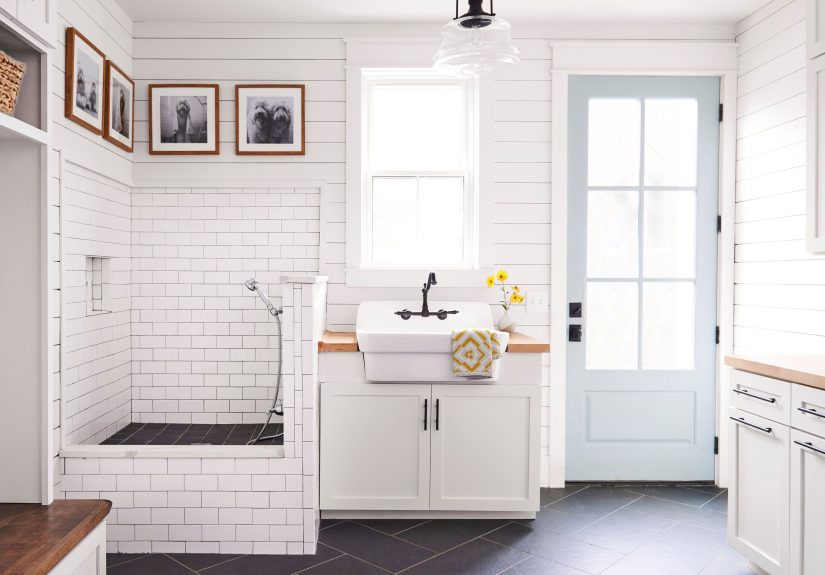
- 24. Add a pet station
- 25. Create a laundry room and mudroom combo
- 26. Include a drying rack or hanging bar
- 27. Add a boot tray for wet shoes
- 28. Use wallpaper sparingly for personality
- 29. Install better lighting
- 30. Try a black-and-white tile pattern
- 31. Add a message board or chalkboard
- 32. Keep decor minimal but intentional
- 33. Use bench dimensions that are actually comfortable
- 34. Make a tiny corner feel custom with trim and paint
- 35. Add a cabinet just for cleaning supplies
- 36. Use toe-kick drawers for hidden storage
- 37. Install a half-door or divider in open layouts
- 38. Give sports gear its own zone
- 39. Add a statement finish to the hardware
- 40. Design the mudroom around your real routine
- How to Choose the Right Mudroom Setup for Your Space
- Why Mudroom Design Matters More Than People Think
- Experiences and Lessons From Real Mudroom Living
- Conclusion
A good mudroom is the unsung hero of the home. It catches the muddy boots, the rogue backpacks, the dog leash, the Amazon box you forgot to break down, and the emotional fallout of Monday morning. Whether you have a full-blown room with custom cabinetry or a tiny strip of wall by the back door, the right mudroom ideas can make daily life smoother, cleaner, and far less chaotic.
The best mudrooms combine a few practical essentials: durable flooring, smart storage, a place to sit, hooks for grab-and-go gear, and enough personality that the space feels intentional instead of accidental. Small mudrooms need vertical thinking and multitasking furniture. Large mudrooms benefit from zones, hidden storage, and a layout that keeps traffic moving. In both cases, the goal is the same: make it easy to come in, drop off the mess, and move on with your life.
If your entryway currently looks like a coat closet and a sporting-goods store had an argument, these mudroom design ideas will help. Here are 40 stylish and functional ways to create a mudroom that works for real life.
What Makes a Mudroom Work?
Before diving into the ideas, it helps to know what separates a pretty mudroom from one that actually earns its square footage. A high-performing mudroom usually includes easy-clean materials, a mix of open and closed storage, room for wet shoes and coats, and a layout that keeps clutter from spreading into the rest of the house. In small spaces, shallow cabinets, slim benches, mirrors, and wall hooks can do the heavy lifting. In larger spaces, you can add lockers, laundry functions, pet stations, and dedicated family zones.
Now for the fun part.
40 Mudroom Ideas for Spaces Small and Large
1. Add a built-in bench with shoe cubbies underneath
A bench is the mudroom MVP. It gives you a place to sit while taking off boots and creates a natural home for shoes below. Open cubbies keep everyday pairs visible and easy to grab.
2. Use hooks instead of a bulky coat rack
Wall hooks take advantage of vertical space and work especially well in a small mudroom. They keep coats, bags, and hats off the floor without stealing precious inches.
3. Choose porcelain tile that looks like stone
If your mudroom sees wet boots, pet paws, and daily traffic, durable flooring matters. Porcelain tile gives you the look of slate or natural stone with easier upkeep and impressive toughness.
4. Try luxury vinyl plank for a softer look
Want something warm-looking and practical? Luxury vinyl plank can handle moisture better than many wood-look alternatives and brings a more relaxed, less echoey feel to the room.
5. Create a locker for every family member
Nothing says “we have our lives together” like individual storage zones. Assign each person a hook, shelf, basket, or cabinet so backpacks and jackets stop roaming the house like tiny freeloaders.
6. Mix open and closed storage
Open storage is great for daily grab-and-go items, while closed cabinets hide visual clutter. Together, they create a mudroom that feels tidy without becoming fussy.
7. Install upper cabinets to use wall height
When floor space is tight, go up. Upper cabinets are ideal for seasonal gear, holiday accessories, and the random items you need but not every single Tuesday.
8. Add a narrow bench in a tight hallway
You do not need a huge footprint to create a mudroom. A slim bench, a few hooks, and a tray for wet shoes can turn an awkward hall into a hardworking drop zone.
9. Use shallow cabinetry to avoid crowding the room
In narrow spaces, deep cabinets can make the room feel like a human traffic jam. Shallow storage keeps essentials accessible without creating dark, unusable back corners.
10. Bring in baskets for hats, gloves, and pet gear
Baskets are one of the easiest mudroom storage ideas because they are flexible, attractive, and forgiving. They also hide the fact that not everything inside is folded with magazine-level grace.
11. Label bins so people actually use them
It sounds simple because it is. Labels help kids, guests, and distracted adults know where things go, which means the room has a fighting chance of staying organized.
12. Add a mirror to visually expand a small mudroom
A mirror makes a tight space feel brighter and larger while giving everyone one last glance before heading out. It is equal parts practical and sneaky design trick.
13. Use a washable runner or indoor-outdoor rug
A rug softens hard flooring and catches dirt at the door, but it needs to be the right kind. Choose something washable or made for heavy wear so it survives real life.
14. Install beadboard or wall paneling
Paneling protects walls from scuffs and adds character. It also makes a plain entry feel thoughtfully designed, even if the budget is saying, “Let’s stay humble.”
15. Paint the mudroom a dirt-friendly color
White can be lovely, but mid-tone greens, blues, charcoals, and warm neutrals tend to hide grime better. In a hardworking room, a forgiving color is not cheating. It is wisdom.
16. Turn an under-stairs nook into a mini mudroom
The space under the stairs is often wasted or used to store things nobody has touched since 2019. Add hooks, shelving, and a bench to transform it into a compact entry station.
17. Build a drop zone beside the garage door
For many households, the garage entry is the true front door. If that is where everyone enters, that is where your best mudroom setup should live.
18. Add a shelf above hooks for overflow storage
A simple upper shelf gives you room for baskets, helmets, seasonal accessories, or extra tote bags. It is a small addition with big organizational payoff.
19. Use drawers for hidden shoe storage
Open cubbies are convenient, but drawers create a cleaner look and keep the visual noise down. This is especially useful in a mudroom that opens directly into the kitchen or living area.
20. Include a charging station inside a cabinet
If your mudroom doubles as command central, hide phone chargers and small electronics inside a cabinet or drawer. It keeps cords contained and counters uncluttered.
21. Add a tray or ledge for keys and mail
Every mudroom needs a catchall spot, but keep it contained. A small tray, shelf, or drawer prevents keys and envelopes from spreading like they pay rent.
22. Use a hall tree for a renter-friendly solution
No built-ins? No problem. A hall tree gives you hooks, seating, and storage in one compact piece, making it one of the best mudroom ideas for apartments and rentals.
23. Make room for umbrellas
An umbrella stand or dedicated bin seems minor until the first rainy week turns your corner into a drip zone. Give wet umbrellas a proper home and save your floors.
24. Add a pet station
If your dog enters the house like a tiny muddy celebrity, build around that reality. A pet drawer, leash hook, towel basket, or feeding nook can make the mudroom far more functional.
25. Create a laundry room and mudroom combo
Combining these two utility spaces makes a lot of sense. You already have water, mess, and household traffic in one zone, so the overlap feels efficient rather than accidental.
26. Include a drying rack or hanging bar
For wet coats, rain gear, or snow pants, a drying area is a game-changer. A simple rod or wall-mounted rack helps the room work harder on messy days.
27. Add a boot tray for wet shoes
This is one of the simplest mudroom organization ideas, and it works beautifully. A boot tray catches water, mud, and salt before they spread across the floor.
28. Use wallpaper sparingly for personality
A bold wallpaper can turn a utilitarian mudroom into a charming design moment. Just choose a durable finish or place it where it will not battle direct splashes and abuse.
29. Install better lighting
Many mudrooms are dim by default. A good flush mount, pendant, or sconce can make the room feel more welcoming and make it easier to spot the missing soccer cleat before school.
30. Try a black-and-white tile pattern
If you want a classic mudroom look, patterned tile brings charm and energy without relying on extra decor. It is practical, timeless, and impossible to ignore in the best way.
31. Add a message board or chalkboard
This is perfect for busy families who need reminders, schedules, and grocery notes in plain sight. It also gives the room a lived-in, cheerful feeling.
32. Keep decor minimal but intentional
A mudroom should not feel overstyled. A mirror, a plant, one piece of art, and attractive hardware usually do more than a parade of little objects collecting dust.
33. Use bench dimensions that are actually comfortable
When planning custom seating, comfort matters. A bench around standard chair height with enough depth to sit without perching awkwardly will get used far more often.
34. Make a tiny corner feel custom with trim and paint
Even a basic wall of hooks looks elevated when framed by trim, paneling, or color blocking. This is a smart way to fake a built-in look on a smaller budget.
35. Add a cabinet just for cleaning supplies
If muddy shoes enter here, cleanup tools should live here too. A nearby cabinet for wipes, stain spray, paper towels, and pet-cleaning supplies makes the room more practical.
36. Use toe-kick drawers for hidden storage
In custom mudrooms, the space under lower cabinets or benches can hold flat drawers for seasonal accessories, reusable bags, or backup dog leashes. Tiny detail, big smug satisfaction.
37. Install a half-door or divider in open layouts
If your mudroom bleeds into another room, a visual divider helps define the zone. A slatted partition, partial wall, or even strategic cabinetry can make the entry feel more contained.
38. Give sports gear its own zone
Helmets, cleats, shin guards, and mystery balls multiply fast. Use baskets, tall cubbies, or wall racks to keep activity gear from taking over the whole room.
39. Add a statement finish to the hardware
When the room is mostly practical, the hardware can carry some style. Aged brass, matte black, or warm nickel hooks and pulls instantly make the mudroom feel more polished.
40. Design the mudroom around your real routine
The smartest mudroom idea is not a color or cabinet style. It is honesty. If your family drops shoes by the door, put storage there. If the dog always comes in muddy, plan for it. If nobody folds anything, choose bins over open shelves. A mudroom that fits your habits will always outperform one that looks pretty but ignores reality.
How to Choose the Right Mudroom Setup for Your Space
For small mudrooms
Focus on vertical storage, a narrow bench, wall hooks, mirrors, and shallow cabinets. Look for double-duty pieces like hall trees or storage benches with drawers. Keep the color palette light or mid-tone to make the area feel open but forgiving.
For medium mudrooms
You have room to mix storage types. Combine closed cabinets with a bench, shoe storage, and a few decorative elements. This is also a great size for adding a laundry function or a family message center.
For large mudrooms
Think in zones. Create individual lockers, a pet area, a laundry section, and a landing spot for sports gear or seasonal items. Just do not overfill the room. Even a large mudroom should feel easy to move through.
Why Mudroom Design Matters More Than People Think
A mudroom is not just a place to stash stuff. It is a transition point between the outside world and home life. When it works, mornings are calmer, floors stay cleaner, clutter is easier to control, and daily routines require less mental energy. That may sound dramatic for a room full of shoes and tote bags, but anyone who has ever tripped over a backpack while carrying groceries knows the stakes are real.
The best mudroom ideas are not about perfection. They are about friction reduction. Fewer lost keys. Fewer wet footprints. Fewer coat mountains. More ease. More function. More moments where your home quietly helps instead of quietly judging.
Experiences and Lessons From Real Mudroom Living
One of the most interesting things about mudroom design is that people usually do not appreciate it until they have lived without it. A beautiful living room gets compliments. A functional kitchen gets attention. But a well-planned mudroom changes the rhythm of the day in ways that sneak up on you. Families often describe the same before-and-after experience: before the mudroom, the entry felt like a messy collision point; after the mudroom, the whole house felt calmer.
In small homes, even a modest setup can create a surprisingly big difference. A bench, a few strong hooks, and a washable rug can turn a cluttered doorway into a routine that makes sense. Shoes come off in one place. Bags get hung instead of dumped. Keys stop disappearing into jacket pockets or kitchen counters. The room does not have to be large to feel helpful. In fact, small mudroom ideas often work best when they are ruthlessly simple and tailored to actual habits.
In larger homes, people often learn the opposite lesson: more space does not automatically equal better organization. A big mudroom without zones can become a holding pen for everything from soccer balls to unopened mail. The most successful large mudrooms tend to assign purpose clearly. One locker per person. One shelf for each category. One basket for pet gear. The minute every item has a home, the room starts doing what it was meant to do.
Another common experience is realizing that durability matters more than theory. Pretty finishes that cannot handle water, grit, or constant traffic tend to lose their charm fast. Homeowners often become loyal to surfaces like porcelain tile, practical paint colors, easy-clean paneling, and storage that can take a little abuse without looking defeated. In a mudroom, beauty lasts longer when it is built on practicality.
There is also something deeply satisfying about a mudroom that reflects real family life instead of an imaginary catalog version of it. A dog station for the muddy retriever. Low hooks for small kids. A hidden charger drawer for the household of dying phones. A boot tray by the garage door because that is where everyone actually comes in. These choices may not sound glamorous, but they are the details people rave about after living with them for a while.
And perhaps the best part is emotional, not visual. Coming home to an organized landing zone feels different. It softens the entry into the house. It gives chaos somewhere to stop. It makes daily mess feel manageable. That is why mudroom ideas matter so much: not because they create a picture-perfect room, but because they create a more livable home.
Conclusion
The best mudroom ideas for spaces small and large all come down to the same formula: durable materials, smart storage, and a layout that matches the way you actually live. Whether you add a full wall of built-ins or just carve out a tidy drop zone with a bench and hooks, the right mudroom can make your home feel more organized, more welcoming, and a lot less chaotic. And frankly, any room that can handle wet boots, backpacks, dog leashes, and Monday morning panic deserves a little respect.