Table of Contents >> Show >> Hide
- What Are Varicose Veins, Exactly?
- Why Home Remedies Help, But Rarely Make Varicose Veins Disappear
- Tip 1: Wear Compression the Smart Way
- Tip 2: Walk More and Wake Up Your Calf Muscles
- Tip 3: Elevate Your Legs and Break Up Long Periods of Sitting or Standing
- Tip 4: Use Soothing Remedies Carefully and Build a Daily Relief Routine
- When Home Remedies Are Not Enough
- Medical Treatments That May Help
- Red Flags You Should Not Ignore
- Common Experiences People Have With Varicose Veins
- Final Thoughts
Varicose veins have a way of showing up uninvited, overstaying their welcome, and acting like they pay rent. One day your legs look normal, and the next day a ropey blue vein seems to be auditioning for a starring role. While varicose veins are often more annoying than dangerous, they can also bring aching, heaviness, itching, swelling, and the familiar end-of-day feeling that your legs have worked a double shift.
The good news is that there are practical, evidence-based ways to ease symptoms and slow things from getting worse. The not-so-fun truth is that no cream, tea, magic pillow, or miracle internet hack can erase damaged veins overnight. Real relief usually comes from a combination of daily habits, smart symptom control, and medical treatment when needed.
In this guide, we will break down 4 tips and remedies for varicose veins, explain what actually helps, and show when it is time to stop experimenting with home remedies and call a professional. Think of it as a calmer, smarter plan for happier legs.
What Are Varicose Veins, Exactly?
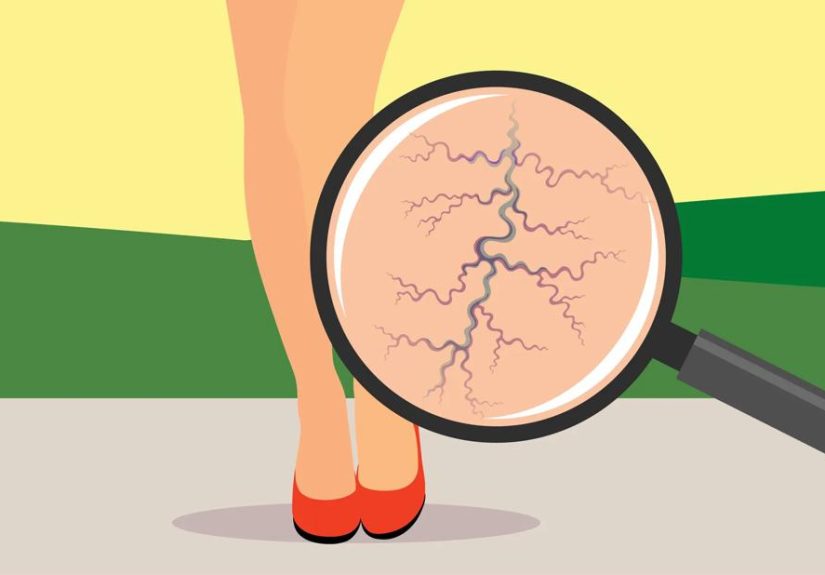
Varicose veins are enlarged, twisted veins that usually appear in the legs, ankles, or feet. They develop when the tiny one-way valves inside veins stop working as efficiently as they should. Instead of moving blood upward toward the heart, the blood can pool in the vein. Over time, that pressure stretches the vein wall and makes the vein more visible, swollen, and uncomfortable.
For some people, varicose veins are mostly a cosmetic issue. For others, they come with symptoms that are hard to ignore: aching legs, throbbing, burning, itching, nighttime cramps, swelling around the ankles, and a heavy or tired feeling after standing too long. In more advanced cases, untreated vein problems can contribute to skin discoloration, skin irritation, or even ulcers near the ankle.
Several factors raise your odds of developing them. Age matters. Pregnancy can matter. Family history definitely likes to join the party. So do excess weight, limited exercise, prior blood clots, and jobs that involve long stretches of sitting or standing. In other words, if your veins had a complaint box, “gravity” would be at the top of the list.
Why Home Remedies Help, But Rarely Make Varicose Veins Disappear
This is the part people usually want clarified in one sentence, so here it is: home remedies can relieve symptoms, but they usually do not eliminate the vein itself. That matters because many articles blur the line between “helps” and “fixes,” and your legs deserve better than marketing fluff.
Self-care works by improving circulation, reducing pressure in the legs, decreasing swelling, and supporting the calf muscles that help push blood upward. These strategies can absolutely make you feel better. They can also help slow progression. But if a vein is already stretched and its valves are damaged, home care cannot rewind anatomy like a movie scene.
That is why the best approach is often two-part: start with daily symptom relief and prevention, then consider medical treatment if your symptoms continue, your skin changes, or the veins keep worsening.
Tip 1: Wear Compression the Smart Way
Why compression stockings help
Compression stockings or compression socks are one of the most commonly recommended remedies for varicose veins. They apply gentle pressure to the lower legs, which helps support the veins and limits blood from pooling. For many people, that translates into less swelling, less aching, less throbbing, and less end-of-day misery.
Compression can be especially helpful if your symptoms get worse after long hours at a desk, on a sales floor, in a classroom, or basically anywhere you cannot put your feet up every five minutes without becoming office folklore.
How to use them well
Put them on earlier in the day, before swelling builds up. Choose a fit that is snug but not painfully tight. Knee-high versions work for many people, but the best style depends on where your veins and symptoms are located. If you are not sure what level of compression is appropriate, ask a healthcare professional instead of guessing based on the confidence of a product description online.
What to avoid
Do not assume all socks are created equal. Fashion compression and medical-grade compression are not always the same thing. Also, do not wear a pair that bunches, folds, or cuts into the skin. That is not support; that is an argument with your circulation.
Tip 2: Walk More and Wake Up Your Calf Muscles
The “second heart” in your legs
Your calf muscles help move blood back toward your heart. When you walk, flex your ankles, or do calf raises, you activate what many clinicians call the calf muscle pump. That movement can improve venous return and reduce the sluggish, heavy feeling that often tags along with varicose veins.
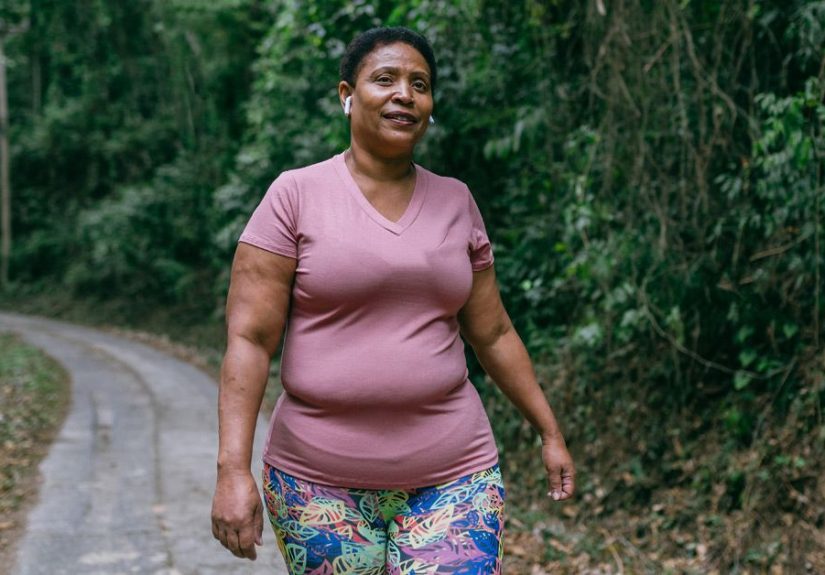
You do not need to become a marathoner. Walking is often enough to help. A brisk walk in the evening can feel especially good if your legs tend to feel swollen or achy after a long day. Even short movement breaks matter.
Simple routines that actually fit real life
Try ankle circles while sitting, heel raises while waiting for the microwave, short walking breaks every hour, and a daily walk after dinner. If you travel often or sit at a computer for long periods, flexing your feet and changing positions regularly can help prevent blood from lingering in the wrong place like an awkward party guest.
Weight and circulation
If you are carrying extra weight, gradual weight loss may reduce pressure on the leg veins. This does not mean chasing extreme diets or punishing workouts. It means steady, sustainable habits that support better circulation and reduce strain on the vascular system over time.
Tip 3: Elevate Your Legs and Break Up Long Periods of Sitting or Standing
Why elevation works
Leg elevation uses gravity in your favor for once. Raising your legs can help blood move back toward the heart and reduce pressure in the veins. Many people notice less throbbing and swelling after even a short period of elevation.
Ideally, you want your legs elevated above heart level when possible. Realistically, even a footstool, recliner, or pillow under the calves can provide some relief. It may not look glamorous, but your veins are not grading your aesthetics.
The danger of staying still too long
Long periods of standing or sitting can make varicose vein symptoms worse. That is because immobility gives blood more opportunity to pool in the legs. If your job requires you to stay in one position, create tiny movement rituals: shift weight, do calf raises, take quick walking laps, or stretch your ankles every 30 to 60 minutes.
Helpful daily tweaks
At home, avoid planting yourself in one position for hours. On long drives or flights, move regularly. At work, consider a small footrest or alternate between sitting and standing if you can. These are not dramatic remedies, but they are the kind that quietly add up.
Tip 4: Use Soothing Remedies Carefully and Build a Daily Relief Routine
Gentle symptom relief matters
Some supportive remedies can make varicose veins easier to live with, even if they do not cure them. Cool compresses may soothe discomfort. Fragrance-free moisturizer can help if the skin around the veins feels dry or itchy. Gentle movement after a long day can also reduce stiffness and swelling.
What about massage?
Massage may temporarily ease swelling and discomfort for some people, but it should be approached carefully. If you have a history of vein inflammation, clot concerns, unusual pain, or an area that is hot, red, or very tender, skip the DIY massage experiment and check with a clinician first. Varicose veins are not the place for bold improvisation.
Skip the miracle claims
Many products promise to “dissolve” varicose veins naturally. Be skeptical. A cream may make skin feel better. A massage may feel relaxing. A pillow may help you elevate more comfortably. But the dramatic before-and-after claims often sound better than they perform. Keep your routine grounded in what improves circulation and symptoms, not what has the loudest label.
When Home Remedies Are Not Enough
If your varicose veins keep getting worse, interfere with daily life, or come with swelling, skin color changes, itching, bleeding, or sores near the ankle, it is time to get evaluated. A clinician may examine your legs and, if needed, order a duplex ultrasound to see how blood is flowing and whether reflux or clotting is involved.
This is an important step because not all leg pain or swelling is “just varicose veins.” Sometimes a deeper vein problem is involved. Sudden one-sided swelling, new pain, a hot area, or rapid changes deserve prompt medical attention.
Medical Treatments That May Help
If self-care is not enough, modern varicose vein treatment is often less dramatic than people expect. Many procedures are minimally invasive and done on an outpatient basis.
Sclerotherapy
This treatment involves injecting a solution into the vein so it collapses and fades over time. It is commonly used for spider veins and smaller varicose veins, though it can also help with symptoms in selected cases.
Endovenous laser or radiofrequency ablation
These procedures use heat delivered through a catheter to close the problematic vein from the inside. Blood then reroutes through healthier nearby veins. Recovery is usually quicker than many people expect, which is good news if the word “procedure” makes you mentally start rearranging your entire month.
Ambulatory phlebectomy
This technique removes surface varicose veins through tiny skin openings. It is often used for bulging veins close to the skin.
Surgery
Vein stripping and other surgical options still exist but are less commonly the first choice now that minimally invasive treatments are widely available.
Red Flags You Should Not Ignore
Call a healthcare professional sooner rather than later if you notice any of the following:
Sudden swelling in one leg. A hot, red, or very tender area. Bleeding from a vein. Worsening pain. Skin darkening, hardening, or itching around the ankle. A sore that is slow to heal. These symptoms do not automatically mean something dangerous is happening, but they do mean your veins have graduated from “annoying” to “needs real attention.”
Common Experiences People Have With Varicose Veins
One of the most frustrating things about varicose veins is how ordinary they can seem at first. Many people notice them as a visual change long before they think of them as a health issue. A small blue line becomes a bulging vein. A mild end-of-day ache becomes a familiar heaviness. Shoes start feeling tighter in the evening. Pants that fit perfectly in the morning somehow feel less cooperative by dinner. It is often a gradual story, not a dramatic one.
Another common experience is that symptoms do not always match appearance. Some people have large visible veins with very little discomfort. Others have modest-looking veins and plenty of aching, throbbing, itching, or fatigue. That mismatch can be confusing, especially when friends say, “Oh, that does not look too bad.” Unfortunately, your leg veins do not care about outside commentary.
People also tend to notice patterns. Symptoms often worsen after a long day on the feet, long car rides, hot weather, or extended sitting. Many people describe relief after walking, elevating their legs, or putting on compression stockings. It is not uncommon for symptoms to feel mild in the morning and much more noticeable at night. That day-to-night difference can be a clue that pressure is building in the veins over time.
Pregnancy is another period when many people first experience varicose veins or see existing veins become more noticeable. Hormonal changes, increased blood volume, and pressure from the growing uterus can all make leg veins work harder. For some, the veins improve after pregnancy. For others, they stick around like an unwanted souvenir.
There is also an emotional side people do not talk about enough. Some individuals feel self-conscious wearing shorts, dresses, or swimsuits. Others get tired of explaining that their legs are not “just tired” and that the discomfort is real. That mix of cosmetic concern and physical symptoms is common, and it does not make anyone vain. Wanting your legs to feel better and look better is a perfectly reasonable goal.
Many people spend months or years trying home fixes before they learn the difference between symptom control and true treatment. They may try creams, supplements, or random internet tips, then eventually realize that while a few habits help, persistent symptoms deserve an actual evaluation. That realization is often a turning point. Once people understand what varicose veins are, what the warning signs look like, and what treatments exist, the condition becomes less mysterious and much more manageable.
In other words, the lived experience of varicose veins is usually a combination of discomfort, trial and error, lifestyle adjustments, and eventually, better information. And honestly, better information is one of the best remedies on the list.
Final Thoughts
The best tips and remedies for varicose veins are usually the least glamorous and the most consistent: compression, movement, elevation, and a daily routine that reduces pressure in your legs. These steps can ease symptoms, improve comfort, and help you feel more in control.
But if your veins are getting more painful, more swollen, or more complicated, do not settle for “I guess this is just how my legs are now.” Modern treatment options are real, effective, and often far less intimidating than people assume. Your veins may be dramatic, but your plan does not have to be.