Table of Contents >> Show >> Hide
- Why Hygiene Matters (Beyond “Smell Good”)
- The Ultimate Personal Hygiene Checklist for Girls
- Step-by-Step Hygiene: What to Do (and What to Skip)
- 1) Showering: Clean the Right Places, Not Your Entire Soul
- 2) Facial Hygiene: Gentle Wins (Your Face Is Not a Dirty Pan)
- 3) Hair and Scalp Hygiene: It Depends (and That’s Normal)
- 4) Underarms & Body Odor: The Science (Without the Boring)
- 5) Vulvar (External) Hygiene: Less Is More
- 6) Menstrual Hygiene: Stay Comfortable, Stay Safe
- 7) Oral Hygiene: Fresh Breath Starts Below the “Mint” Level
- 8) Hands and Nails: The Most Underrated Hygiene Flex
- 9) Feet Hygiene: Because Socks Can Only Do So Much
- 10) Clothes, Bras, and Bedding: Hygiene Isn’t Just Your Body
- Simple Hygiene Kit (For School, Travel, Sleepovers)
- Common Hygiene Problems (and What Usually Fixes Them)
- How to Build Hygiene Habits That Actually Stick
- Final Checklist Recap (Print This, Screenshot It, Live It)
- Real-Life Hygiene Experiences (The Part Nobody Puts on a Cute Checklist)
Personal hygiene isn’t about being “perfect” or smelling like a walking perfume counter. It’s about feeling comfortable in your own skin, keeping your body healthy, and avoiding the kind of “mystery smell” that makes you wonder if your backpack is haunted.
Also: good hygiene is not one-size-fits-all. Your hair type, skin type, activity level, climate, and even hormones can change what “clean” feels like for you. The goal is a simple routine you can actually stick toone that keeps you fresh without turning your bathroom into a part-time job.
Quick note: This article is general wellness information, not medical advice. If you have ongoing irritation, strong odors, unusual discharge, painful urination, or skin issues that won’t chill out, it’s smart to talk with a licensed healthcare professional.
Why Hygiene Matters (Beyond “Smell Good”)
Hygiene is your body’s basic maintenance plan. When you wash regularly, change clothes, and care for your mouth and skin, you can help reduce the buildup of sweat, oil, and bacteria that can contribute to body odor, breakouts, irritation, and infections.
But hygiene is also emotional. When you feel clean, you tend to feel more confidentlike you could make eye contact with anyone, even your crush, even in fluorescent school lighting.
The Ultimate Personal Hygiene Checklist for Girls
Use this as a menu, not a strict rulebook. If you’re in puberty, playing sports, or sweating more, you’ll likely need the “daily + after-sweat” parts more often.
Daily Checklist (Your “Baseline Fresh” Routine)
- Shower or bathe (especially after sweating). Focus on underarms, groin area, feet, and any skin folds.
- Wash your face gently (morning and night if you’re oily/acne-prone).
- Use deodorant/antiperspirant if needed (especially after puberty starts).
- Clean underwear + socks every day (more often if you sweat a lot).
- Brush teeth twice a day for about 2 minutes, plus tongue brushing.
- Floss or clean between teeth once a day (your gums will thank you later).
- Wash hands often: after bathroom, before eating, after sneezing/coughing, after handling trash, etc.
- Hydrate + eat something real (skin, breath, and energy are all connected).
After-Sweat Checklist (Gym Class, Sports, Hot Weather)
- Shower ASAP or do a quick “sink cleanup” (face, underarms, groin area, feet) if you can’t.
- Change out of sweaty clothes (especially underwear and sports bras).
- Refresh deodorant (and consider antiperspirant if sweat is the issue).
- Wash your face if you’re acne-prone and you were sweating heavily.
Period Hygiene Checklist (Because Your Routine Changes)
- Change pads regularly (often every 3–4 hours, more if heavy flow).
- Change tampons safely (commonly every 4–8 hours; never longer than 8).
- Wash hands before and after changing any menstrual product.
- Keep the vulva clean with warm water; use fragrance-free, gentle soap only on the outside if you tolerate it.
- Pack an emergency kit: spare pad/tampon, underwear, wipes (unscented), small bag for disposal.
Weekly Checklist (The “Future You Will Be Grateful” Tasks)
- Wash hair on a schedule that fits your hair type (some people need daily; others do better every few days or weekly).
- Wash bras & sports bras (especially after workoutssweat + fabric is not a love story).
- Change pillowcases (helpful for acne and hair oil buildup).
- Clean makeup brushes/sponges (breakout prevention = unlocked).
- Trim and clean nails (and clean grooming tools).
Monthly Checklist (The “Reset Button”)
- Replace your toothbrush or brush head (or sooner if it looks like it fought a war).
- Check skincare products: toss anything expired, irritating, or causing breakouts.
- Deep clean water bottles and any reusable straws/mouthpieces.
- Refresh your “on-the-go” hygiene kit (restock, replace old items).
Step-by-Step Hygiene: What to Do (and What to Skip)
1) Showering: Clean the Right Places, Not Your Entire Soul
You don’t need a 40-minute “everything shower” every day. Most of the time, you can keep showers short and focus on the areas that actually collect sweat and odor.
- Focus areas: underarms, groin crease (external), feet, between toes, and anywhere you sweat.
- Water temperature: warm, not scorching. Hot water can dry out skin.
- Soap choice: gentle and fragrance-free if you get irritation easily.
- Aftercare: moisturizer if your skin gets dry (especially in winter or after shaving).
Pro tip: If you’re prone to body odor, wash your underarms thoroughly and dry them well before applying deodorant or antiperspirant.
2) Facial Hygiene: Gentle Wins (Your Face Is Not a Dirty Pan)
If you scrub your face like you’re trying to erase your existence from the internet, your skin may fight back with redness, dryness, and more breakouts.
- Use a gentle cleanser (no harsh alcohol, no sandpaper vibes).
- Wash morning and night if oily/acne-prone; once daily may be enough for dry/sensitive skin.
- Remove makeup before bed (yes, even if you’re “just resting your eyes” at 9:00 p.m.).
- Use a clean towel or paper towel to dry your facedon’t share body towels with your face.
3) Hair and Scalp Hygiene: It Depends (and That’s Normal)
How often you wash your hair depends on scalp oiliness, texture, protective styles, and activity. Some girls feel best washing daily; others do better spacing washes out.
- Oily scalp/straight hair: may need more frequent shampooing.
- Dry, curly, thick, or textured hair: often does better with less frequent shampooing and more conditioning.
- After sports: if your scalp is sweaty, rinse or wash as needed.
- Don’t share brushes, combs, hair ties, hats, or helmets liners if you can avoid it.
If you notice itchiness, flakes, or irritation, it can be from product buildup, not rinsing well, or a scalp condition. Adjusting your routine can help, but persistent symptoms deserve a professional opinion.
4) Underarms & Body Odor: The Science (Without the Boring)
Sweat itself isn’t the villain. Odor often happens when bacteria on your skin break down sweat and oils. That’s why washing and drying mattersand why deodorant can help.
- Deodorant helps reduce odor (often by targeting odor-causing bacteria and/or fragrance).
- Antiperspirant helps reduce sweating (useful if wetness is the main issue).
- Best practice: apply to clean, dry skin. If irritation happens, switch to fragrance-free and avoid applying right after shaving.
Skip this: “whole-body deodorant” in sensitive areas can irritate skin. If you want to manage odor in areas like inner thighs or under-boob, start with washing, drying, breathable fabrics, and changing clothingnot stronger chemicals.
5) Vulvar (External) Hygiene: Less Is More
Let’s clear up the biggest myth: the vagina is self-cleaning. You do not need to wash inside. In fact, internal cleansing (like douching) can disrupt the natural balance and raise the risk of irritation and infection.
- Wash the outside only (the vulva) with warm water.
- If you use soap, choose gentle and fragrance-free, and use it sparingly on the external area.
- Avoid scented sprays, perfumed wipes, and internal “freshening” products.
- Wear breathable underwear and change it daily (or more often if sweaty).
- After workouts: change out of sweaty leggings/underwear quickly.
Odor reality check: A mild, natural scent is normal. A strong “fishy” odor, burning, itching, pain, or unusual discharge is not something to “wash harder.” It’s a sign to get checked.
6) Menstrual Hygiene: Stay Comfortable, Stay Safe
Your period isn’t “dirty.” It’s a normal body function. Hygiene during your period is about comfort, preventing leaks, and reducing irritation.
- Pads: change regularly; many teens find every 3–4 hours works well (more if heavy flow).
- Tampons: change about every 4–8 hours and never exceed 8 hours.
- Menstrual cups: follow cleaning instructions carefully; keep everything clean and wash hands before handling.
- Nighttime: if you sleep longer than 8 hours, consider a pad, period underwear, or a cup you can manage safely.
Safety note: Tampon packaging instructions exist for a reasonfollow them. Use the lowest absorbency that works for your flow.
7) Oral Hygiene: Fresh Breath Starts Below the “Mint” Level
Mint covers odors; it doesn’t solve them. Good oral hygiene is brushing + between-teeth cleaning + consistency.
- Brush twice a day with fluoride toothpaste for about 2 minutes.
- Clean between teeth once a day (floss, interdental brush, or water flosser).
- Brush your tongue (it holds onto odor-causing gunk).
- Drink water throughout the day (dry mouth = easier bad breath).
- See a dentist regularly for cleanings and checkups.
8) Hands and Nails: The Most Underrated Hygiene Flex
If you do nothing else perfectly, do this well: wash your hands. It’s one of the biggest ways to reduce the spread of germs.
- Wash with soap and water for at least 20 seconds (hum the chorus of any song you actually like).
- Scrub under nails when washing hands.
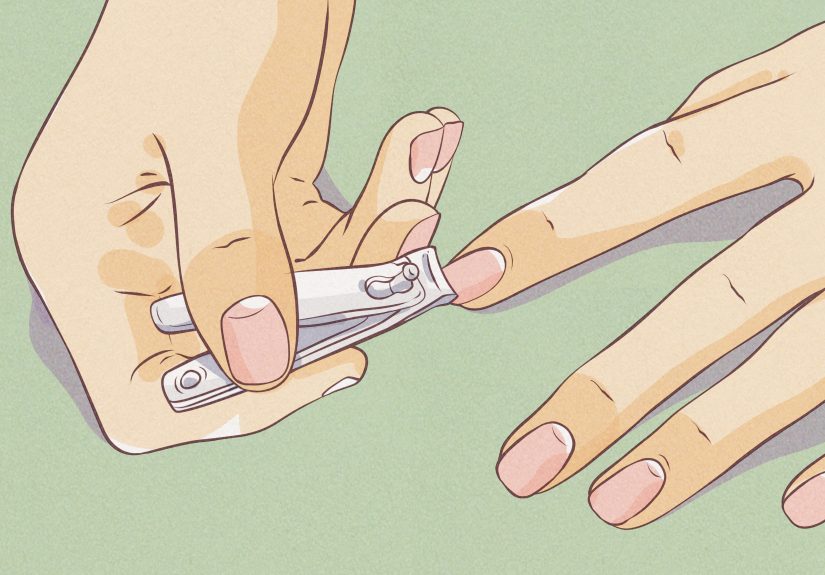
- Keep nails short and clean.
- Avoid cutting cuticles (they help protect against infection).
9) Feet Hygiene: Because Socks Can Only Do So Much
Feet live in a warm, dark environment most of the day. That’s basically a spa day for odor and fungus if you don’t keep them clean and dry.
- Wash feet daily and dry thoroughly, especially between toes.
- Change socks daily (or more often if sweaty).
- Rotate shoes so they can fully dry out.
- If you’re prone to athlete’s foot, prioritize dryness and breathable footwear.
10) Clothes, Bras, and Bedding: Hygiene Isn’t Just Your Body
You can shower and still feel “off” if your clothes, sheets, and towels are holding onto sweat, oil, and bacteria.
- Underwear: fresh daily; after sweating, change as soon as you can.
- Bras: wash regularly; sports bras especially after workouts.
- Towels: don’t reuse a damp towel foreverwash often and let dry fully.
- Pillowcases: weekly is a great goal, especially if acne-prone.
Simple Hygiene Kit (For School, Travel, Sleepovers)
This is the “I’m prepared, not panicking” pouch:
- Travel deodorant
- Mini toothbrush + toothpaste or floss picks
- Unscented wipes (for hands/face; avoid using scented wipes on sensitive areas)
- Spare underwear
- Period supplies (even if your cycle is irregular)
- Hair tie + small brush/comb
- Band-aids + a couple of tissues
Common Hygiene Problems (and What Usually Fixes Them)
“I shower but I still smell.”
- Make sure you’re washing and fully drying sweat-prone areas (underarms, groin crease, feet).
- Switch to breathable fabrics and change out of sweaty clothes faster.
- Try antiperspirant if sweat is the main problem.
- If odor is sudden, strong, or comes with irritation, get checked.
“My skin is breaking out like it’s being paid to.”
- Gentle cleansing (not scrubbing) and consistent routine beats harsh “nuke it” products.
- Wash face after heavy sweating.
- Clean pillowcases and makeup tools more often.
- Persistent acne may need a dermatologist’s helpno shame in upgrading your strategy.
“I’m irritated down there.”
- Stop scented products and avoid internal cleansing.
- Use warm water and gentle, fragrance-free products externally only.
- Wear breathable underwear and change quickly after workouts.
- If symptoms persist, get evaluated (it could be a treatable infection or skin issue).
How to Build Hygiene Habits That Actually Stick
Motivation is unreliable. Systems are your best friend.
- Habit stacking: brush teeth after you wash your face; deodorant right after drying off.
- Make it easy: keep floss where you’ll see it; store period kit in your backpack.
- Use reminders: calendar for brush replacement, sheet changes, or “wash makeup tools” day.
- Stop aiming for perfection: consistency beats intensity every time.
Final Checklist Recap (Print This, Screenshot It, Live It)
If you want a “minimum effective dose” routine, start here:
- Daily: shower (especially after sweat), deodorant if needed, fresh underwear/socks, brush teeth twice, floss once, wash hands often.
- Weekly: wash hair as needed, change pillowcase, clean makeup tools, trim nails.
- Period: change products regularly, wash hands, keep external hygiene gentle.
Real-Life Hygiene Experiences (The Part Nobody Puts on a Cute Checklist)
Let’s be honest: hygiene routines look adorable on Pinterest. Real life looks like a surprise period in white shorts, a locker room with exactly one working sink, and a sports practice that ends with you feeling like a sweaty burrito wrapped in polyester.
Experience #1: “The first-period-at-school moment.” A lot of girls don’t get a heads-up from their body. One day everything is normal, the next day you’re doing advanced math while also doing advanced panic. The girls who feel most “in control” usually aren’t the ones with magical luckthey’re the ones with a tiny emergency kit: a pad, a spare pair of underwear, and a small bag. That’s it. When the unexpected happens, you switch products, wash your hands, and move on with your day like a secret agent.
Experience #2: “Post-gym class chaos.” You don’t always have time for a full shower between school and practice (or school and life). The “realistic” version of hygiene is often a quick face rinse, deodorant reapplication, and a clean shirt swap. Girls who struggle most with odor after gym usually fix it by changing clothes faster and focusing on drying the underarm area before applying deodorant. The goal isn’t to smell like a spajust to smell like a human being who didn’t wrestle a treadmill.
Experience #3: “Hair that doesn’t follow the same rules as your friends’ hair.” Some girls can wash daily and feel amazing. Others wash daily and suddenly their hair feels like a dry mop that’s applying for early retirement. A lot of confidence comes from realizing this isn’t a personal failureit’s biology and texture. If your hair thrives with fewer wash days, you’re not “less clean.” You’re just working with your hair type. The hygiene move is keeping the scalp healthy (washing as needed), not forcing your routine to match someone else’s.
Experience #4: “Makeup tools quietly sabotaging your skin.” Many girls think acne is purely hormonal (and yes, hormones matter). But a surprisingly common real-life trigger is the makeup sponge that’s seen things. The moment you start washing brushes and sponges weeklyand changing pillowcases regularlybreakouts often calm down. Not always, but often. It’s one of those unglamorous habits that pays off like interest in a savings account.
Experience #5: “The ‘I used a scented product and now I regret everything’ chapter.” Lots of people try scented wipes or “feminine” washes because marketing makes it sound responsible. Then… irritation. The girls who feel better long-term typically switch to the simplest approach: warm water and gentle, fragrance-free products on the outside only. It’s not fancy, but it’s effectiveand your body usually prefers boring over “tropical sunrise blast.”
Experience #6: “Sleepovers and shared bathrooms.” You’re trying to be polite, you’re trying not to hog the sink, and your friend’s bathroom lighting is somehow brighter than the sun. The easiest sleepover hygiene win is packing the basics: toothbrush, mini toothpaste, deodorant, a hair tie, and period supplies even if you “don’t think you’ll need them.” Being prepared feels like confidence you can carry in your pocket.
Hygiene isn’t about shame or pressure. It’s about learning what your body needs, building a routine that fits your real schedule, and giving yourself the kind of care that makes daily life easier. That’s the glow-up that actually lasts.