Table of Contents >> Show >> Hide
- Before the 3 ways: What “high blood pressure” means in pregnancy
- Way #1: Eat in a blood-pressure-friendly way (the “DASH-ish” pregnancy plate)
- Way #2: Move your body safely (and support healthy pregnancy weight gain)
- Way #3: Monitor, de-stress, and partner with your prenatal team (because this is not a solo quest)
- Putting it all together: a simple 7-day “pressure-friendly” checklist
- of Real-World Experiences (what many pregnant people report)
- Conclusion
Quick reality check (with love): Blood pressure is one of those pregnancy “numbers” that can feel like it has a personality. One day it’s calm and polite. The next day it’s acting like it drank three iced coffees and got stuck in traffic. If your blood pressure is running high during pregnancy, you’re not aloneand you’re not “doing pregnancy wrong.”
Because high blood pressure in pregnancy can sometimes signal serious problems (like preeclampsia), this is not a DIY-only situation. The tips below are safe, evidence-based habits that many clinicians recommend as part of a bigger planbut they do not replace prenatal care or medical treatment when needed. If you’ve been told you have chronic hypertension, gestational hypertension, or any preeclampsia risk, work with your OB/midwife on what’s right for you.
Before the 3 ways: What “high blood pressure” means in pregnancy
In pregnancy, blood pressure gets extra attention because it can affect both you and baby. In general, blood pressure is considered high when readings are around 140/90 mm Hg or higher (especially if confirmed on more than one reading), and 160/110 mm Hg is typically treated as severe-range and urgent. Your clinician will look at your whole picturehow far along you are, symptoms, lab tests, baby’s growth, and whether this started before pregnancy or after 20 weeks.
High blood pressure in pregnancy usually falls into a few buckets:
- Chronic hypertension: high blood pressure that existed before pregnancy or appears early.
- Gestational hypertension: high blood pressure that develops after 20 weeks, without other preeclampsia findings.
- Preeclampsia: high blood pressure after 20 weeks plus signs of organ stress (often found through symptoms and/or labs). It can sometimes show up with few symptomsso monitoring matters.
Now, let’s get to the part you came for: three practical ways to help lower blood pressure when pregnantwithout turning your life into a full-time wellness reality show.
Way #1: Eat in a blood-pressure-friendly way (the “DASH-ish” pregnancy plate)
If lowering blood pressure had a mascot, it would probably be a bowl of fruit next to a salad… wearing a tiny “less sodium” sash. Diet changes don’t need to be extreme to be effective, but they do need to be consistent.
What you’re aiming for
A pregnancy-safe pattern similar to the DASH eating plan can support healthier blood pressure. Think:
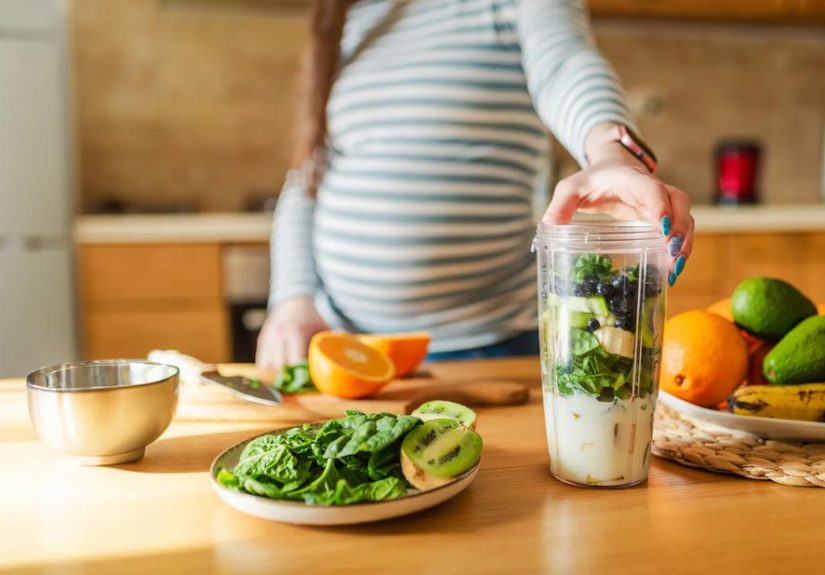
- More: fruits, vegetables, beans, lentils, whole grains, nuts/seeds (if tolerated), and lean proteins.
- Less: ultra-processed foods that quietly deliver a sodium sneak-attack (frozen meals, packaged snacks, instant noodles, deli meats, many sauces).
- Balanced: enough protein and calories for pregnancy (this is not a time for restrictive dieting).
Why it helps
Many processed foods are high in sodium, and higher sodium intake can contribute to higher blood pressure in susceptible people. A whole-food pattern also increases intake of nutrients that support vascular health (like potassium, magnesium, fiber, and calcium) and can help keep weight gain in the recommended rangeanother factor clinicians watch with blood pressure.
Doable swaps that don’t feel like punishment
- Swap “salty convenience” for “fast real food”: Keep options like Greek yogurt, fruit, unsalted nuts, hummus, pre-washed salad kits, rotisserie chicken (watch sodium), eggs, and microwavable brown rice.
- Flavor without the salt bomb: Use lemon, vinegar, garlic, onion, pepper, smoked paprika, and herb blends. Your taste buds want dramagive them spice, not sodium.
- Check labels like a detective: Compare the same product (bread, soup, crackers) across brands. Sodium can vary wildly.
- Rethink “healthy” packaged foods: Some “health” snacks are basically salt wearing athleisure.
A simple one-day example (mix and match)
- Breakfast: Oatmeal topped with berries + chopped nuts; or eggs with sautéed spinach and whole-grain toast.
- Lunch: Big salad with grilled chicken/beans + avocado + olive oil & lemon dressing; or a grain bowl with quinoa, roasted veggies, and salmon.
- Snack: Apple + peanut butter; yogurt + fruit; carrots + hummus.
- Dinner: Baked sweet potato + turkey chili (lower sodium) + side veggies; or stir-fry with lots of vegetables over brown rice (go easy on soy sauce).
Important pregnancy notes
- Don’t slash sodium to extremes without guidance. Pregnancy changes fluid balance; your clinician can tell you what’s appropriate for your situation.
- Skip “miracle” supplements or detoxes. If a product claims it can “cure” blood pressure in 72 hours, it’s selling hope with a side of nonsense.
- If you’re nauseated: Work with what you can tolerate (often small, frequent meals). Your care team can help you find options that are gentle but still supportive.
Way #2: Move your body safely (and support healthy pregnancy weight gain)
Exercise is one of the most reliable non-medication tools for blood pressure management. And no, “exercise” in pregnancy does not mean you need to do burpees while negotiating with a baby who is currently using your bladder as a trampoline.
The goal: consistent, moderate activity (when your clinician says it’s okay)
For many uncomplicated pregnancies, professional guidance often points toward about 150 minutes per week of moderate-intensity activity (think brisk walking where you can talk but not sing a full musical number). Your provider may tailor this if you have complications, severe hypertension, bleeding, placenta concerns, or other risks.
Pregnancy-friendly options that tend to be well tolerated
- Walking: underrated, accessible, and doesn’t require special equipment besides shoes that don’t betray you.
- Swimming or water walking: gentle on joints and can feel like gravity finally took a lunch break.
- Prenatal yoga or stretching: helpful for stress and mobility (avoid overheating, deep twists, or poses your provider cautions against).
- Stationary cycling: lower fall risk than road biking.
- Light strength work: bodyweight moves or resistance bandsgreat for posture and daily-life stamina.
How movement can help blood pressure
Regular activity supports cardiovascular conditioning, improves blood vessel function, helps regulate blood sugar, and can reduce stressall of which can influence blood pressure. It also supports healthy pregnancy weight gain, which clinicians may monitor closely when hypertension is present.
A simple weekly plan (example)
- Mon: 20–30 minute walk
- Tue: Prenatal yoga (20 minutes) + easy walk (10 minutes)
- Wed: Water walking or swimming (20–30 minutes)
- Thu: Rest day or gentle stretching
- Fri: 20–30 minute walk
- Sat: Light strength band routine (15 minutes) + stroll
- Sun: Relaxed walk with a friend (bonus points for laughing)
Safety rules (non-negotiable)
- Get clearance if you have high readings, symptoms, or a high-risk pregnancy.
- Hydrate and avoid overheating.
- Avoid contact sports and activities with a high fall risk.
- Stop and call your clinician if you have chest pain, fainting, severe shortness of breath, bleeding, contractions that don’t settle, or severe headache/vision changes.
Bottom line: consistent, clinician-approved movement can be a real blood pressure allyand it doubles as a mood booster when pregnancy hormones are doing improv comedy in your brain.
Way #3: Monitor, de-stress, and partner with your prenatal team (because this is not a solo quest)
If blood pressure had a catchphrase, it would be: “I change depending on context.” Sleep, stress, timing, hydration, pain, and even “I was late and sprinted into the clinic” can affect your numbers. That’s why this third way is about getting reliable informationand using it to make smart decisions with your care team.
Step 1: Learn the basics of home blood pressure monitoring
Home monitoring can help you and your clinician see patterns (and avoid “white coat” spikes). A few tips make readings more accurate:
- Use the right cuff size for your arm.
- Sit quietly for a few minutes before measuring.
- Feet flat, back supported, arm at heart level.
- Take readings at the same time each day (or as instructed) and log them.
- Bring your log to appointmentsor message your care team if they want updates between visits.
Pro tip: take a deep breath before you press “start.” Not because breathing is magic, but because you deserve one peaceful moment that isn’t interrupted by heartburn.
Step 2: Prioritize sleep and stress reduction (the underrated blood pressure tools)
Stress doesn’t “cause” preeclampsia in a simple way, but stress can raise blood pressure temporarily. Better sleep and calmer nervous system signals can support healthier readings and make it easier to stick with other habits.
Try these pregnancy-safe, low-effort options:
- Two-minute breathing reset: inhale for 4 counts, exhale for 6 counts, repeat 6–8 times.
- Short walks after meals (if approved) to unwind and aid digestion.
- Wind-down routine: dim lights, warm shower, stretch, and a screen-free 10 minutes before bed.
- Delegate like a boss: if someone offers help, say yes. You’re growing organs. That counts as productivity.
Step 3: Know when it’s urgent (and when you need more than lifestyle)
Some pregnancy-related high blood pressure requires medication, additional testing, or closer monitoring. Lifestyle changes are helpful, but they are not a substitute for treatment when your readings are high or symptoms appear.
Call your clinician promptly if you have high readings based on the plan they gave you. Seek urgent care immediately if you have severe-range numbers or concerning symptoms such as:
- Severe or persistent headache
- Vision changes (spots, flashing, blurred vision)
- Right upper belly pain
- Sudden swelling of face/hands, or rapid weight gain
- Shortness of breath or chest pain
Also, only take medications (including “natural” ones) exactly as your clinician recommends. If you’re at higher risk for preeclampsia, your provider may discuss preventive options like low-dose aspirinbut that decision should be personalized.
Putting it all together: a simple 7-day “pressure-friendly” checklist
- Food: Choose one meal per day to “upgrade” (more whole foods, less sodium).
- Movement: Do 10–20 minutes of approved activity on most days.
- Monitoring: Track BP as instructedsame setup, same method.
- Stress: One tiny reset per day (breathing, stretch, or short walk).
- Prenatal care: Keep appointments and share your logs/symptoms early.
Small actions, repeated consistently, can create meaningful trends over time. Not overnight. Not perfectly. But steadily.
of Real-World Experiences (what many pregnant people report)
Note: The stories below are composite examples based on common experiences shared in prenatal care settings and patient education communities. They’re meant to feel familiar and practicalnot to replace medical advice.
Experience #1: “I didn’t realize my ‘healthy’ foods were salty.”
One pregnant person noticed her blood pressure readings were fine at home but a little high at appointments. She assumed it was stressuntil she started logging meals for a week. The surprise wasn’t fast food. It was “healthy convenience”: canned soups, store-bought sauces, deli turkey, and flavored crackers. Once she swapped to lower-sodium versions and cooked simple proteins (eggs, chicken, beans) a few times a week, her readings started looking less jumpy. She didn’t cut salt entirelyshe just stopped letting processed foods choose her sodium for her. Her biggest takeaway: reading labels felt annoying for three days… and empowering after that.
Experience #2: “Walking was the only thing I could tolerate.”
Another person had nausea early on and couldn’t handle big meals or intense workouts. Her clinician encouraged gentle movement, so she tried a 10-minute walk after lunch. It wasn’t glamorous. Sometimes it was a slow lap around the block with a dramatic sigh at every driveway. But it became her daily routineand her stress level improved, her digestion was better, and her blood pressure log became more consistent. When her energy returned later in pregnancy, she added a second walk and a short prenatal yoga video a couple nights a week. Her biggest lesson: the best exercise plan is the one you can repeat without hating your life.
Experience #3: “Home monitoring stopped the guessing game.”
For someone with a history of hypertension, the scariest part was not knowing what was happening between visits. Her care team recommended home blood pressure checks. At first she measured randomlyright after chores, while talking, sometimes standing. The numbers were all over the place, and she felt worse. Then she learned a consistent routine: sit, rest, arm supported, same time daily, log it. Within a week, the pattern made sense. She could tell the difference between a one-off spike and a real upward trend. When her readings rose, she contacted her clinician early and got a plan before things escalated. Her biggest takeaway: a blood pressure cuff isn’t there to scare youit’s there to give you useful information.
Experience #4: “Rest wasn’t lazinessit was strategy.”
Many pregnant people with high blood pressure describe a mental shift: treating rest as part of their care plan. One described it like training for a marathonexcept the marathon ends with a newborn. She started protecting her sleep (same bedtime, fewer late-night scroll sessions), took short breaks during the day, and asked family to handle tasks that spiked her stress. She still had responsibilities, but she stopped doing them in “panic mode.” Her biggest lesson: reducing stress didn’t fix everything, but it made everything easier to manageincluding the habits that supported her blood pressure.
These experiences have a common thread: people felt better when their plan was simple, trackable, and supported by prenatal care.
Conclusion
Lowering blood pressure when pregnant usually isn’t about one dramatic changeit’s about a small set of safe habits done consistently, plus close teamwork with your prenatal provider. Start with a blood-pressure-friendly eating pattern, add clinician-approved movement, and use monitoring and stress reduction to guide decisions. And if your numbers are high, don’t wait it outpregnancy is the time to get proactive support, not to “tough it out.”