Table of Contents >> Show >> Hide
- What Is a Cold Sore, Exactly?
- Can You Get Rid of a Cold Sore Overnight?
- Way #1: Start Antiviral Treatment as Early as Possible
- Way #2: Use an OTC Cold Sore Cream and Symptom Relief That Actually Helps
- Way #3: Protect the Area and Stop Doing the Stuff That Slows Healing
- What Not to Do If You Want It Gone Fast
- How Long Does a Cold Sore Usually Last?
- When to See a Doctor
- A Fast, Practical Cold Sore Action Plan
- Final Thoughts
- 500 Extra Words: What the Experience of Getting Rid of a Cold Sore Fast Usually Feels Like
- SEO Tags
If you woke up with that familiar tingle on your lip, first of all: rude. Second of all: you are not alone. Cold sores are incredibly common, and while there is no magic “poof, be gone” button, there are smart ways to help one heal faster, hurt less, and cause less chaos in your week.
The trick is knowing what actually helps and what just wastes time while your lip stages its own dramatic performance. If your goal is to get rid of a cold sore fast, the game plan is simple: act early, use the right treatment, and avoid the habits that make a sore angrier, crustier, and more determined to stick around.
In this guide, you’ll learn the three best ways to speed cold sore recovery, what not to do, when to call a doctor, and how to make the whole experience a lot less miserable.
What Is a Cold Sore, Exactly?
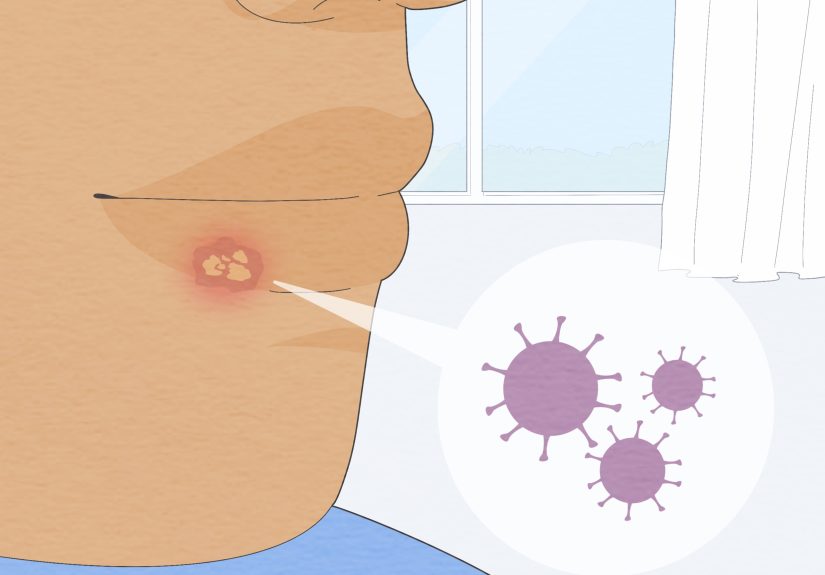
A cold sore, also called a fever blister, is a small cluster of fluid-filled blisters usually caused by herpes simplex virus type 1, or HSV-1. It often appears on or around the lips, though some people first notice a warning phase before the blister shows up. That warning can feel like tingling, itching, burning, tightness, or tenderness in one exact spot.
That early stage matters more than most people realize. If you start treatment when the area is just tingling and not yet fully blistered, you have the best chance of shortening the outbreak. Wait until the sore is fully formed, and you are basically showing up to a race after everyone else has already rounded the track.
Can You Get Rid of a Cold Sore Overnight?
Let’s be honest: probably not. Despite what internet folklore, mystery lip balms, and your cousin’s group chat may suggest, there is no guaranteed overnight cure. But you can shorten healing time, reduce pain, and sometimes stop a brewing outbreak from becoming a full-blown lip catastrophe if you treat it early enough.
That means the real goal is not “instant disappearance.” The real goal is “heal faster, feel better, and keep this thing from taking over my face and calendar.”
Way #1: Start Antiviral Treatment as Early as Possible
If you want the fastest medically supported option, this is it. Antiviral medicine is the most effective treatment for speeding up cold sore healing, especially when started at the very first sign of symptoms.
Why antivirals work best
Cold sores are caused by a virus, so the most logical treatment is one that targets viral activity. Prescription oral antivirals such as acyclovir, valacyclovir, and famciclovir are often the go-to option when someone wants the fastest relief. These medications work best early, ideally when you first notice tingling, itching, or burning before a blister has fully formed.
If you get frequent outbreaks, a doctor may even give you a prescription to keep on hand so you can start treatment immediately the next time your lip begins sending warning signals. That can save you precious hours, and with cold sores, hours matter.
Topical antivirals vs. oral antivirals
Topical treatments can help, but oral antiviral pills are generally stronger and faster than creams alone. In other words, if your cold sore is an unwanted houseguest, oral antivirals are the person who actually gets them to leave. Creams are more like someone politely asking them to wrap it up.
This does not mean everyone needs a prescription every time. But if your cold sore is severe, especially painful, frequent, or timed perfectly to ruin a wedding, interview, date, vacation, or school photo, calling a healthcare provider early may be your smartest move.
Who should seriously consider medical treatment fast?
- People with frequent cold sore outbreaks
- Anyone with severe pain or swelling
- People with a weakened immune system
- Anyone whose sore is close to the eye
- People whose sores last longer than two weeks
If any of those sound like you, do not rely on random internet hacks and hope for the best. Get medical advice.
Way #2: Use an OTC Cold Sore Cream and Symptom Relief That Actually Helps
If you cannot get a prescription right away, your next best move is to use over-the-counter treatment early and combine it with a few proven comfort measures.
Try docosanol at the first tingle
Docosanol cream is one of the best-known nonprescription cold sore treatments. It works best when applied at the earliest stage, before the blister fully develops. It is not a miracle tube of wizard paste, but it may help shorten healing time and can make the outbreak a little less intense.
The key word here is early. If you wait until the sore is fully crusted and already starring in its own close-up, the payoff is smaller.
Use supportive care that calms the sore down
Good supportive care will not cure HSV-1, but it can make healing smoother and more comfortable. That matters because irritated, cracked, picked-at cold sores tend to linger longer.
Helpful options include:
- Cold compresses: A cool, damp cloth can reduce discomfort and calm inflammation.
- Pain relievers: Over-the-counter pain medicine can help if the sore is throbbing or tender.
- Petroleum jelly or a gentle moisturizer: This can reduce cracking and dryness, especially once the sore starts crusting.
- Lip balm with SPF: Sun exposure can trigger outbreaks in some people, so protecting the lips is a smart move.
- Avoid irritating foods: Salty, spicy, crunchy, and acidic foods can sting like betrayal.
What about numbness or drying agents?
Some products use drying ingredients or mild numbing agents to reduce discomfort. These can be useful for symptom control, but they are not the same thing as directly slowing the virus. Think of them as part of the comfort team, not the main treatment MVP.
Also, if you apply any cream or ointment, use clean hands or a cotton swab. The last thing you want is to rub the virus around your face like you are blending contour.
Way #3: Protect the Area and Stop Doing the Stuff That Slows Healing
Sometimes the fastest way to heal a cold sore is not adding another “hack.” It is stopping the things that make it worse.
Do not pick, peel, or pop it
Yes, it is tempting. No, it is not helping. Picking at a cold sore can delay healing, cause bleeding, increase irritation, and raise the risk of spreading the virus to other areas. It can also make the sore look worse for longer, which is kind of the opposite of the assignment.
Keep it clean, but do not attack it
Gentle cleansing is enough. You do not need to scrub your lip like you are refinishing hardwood. Wash carefully, pat dry, and leave the sore alone as much as possible. A clean, calm environment helps the skin repair itself.
Avoid spreading it to other people or other body parts
Cold sores are contagious, especially when blisters are present. Avoid kissing, oral contact, and sharing drinks, utensils, towels, lip balm, razors, or anything else that touches the area. Wash your hands after touching your face or applying medicine. This is particularly important around babies, people with eczema, and anyone with a weakened immune system.
Watch your triggers
Many people notice cold sores show up after common triggers such as stress, illness, fever, sun exposure, wind, skin irritation, or lack of sleep. You may not be able to eliminate every trigger, because life has a sense of humor, but you can reduce the odds. Rest, hydrate, protect your lips from sun, and try not to treat your body like it is an indestructible machine.
What Not to Do If You Want It Gone Fast
- Do not use random DIY acids, harsh essential oils, or abrasive scrubs on the sore.
- Do not keep touching it “just to check.” Your fingers are not helping.
- Do not assume every sore near the mouth is a cold sore. Some mouth and lip lesions are something else entirely.
- Do not share lip products, straws, utensils, or towels.
- Do not wait too long to seek help if the sore is severe or unusual.
There is a difference between helpful home care and turning your lip into a science experiment.
How Long Does a Cold Sore Usually Last?
Most cold sores heal on their own, but not instantly. A typical outbreak may last from about one to three weeks depending on whether it is your first outbreak, how early you treated it, and whether you kept the area protected. First outbreaks can be more intense and may last longer. Recurrent cold sores are often milder and shorter.
That is why the phrase “get rid of a cold sore fast” really means “shorten the outbreak as much as possible.” Good treatment can shave off time and reduce misery. It just cannot erase biology.
When to See a Doctor
You should reach out to a healthcare provider if:
- The sore does not improve within two weeks
- You get cold sores often
- The pain is severe
- You have a weakened immune system
- The sore is near your eyes or you develop eye symptoms
- You are not sure it is actually a cold sore
Anything involving the eye deserves prompt medical attention. Herpes infections around the eye can become serious and should not be treated like a casual lip inconvenience.
A Fast, Practical Cold Sore Action Plan
If you want the shortest version of this article, here it is:
- At the first tingle, start treatment immediately. Prescription oral antivirals are usually the fastest option.
- If no prescription is available yet, use docosanol early and add comfort care. Cold compresses, pain relief, lip protection, and gentle moisturizing help.
- Stop aggravating the sore. No picking, no sharing, no harsh products, and no “I touched it 47 times but somehow expected improvement.”
That combination gives you the best shot at healing faster and getting back to normal.
Final Thoughts
Cold sores are annoying, inconvenient, and somehow gifted at showing up before important events. But the good news is that you do have options. If you act quickly, use evidence-based treatment, and protect the area while it heals, you can often shorten the outbreak and make it much easier to manage.
The biggest lesson is simple: do not wait. That tiny tingle is your cue. Treat early, be kind to the skin, and resist the urge to throw every trending home remedy at your lip. Your future self, and possibly your camera roll, will thank you.
500 Extra Words: What the Experience of Getting Rid of a Cold Sore Fast Usually Feels Like
One reason people search for how to get rid of a cold sore fast is that the experience feels weirdly personal. A cold sore may be medically common, but emotionally it can feel like your face has declared war on your schedule. The first sensation is often so subtle that you almost talk yourself out of it. Maybe your lip feels dry. Maybe one corner tingles. Maybe you tell yourself it is nothing, and then six hours later your reflection says, “Surprise.”
People who handle cold sores well often describe the same turning point: they stop waiting for proof and start responding to the early signs. Someone who has dealt with a few outbreaks usually learns that the tingling stage is the window of opportunity. That is when fast treatment feels most worthwhile. Instead of hoping the spot disappears on its own, they begin antiviral treatment or apply an over-the-counter cream right away, protect the area, and avoid messing with it. That quick response often makes the whole outbreak feel more manageable.
Another common experience is the temptation to overdo it. Once a cold sore appears, many people want to attack it from every angle. They apply multiple products, keep checking it in the mirror, touch it constantly, and search for one weird trick involving toothpaste, vinegar, garlic, or whatever the internet is currently pretending is a dermatology degree. Usually, that approach backfires. The sore gets drier, more irritated, and more noticeable. The people who seem to heal best are often the ones who do less, but do the right things consistently.
There is also the social side. A cold sore can make people feel self-conscious at work, at school, on dates, in photos, or during conversations where they suddenly become hyper-aware of their own mouth. That is why “fast” matters so much. It is not just about physical healing. It is about confidence, comfort, and wanting to move through the day without feeling like everyone is staring at one tiny spot on your lip. In reality, most people notice less than you think, but when it is your face, it can feel enormous.
Then there is the healing stage, which can be the most frustrating. The blister may flatten, then crust, then crack, and just when you think you are almost done, it gets dry and dramatic again. This is where patience matters. People often say the best results come when they keep the sore lightly protected, avoid picking, stay hydrated, and let the skin repair itself. It is not glamorous, but it works better than treating the scab like removable packaging.
Over time, many people get better at spotting their triggers. Some notice outbreaks after a stressful week, a sun-heavy beach day, a cold, or several nights of poor sleep. Once they connect those dots, prevention becomes part of the experience too. Lip SPF, better sleep, less skin irritation, and earlier treatment can make future outbreaks shorter and less disruptive. So yes, getting rid of a cold sore fast is partly about medicine. But it is also about recognizing the pattern, responding early, and not giving the sore extra opportunities to steal the show.