Table of Contents >> Show >> Hide
- Why Magnesium Matters More Than People Think
- 25 Magnesium-Rich Foods You Should Be Eating
- 1. Pumpkin Seeds
- 2. Chia Seeds
- 3. Almonds
- 4. Spinach
- 5. Swiss Chard
- 6. Cashews
- 7. Dark Chocolate
- 8. Peanuts
- 9. Soymilk
- 10. Shredded Wheat Cereal
- 11. Black Beans
- 12. Quinoa
- 13. Edamame
- 14. Peanut Butter
- 15. Potato with the Skin
- 16. Brown Rice
- 17. Plain Yogurt
- 18. Lima Beans
- 19. Flaxseed
- 20. Oatmeal
- 21. Kidney Beans
- 22. Papaya
- 23. Banana
- 24. Green Peas
- 25. Salmon
- How to Get More Magnesium Without Turning Dinner Into Homework
- A Real-Life Experience of Eating More Magnesium-Rich Foods
- Final Thoughts
Magnesium is the kind of nutrient that rarely gets the celebrity treatment. Protein gets the flexing photos. Fiber gets the polite applause. Vitamin C still acts like it has a publicist. Meanwhile, magnesium is backstage keeping the whole show from falling apart. It helps your muscles contract, your nerves send messages, your bones stay sturdy and your body turn food into usable energy. In other words, it is not flashy, but it is absolutely employed.
The good news is that you do not need a trendy powder, a neon gummy or a supplement cabinet that looks like a chemistry set to get more of it. A smart, balanced diet can do a lot of the heavy lifting. The best magnesium-rich foods are often the same foods dietitians already love: nuts, seeds, beans, leafy greens, whole grains, soy foods, dairy and a few seafood picks. Translation: your grocery cart can solve more problems than your supplement drawer.
If you want to eat better, feel more dialed in and build meals that work harder for your health, this list is a very good place to start. Here are 25 magnesium-rich foods worth bringing home, plus practical ways to make them part of real life instead of just a Pinterest fantasy.
Why Magnesium Matters More Than People Think
Magnesium plays a role in hundreds of processes in the body, but you do not need to memorize a biochemistry textbook to understand why that matters. Think of it as one of the body’s steady, dependable managers. It helps regulate muscle and nerve function, supports normal blood pressure and blood sugar regulation, and contributes to making protein, bone and DNA. That is a pretty busy résumé for a mineral you probably were not thinking about while standing in front of the cereal aisle.
Adults generally need a few hundred milligrams a day, and many people do not consistently hit the mark. That does not mean everyone is dramatically deficient or one almond away from disaster. It does mean the average American diet, especially one heavy on ultra-processed foods and light on plants, can make it easy to come up short. Refined grains lose magnesium during processing, while whole plant foods usually deliver more of it along with fiber, healthy fats, antioxidants and other nutrients. That is why the “food first” approach makes so much sense: you are not just chasing one mineral, you are upgrading the whole pattern.
25 Magnesium-Rich Foods You Should Be Eating
The magnesium amounts below are approximate and based on common serving sizes. The point is not to turn lunch into math class. The point is to notice how easy it becomes to build a magnesium-friendly diet when you mix and match a few winners.
-
1. Pumpkin Seeds
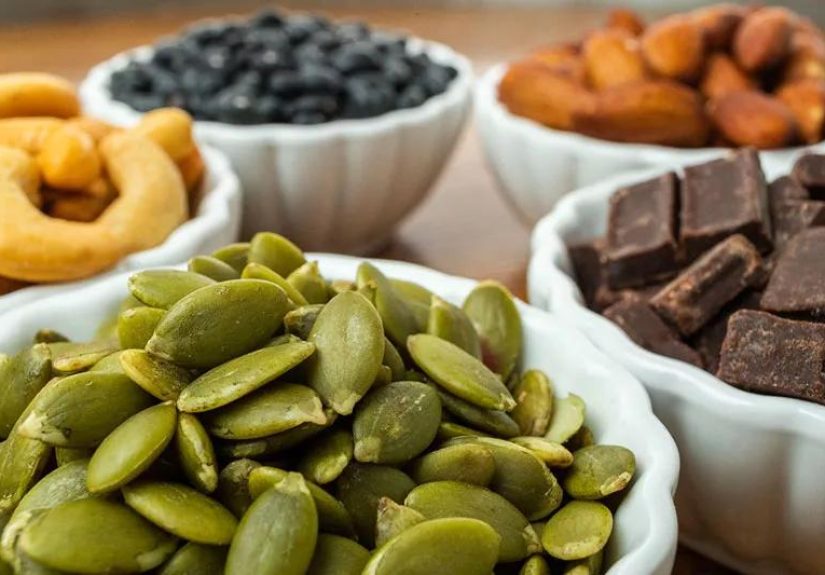
About 156 mg per ounce. Tiny, crunchy overachievers, pumpkin seeds are one of the best magnesium sources you can buy. Sprinkle them over salads, oatmeal or soup, or eat a small handful as a snack. They also bring protein, healthy fats and serious texture, which means they do not just improve nutrition; they improve boredom.
-
2. Chia Seeds
About 111 mg per ounce. Chia seeds are the low-drama way to make breakfast work harder. Stir them into yogurt, blend them into smoothies or make chia pudding if you enjoy pretending your refrigerator is a wellness retreat. They are also rich in fiber, which makes them especially helpful in meals that need more staying power.
-
3. Almonds
About 80 mg per ounce. Almonds are a practical magnesium staple because they are portable, shelf-stable and easy to pair with fruit. They also deliver crunch without requiring a recipe, a life plan or a chef’s apron. Keep a portioned bag nearby and suddenly the vending machine becomes less persuasive.
-
4. Spinach
About 78 mg per 1/2 cup cooked. Cooked spinach packs far more magnesium per serving than most people expect. Wilt it into eggs, pasta, soups or grain bowls. This is one of those foods that deserves credit for being nutritionally impressive even when it is not particularly glamorous.
-
5. Swiss Chard
About 75 mg per 1/2 cup cooked. Swiss chard is magnesium-rich, colorful and deeply underrated. Sauté it with garlic and olive oil, toss it into a frittata or fold it into beans. It tastes a little more grown-up than spinach, which is another way of saying it makes dinner feel suspiciously competent.
-
6. Cashews
About 74 mg per ounce. Cashews are creamy, mild and extremely versatile. They work as snacks, stir-fry toppings and even the base for dairy-free sauces. If you need a magnesium-rich food that feels more indulgent than dutiful, cashews are a strong candidate.
-
7. Dark Chocolate
About 64 mg per ounce of 70% to 85% cocoa. Yes, dessert walked into the conversation wearing a nutrition badge. Dark chocolate is not a license to inhale an entire family-size bar, but a square or two can absolutely fit into a healthy eating pattern. When a magnesium source also feels like a reward, compliance improves dramatically.
-
8. Peanuts
About 63 mg per 1/4 cup. Peanuts are affordable, accessible and useful for anyone trying to eat better without refinancing the pantry. Add them to stir-fries, snack mixes or grain bowls, or pair them with fruit for a filling snack. They are a reminder that nutrition does not have to be fancy to be effective.
-
9. Soymilk
About 61 mg per cup. Plain or vanilla soymilk can be a convenient magnesium contributor, especially for people who do not drink cow’s milk. Use it in smoothies, coffee, oatmeal or cereal. It is one of those quiet pantry upgrades that pays off without demanding applause.
-
10. Shredded Wheat Cereal
About 61 mg per two large biscuits. Not every cereal deserves a halo, but plain shredded wheat earns some respect. It brings magnesium, whole grains and fiber, which makes breakfast feel less like a sugar parade and more like an actual meal. Add fruit and yogurt and you have a strong start to the day.
-
11. Black Beans
About 60 mg per 1/2 cup cooked. Black beans are a budget-friendly nutrition workhorse. They add magnesium, fiber and plant protein to tacos, bowls, soups and salads. If you are trying to eat healthier without spending a fortune, beans are basically your financial advisor and dietitian in one can.
-
12. Quinoa
About 60 mg per 1/2 cup cooked. Quinoa is a solid option when you want a whole grain that cooks fairly quickly and plays nicely with vegetables, beans and salmon. It is also an easy upgrade from refined side dishes that bring plenty of starch and not much else. Think of it as rice with a little more ambition.
-
13. Edamame
About 50 mg per 1/2 cup cooked. Edamame is a simple way to add magnesium, protein and color to meals. Toss shelled edamame into salads, fried rice or noodle bowls, or eat it with a little sea salt as a snack. It is fast, satisfying and refreshingly low on gimmicks.
-
14. Peanut Butter
About 49 mg per 2 tablespoons. Peanut butter is proof that comfort food can still do useful work. Spread it on whole grain toast, stir it into oatmeal or use it in sauces and smoothies. Just choose a version without a dessert-level sugar situation if you want the health benefits without the nutritional costume change.
-
15. Potato with the Skin
About 43 mg per medium serving. Potatoes often get judged for crimes committed by deep fryers, but a baked potato with skin is a respectable source of magnesium and potassium. Top it with Greek yogurt, black beans or sautéed greens and suddenly it is no longer cafeteria nostalgia; it is a strong dinner.
-
16. Brown Rice
About 42 mg per 1/2 cup cooked. Brown rice brings more magnesium than white rice because the bran and germ are still intact. It is a steady, affordable base for bowls, curries and stir-fries. You do not need to be a wellness influencer to benefit from choosing the less-refined option more often.
-
17. Plain Yogurt
About 42 mg per 8 ounces. Yogurt deserves more credit for versatility. It can show up at breakfast with fruit and seeds, at lunch as a dip, or at dinner in a savory sauce. You get magnesium along with protein and calcium, which is basically the nutritional version of finding out your reliable coworker also makes excellent coffee.
-
18. Lima Beans
About 40 mg per 1/2 cup cooked. Lima beans are old-school in the best possible way. They add creaminess and fiber to soups, stews and warm salads, and they quietly deliver magnesium without trying to become a trend. Some foods do not need a rebrand. They just need a second chance.
-
19. Flaxseed
About 40 mg per tablespoon. Ground flaxseed is one of the easiest things to add to oatmeal, smoothies and yogurt. It contributes magnesium and fiber with almost no effort, which is ideal for busy people and ideal for lazy people. Occasionally, those are the same people, and that is fine.
-
20. Oatmeal
About 36 mg per packet of instant oatmeal. Oatmeal is familiar, filling and far more useful than its bland reputation suggests. Dress it up with chia seeds, almond butter, banana slices and pumpkin seeds, and suddenly breakfast is doing actual labor. The plain version gives you the most room to add flavor without adding a sugar avalanche.
-
21. Kidney Beans
About 35 mg per 1/2 cup. Kidney beans are excellent in chili, grain bowls and hearty salads. Like other legumes, they bring magnesium with fiber and plant protein, which is a combination that supports fullness and better meal balance. They are especially useful when you want a meal to stick with you for more than 45 minutes.
-
22. Papaya
About 33 mg per small papaya. Papaya is a smart pick if you want magnesium from fruit without defaulting to the same old apples-and-grapes routine. It is bright, refreshing and especially good with yogurt, lime or a smoothie base. It tastes like vacation but behaves like a responsible grocery choice.
-
23. Banana
About 32 mg per medium banana. Bananas are convenient, portable and good at turning rushed mornings into functional ones. Pair one with peanut butter, yogurt or a handful of nuts and you have a snack with much better staying power than a pastry and regret. Bananas may be basic, but basic is not the same as bad.
-
24. Green Peas
About 31 mg per 1/2 cup. Green peas are easy to keep in the freezer and even easier to toss into pasta, fried rice, soups and grain bowls. They add a little sweetness, a little fiber and a respectable amount of magnesium. They are the kind of vegetable that makes weeknight cooking easier instead of more morally demanding.
-
25. Salmon
About 26 mg per 3 ounces. Salmon is not the highest-magnesium food on the list, but it still contributes while bringing protein and heart-healthy fats. Pair it with quinoa, brown rice or leafy greens and the total magnesium picture starts looking very good. Also, it makes dinner feel like you had a plan all along.
How to Get More Magnesium Without Turning Dinner Into Homework
The easiest way to eat more magnesium is not to chase one superstar food. It is to stack smaller contributions throughout the day. Oatmeal with chia seeds at breakfast, black beans in a lunch bowl, yogurt as a snack and salmon with quinoa and greens at dinner can add up fast. The body likes consistency more than grand gestures anyway.
Another smart move is replacing refined foods with less-processed versions when it makes sense. Brown rice instead of white rice. Whole grain cereal instead of sugar-coated nostalgia. A baked potato with skin instead of fries that arrive in a paper bag with emotional support ketchup. You do not need perfection. You need better defaults.
Also, think in combinations. Nuts plus fruit. Beans plus greens. Yogurt plus seeds. Fish plus whole grains. These pairings make meals more filling and more nutritionally complete, which means they are easier to repeat. And repetition is where healthy eating stops being a resolution and starts becoming a lifestyle.
A Real-Life Experience of Eating More Magnesium-Rich Foods
What does eating more magnesium-rich foods actually feel like in everyday life? Usually, it feels less dramatic than the internet would have you believe, and that is a good thing. There is no orchestra swell when you sprinkle pumpkin seeds on soup. No beam of celestial light shines down when you switch from white rice to quinoa. Real nutrition is often quiet. It works in the background, building better habits meal by meal.
For many people, the first experience is simply noticing how much easier healthy eating becomes when there is structure. Breakfast stops being random once oats, yogurt, bananas and chia seeds are in the house. Lunch gets easier when black beans, brown rice and greens are already prepped. Snacking becomes less chaotic when almonds or cashews are waiting in the pantry instead of a mystery bag of chips with the nutritional profile of confetti.
Another common experience is that magnesium-rich foods tend to bring more than one benefit to the table. A bowl of oatmeal with flaxseed and almond butter is not just about magnesium; it is warm, filling and steadying. A lunch built around quinoa, edamame and spinach does not just check a nutrition box; it actually feels like food that can carry you through the afternoon without the 3 p.m. collapse and desperate search for cookies. A dinner with salmon, peas and a baked potato feels satisfying in a way that fast food rarely does, even when fast food is louder about it.
There is also a practical side to the experience that people do not talk about enough: many magnesium-rich foods are easy to repeat without getting tired of them. Pumpkin seeds can go on salads, yogurt, oatmeal and roasted vegetables. Black beans can become tacos one night, soup the next and a grain bowl after that. Peanut butter can live on toast, in smoothies or in sauces. Once you identify a few foods you truly enjoy, eating for better nutrition becomes less about discipline and more about smart convenience.
Of course, real life is still real life. Some days you will cook. Some days you will assemble. Some days dinner will be yogurt, fruit, nuts and dark chocolate because the day got away from you and adulthood is a scam. The encouraging part is that magnesium-rich eating patterns are flexible enough to survive that. You do not need a perfect meal plan. You need a few reliable foods, some easy combinations and the willingness to make decent choices more often than not.
One of the best experiences people report when they start eating this way is that their meals feel more balanced and intentional. Not fussy. Not restrictive. Just sturdier. More grounded. You start to notice that the foods highest in magnesium are often the same ones associated with strong overall eating patterns: beans, greens, nuts, seeds, whole grains, dairy or soy and fish. That overlap matters because it means you are not chasing a single nutrient in isolation. You are building a plate that generally makes sense.
And that may be the most useful takeaway of all. The experience of eating more magnesium-rich foods is not usually about one magical transformation. It is about fewer nutritional dead ends. More meals that satisfy. More groceries that pull double duty. More days where your food choices quietly support your health instead of constantly picking little fights with it. That is not flashy, but it is sustainable. And sustainable wins every time.
Final Thoughts
If you want to eat more magnesium-rich foods, start with the obvious winners: seeds, nuts, beans, leafy greens, whole grains and a few smart extras like yogurt, soymilk and salmon. You do not need to overhaul your life by Tuesday. Add one better breakfast, one smarter snack and one stronger dinner template, and the results start stacking up fast.
In the end, magnesium is not really the point. Better eating is the point. Magnesium-rich foods just happen to be some of the best foods for helping you get there.