Table of Contents >> Show >> Hide
- What Makes a Great Gluten-Free Snack for Kids?
- Quick Gluten-Free Rules Before You Stock the Pantry
- 21 Gluten-Free Snack Ideas for Your Kids
- 1. Apple Slices with Peanut Butter or Sunflower Seed Butter
- 2. Cheese Cubes and Grapes
- 3. Yogurt Parfait with Berries and Gluten-Free Granola
- 4. Ants on a Log
- 5. Rice Cakes with Cream Cheese and Cucumber
- 6. Hard-Boiled Eggs and Cherry Tomatoes
- 7. Popcorn with Parmesan
- 8. Hummus with Carrot Sticks and Gluten-Free Pretzels
- 9. Turkey Roll-Ups
- 10. Cottage Cheese with Pineapple
- 11. Banana “Sushi”
- 12. Frozen Yogurt Bark
- 13. Smoothie Popsicles
- 14. Energy Bites with Gluten-Free Oats
- 15. Corn Tortilla Chips with Guacamole or Bean Dip
- 16. Mini Veggie and Cheese Snack Box
- 17. Sweet Potato Rounds
- 18. Gluten-Free Oat Banana Muffins
- 19. Trail Mix or Seed Mix
- 20. Roasted Chickpeas
- 21. Homemade Gluten-Free Chicken Nuggets
- How to Choose the Right Snack for Different Situations
- How to Keep Gluten-Free Snacks Actually Gluten-Free
- Common Parent Mistakes to Avoid
- Real-Life Experiences from the Gluten-Free Snack Trenches
- Final Thoughts
- SEO Tags
Feeding kids is already a full-contact sport. Add gluten-free needs to the mix, and suddenly every cracker, granola bar, and lunchbox surprise starts looking like a pop quiz you did not study for. The good news? Gluten-free snacks do not have to be boring, expensive, or made of mystery dust that tastes like sweetened cardboard.
Whether your child has celiac disease, gluten sensitivity, a wheat allergy, or you are following a medically guided gluten-free plan, smart snack choices can make school days, road trips, after-school meltdowns, and soccer practice a whole lot easier. The trick is to focus on snacks that are naturally gluten-free when possible, balanced enough to keep kids full, and easy to pack without turning your kitchen into a crumb crime scene.
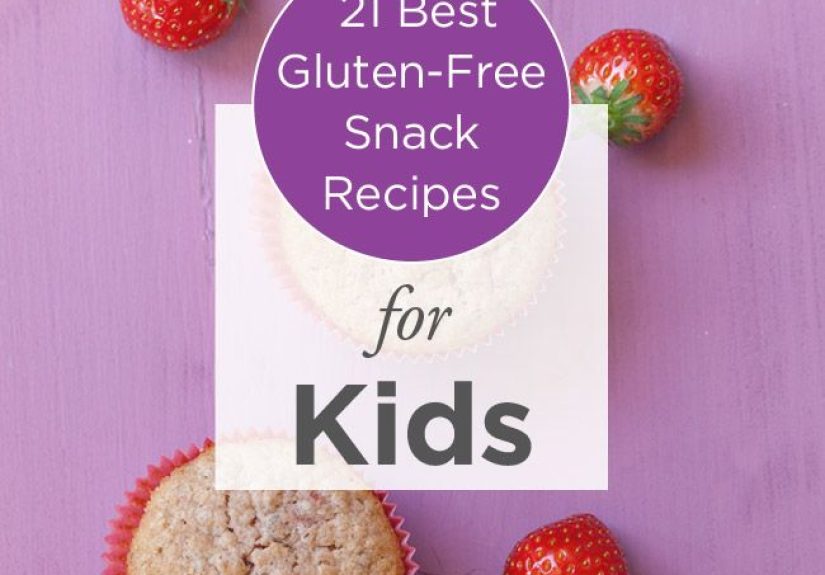
In this guide, you will find 21 gluten-free snack ideas for kids, plus practical tips on label reading, cross-contact, and building a snack routine that works in the real world. Because yes, “real world” includes sticky fingers, forgotten lunchboxes, and children who reject a food they loved yesterday for reasons known only to the moon.
What Makes a Great Gluten-Free Snack for Kids?
The best gluten-free snacks do more than simply avoid wheat, barley, and rye. They also help kids stay satisfied between meals, support energy levels, and travel well in lunchboxes, backpacks, and car seats. A good snack usually checks at least two of these boxes:
- Protein or healthy fat to help kids stay full longer
- Fiber-rich produce or gluten-free whole grains for steady energy
- Simple ingredients that are easy to recognize and pack
- School-friendly practicality for busy mornings and snack time rules
Also important: gluten-free does not automatically mean healthier. Some packaged gluten-free snacks are basically party confetti in food form, with lots of starch, sugar, and not much staying power. That is why pairing naturally gluten-free foods like fruit, yogurt, cheese, seeds, eggs, beans, potatoes, rice, or gluten-free oats can make snack time more satisfying.
Quick Gluten-Free Rules Before You Stock the Pantry
1. Naturally gluten-free foods are your best friend
Fresh fruit, vegetables, eggs, dairy, beans, potatoes, rice, nuts, seeds, poultry, and fish are naturally gluten-free. That means you can build a lot of great snacks without relying on specialty products for every bite.
2. Read labels like a tiny detective with trust issues
Packaged foods can hide gluten in seasoning blends, sauces, snack coatings, cookie crumbs, and flavorings. A food labeled gluten-free is usually the safest shortcut, especially for families managing celiac disease.
3. Oats need extra attention
Oats are naturally gluten-free, but they are often processed alongside wheat. If you use oats in bars, muffins, or energy bites, choose oats specifically labeled gluten-free.
4. Cross-contact matters
A gluten-free cracker is not so gluten-free anymore if it shares a cutting board, toaster, butter tub, or lunch-prep surface with regular bread crumbs. Separate utensils, clean prep areas, and dedicated containers can save a lot of trouble.
5. Not every child needs to avoid gluten
For kids with celiac disease, strict gluten avoidance is essential. But gluten-free eating is not automatically necessary for every child. If you are considering a gluten-free diet for symptoms, it is smart to talk with your pediatrician before making big changes.
21 Gluten-Free Snack Ideas for Your Kids
1. Apple Slices with Peanut Butter or Sunflower Seed Butter
This classic earns its gold star for a reason. The apple adds crunch and fiber, while the nut or seed butter adds fat and protein. If your school is nut-free, sunflower seed butter is the lunchbox MVP.
2. Cheese Cubes and Grapes
Simple, fast, and surprisingly elegant for something assembled in under a minute. Cheese gives protein and calcium, while grapes add sweetness that feels treat-like without becoming a sugar rocket.
3. Yogurt Parfait with Berries and Gluten-Free Granola
Layer plain or lightly sweetened yogurt with strawberries, blueberries, and certified gluten-free granola. It feels fancy, but your child does not need to know that you spent less time making it than they spent arguing about socks.
4. Ants on a Log
Celery sticks, seed or nut butter, and raisins. It is old-school, crunchy, and still weirdly fun. If celery gets a hard no from your child, try cucumber boats instead.
5. Rice Cakes with Cream Cheese and Cucumber
Choose plain gluten-free rice cakes and top them with cream cheese and thin cucumber slices. It is crisp, cool, and ideal for kids who prefer mild flavors.
6. Hard-Boiled Eggs and Cherry Tomatoes
Eggs are portable protein powerhouses. Pair with cherry tomatoes or mini cucumber slices for a no-fuss snack that feels more filling than most packaged options.
7. Popcorn with Parmesan
For older kids who can safely handle popcorn, this is a crunchy winner. Sprinkle with Parmesan cheese or a little olive oil and salt. Check seasoning blends to make sure they are gluten-free.
8. Hummus with Carrot Sticks and Gluten-Free Pretzels
Creamy hummus plus crunchy dippers equals snack peace. Carrot sticks, cucumber rounds, bell pepper strips, and gluten-free pretzels all work well here.
9. Turkey Roll-Ups
Roll slices of turkey around cheese sticks, avocado, or cucumber strips. No bread required, no crumbs involved, and no one misses the sandwich part nearly as much as expected.
10. Cottage Cheese with Pineapple
If your kid likes creamy snacks, cottage cheese with pineapple chunks offers protein, sweetness, and a nice texture contrast. You can also swap in peaches or berries.
11. Banana “Sushi”
Spread seed butter on a peeled banana, then roll it in crushed certified gluten-free cereal or unsweetened coconut. Slice into little rounds. It is not actual sushi, but kids usually forgive that detail.
12. Frozen Yogurt Bark
Spread yogurt on a tray, top with berries and gluten-free cereal, freeze, then break into pieces. It feels like dessert and works beautifully on hot afternoons.
13. Smoothie Popsicles
Blend yogurt or milk with fruit and freeze in molds. Great for kids who love smoothies but would absolutely spill one in the car within seven seconds.
14. Energy Bites with Gluten-Free Oats
Mix certified gluten-free oats with seed butter, honey, chia seeds, and mini chocolate chips, then roll into balls. These are excellent for after-school snacks and quick sports fuel.
15. Corn Tortilla Chips with Guacamole or Bean Dip
Many corn chips are gluten-free, but labels still matter. Pair with guacamole or black bean dip for a snack that brings fiber, healthy fat, and enough flavor to compete with the siren song of vending machines.
16. Mini Veggie and Cheese Snack Box
Pack cucumber rounds, mini peppers, cheese cubes, olives, and a few gluten-free crackers into a bento box. Kids love variety, and adults love not hearing “there was nothing to eat” from a lunchbox full of options.
17. Sweet Potato Rounds
Roast sliced sweet potatoes until tender and lightly crisp around the edges. Serve plain or topped with a little cinnamon, yogurt, or sunflower seed butter for a hearty gluten-free snack.
18. Gluten-Free Oat Banana Muffins
Homemade muffins made with gluten-free oats or gluten-free flour are a strong make-ahead option. Keep the sugar moderate and add mashed banana for moisture and natural sweetness.
19. Trail Mix or Seed Mix
Create a custom mix with pumpkin seeds, sunflower seeds, raisins, dried cranberries, and gluten-free cereal. If nuts are safe at home, you can add them there. For school, always follow classroom allergy rules.
20. Roasted Chickpeas
These crunchy little snacks are packed with fiber and protein. Season simply with olive oil and salt or add cinnamon for a sweeter version. They work especially well for older kids who like crunchy snacks.
21. Homemade Gluten-Free Chicken Nuggets
Use gluten-free bread crumbs or crushed gluten-free cereal for coating, then bake until crispy. Make a batch ahead of time and chill leftovers for a high-protein snack that feels much more exciting than “another apple.”
How to Choose the Right Snack for Different Situations
For school lunchboxes
Think sturdy, easy to pack, and low mess. Turkey roll-ups, cheese and grapes, veggie snack boxes, energy bites, and oat muffins are all good choices. Use small containers to keep wet foods away from crackers and chips so everything does not become one united soggy nation.
For sports and after-school activities
Go for snacks with carbohydrates plus protein, like yogurt parfaits, banana with seed butter, smoothies, or energy bites. Kids need something that fills the tank without making them feel weighed down.
For road trips
Pack a cooler with cheese sticks, fruit, hard-boiled eggs, hummus cups, and yogurt. Add shelf-stable backups like gluten-free pretzels, certified gluten-free bars, seed mix, and roasted chickpeas.
For picky eaters
Start with familiar textures and flavors. A child who refuses a bean dip may happily eat cream cheese on rice cakes. A kid who rejects veggies might go for frozen yogurt bark with fruit. Sometimes snack success is less about nutrition theory and more about presentation, timing, and whether the food is cut into stars.
How to Keep Gluten-Free Snacks Actually Gluten-Free
Here is the part parents learn quickly: buying gluten-free food is only half the job. Keeping it gluten-free is the other half.
- Use clean prep surfaces before making snacks.
- Avoid shared toasters for gluten-free bread products.
- Watch double-dipping in peanut butter, jam, butter, and cream cheese tubs.
- Store gluten-free foods separately if your household also uses regular bread, crackers, and cereal.
- Pack backups for parties, field trips, and sports days where safe options may be limited.
If your child has celiac disease, even tiny amounts of gluten can be a problem. That is why school communication matters. Teachers, coaches, caregivers, babysitters, grandparents, and anyone with access to a snack drawer should know what is safe and what is absolutely not.
Common Parent Mistakes to Avoid
Assuming “wheat-free” means gluten-free
It does not. A product can be free of wheat and still contain barley or rye ingredients.
Leaning too heavily on processed gluten-free treats
Cookies, crackers, and snack bars can have a place, but they should not be the whole plan. Kids still need protein, fiber, and variety.
Forgetting about school allergy rules
Nut-free classrooms can affect snack choices even when a food is technically gluten-free. Have a few seed-based options ready.
Making one giant batch of a “healthy” snack your child hates
This is how freezer resentment begins. Test a small batch first. Kids are honest in ways product testers only dream of.
Real-Life Experiences from the Gluten-Free Snack Trenches
For many families, gluten-free snack planning starts with a diagnosis and a deep sigh in the grocery store. Suddenly, labels matter more than ever. One parent might stand in the granola bar aisle reading ingredients like they are studying for the bar exam, while a child in the cart asks for the exact snack that is no longer safe. That moment is common. So is the panic-buying stage, where families come home with six expensive gluten-free products and only one of them gets a child’s approval.
Over time, most parents learn the same lesson: the easiest gluten-free snacks are often the simplest ones. Apples and seed butter. Cheese and fruit. Yogurt and berries. Homemade snack boxes. Instead of chasing a perfect gluten-free version of every packaged favorite, families often do better when they build a rotation of snacks their kids genuinely enjoy and can recognize without a dramatic speech.
School is usually the next big learning curve. Many parents describe the first birthday party, classroom celebration, or field trip as the moment they realized that planning ahead is not optional. The backup snack stash becomes legendary. A gluten-free muffin in the freezer. A safe cookie pack in the teacher’s cabinet. Pretzels in the car. An emergency snack bar in every bag like some kind of crumb-free survival kit. It may sound excessive until the first surprise cupcake appears and your child does not have a safe option. Then it sounds brilliant.
Another common experience is teaching children to advocate for themselves little by little. Younger kids may start by learning simple phrases like, “I need my safe snack,” or “Can you check the label?” Older kids often begin to understand that fries from one restaurant might be okay while fries from a shared fryer may not be. That confidence takes time. Parents often say the goal is not to make kids afraid of food, but to help them feel calm, informed, and included.
Grandparents, relatives, and caregivers also need a gentle onboarding process. Sometimes that means explaining cross-contact for the tenth time. Sometimes it means labeling shelves in the pantry. Sometimes it means lovingly removing the regular cracker crumbs from a cutting board before anyone makes a snack. None of this is glamorous, but it is real life.
The encouraging part is that gluten-free snack routines do get easier. Families find their favorite brands. Kids develop go-to picks. Lunch-packing becomes faster. And the emotional side improves, too, especially when children have snacks that look fun and taste good instead of feeling like second-best substitutes. In many homes, the biggest win is not just safety. It is normalcy. It is a child opening a lunchbox, seeing something they like, and getting on with the important business of being a kid.
Final Thoughts
Gluten-free snack time does not need to be a constant puzzle. With the right mix of naturally gluten-free foods, smart packaged choices, and a little planning, you can create snacks that are safe, balanced, and actually appealing to kids. Start simple, rotate favorites, read labels carefully, and keep a few backup options around for the chaos monsters known as weekday afternoons.
Most of all, remember this: your child does not need a perfect snack menu. They need a practical one. If you can serve food that is safe, filling, and cheerful enough to avoid a snack-time mutiny, you are doing just fine.