Table of Contents >> Show >> Hide
- What you’ll find in this guide
- How to use home remedies without making things worse
- The 14 Natural Treatments & Home Remedies for Psoriasis Relief
- 1) Moisturize like it’s your part-time job (because it kind of is)
- 2) Take a warm bath or showerthen stop before it becomes a documentary
- 3) Colloidal oatmeal baths for itch that won’t shut up
- 4) Dead Sea salts or Epsom salts to help lift scale and ease itch
- 5) Aloe vera: the “cooling gel friend” for mild redness and scaling
- 6) Controlled sunlight (yes) sunburn (absolutely not)
- 7) A humidifier for dry air season (aka: winter’s villain arc)
- 8) Gentle scale softening with oils (for scalp and stubborn patches)
- 9) Coal tar (old-school, still used) for itch and plaque control
- 10) Salicylic acid (OTC keratolytic) to loosen thick scale
- 11) Capsaicin cream (chili pepper power) for itch/pain signals
- 12) Oregon grape (Mahonia aquifolium) topicals: promising, but choose carefully
- 13) Anti-inflammatory eating patterns (and realistic trigger testing)
- 14) Stress management + sleep: boring advice that works annoyingly well
- A simple weekly routine (realistic, not perfect)
- Real-world experiences people often have (and what tends to help)
- Conclusion
Psoriasis is that uninvited houseguest who shows up, rearranges your furniture (your skin), then acts surprised when you’re not thrilled. It’s chronic, it’s inflammatory, and it can be downright rudeitchy, scaly plaques, soreness, cracking, and the occasional “Is my elbow shedding?” moment.
Here’s the good news: while there’s no at-home “erase” button for psoriasis, a lot of natural treatments and home remedies can reduce itch, calm irritation, soften scales, and make flare-ups less dramatic. Think of these as your comfort-and-control toolkitbest used alongside a dermatologist’s plan (not instead of it).
Quick safety note: If your skin is bleeding, oozing, very painful, suddenly worsening, or you have fever, spreading redness, or severe joint pain, skip the DIY and call a clinician. Also: “natural” can still irritate, burn, or interact with meds. Patch test first.
How to use home remedies without making things worse
Psoriasis skin can be reactive. The goal is soothe + protect + reduce triggers, not “scrub it into submission.” Before you start mixing, soaking, or slathering:
- Patch test new topicals (especially essential oils, vinegar, new creams). Try a small area for 24–48 hours.
- Think “warm,” not “hot.” Hot water can dry and irritate skincomfort now, regret later.
- Moisturize strategically: within a few minutes after bathing, when skin is still slightly damp.
- Go fragrance-free. “Ocean Breeze Mountain Meadow” is often code for “itch roulette.”
- Keep a trigger log: stress, infections, weather, alcohol, certain meds, skin injury, and sleep changes can all matter.
One more thing: psoriasis often needs medical treatment (topicals, phototherapy, systemic meds). Home remedies are best viewed as supportive carelike comfy shoes for a long walk. Helpful, yes. Not the whole journey.
The 14 Natural Treatments & Home Remedies for Psoriasis Relief
1) Moisturize like it’s your part-time job (because it kind of is)
Dryness makes itch worse, cracking more likely, and plaques feel tighter. A thick, fragrance-free cream or ointment helps protect the skin barrier and can soften scale over time. Ointments (like petroleum jelly-based) are often the heavy hitters for locking in moisture.
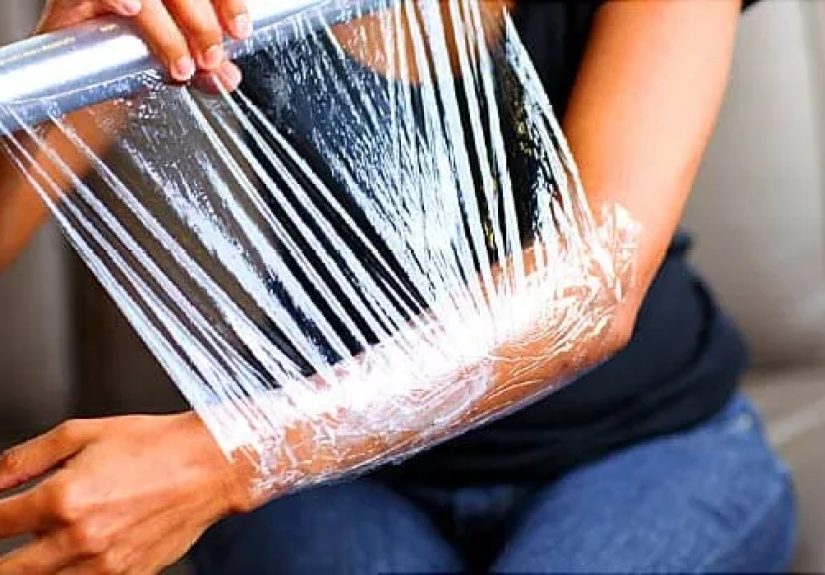
Try this: Apply a thick moisturizer right after bathing. At night, “slug” stubborn spots with an ointment layer and cotton gloves/socks if needed.
2) Take a warm bath or showerthen stop before it becomes a documentary
Warm water can soften plaques and loosen scale so skin feels less tight and irritated. The trick is keeping it short and gentle: long, hot baths can dry you out and trigger more irritation.
Try this: 5–10 minutes in warm water, mild cleanser only where needed, pat dry (don’t rub), then moisturize immediately.
3) Colloidal oatmeal baths for itch that won’t shut up
Oatmeal isn’t just for breakfastit’s a classic for calming itchy, irritated skin. Colloidal oatmeal (finely ground) disperses in water and can feel soothing, especially during flares.
Try this: Use a store-bought colloidal oatmeal product or finely grind plain oats. Soak 10–15 minutes, then moisturize.
4) Dead Sea salts or Epsom salts to help lift scale and ease itch
Salt baths are often used to loosen plaques and reduce itch. They’re not magic, but many people find them helpfulespecially when scaling is thick. Follow with moisturizer to avoid post-bath dryness.
Try this: Add salts to warm bath water, soak ~10–15 minutes, rinse with clean water, then moisturize. Skip if you have open cracks that sting.
5) Aloe vera: the “cooling gel friend” for mild redness and scaling
Aloe vera gel or creams (often around 0.5% aloe in products) may help calm redness and scaling in some people. It’s generally well tolerated, but irritation can still happenespecially with fragranced formulas.
Try this: Use a simple aloe gel/cream (no added fragrance). Apply to plaques up to a few times a day if your skin tolerates it.
6) Controlled sunlight (yes) sunburn (absolutely not)
Brief, regular exposure to natural sunlight can help some people with psoriasis. But sunburn is a known flare trigger and can worsen plaques or cause new ones. The goal is careful, time-limited exposure and smart sun protection.
Try this: Talk with your clinician first, start with very short exposure, avoid midday burn risk, and use sunscreen on unaffected skin. If you burn, stopyour psoriasis will remember.
7) A humidifier for dry air season (aka: winter’s villain arc)
Dry indoor air can worsen dryness and itch. A humidifier won’t “treat” psoriasis, but it can make your skin less crankyespecially when heaters are running.
Try this: Aim for comfortable indoor humidity, clean the humidifier regularly (mold is not a skincare ingredient), and keep moisturizing.
8) Gentle scale softening with oils (for scalp and stubborn patches)
Some people soften scale using mineral oil, coconut oil, or other simple oilsespecially on the scalpthen gently wash out later. The key word is gentle. Aggressive picking can injure skin and trigger new plaques.
Try this: Massage a small amount into scalp plaques, let it sit briefly, then shampoo out carefully. If you’re acne-prone, avoid heavy oils on the face/torso.
9) Coal tar (old-school, still used) for itch and plaque control
Coal tar has a long history in psoriasis care and is found in some shampoos and topicals. It can reduce scaling, itching, and inflammation for some people, but it can smell strong and stain fabrics (your towels may file a complaint).
Try this: Use as directed on the label, start slowly, and avoid if you’re pregnant/breastfeeding unless your clinician advises otherwise.
10) Salicylic acid (OTC keratolytic) to loosen thick scale
Salicylic acid helps soften and lift scale so other treatments can work better. It’s common in OTC psoriasis creams and shampoos. It can irritate sensitive areas, so use cautiously and follow directions.
Try this: Apply to thick plaques only, avoid eyes/groin, and moisturize after. If stinging or redness ramps up, stop and switch to plain emollients.
11) Capsaicin cream (chili pepper power) for itch/pain signals
Capsaicin can reduce pain/itch signaling in the skin for some conditions. For psoriasis, some people find it helpfulothers find it too spicy (literally). The most common issue is a burning sensation, especially at first.
Try this: Patch test first. Use a small amount, wash hands after, and avoid broken skin. If it burns intensely or you can’t tolerate it, don’t force it.
12) Oregon grape (Mahonia aquifolium) topicals: promising, but choose carefully
Oregon grape is an herbal topical sometimes used for psoriasis, and some evidence suggests it may help certain people. Product quality varies a lot, and “herbal” doesn’t automatically mean “gentle,” so patch testing matters.
Try this: If you’re curious, pick a reputable brand, patch test, and avoid mixing it with multiple other actives at the same time.
13) Anti-inflammatory eating patterns (and realistic trigger testing)
Diet isn’t a universal psoriasis curebut what you eat can influence inflammation, weight, and overall health. Many people do best with a balanced, whole-food pattern: fruits, vegetables, lean proteins, legumes, whole grains, and omega-3-rich foods (like fatty fish).
Some people notice flares with alcohol, high-sugar ultra-processed foods, or certain personal triggers. The practical approach is a simple food-and-symptom log rather than a never-ending list of “forbidden foods.”
Try this: Add omega-3-rich foods 2–3 times/week, prioritize fiber, reduce ultra-processed snack cycles, and test one change at a time for 4–6 weeks.
14) Stress management + sleep: boring advice that works annoyingly well
Stress is a common flare trigger. That doesn’t mean psoriasis is “in your head.” It means your immune system responds to stress chemistryso the flare is real. Sleep matters too: it affects inflammation, coping, and how itchy everything feels at 2:00 a.m.
Try this: Pick one stress tool you’ll actually do: a 10-minute walk, breathing exercises, yoga, journaling, therapy, or meditation. For sleep: consistent bedtime, cool/dark room, and moisturize before bed to reduce nighttime itch.
A simple weekly routine (realistic, not perfect)
Here’s a sample plan that doesn’t require a second job or a PhD in lotion science. Adjust based on what your skin likes (and what it loudly rejects).
Daily basics
- AM: Quick warm shower (or rinse), gentle cleanser, moisturizer within 3 minutes.
- Midday: Reapply moisturizer to itchy/tight spots.
- PM: Moisturizer + ointment on stubborn plaques; breathable cotton pajamas if friction is a trigger.
- All day: Avoid picking, keep nails short, and protect skin from scratches/cuts when possible.
2–3 times per week
- Oatmeal bath or salt bath (10–15 minutes), then moisturize.
- Scalp scale softening with oil (if needed), then gentle shampooing.
- Short, clinician-approved sunlight exposure (if appropriate for you).
Weekly check-in
- Note triggers: stress spikes, illness, new products, alcohol, weather changes, or skin injuries.
- Track what helps: your “yes list” is more valuable than a thousand internet tips.
Real-world experiences people often have (and what tends to help)
Psoriasis isn’t just a skin condition; it’s a “life condition.” People often describe a pattern: the skin flares, confidence dips, stress rises, sleep gets weird, and thensurprisestress makes skin even angrier. It can feel like your immune system is running a group chat called “Let’s Overreact,” and your skin is the one posting updates.
A common experience is the trial-and-error spiral. Someone buys a “miracle balm,” uses it for two days, gets impatient, switches to something else, then ends up with five half-used jars and exactly zero clarity. What tends to work better is a slower approach: pick one change, stick with it for a couple of weeks, and keep the rest of your routine boring and gentle. Psoriasis rarely responds to chaos.
Another frequent story: the shower trap. Hot showers feel amazing in the momentespecially when you’re itchy. But many people notice they come out drier, tighter, and itchier later. The switch to warm water, shorter time, and immediate moisturizing feels less “spa,” but the payoff can be noticeable within days. It’s the skincare equivalent of eating vegetables: not glamorous, strangely effective.
People with scalp psoriasis often describe the “snow globe effect”flakes on shoulders that show up at the worst times, like interviews or first dates. Many find that gently softening scale first (with a simple oil or a clinician-recommended medicated shampoo) reduces the urge to scratch and pick. And reducing picking matters: skin injury can provoke new plaques, which is the least fun “cause-and-effect” experiment on Earth.
Then there’s the emotional side. Some people avoid the gym, swimming pools, or short sleevesnot because they’re vain, but because they’re tired of explaining their skin to strangers. In support groups and patient stories, a surprisingly common turning point is finding a small routine that feels empowering: “I can’t control that psoriasis exists, but I can control what I do when it shows up.” That might be an oatmeal bath at night, moisturizing before bed, or a 10-minute stress routine. Small habits can reduce the feeling that psoriasis runs the schedule.
Food experiences vary a lot. Some people swear that cutting one trigger (like alcohol or ultra-processed snacks) reduces flares; others notice no change at all. The most consistent “win” people describe isn’t a perfect dietit’s a stable routine that supports general health: steady meals, less ultra-processed grazing, more omega-3-rich foods, and hydration. When diet helps, it often helps indirectly: better sleep, better weight management, less systemic inflammation, and fewer “hangover + stress + poor sleep” flare stacks.
Finally, many people talk about the moment they realized psoriasis isn’t purely a skin issueespecially if they develop joint stiffness or pain. That’s when a home routine becomes even more valuable as a supportive layer, but not a substitute for medical care. The best outcomes often come from a combination: effective medical treatment plus consistent self-care that keeps the skin barrier calm and triggers in check.
If you take one thing from all these experiences, let it be this: psoriasis management is less like flipping a switch and more like steering a ship. You don’t need perfectionyou need direction, consistency, and a routine your real life can tolerate.
Conclusion
Natural treatments and home remedies can be powerful allies for psoriasis relief: they soothe itch, reduce dryness, soften scale, and help you regain a sense of control. Start simplemoisturizer, gentle bathing, trigger trackingthen layer in a couple of remedies that fit your skin and your lifestyle. And if your psoriasis is moderate-to-severe, rapidly worsening, or affecting your joints, a dermatologist can help you pair self-care with treatments that address the underlying inflammation.
Bottom line: Calm skin is rarely an accident. It’s usually a routine.