Table of Contents >> Show >> Hide
- Frosting vs. Icing: What’s the Difference (Really)?
- 12 Most Popular Types of Frosting (Plus the Best Uses for Each)
- 1) American Buttercream
- 2) Swiss Meringue Buttercream (SMBC)
- 3) Italian Meringue Buttercream (IMBC)
- 4) French Buttercream
- 5) German Buttercream
- 6) Ermine Frosting (Flour Frosting / Boiled Milk Frosting)
- 7) Cream Cheese Frosting
- 8) Whipped Cream Frosting (Chantilly-Style)
- 9) Seven-Minute Frosting
- 10) Chocolate Ganache (and Whipped Ganache)
- 11) Fudge Frosting
- 12) Fondant (Rolled Fondant or Poured Fondant)
- Quick Decision Guide: Which Frosting Should You Use?
- Common Frosting Problems (and How to Fix Them Without Panic)
- Extra Clarity: Where Do Royal Icing and Glazes Fit In?
- Experience Section: 10 Frosting Moments You’ll Recognize (and Learn From)
- Conclusion
Frosting and icing are like cousins who show up to the same party dressed for totally different vibes. One’s wearing a fluffy sweater and wants a group photo on top of a birthday cake. The other is sleek, glossy, and prefers a dramatic drizzle over a doughnut.
If you’ve ever stood in your kitchen holding a whisk like it’s a tiny sword, wondering whether you’re making “frosting” or “icing,” you’re not alone. Let’s settle itand then meet the 12 frosting heavy-hitters that keep cakes, cupcakes, cookies, and snack cakes living their best lives.
Frosting vs. Icing: What’s the Difference (Really)?
It’s mostly about thicknessand what you want it to do
In everyday American baking talk, people use the words interchangeably, but bakers usually separate them by consistency and purpose:
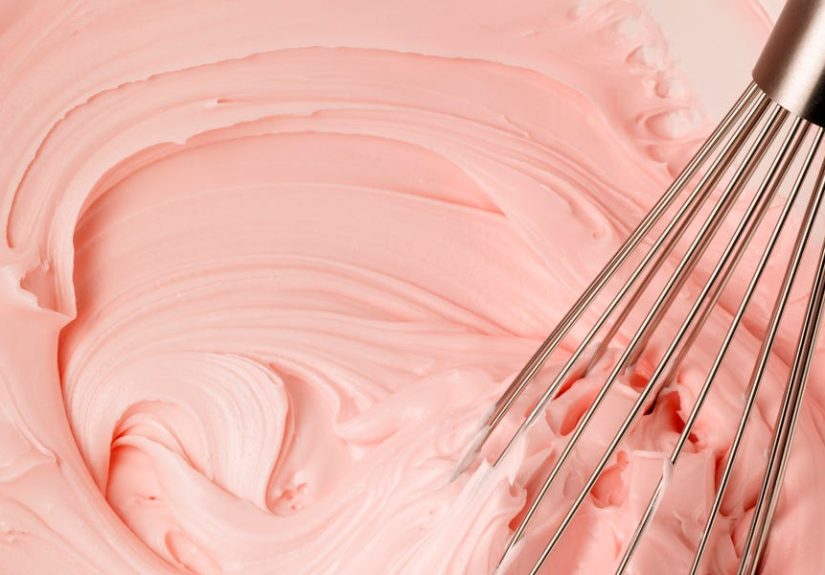
- Frosting is thick, creamy, and typically whipped. It’s designed to be spread or piped and to hold its shape on cakes and cupcakes.
- Icing is thinner and smoother, often glossy, and commonly poured, drizzled, or piped for fine detail. Many icings set as they dry, which is why decorated cookies can be stacked without becoming modern art.
A quick “what’s in it” cheat sheet
This isn’t a strict legal definition (the Dessert Police are busy), but it’s a useful rule of thumb:
- Frostings usually include a fat (butter, shortening, cream cheese, chocolate) plus sugarand often air from whipping.
- Icings usually lean on powdered sugar plus a liquid (milk, water, citrus juice), sometimes egg whites or meringue powder for structure.
So when should you pick icing instead of frosting?
Choose icing when you want a clean finish that can drizzle, pour, or dry firm (think: classic sugar cookies, Bundt cakes, glazed doughnuts). Choose frosting when you want height, swirls, cushiony layers, and that “I brought cake!” energy.
12 Most Popular Types of Frosting (Plus the Best Uses for Each)
There are plenty of variations and hybrids, but these 12 show up again and again because they solve real dessert problems: stability, flavor, sweetness level, texture, and “Can I pipe a rose without crying?”
1) American Buttercream
What it is: Butter (or shortening) beaten with powdered sugar and a splash of milk/cream. It’s the quickest classic frosting and also the sweetest.
Best for: Cupcake swirls, kids’ birthday cakes, bold colors, and anything that needs sturdy piping.
Pro tip: If it tastes like a sugar cube with a résumé, add a pinch of salt and a touch of vanilla (or espresso powder for chocolate cakes). Also: beat it long enough to get it fluffy, but not so long that it fills with giant air bubbles.
2) Swiss Meringue Buttercream (SMBC)
What it is: Egg whites and sugar warmed together, whipped into meringue, then finished with butter. Silky, less sweet, and very smooth.
Best for: Elegant layer cakes, ultra-smooth finishes, and anyone who wants buttercream that doesn’t taste like a candy aisle.
Pro tip: Temperature is everything. If it looks curdled, it’s usually too cold; keep whipping. If it’s soupy, chill briefly and whip again.
3) Italian Meringue Buttercream (IMBC)
What it is: Hot sugar syrup streamed into whipped egg whites, then butter added. It’s famously stable and smooth with a light, glossy finish.
Best for: Weddings, warm venues, sharp piping, and “I need this cake to survive the car ride.”
Pro tip: Use a thermometer and stream syrup slowly. Italian buttercream is confident, but it does not enjoy being rushed.
4) French Buttercream
What it is: A rich buttercream built on egg yolks and hot sugar syrup, creating a custardy, luxurious texture.
Best for: Fillings, decadent cakes, and flavors like coffee, caramel, and chocolate where richness is the point.
Pro tip: It’s softer than Swiss/Italian styles, so it’s often better as a filling than for tall outdoor piping in summer heat.
5) German Buttercream
What it is: Pastry cream (or pudding-style custard) whipped with butter. It’s smooth and plush, like frosting wearing velvet slippers.
Best for: Cakes where you want creamy flavor without extreme sweetnessthink spice cakes, vanilla cakes, or anything that loves a cozy, dairy-forward bite.
Pro tip: Let the custard cool fully before adding butter. Otherwise, you’ll invent “butter soup,” which is not the trend you want to start.
6) Ermine Frosting (Flour Frosting / Boiled Milk Frosting)
What it is: Milk and flour cooked into a thick paste, cooled, then whipped with butter and sugar. It’s light, silky, and notably less sweet than American buttercream.
Best for: Red velvet cake, vintage-style cakes, and people who want frosting that tastes like dessertnot pure sugar.
Pro tip: Cook the flour mixture until it’s truly thick and smooth, then cool completely. Warm paste + butter = heartbreak.
7) Cream Cheese Frosting
What it is: Cream cheese beaten with butter and powdered sugar (sometimes with vanilla). Tangy, creamy, and basically the reason carrot cake has a fan club.
Best for: Carrot cake, red velvet, spice cake, pumpkin bars, cinnamon rolls, and “I just ate the frosting with a spoon” situations.
Pro tip: Keep ingredients cool-ish, not melting warm. If it gets too soft, chill and re-whip. And remember: cream cheese frosting is usually less pipe-stiff than classic buttercream.
8) Whipped Cream Frosting (Chantilly-Style)
What it is: Sweetened whipped creamsometimes stabilized with gelatin, mascarpone, cream cheese, or pudding mix. It’s light and cloudlike.
Best for: Fresh fruit cakes, shortcakes, light sponges, and desserts that want to taste “airy” instead of “buttery.”
Pro tip: It’s temperature-sensitive. If the party is outdoors in July, consider stabilizing itor choose a buttercream that won’t melt into a charming puddle.
9) Seven-Minute Frosting
What it is: A glossy meringue-style frosting made by whipping egg whites and sugar over heat until thick and fluffy. It’s light, marshmallowy, and old-school in the best way.
Best for: Vintage layer cakes, coconut cakes, s’mores-style desserts, and anyone who loves a soft, pillowy topping.
Pro tip: Work quickly once it’s ready; it sets up fast. This frosting is not interested in waiting while you scroll for decorating inspiration.
10) Chocolate Ganache (and Whipped Ganache)
What it is: Chocolate + warm cream stirred into a smooth emulsion. Used as glaze, filling, or frosting depending on ratio and temperature. Whipped ganache is ganache that’s cooled and whipped to a lighter texture.
Best for: Drip cakes, glossy glazes, truffles, cupcake frosting (whipped), and any dessert where chocolate is the main character.
Pro tip: Use good chocolate. Ganache is simple, which means it has nowhere to hide.
11) Fudge Frosting
What it is: A cooked or melted-chocolate frosting that leans dense and deeply chocolateyoften setting into a soft-fudge finish.
Best for: Devil’s food cake, sheet cakes, brownies, and anyone who believes chocolate should be taken seriously.
Pro tip: Pay attention to timing and cooling. Many fudge frostings go from “perfectly spreadable” to “cement with dreams” if you wait too long.
12) Fondant (Rolled Fondant or Poured Fondant)
What it is: A sugar-based dough or pourable mixture used to create a smooth, flawless exterior and decorative shapes. Rolled fondant is what you drape over cakes; poured fondant is more like a thick icing used for petits fours and glossy finishes.
Best for: Celebration cakes with sharp edges, sculpted designs, and that ultra-smooth “magazine cover” look.
Pro tip: Many bakers pair fondant with an undercoat of buttercream or ganache for flavor and structurebecause fondant is great at looking perfect, and buttercream is great at tasting perfect. Teamwork makes the dream work.
Quick Decision Guide: Which Frosting Should You Use?
- Need super-stable piping? American buttercream or Italian meringue buttercream.
- Want silky and not-too-sweet? Swiss or Italian meringue buttercream, or ermine.
- Want tangy and cozy? Cream cheese frosting.
- Want light and fresh? Whipped cream (stabilized if needed).
- Want glossy chocolate drama? Ganache (whipped for frosting, warm for glaze).
- Need a smooth “wedding cake” exterior? Swiss/Italian buttercream, ganache, or fondant.
Common Frosting Problems (and How to Fix Them Without Panic)
Problem: Frosting is too runny
Chill it for 10–15 minutes and re-whip. If it’s American buttercream, add a little more powdered sugar. If it’s a meringue buttercream, it may simply be too warmcool it slightly and whip until it emulsifies.
Problem: Buttercream looks curdled or broken
Don’t toss it. This is often temperature drama, not a true failure. Keep whipping; if it’s cold, warm the bowl slightly (briefly) and whip. If it’s too warm, chill and whip.
Problem: Grainy texture
For American buttercream, sift powdered sugar and beat longer. For meringue-based styles, ensure sugar is fully dissolved before adding butter.
Problem: Air bubbles and “pockmarks” when smoothing
Beat on a lower speed near the end to knock out large bubbles. Use a bench scraper and gentle pressure; sometimes a quick pass with a warmed scraper helps create a cleaner finish.
Extra Clarity: Where Do Royal Icing and Glazes Fit In?
These are classic icings, not frostingsbut they’re worth knowing because they answer a different dessert question:
- Royal icing (powdered sugar + egg whites/meringue powder) dries hard, making it ideal for detailed cookie decorating and gingerbread houses.
- Simple glaze icing (powdered sugar + liquid) drizzles easily and sets lightlyperfect for Bundt cakes, doughnuts, and quick finishes.
- Poured fondant icing creates a smooth, shiny coating, often used on petits fours and bakery-style finishes.
Experience Section: 10 Frosting Moments You’ll Recognize (and Learn From)
Frosting isn’t just a recipeit’s a whole emotional journey in a mixing bowl. If you’ve baked more than twice, you’ve probably lived at least a few of these moments (and if you haven’t yet, congratulations on your suspiciously calm kitchen).
1) The “why is my buttercream soup?” moment. You’re feeling confident, the cake layers are stacked, and suddenly the frosting slides like it’s late for a meeting. Nine times out of ten, it’s heat. Warm kitchen, warm hands, warm cake, warm everything. The fix is rarely complicated: chill the frosting, chill the cake, and embrace the refrigerator as your best friend.
2) The “curdled buttercream panic” moment. Meringue buttercreams love to look broken right before they look perfect. It’s the baking version of a plot twist. Keep whipping. If you suspect temperature trouble, nudge it warmer or coolergently. The goal is emulsification, not a dramatic cooking show meltdown.
3) The “cream cheese frosting won’t pipe a rose” reality check. Cream cheese frosting tastes amazing, but it’s softer by nature. When you need crisp edges, either chill it, add structure carefully, or choose a frosting designed for sharp piping. Sometimes the most delicious option is a swoop, not a skyscraper.
4) The “seven-minute frosting waits for no one” sprint. This frosting sets up quickly, which means your decorating plan should be ready before it hits peak fluff. Gather tools, clear counter space, and don’t decide mid-whip that now is the time to wash the piping tips.
5) The “ganache can be three different things in one day” discovery. Warm ganache drips like a dream. Slightly cooled ganache spreads like satin. Chilled and whipped ganache becomes a frosting you’ll want to put on everythingeven things that are not dessert (please don’t). The experience teaches you that temperature is an ingredient.
6) The “fondant looks flawless but tastes… complicated” debate. Fondant is unbeatable for clean lines and sculpted designs, but plenty of people prefer buttercream flavor. Many bakers solve this by using a thin fondant layer over a delicious base frosting so the cake looks sharp and still tastes like a celebration instead of pure sugar.
7) The “humidity vs. icing” showdown. Royal icing and glaze can behave differently in humid weatherdrying slower, staying tacky, or losing that crisp finish. The lived lesson: plan more drying time than you think, and if you’re stacking cookies for gifts, make sure they’re truly set.
8) The “crumb coat saved my sanity” win. The first swipe of frosting collects crumbs like a lint roller. A thin crumb coat locks everything in, then a short chill firms it up. After that, your final coat looks cleaner, smoother, and far more professionallike you knew what you were doing the whole time.
9) The “less sweet is sometimes more impressive” epiphany. American buttercream is classic, but some palates prefer Swiss, Italian, or ermine because they let cake flavors shine. Once you’ve tasted a silky, not-too-sweet buttercream on a well-baked vanilla sponge, it’s hard to go back.
10) The “frosting is a design tool” lightbulb moment. Frosting changes everything: texture, sweetness, appearance, and even how a cake slices. A fluffy whipped cream frosting makes a dessert feel light and fresh. A fudge frosting turns it into something rich and nostalgic. Ganache makes it dramatic. The experience isn’t just learning recipesit’s learning how to match a frosting to the mood you want.
In the end, the best frosting is the one that does the job you need: holds up, tastes right, and makes you happy when you lick the spoon. (Yes, spoon-licking is a valid quality test. Very scientific.)
Conclusion
Frosting vs. icing isn’t a battleit’s a toolkit. Frosting is your thick, creamy, pipeable partner for cakes and cupcakes. Icing is your smooth, glossy finisher for drizzles, cookie details, and neat set-ups. Once you know what each one is built to do, choosing becomes easyand your desserts start looking (and tasting) more like the version you pictured in your head.