Table of Contents >> Show >> Hide
- Before You Start: A Quick Balcony Cleaning Checklist
- 1. Start With a Good Old-Fashioned Sweep
- 2. Give the Surface a Light Rinse
- 3. Use Dish Soap and Warm Water for General Grime
- 4. Scrub With a Nylon or Non-Metal Brush
- 5. Spot-Clean Bird Droppings and Plant Messes Right Away
- 6. Treat Mold and Mildew With Detergent First
- 7. Use Diluted Bleach Only for Stubborn Mildew Stains
- 8. Use a Concrete-Safe Degreaser for Oil and Grill Stains
- 9. Handle Rust and Efflorescence as Two Different Problems
- 10. Don’t Let Cleaners Dry on the Surface
- 11. Pressure Wash Carefully, or Skip It Entirely
- 12. Rinse Well, Dry Thoroughly, and Consider Sealing
- What Not to Do When Cleaning a Concrete Balcony
- How Often Should You Clean a Concrete Balcony?
- Real-Life Experience: What You Learn After Cleaning a Concrete Balcony More Than Once
- Final Thoughts
A concrete balcony is a lot like a white T-shirt: it looks fresh for about five minutes, and then life happens. Dust blows in, plant soil spills, bird droppings appear out of nowhere like they’re on payroll, and moisture settles into shady corners until mildew decides to move in rent-free.
The good news? Cleaning a concrete balcony does not require industrial-strength drama. In most cases, you can get the job done with a broom, water, a gentle cleaner, a good brush, and a little strategy. The trick is knowing which mess needs a light touch and which stain needs a more targeted plan.
This guide breaks down 12 easy ways to clean a concrete balcony, from everyday dirt to stubborn grease, rust, mildew, and that mysterious white chalky film that makes concrete look permanently annoyed. Along the way, you’ll also learn what not to do, because concrete is tough, but it still has opinions.
Before You Start: A Quick Balcony Cleaning Checklist
Before you start scrubbing like you’re auditioning for a home makeover show, set yourself up properly. A balcony has less room to work with than a patio or driveway, so preparation matters.
- Remove furniture, rugs, planters, and décor.
- Sweep up loose debris and clear the drain area.
- Test any cleaner on a small, hidden spot first.
- Wear gloves and eye protection if you’re using stronger products.
- Keep runoff under control so you don’t send grime onto neighbors below.
- Never mix bleach with ammonia or acidic cleaners. Ever. Not even once. Not even “just a little.”
If your balcony is painted, sealed, or coated, use extra caution. Strong acids, harsh abrasives, and overly aggressive pressure washing can damage the finish faster than you can say, “Well, that was a mistake.”
1. Start With a Good Old-Fashioned Sweep
The first step in cleaning a concrete balcony is the least glamorous and one of the most important: dry cleaning. Sweep away dust, leaves, dead bugs, loose soil, and every mystery crumb that has been living in the corners.
This step matters because wetting debris turns it into mud, and mud is just dirt that got confident. Use a stiff outdoor broom to work dust out of corners, along edges, and around the balcony drain. If you skip this part, you’ll spend the rest of the job pushing gritty sludge around like a tiny, irritating swamp.
2. Give the Surface a Light Rinse
Once the loose debris is gone, lightly wet the concrete. A garden hose with a spray nozzle works well if your balcony has one. If not, a bucket of water and a mop, or even a spray bottle for smaller spaces, can do the trick.
The goal here is not to flood the balcony like you’re testing a marina. You just want to loosen dirt and soften stuck-on grime. On a balcony, controlled water use is smarter than a full soaking because you need to manage drainage and prevent dirty runoff from traveling where it shouldn’t.
3. Use Dish Soap and Warm Water for General Grime
If your balcony is just dirty, not disaster-level dirty, start with the simplest method: warm water and a few drops of dish soap. This is often enough to brighten concrete that has picked up dust, light stains, and everyday outdoor buildup.
Apply the soapy solution with a mop or brush, then scrub the surface in sections. This method is especially handy for routine maintenance because it is gentle, inexpensive, and unlikely to harm a sealed or painted surface when used properly. Think of it as the “let’s not overcomplicate this” option.
4. Scrub With a Nylon or Non-Metal Brush
Concrete may be durable, but that doesn’t mean you should attack it with a metal brush like you’re sanding down a pirate ship. A stiff nylon or non-metal brush is usually the better choice.
It gives you enough scrubbing power to lift dirt and grime without leaving metal marks or damaging a coating. Work in small sections and let the cleaner do some of the heavy lifting. Scrubbing should feel productive, not like you’re trying to erase the balcony from existence.
5. Spot-Clean Bird Droppings and Plant Messes Right Away
If your balcony doubles as a container garden or an unofficial bird lounge, you’re probably dealing with droppings, leaf stains, fertilizer spots, and soil smudges. The easiest way to handle these is quickly.
Fresh messes are much easier to remove than stains that have been baking in the sun for a week. Wet the area first, add mild detergent, and scrub gently. For dried-on droppings, let the cleaner sit for a few minutes before scrubbing. If a metal plant stand leaves a rust halo or fertilizer creates orange-brown marks, you may need a stain-specific treatment later on.
6. Treat Mold and Mildew With Detergent First
Shady balconies, humid climates, and corners that stay damp are prime real estate for mold and mildew. If you see black, green, or gray spotting on the surface, start with detergent and water before jumping straight to stronger chemicals.
Scrub the area thoroughly, rinse it well, and dry it as completely as possible. Just as important as cleaning is fixing the moisture issue. If your balcony stays wet because of clogged drains, overwatered plants, or poor airflow, mildew will be back like it forgot its charger.
7. Use Diluted Bleach Only for Stubborn Mildew Stains
If detergent alone doesn’t cut through mildew staining, a diluted bleach solution may help on unpainted, uncoated concrete. Use it carefully, ventilate the space, wear gloves and eye protection, and rinse thoroughly after scrubbing.
Keep the solution controlled and never combine bleach with ammonia or acidic cleaners. That is not a cleaning hack; that is a chemistry accident. Also protect nearby plants, fabrics, and metal fixtures from splashback, because bleach is excellent at overachieving in all the wrong ways.
8. Use a Concrete-Safe Degreaser for Oil and Grill Stains
If your balcony is home to a grill, outdoor kitchen cart, or the occasional leaky plant-food bottle, oil and grease stains can soak into concrete surprisingly fast. Plain soap may lighten the stain, but older greasy spots usually need a concrete-safe degreaser.
Apply the product according to label directions, let it sit for the recommended time, then scrub with a stiff non-metal brush and rinse thoroughly. Do not assume “stronger” means “better.” Matching the cleaner to the stain type usually works better than dumping random products on the spot and hoping for a miracle.
9. Handle Rust and Efflorescence as Two Different Problems
Rust stains and efflorescence may both look ugly, but they are not the same thing. Rust usually appears as orange or reddish-brown marks from metal furniture, railing hardware, or plant stands. Efflorescence is the white, powdery or chalky residue caused by salts moving through concrete with moisture.
Rust often responds to a concrete-safe rust remover or, for mild cases, a carefully tested vinegar-and-water approach. Efflorescence usually needs dry brushing first and sometimes a cleaner designed specifically for masonry or concrete. The bigger issue is moisture: if water keeps moving through the slab, that white film can keep coming back like an unwanted subscription.
10. Don’t Let Cleaners Dry on the Surface
This one sounds boring, but it saves a lot of frustration. Whether you’re using dish soap, degreaser, a mildew treatment, or a specialty cleaner, don’t let it dry completely on the concrete while you work.
When cleaners dry too fast, they can leave residue, streaks, or a weird film that makes the balcony look worse, not better. Work in small sections, especially in direct sun, and keep an eye on the surface. Cleaning concrete is already enough of a personality test. No need to add accidental residue art.
11. Pressure Wash Carefully, or Skip It Entirely
Yes, pressure washers can clean concrete very effectively. No, that does not mean every balcony should be blasted like a driveway. A concrete balcony has railings, walls, doors, drains, and sometimes waterproofing layers or coatings that do not appreciate aggressive pressure.
If you use a pressure washer, keep the pressure moderate, maintain distance from the surface, and avoid forcing water into cracks, edges, door thresholds, or expansion joints. For many balconies, a hose, scrub brush, and the right cleaner are safer and easier. Sometimes the smartest power move is not using the power washer at all.
12. Rinse Well, Dry Thoroughly, and Consider Sealing
After cleaning, rinse away all residue and remove excess water with a mop or squeegee. Then let the balcony dry completely. This step is not optional if you want to prevent new mildew growth or avoid trapping residue on the surface.
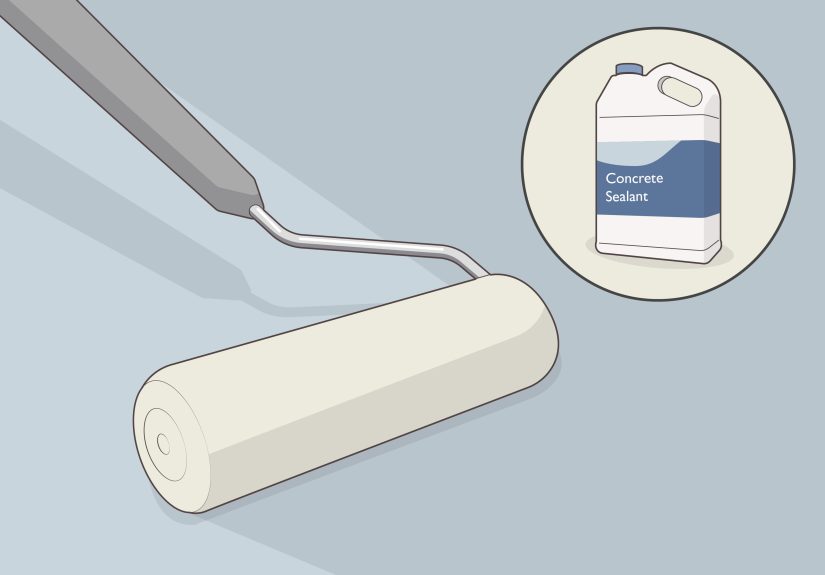
If your balcony is bare concrete and gets a lot of weather exposure, applying a suitable exterior concrete sealer can make future cleaning easier and help resist staining. Sealing is not a magic shield, but it does give dirt, moisture, and spills fewer places to settle in. In other words, it helps your balcony stop absorbing every bad decision.
What Not to Do When Cleaning a Concrete Balcony
- Don’t use a metal brush on coated or delicate surfaces.
- Don’t mix bleach with ammonia, vinegar, or other cleaners.
- Don’t use acid-based products casually or without reading the label.
- Don’t let leaves, wet soil, or standing water sit for weeks.
- Don’t ignore a clogged drain or recurring damp corner.
- Don’t assume every stain needs the same cleaner.
How Often Should You Clean a Concrete Balcony?
For most homes, a quick sweep once or twice a week and a deeper cleaning every few months works well. If your balcony gets heavy rain, lots of shade, tons of plant traffic, or regular grilling action, you may need to clean it more often.
A smart routine looks like this:
- Weekly: Sweep debris, clear drains, and wipe up fresh stains.
- Monthly: Scrub high-traffic or problem spots.
- Seasonally: Deep-clean the full surface and inspect for mildew, cracks, or sealer wear.
Routine maintenance is the real secret here. Deep cleaning a lightly dirty balcony is easy. Deep cleaning a balcony that has been ignored for six months feels more like negotiating with a hostile surface.
Real-Life Experience: What You Learn After Cleaning a Concrete Balcony More Than Once
The first time most people clean a concrete balcony, they assume it will be simple: add water, add soap, scrub a little, admire results, go inside feeling wildly competent. And sometimes that happens. But more often, the balcony decides to teach a few lessons.
One of the biggest surprises is how many different kinds of dirt can live on one small slab. There is the light city dust that settles everywhere. There is the gritty soil that escapes every potted plant no matter how careful you are. There is the sticky ring under the planter saucer that somehow looks both damp and fossilized. Then, if you have outdoor chairs with metal legs, there is the slow appearance of rust marks that seem to bloom overnight. It turns out a balcony can collect the same range of stains as a driveway, just in a smaller, sassier format.
Another common experience is learning that moisture is usually the real villain. Many people scrub away mildew successfully, only to see it creep back a few weeks later in the exact same corner. That is usually the balcony waving a flag and saying, “Hello, I am staying wet over here.” Maybe the drain is partially blocked with leaves. Maybe a planter is leaking constantly. Maybe the area behind a chair never gets enough sunlight. Once you fix the dampness, the cleaning gets much easier and the results actually last.
People also discover that being too aggressive can backfire. It is tempting to bring out the strongest cleaner in the house, especially when the concrete looks dark, stained, or stubborn. But concrete balconies often respond better to patience than panic. A mild cleaner, the right brush, and two passes usually beat one chaotic attack with a mystery chemical cocktail. Many DIYers learn this after a cleaner leaves residue, discolors a coated surface, or creates fumes that make the whole project instantly regrettable.
Then there is the surprisingly emotional victory of finishing the job. A clean concrete balcony changes how the whole space feels. It looks brighter. Plants look prettier. Outdoor furniture suddenly seems intentional instead of abandoned. Even a tiny apartment balcony starts to feel like an actual retreat instead of a holding zone for pollen, puddles, and regret.
That is why the best balcony-cleaning experience usually is not about getting the slab perfect. It is about building a routine that keeps it from getting out of hand. Once you know your balcony’s trouble spots, the job gets faster every time. You know where grime gathers, where water sits, where mildew tries its little comeback tour, and which cleaner actually works. In the end, cleaning a concrete balcony is less about brute force and more about paying attention. Also, yes, a decent broom helps. A lot.
Final Thoughts
If you want to know the easiest way to clean a concrete balcony, here it is: start simple, match the cleaner to the mess, manage moisture, and do not wait until the floor looks like it has survived three weather systems and a pigeon uprising.
Most balcony cleaning jobs can be handled with sweeping, light rinsing, dish soap, a non-metal brush, and spot treatments for mildew, grease, rust, or efflorescence. Save the heavy-duty methods for truly stubborn stains, and always treat stronger chemicals with respect.
With the right routine, your concrete balcony can stay cleaner, safer, and a lot more inviting. Which means you can spend less time scrubbing and more time doing what balconies were made for: coffee, fresh air, and pretending you absolutely love watering plants at 7 a.m.