Table of Contents >> Show >> Hide
- When a Phone Breakup Is Actually the Best Option
- Before You Call: Prep Like a Human, Not a Telemarketer
- 11 Ways to Break Up Over the Phone (Without Making It a Dumpster Fire)
- 1) Send a heads-up text to schedule the call
- 2) Choose your setting like you’re about to do something hard (because you are)
- 3) Open with clarity in the first 20 seconds
- 4) Use “I” statements and keep the reason short
- 5) Don’t over-explain (it invites negotiations)
- 6) Be compassionate, but don’t soften the message into confusion
- 7) Expect emotionand plan for it
- 8) Set post-breakup boundaries during the call
- 9) Avoid mixed messages: no “maybe later,” no “let’s stay best friends” (unless you truly mean it)
- 10) Handle logistics briefly and concretely
- 11) Close the call with a clear endingand (optional) one follow-up message
- Quick “What to Say” Scripts for Common Moments
- What Not to Do (Even If You’re Tempted)
- After the Call: How to Protect Your Peace
- Extra: Real-Life Experiences People Commonly Report (About )
- The “I talked for ten minutes and still didn’t say it” experience
- The “I gave too many reasons and we argued about all of them” experience
- The “I tried to be nice and accidentally made it sound temporary” experience
- The “long-distance breakup relief” experience
- The “boundaries saved me” experience
- The “I stayed calm and it changed everything” experience
- Conclusion
Breaking up over the phone is like trying to return something without the receipt: not ideal, sometimes necessary, and best handled with calm confidence. If you’re ending a relationship long-distance, trying to avoid a public scene, or prioritizing safety, a breakup call can be the most respectful optioneven if it feels awkward.
The goal isn’t to win the breakup (please do not attempt to “win” the breakup). The goal is clarity, kindness, and a clean exit so both of you can stop living in emotional limbo. This guide will walk you through how to break up over the phone in a way that’s honest, considerate, andmost importantlyfinal.
When a Phone Breakup Is Actually the Best Option
In an ideal world, every breakup comes with a calm face-to-face chat, a tasteful soundtrack, and two people who both say, “Yes, this is fair.” In the real world, sometimes the phone is the healthiest tool you’ve got.
- You’re long-distance and an in-person meeting would take weeks (and prolong stress for both of you).
- You feel unsafe or worry they might react aggressively. Safety beats “proper etiquette” every time.
- The relationship is short or casual and meeting up would feel like staging a full Broadway finale for a two-scene show.
- You need privacy (for example, you share social circles and don’t want an audience).
- You’re trying to avoid mixed messages (seeing someone in person can make it easier to backpedal).
Important: If there’s any history of controlling behavior, threats, stalking, or intimidation, prioritize safety and support. Ending things by phone (or with help nearby) can be the safest approach.
Before You Call: Prep Like a Human, Not a Telemarketer
Pick a time that’s privatenot dramatic
Avoid calling during class, work, family dinners, or five minutes before a big exam or event. Aim for a time when they can be somewhere private and you can be uninterrupted. Also: please don’t call at 2:00 a.m. unless you’re announcing a meteor.
Decide what you’re actually saying
You don’t need a novel. You need one clear sentence that states the decision, plus one short reason that’s honest but not cruel. If you go in without a plan, anxiety will drive the car… and it has no license.
Know your boundaries ahead of time
Will you do “no contact” for a while? Will you unfollow? What happens with shared stuff (hoodies, photos, streaming passwords)? Decide before the call so you don’t negotiate under pressure.
11 Ways to Break Up Over the Phone (Without Making It a Dumpster Fire)
1) Send a heads-up text to schedule the call
Don’t break up by surprise ambush. A simple, neutral text helps them be in the right headspace.
Example: “Heycan we talk on the phone tonight? Nothing urgent, but I’d like a real conversation.”
Note: Don’t say “We need to talk” like you’re a movie villain. Keep it calm and normal.
2) Choose your setting like you’re about to do something hard (because you are)
Find a quiet place where you won’t be interrupted and you can speak clearly. If you’re worried about safety, make the call with a trusted person nearby (not on speaker, just nearby), and be ready to end the call if it escalates.
3) Open with clarity in the first 20 seconds
The longer you warm up, the more it feels like a prank. Start kindlybut clearly.
Example opener: “I’ve been thinking a lot, and I need to be honest. I don’t want to continue this relationship. I’m sorryit’s hard to say, but I’m sure.”
4) Use “I” statements and keep the reason short
You can be truthful without running a highlight reel of their flaws. Focus on your decision and what isn’t working for you.
- Good: “I don’t feel the connection I need, and I don’t want to keep pretending.”
- Not great: “You’re annoying and your laugh is illegal.”
A short reason is easier to understand and less likely to become a debate.
5) Don’t over-explain (it invites negotiations)
When people feel hurt, they look for loopholes: “So if I change X, you’ll stay?” If you list ten reasons, you’ll end up arguing about all ten.
Try the “two sentences and stop” rule:
Example: “I’ve realized I’m not happy in this relationship. I don’t think it’s right to keep going when I feel this way.”
6) Be compassionate, but don’t soften the message into confusion
Kindness matters. Clarity matters more. You can acknowledge their feelings without reversing your decision.
Example: “I know this hurts. I care about you as a person. But I’m not changing my mind.”
7) Expect emotionand plan for it
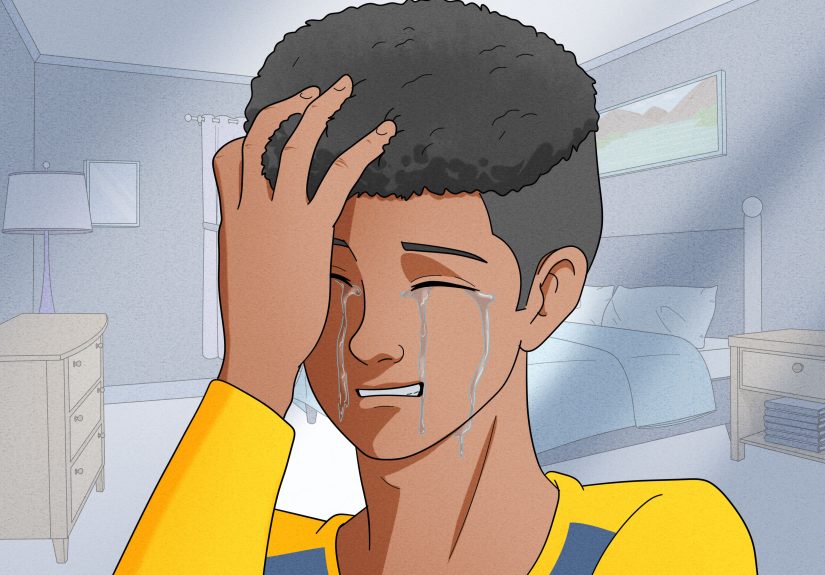
They might cry, get quiet, get angry, or ask the same question five different ways because their brain is buffering. Your job is to stay steady.
- If they cry: “I’m sorry. I know this is painful. I’m here for a few minutes to talk.”
- If they get angry: “I hear you’re upset. I’m not going to argue. I’m ending the relationship.”
- If they beg: “I understand you want to fix this. I’ve made my decision.”
8) Set post-breakup boundaries during the call
Breakups get messier after the call if you don’t define what happens next. Mention boundaries calmly, like you’re reading the weatherno drama, just information.
Examples:
- “I’m going to take space and not text for a while.”
- “I’m going to unfollow for my own peaceno hard feelings.”
- “If we see each other at school/events, I’ll keep it polite, but I need distance.”
9) Avoid mixed messages: no “maybe later,” no “let’s stay best friends” (unless you truly mean it)
In the moment, people say things to reduce guilt: “Maybe we’ll get back together” or “We can talk every day as friends.” That can keep the other person emotionally stuck.
If you want to leave room for friendship someday, use honest timing:
Example: “I can’t be close friends right away. Maybe in the future, but not now.”
10) Handle logistics briefly and concretely
If you have belongings to return, shared accounts, or shared plans, keep it practical and short.
Example: “I can drop off your hoodie on Friday after school. I’ll also log out of the shared account tonight.”
Don’t turn logistics into an excuse for a “breakup reunion tour.” One exchange, one time, done.
11) Close the call with a clear endingand (optional) one follow-up message
People often drag out the goodbye because endings feel sharp. But clean endings heal faster.
Example closing: “I’m going to get off the phone now. I wish you well. Please take care of yourself.”
If it helps prevent confusion, you can send a short follow-up text afterward:
Example: “Thank you for talking with me. I meant what I saidwe’re broken up. I’m going to take space and won’t be messaging for a while.”
Quick “What to Say” Scripts for Common Moments
If they ask “Why?”
“I don’t think we’re a good match long-term, and I don’t want to keep forcing it. I know that’s hard to hear, but it’s the truth.”
If they say “But we can fix it!”
“I respect that you want to work on it. I’ve thought about this carefully, and I’m not going to continue the relationship.”
If they call you names or try to guilt you
“I’m not going to stay on the phone if we’re insulting each other. I’m ending the relationship, and I’m going to hang up now.”
If they threaten to show up or won’t stop contacting you
“I need you to stop contacting me. If you don’t, I’ll involve an adult/school administrator and take steps to protect my space.”
If they say something scary like “I can’t live without you”
Take it seriously without becoming their only support system.
“I’m really sorry you’re feeling that way, and I want you to get help right now. I’m going to contact a trusted adult/your family or someone who can support you immediately.”
What Not to Do (Even If You’re Tempted)
- Don’t break up by text if a phone call is possible and safe. Text is too easy to misread and too hard to process emotionally.
- Don’t list every complaint you’ve collected since day one. This is a breakup, not a performance review.
- Don’t argue facts (“I was late because you were late!”). Stay on the decision, not the courtroom drama.
- Don’t keep calling back out of guilt. One clear conversation is kinder than five confusing ones.
- Don’t post about it immediately (especially vague captions). Give it a beat. Your future self will thank you.
After the Call: How to Protect Your Peace
The breakup call is the headline. What you do next is the whole story.
Create space (yes, even if you miss them)
A short “no-contact” period can help your brain reset and reduce the urge to re-open the decision every time you feel lonely. If you share friend groups or classes, aim for polite distance.
Set social media boundaries
Muting/unfollowing isn’t crueltyit’s emotional hygiene. You’re not obligated to watch their stories like it’s your job.
Tell one or two trusted people
Choose supportive friends, a parent/guardian, or a counselorespecially if you’re worried about safety, rumors, or harassment. Getting support helps you stay steady and avoid backsliding into a relationship you already chose to end.
Expect the “second-guess wave”
It’s common to feel guilt, nostalgia, and “Did I do the right thing?” moments. Missing someone doesn’t automatically mean you should be with them. Sometimes it just means you’re human.
Extra: Real-Life Experiences People Commonly Report (About )
Because breakups are intensely personal, there’s no one “perfect” breakup call. But people tend to report the same patternswhat went right, what went wrong, and what they wish they’d done differently. Here are a few common experiences that mirror what many people go through when they break up over the phone.
The “I talked for ten minutes and still didn’t say it” experience
A lot of people start the call with casual chatter because they’re nervous: “So… how was your day?” Then the clock ticks, anxiety rises, and suddenly they’re discussing lunch plans like nothing’s happening. The lesson people share: lead with clarity early. When you finally say, “I think we should break up,” the other person often responds with, “Wait, what? I thought we were just catching up.” Starting clearly isn’t coldit prevents emotional whiplash.
The “I gave too many reasons and we argued about all of them” experience
Many folks try to be thorough, thinking it will provide closure: a list of every mismatch, every annoyance, every moment they felt hurt. But what often happens is the other person grabs one detail (“That’s not true!”) and the breakup becomes a debate tournament. People later wish they’d used fewer reasons and more boundaries. A simple “I’m not happy and I’m ending this” is harder to litigate than a list of ten complaints.
The “I tried to be nice and accidentally made it sound temporary” experience
Guilt can make people soften language until it’s basically a confusing apology smoothie: “Maybe we should take a break… I don’t know… maybe later… I’m sorry…” The other person hears “not sure,” and starts bargaining. People often report that the kindest version is actually the clearest version: “I’m ending the relationship.” You can still be gentle, but avoid language that creates false hope if you’re done.
The “long-distance breakup relief” experience
In long-distance relationships, people frequently say the phone breakup felt like pulling off a bandage they’d been tugging at for weeks. They didn’t have to plan travel, pretend through a visit, or spend money just to deliver bad news. While it still hurt, it shortened the “waiting room” phase where both people sense something is wrong but keep performing normalcy. The shared takeaway: don’t drag it out just because logistics are complicated.
The “boundaries saved me” experience
Many people say the breakup call itself wasn’t the hardest partthe week after was. Late-night texts. “Can we talk?” messages. Social media spirals. People who set a simple boundary (“I’m taking space and won’t be texting”) often describe less emotional chaos and fewer accidental restarts. Their advice: decide your contact rules before you get lonely, not after.
The “I stayed calm and it changed everything” experience
Finally, there’s a quiet success story: someone who stayed steady. They didn’t insult, over-explain, or perform guilt. They said the truth kindly, listened briefly, and ended the call. The other person didn’t love itbut they understood it. That’s the hidden win of a well-handled phone breakup: you can’t control their feelings, but you can control your clarity.
Conclusion
Breaking up over the phone isn’t about being “lazy” or “cold.” It’s about choosing a method that fits real lifedistance, privacy, timing, and sometimes safety. If you keep your message clear, your tone respectful, and your boundaries firm, a breakup call can be painful and mature. You’re not responsible for making it feel good. You’re responsible for making it honest.