Table of Contents >> Show >> Hide
- 1. Pumpkins Are Technically Fruits and Also Berries
- 2. Pumpkins Originated in North America Over 7,000 Years Ago
- 3. Pumpkins Were Once Used as Bowls and Even as Primitive Storage Containers
- 4. The First Jack-o’-Lanterns Weren’t Made From Pumpkins
- 5. Giant Pumpkins Can Grow Over 2,500 Pounds
- 6. Pumpkins Are Nearly 90% Water
- 7. Pumpkin Spice Contains Almost No Pumpkin
- 8. There Are Hundreds of Pumpkin Varieties
- 9. Pumpkins Have Been to Space (Sort Of)
- 10. The U.S. Produces Over 1 Billion Pounds of Pumpkins Each Year
- Bonus: of Real-Life Pumpkin Experiences
- Conclusion
If you think pumpkins are just cute fall décor or the main ingredient in a latte that comes around every September, it’s time to rethink everything. Pumpkins are far stranger, cooler, and more historic than most people realize. They’ve traveled from ancient civilizations to modern Halloween mania, inspired scientific studies, fueled farms, confused botanists, and even taken over the Guinness World Records more than once.
Today, we’re diving into ten surprising, little-known facts about pumpkins the quirky, colorful, occasionally enormous icons of autumn. Whether you’re here for trivia, nostalgia, or just bragging rights at your next fall festival, these pumpkin facts will deliver.
1. Pumpkins Are Technically Fruits and Also Berries
Botanically speaking, pumpkins are fruits. More specifically, they’re considered pepos, a type of berry with a thick rind. Yes, that means a pumpkin is closer to a watermelon than a potato. Botanists classify pumpkins in the Cucurbitaceae family, which includes cucumbers, gourds, melons, and squash.
This leads to the annual autumn debate: “Is pumpkin pie technically a fruit pie?” The answer? Absolutely which means you can claim you’re basically eating a giant fruity salad on Thanksgiving. You’re welcome.
2. Pumpkins Originated in North America Over 7,000 Years Ago
Archaeologists have traced pumpkin seeds to Mexico dating back more than 7,000 years. Indigenous peoples cultivated pumpkins long before the arrival of European settlers, using them as a reliable food source thanks to their long storage life.
They weren’t always the sweet orange globes we know today. Early pumpkins were small, hard, and bitter more like survival food than pie material. Over centuries of selective breeding, pumpkins became more flavorful, colorful, and useful.
3. Pumpkins Were Once Used as Bowls and Even as Primitive Storage Containers
Long before glass or plastic storage existed, pumpkins served as nature’s Tupperware. Indigenous communities dried pumpkin shells to make containers, bowls, and even masks. The hollow structure and hard outer rind made them surprisingly durable.
Imagine showing up to a dinner party today with your dish served in a pumpkin bowl. You’d either win the “most creative guest” award or confuse everyone but historically, you’d fit right in.
4. The First Jack-o’-Lanterns Weren’t Made From Pumpkins
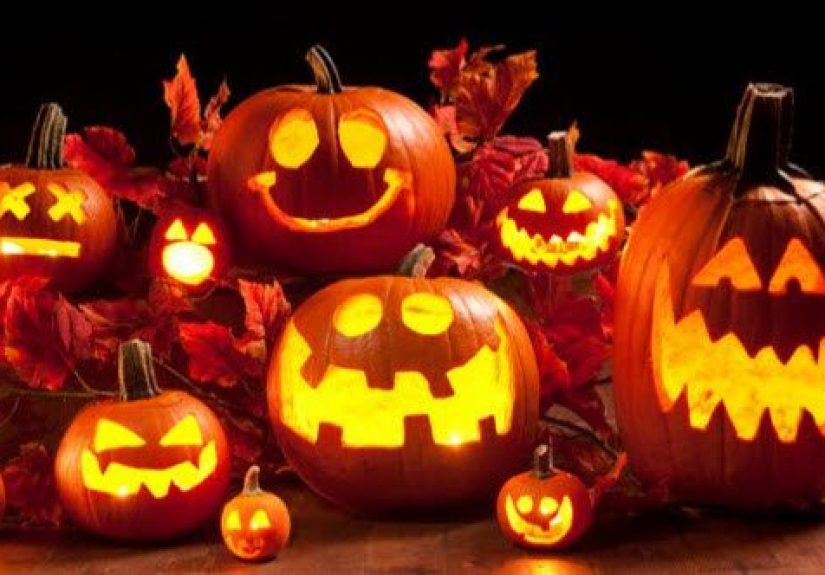
Pumpkins may dominate Halloween now, but early jack-o’-lanterns in Ireland and Scotland were carved from turnips and potatoes. Legend has it that the spooky carvings were designed to ward off the ghost of Stingy Jack.
When immigrants arrived in North America and encountered pumpkins, they discovered the locally grown gourds were larger, easier to carve, and looked scarier when lit. Thus began the pumpkin’s rise as the official symbol of Halloween creativity (and occasional carving accidents).
5. Giant Pumpkins Can Grow Over 2,500 Pounds
Thanks to selective breeding and intense horticultural devotion, giant pumpkins now regularly break world records. Some weigh as much as a small car or your entire family’s holiday luggage.
Growers use specialized seeds, meticulous watering schedules, shade tents, and even soil science to coax pumpkins into becoming botanical behemoths. The current giants are so big that farmers often use forklifts to move them.
6. Pumpkins Are Nearly 90% Water
For a fruit that feels solid enough to survive a drop off your porch, pumpkins are surprisingly watery. About 90% of a pumpkin is water, making it a hydrating food that’s low in calories.
This also explains why pumpkins cook down so easily into purées nature designed them to collapse dramatically at the first sign of heat. But that high water content also helps pumpkins thrive in hot, dry summers, where many plants struggle.
7. Pumpkin Spice Contains Almost No Pumpkin
Here’s the irony behind the pumpkin spice craze: the flavor has nothing to do with pumpkins. Pumpkin spice is simply a blend of cinnamon, clove, ginger, nutmeg, and allspice spices historically used in pumpkin pie.
The flavor profile is nostalgic, warm, and comforting, but it’s all spice cabinet and no pumpkin. So technically, drinking a pumpkin spice latte means you’re enjoying a spiced beverage inspired by pumpkin pie… minus the pumpkin.
8. There Are Hundreds of Pumpkin Varieties
While the classic orange pumpkin gets all the attention, the pumpkin family is enormous. There are white pumpkins, blue pumpkins, warty pumpkins, miniature pumpkins, pie pumpkins, decorative pumpkins, and pumpkins designed specifically for carving.
The “Cinderella pumpkin,” for example, resembles the carriage from the fairy tale and is known for its beautiful flattened shape. Meanwhile, the knobbly “Galeux d’Eysines” looks like it’s covered in peanut shells. Nature really went wild with the design options.
9. Pumpkins Have Been to Space (Sort Of)
While astronauts haven’t blasted pumpkins directly into orbit, pumpkin seeds have traveled aboard space missions. NASA’s space agriculture experiments have included cucurbits (the pumpkin family) to understand how plants might grow beyond Earth.
Plus, pumpkin research has contributed to our understanding of soil science and plant genetics turning your favorite fall decoration into a tiny part of space exploration history.
10. The U.S. Produces Over 1 Billion Pounds of Pumpkins Each Year
Illinois, California, Indiana, Michigan, and Texas lead pumpkin production, with Illinois consistently ranking number one. The state’s processing plants produce most of the canned pumpkin sold nationwide.
Every fall, pumpkin patches become a major seasonal industry complete with hayrides, maze maps, photo ops, and the annual hunt for the “perfect pumpkin.” Whether used for pies, decorations, or porch aesthetics, the pumpkin business is surprisingly enormous.
Bonus: of Real-Life Pumpkin Experiences
Every fall, Americans flock to pumpkin patches like migrating birds except instead of following the sun, we follow cider donuts and cute photo backdrops. Having visited more pumpkin patches than I can count, I can confirm that each one feels like a mix of a miniature farm, a family carnival, and a Pinterest board come to life.
The first time I tried growing pumpkins myself, I thought it would be simple. You plant the seeds, water them, and voilà pumpkins! What I didn’t expect was how aggressively pumpkin vines behave. They don’t just grow; they travel. They sneak across the yard, climb fences, and attempt to annex your neighbor’s property. They’re like the friendly but slightly chaotic guest at a party who never sits down.
One summer, my pumpkin vines stretched almost 20 feet. They wrapped around the garden hose like they were trying to claim it as part of their empire. I tried redirecting the vines, but every morning, they crawled right back where they wanted to be. The result? Three massive pumpkins and a yard that looked like a low-budget jungle movie set.
Another memorable experience came from attending a giant pumpkin weigh-off in a small Midwestern town. Imagine a crowd cheering for vegetables the way people cheer for football teams. There were bleachers, local news cameras, kids holding signs that said “Go Big or Gourd Home,” and a forklift gently lifting a pumpkin the size of a hot tub.
The growers talked about their pumpkins like proud parents. One man lovingly described giving his pumpkin “daily pep talks.” Another joked that his pumpkin’s special diet included more minerals than his own. The winning pumpkin that year weighed over 2,300 pounds. When it was unveiled, the crowd gasped like they were seeing a celebrity. Honestly, it deserved the attention it looked like it could have its own zip code.
Then there’s the annual carving tradition. I’ve learned that carving a pumpkin always takes twice as long and makes three times the mess I expect. You start full of hope, imagining a masterpiece that belongs on a professional carving website. Then halfway through, you realize you’re elbow-deep in pumpkin guts, debating whether the stringy insides are trying to fight back.
Still, the moment you drop a candle inside and see that warm glow flicker through your design, all is forgiven. Pumpkins have a way of making even the simplest carved face look charming especially when it lights up a front porch on a crisp October evening.
Over the years, I’ve discovered that pumpkins aren’t just holiday props. They bring communities together through festivals, contests, recipes, and traditions. They spark creativity, nostalgia, and a little friendly competition. Whether you’re baking, carving, growing, or simply admiring them, pumpkins add a sense of magic to the season.
And honestly? Any plant that can become pie, soup, décor, a giant sculpture, a Halloween icon, and a 2,000-pound superstar deserves a little extra appreciation.
Conclusion
Pumpkins are far more than seasonal decorations. They’re ancient fruits, historical artifacts, botanical wonders, and cultural icons. From space experiments to giant competitions, pumpkins have lived quite a life and they continue to fascinate scientists, farmers, and fall fans alike.