Table of Contents >> Show >> Hide
- Grapefruit nutrition snapshot (why it “punches above its weight”)
- 1) Supports immune function (hello, vitamin C)
- 2) Provides antioxidant protection (including lycopene in pink/red grapefruit)
- 3) Helps support heart health (fiber + plant compounds)
- 4) Supports healthy blood pressure (potassium-friendly choice)
- 5) Helps with weight management (high water + fiber = more fullness)
- 6) Supports steadier blood sugar (low glycemic, fiber-containing fruit)
- 7) Improves digestive regularity (fiber feeds your gut, literally)
- 8) Helps hydration and recovery (a sneaky way to add fluids)
- 9) Supports skin health (collagen, vitamin C, and overall nutrient density)
- 10) May play a role in kidney stone prevention (but grapefruit is complicated)
- Grapefruit + medications: the most important caution in this article
- How to eat grapefruit without hating your life (or your taste buds)
- of real-world experiences: what it’s like adding grapefruit to your routine
- Conclusion: the bottom line on grapefruit
Grapefruit is the citrus fruit equivalent of a motivational speaker: loud, a little bitter, and weirdly effective at waking you up.
But beyond the tang (and the face-scrunch you do on the first bite), grapefruit has a genuinely impressive nutrition profile
plus a few “read this before you eat it” safety rules.
In this in-depth guide, we’ll break down 10 health benefits of grapefruit using real nutrition and medical guidance,
explain what the science suggests (and what it doesn’t), and share practical ways to enjoy grapefruit without turning breakfast
into a chemistry experimentespecially if you take medications.
Quick safety note: Grapefruit can strongly interact with certain prescription and over-the-counter medications. If you take any regular meds, skim the “Grapefruit + Medications” section before making grapefruit a daily habit.
Grapefruit nutrition snapshot (why it “punches above its weight”)
Grapefruit is low in calories and high in water, which makes it a classic “volume food” (lots of food for relatively few calories).
It’s also a reliable source of vitamin C, and pink/red varieties supply additional colorful plant compounds like
lycopene. You’ll also get fiber (especially when you eat the whole fruit, not just the juice) and
a modest amount of potassium.
1) Supports immune function (hello, vitamin C)
Vitamin C helps your immune system do its job, and grapefruit is one of the easiest ways to get it from food. Your body doesn’t store
vitamin C well, so regular intake mattersthink “daily upkeep,” not “megadose heroics.” In real-life terms: grapefruit is a simple,
food-first way to support immune defenses, especially during cold-and-flu season or high-stress weeks when your meals get… let’s call them “creative.”
How to use it
Pair grapefruit with protein (Greek yogurt, eggs, cottage cheese) for a more filling breakfast and steadier energy.
If you’re sensitive to sour foods, try broiling grapefruit halves with a light sprinkle of cinnamon.
2) Provides antioxidant protection (including lycopene in pink/red grapefruit)
Grapefruit contains antioxidantscompounds that help reduce oxidative stress, which is linked to aging and many chronic conditions.
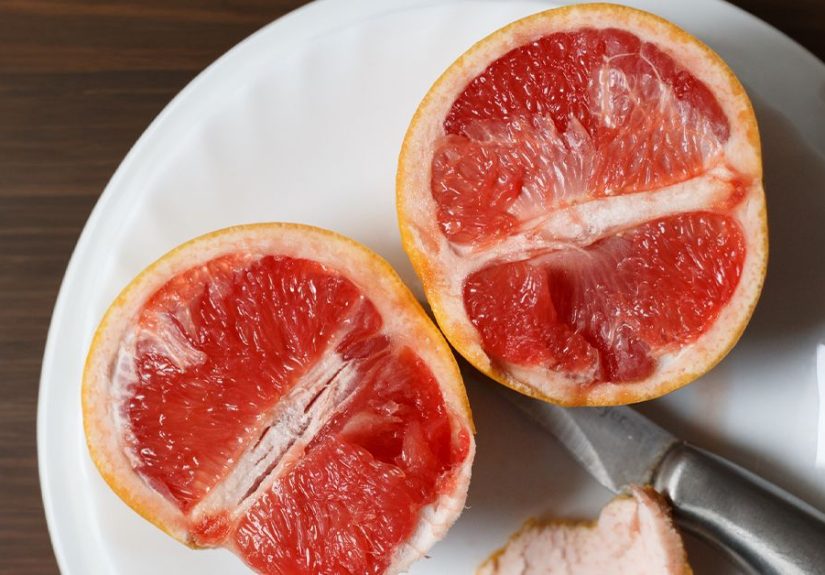
Pink and red grapefruit are especially interesting because they contain lycopene, the same antioxidant pigment
famous for giving tomatoes their red color. Antioxidants aren’t magic shields, but they are part of why diets rich in fruits and vegetables
are consistently associated with better long-term health outcomes.
How to use it
Choose pink or ruby red grapefruit when available if you want more carotenoids/lycopene. Add segments to salads with avocado and pumpkin seeds
for a satisfying, nutrient-dense combo.
3) Helps support heart health (fiber + plant compounds)
When people say “eat more fruit for your heart,” they’re usually talking about patterns: fiber, potassium, and plant compounds adding up over time.
Grapefruit fits neatly into that pattern. The fiber in whole grapefruit supports healthier cholesterol levels and helps with
blood sugar regulationboth key players in cardiovascular risk. Citrus fruits also contain flavonoids, which are being studied for their role
in vascular (blood vessel) health.
Practical example
Instead of a pastry breakfast that disappears in 20 minutes, try: half a grapefruit + a handful of nuts + a protein source.
It’s a small change that often feels bigger than it looks because it improves fullness.
4) Supports healthy blood pressure (potassium-friendly choice)
Potassium helps your body manage sodium and supports normal blood vessel functionboth of which matter for blood pressure.
Grapefruit isn’t the highest-potassium food on the planet, but it contributes meaningfully as part of an overall fruit-and-vegetable-forward eating style.
If you’re aiming for heart-healthy habits, grapefruit can be one more easy “yes” in your day.
How to use it
For a blood-pressure-friendly snack plate: grapefruit + unsalted pistachios + a few cheese cubes.
It’s balanced, satisfying, and doesn’t rely on salty ultra-processed foods for flavor.
5) Helps with weight management (high water + fiber = more fullness)
Grapefruit is often marketed like a magical weight-loss button. It is not. (If it were, we’d all have abs and the internet would be quieter.)
What grapefruit does offer is a useful combo: high water content, low calorie density, and
fiber when you eat the whole fruit. That combination tends to increase satiety, which can make it easier to maintain a calorie
deficit or avoid mindless snacking.
How to use it
Use grapefruit as a “starter” before a mealespecially lunchif you struggle with portion sizes. It can take the edge off hunger so you’re less
likely to arrive at your meal in full “I could eat a chair” mode.
6) Supports steadier blood sugar (low glycemic, fiber-containing fruit)
Citrus fruits tend to have a relatively low glycemic impact compared with many refined carbs, and grapefruit can be a smart fruit option
when you’re trying to keep blood sugar steadier. The key detail is whole fruit vs. juice:
whole grapefruit contains fiber, which slows digestion, while juice removes most fiber and is easier to over-consume.
Practical example
If you eat grapefruit as part of breakfast, pair it with protein and/or healthy fats (like eggs or nut butter).
That mix usually feels better than “fruit alone” for both energy and cravings later in the morning.
7) Improves digestive regularity (fiber feeds your gut, literally)
Fiber isn’t glamorous, but it is wildly important. It helps keep bowel movements regular and supports a healthier gut microbiome.
Grapefruit contains both soluble and insoluble fiberespecially when you eat the segments (and some of the membrane), not just drink the juice.
If you’re aiming for better digestion, grapefruit can be part of a daily fiber “portfolio” alongside beans, oats, chia seeds, veggies,
and other whole fruits.
How to use it
Add grapefruit segments to a high-fiber bowl: oats + chia + yogurt + grapefruit + berries.
That’s basically a gut-health committee meeting in one breakfast.
8) Helps hydration and recovery (a sneaky way to add fluids)
Grapefruit is mostly water, which means it contributes to daily hydrationespecially for people who “forget water exists” until they’re already thirsty.
Hydration supports energy, digestion, temperature regulation, and exercise recovery. While grapefruit won’t replace a water bottle,
it’s a refreshing add-onparticularly after workouts when you also want something light and easy to digest.
How to use it
Try grapefruit + a pinch of salt on the side of a meal (not in the fruit unless you like culinary chaos). If you sweat heavily,
include electrolyte-containing foods and fluids overall.
9) Supports skin health (collagen, vitamin C, and overall nutrient density)
Skin health is influenced by genetics, sun exposure, sleep, stress, andyesnutrition. Vitamin C supports collagen production,
and diets rich in fruits and vegetables are associated with better skin aging outcomes over time. Grapefruit can contribute vitamin C
and antioxidant compounds that help your body handle everyday wear-and-tear.
Reality check (the helpful kind)
Grapefruit won’t erase fine lines overnight. But consistent, nutrient-dense eating is one of the most practical “long game” strategies for skinright alongside sunscreen.
10) May play a role in kidney stone prevention (but grapefruit is complicated)
Citrus fruits contain compounds like citrate that may help reduce calcium-based kidney stone formation by binding with calcium in urine.
However, grapefruit is the “it depends” citrus: some research suggests grapefruit may increase kidney stone risk in certain populations,
while other findings suggest possible protective effects. Translation: if you have a history of kidney stones, grapefruit is not the first citrus
your clinician will suggest (lemon and lime are usually simpler choices), and it’s worth discussing your personal risk factors with a healthcare professional.
How to use it
If kidney stones are a concern, focus first on proven basics: adequate fluid intake, appropriate calcium intake, and individualized guidance
based on your stone type and urine studies. Use grapefruit cautiously and intentionally, not as a daily “therapy” without medical input.
Grapefruit + medications: the most important caution in this article
Grapefruit (and grapefruit juice) can change how certain medications are absorbed and broken down in the body. In some cases it can
increase drug levelsraising side effect risk. In other cases it can reduce absorptionmaking a medication work less well.
This isn’t rare or theoretical; it’s a well-documented interaction that has led to required warnings on some drug labels.
Medication categories commonly involved
- Some cholesterol-lowering statins
- Some blood pressure medications
- Some anti-anxiety medications
- Some organ transplant (anti-rejection) medications
- Some corticosteroids used for inflammatory bowel disease
- Some allergy medications may be affected in the opposite direction (less absorption)
If you take any prescription or over-the-counter meds regularly, ask a pharmacist or clinician whether grapefruit is safe for you.
Don’t assume you can “separate it by a few hours”some grapefruit effects can persist because they involve enzymes and transporters in the gut.
How to eat grapefruit without hating your life (or your taste buds)
Choose your grapefruit
- Ruby red/pink: sweeter and often richer in carotenoid pigments like lycopene
- White: more tart/bitter (great if you enjoy “challenge mode”)
Easy prep tips
- Segment it: Use a small knife to cut out segments (supremes) for salads and bowls.
- Broil it: Cut in half, loosen segments, add cinnamon, broil briefly for a caramelized top.
- Balance it: Pair with protein or fats to reduce acidity impact and increase fullness.
Smart ways to add it to meals
- Spinach salad with grapefruit, avocado, chicken, and toasted nuts
- Greek yogurt bowl with grapefruit segments, walnuts, and a drizzle of honey
- Salsa-style topping: grapefruit + jalapeño + cilantro over fish tacos
- “Winter snack plate”: grapefruit + cheese + olives + whole-grain crackers
of real-world experiences: what it’s like adding grapefruit to your routine
People’s experiences with grapefruit tend to follow a predictable plotline: curiosity → surprise → either obsession or betrayal.
The first time someone tries grapefruit “for health,” they often expect it to taste like orange’s friendly cousin. Instead, grapefruit shows up like:
“Hi. I’m citrus, but make it intense.” If you’re new to it, the bitterness can feel like a prankespecially if you grew up on sweeter fruit.
The easiest workaround most people discover is pairing: grapefruit tastes dramatically better next to something creamy or salty, like yogurt, eggs,
or a small piece of cheese. (Yes, cheese at breakfast. We’re adults. We can do what we want.)
Another common experience is the “wow, I’m full” moment. Because grapefruit is juicy and low calorie, people often notice it
takes up real stomach space. If you’re someone who snacks out of sheer boredom (no judgmentboredom is persuasive), grapefruit can be a helpful
“hands busy, mouth happy” option. A lot of people also report that grapefruit works best when it’s part of a routine instead of a random event.
For example, half a grapefruit after a morning walk, or grapefruit segments added to lunch salads during the workweek.
That rhythm matters because the benefits of fruit are rarely about one heroic serving; they’re about consistency.
On the flip side, some people notice grapefruit’s acidity doesn’t love them back. If you’re prone to heartburn, reflux,
or sensitive teeth, grapefruit can feel like it’s auditioning for the role of “villain.” In those cases, people often do better with smaller
portions (a few segments instead of a whole half), eating it alongside other foods (not on an empty stomach), and rinsing with water afterward.
If your teeth are sensitive, avoid brushing immediately after acidic foodsmany folks find waiting a bit feels gentler.
The most important “experience” people shareespecially in health forums and pharmacy consultsis discovering the
medication interaction issue after they’ve already fallen in love with grapefruit. It’s frustrating because grapefruit can feel like a
“healthy habit,” and then suddenly it’s on the “check with your pharmacist” list. If that’s you, you’re not alone.
The good news is that you usually have options: switching to other fruits (or other citrus), changing timing with medical guidance,
or adjusting a plan with your clinician. The takeaway many people land on is simple: grapefruit is an excellent food for many bodies,
but it’s not a universal food for every medicine cabinet.
Finally, there’s the “I actually enjoy this now” momentwhen someone learns how to cut segments neatly, tries ruby red instead of white,
or discovers broiling grapefruit with cinnamon makes it taste like dessert that accidentally contains vitamins.
When grapefruit works, it tends to stick around because it’s practical: it’s easy, it’s refreshing, and it makes boring meals feel brighter.
In other words, it’s health-supportive not only because of nutrients, but because it’s one of those foods that can make better eating feel more doable.
Conclusion: the bottom line on grapefruit
Grapefruit is a nutrient-dense citrus fruit that can support immunity, heart health, digestion, hydration, and moremainly thanks to vitamin C,
fiber (when eaten whole), potassium, and antioxidant compounds like lycopene in pink/red varieties. The biggest “but” is medications:
grapefruit can significantly alter how certain drugs work, so safety comes first if you take prescriptions.
If grapefruit fits your health profile, it’s a bright, flavorful way to upgrade your daily fruit intakeno gimmicks required.
Just remember: the healthiest habit is the one you can do consistently and safely.