Table of Contents >> Show >> Hide
- Why Zucchini Noodles with Pesto Chicken Works So Well
- What Are Zucchini Noodles?
- Ingredients for Zucchini Noodles with Pesto Chicken
- How to Make Zucchini Noodles with Pesto Chicken
- Pro Tips for Perfect Zucchini Noodles
- Healthy Benefits of This Recipe
- Easy Variations
- What to Serve with Zucchini Noodles with Pesto Chicken
- Storage and Meal Prep
- Common Mistakes to Avoid
- Frequently Asked Questions
- Personal Cooking Experience: What This Dish Teaches You in the Kitchen
- Conclusion
Zucchini Noodles with Pesto Chicken is the kind of dinner that makes you feel like you have your life together, even if the laundry is still in the dryer and your inbox is quietly plotting revenge. It is fresh, colorful, low-carb, protein-packed, and fast enough for a weeknight when everyone is hungry and patience has left the building.
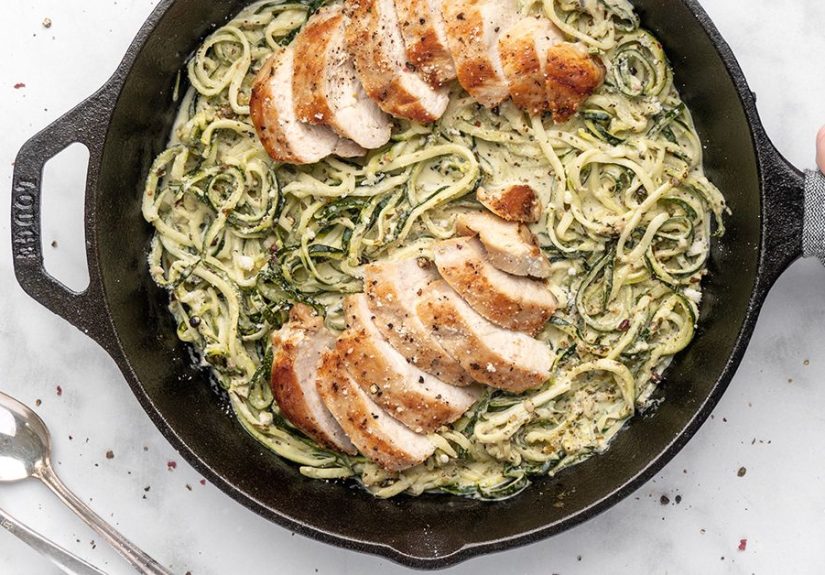
This dish brings together tender chicken, bright basil pesto, juicy tomatoes, and spiralized zucchini noodlesalso called zoodlesfor a meal that tastes like summer but works beautifully year-round. It has the comfort of pasta without the heaviness, the richness of pesto without needing a cream sauce, and enough flavor to make even vegetable skeptics pause mid-bite and say, “Wait, this is zucchini?”
The best part? You do not need chef-level skills or a kitchen full of mysterious gadgets. A spiralizer helps, but a vegetable peeler, julienne peeler, or even store-bought zucchini noodles will get the job done. The real secret is technique: keep the zucchini noodles from turning watery, cook the chicken properly, and toss the pesto in at the right moment so it stays green, fragrant, and lively.
Why Zucchini Noodles with Pesto Chicken Works So Well
Traditional pasta is wonderful, but zucchini noodles offer a lighter option when you want something fresh and vegetable-forward. Zucchini has a mild flavor, which means it happily absorbs garlic, basil, olive oil, lemon, Parmesan, and all the good things pesto brings to the table. It is basically the polite dinner guest of vegetables: flexible, easygoing, and not here to cause drama.
Chicken adds lean protein and makes the dish satisfying enough for lunch, dinner, meal prep, or a post-workout meal. Pesto ties everything together with richness from olive oil and nuts, sharpness from cheese, freshness from basil, and a little bite from garlic. Add cherry tomatoes, and suddenly the plate has sweetness, acidity, color, and a tiny bit of “Italian restaurant patio” energy.
What Are Zucchini Noodles?
Zucchini noodles are long, thin strands of zucchini cut to resemble pasta. They are often called “zoodles,” a word that sounds like a cartoon character but has earned a permanent place in healthy cooking. Zoodles can be eaten raw, lightly sautéed, baked briefly, or tossed into warm sauces. The key word is lightly. Zucchini contains a lot of water, so overcooking it can turn beautiful noodles into a sad green puddle.
For this recipe, the goal is not to make zucchini pretend to be wheat pasta. That is too much pressure for a squash. The goal is to make zucchini noodles taste delicious in their own right: tender-crisp, glossy with pesto, and balanced by savory chicken.
Ingredients for Zucchini Noodles with Pesto Chicken
Main Ingredients
- 4 medium zucchini, spiralized into noodles
- 1 pound boneless, skinless chicken breast or thighs, cut into bite-size pieces
- 1 cup cherry tomatoes, halved
- 2 tablespoons olive oil, divided
- 1/2 teaspoon kosher salt, plus more for draining zucchini
- 1/4 teaspoon black pepper
- 1/4 teaspoon garlic powder
- 1/4 teaspoon Italian seasoning
- 1/2 cup basil pesto, homemade or store-bought
- 2 tablespoons grated Parmesan cheese, optional
- 1 tablespoon fresh lemon juice
- Fresh basil, for garnish
Optional Homemade Pesto
- 2 cups fresh basil leaves
- 1/3 cup extra-virgin olive oil
- 1/4 cup grated Parmesan cheese
- 3 tablespoons pine nuts, walnuts, or almonds
- 1 small garlic clove
- 1 tablespoon lemon juice
- Salt and black pepper to taste
To make homemade pesto, pulse the basil, nuts, garlic, Parmesan, and lemon juice in a food processor. Slowly drizzle in olive oil until the sauce becomes smooth but still textured. Taste and adjust with salt, pepper, or more lemon. If your pesto looks too thick, add a teaspoon of water or olive oil at a time until it loosens.
How to Make Zucchini Noodles with Pesto Chicken
Step 1: Spiralize and Drain the Zucchini
Use a spiralizer, julienne peeler, mandoline, or vegetable peeler to make zucchini noodles. If using a peeler, create wide ribbons instead of thin spaghetti-style strands. They will still taste excellent, and nobody at the table needs to file a formal complaint.
Place the zucchini noodles in a colander and toss them with a small pinch of salt. Let them sit for 15 to 20 minutes. This helps draw out extra moisture. After draining, gently squeeze the noodles with clean hands or pat them dry with paper towels. This step is the difference between pesto-coated zoodles and pesto soup.
Step 2: Season and Cook the Chicken
Pat the chicken dry, then season it with salt, pepper, garlic powder, and Italian seasoning. Heat one tablespoon of olive oil in a large skillet over medium-high heat. Add the chicken in a single layer and cook for 5 to 7 minutes, stirring occasionally, until browned and cooked through.
Chicken should reach an internal temperature of 165°F for food safety. A meat thermometer is the easiest way to know for sure. Guessing by color alone is like asking your smoke alarm for emotional advice: not ideal.
Step 3: Add Tomatoes
Add the cherry tomatoes to the skillet and cook for 1 to 2 minutes, just until they soften slightly and release a little juice. They should still look bright and fresh. Remove the chicken and tomatoes from the pan and set them aside.
Step 4: Lightly Cook the Zucchini Noodles
Add the remaining tablespoon of olive oil to the skillet. Add the drained zucchini noodles and toss for 1 to 2 minutes over medium heat. Do not walk away. Do not answer a long text. Do not begin reorganizing your spice cabinet. Zoodles cook quickly, and overcooked zucchini noodles become limp almost instantly.
The texture should be tender but still slightly crisp. Think “al dente,” but with squash.
Step 5: Toss with Pesto Off the Heat
Turn off the heat before adding pesto. This keeps the basil flavor fresh and helps preserve the sauce’s green color. Add the pesto, cooked chicken, tomatoes, lemon juice, and Parmesan if using. Toss gently until everything is coated.
Serve immediately with fresh basil, extra Parmesan, cracked black pepper, or a few toasted pine nuts on top. Congratulations: dinner has entered its main-character era.
Pro Tips for Perfect Zucchini Noodles
Do Not Skip the Drain
Zucchini naturally releases water, especially when salted or heated. Draining the noodles before cooking keeps the final dish glossy instead of watery. Even a 15-minute drain can make a big difference.
Use Medium Zucchini
Medium zucchini usually makes the best noodles. Very large zucchini can be seedy and watery, while tiny zucchini may disappear into the spiralizer like they are entering witness protection.
Cook Fast
Zucchini noodles need only a minute or two in the skillet. The goal is to warm and soften them, not fully cook them down.
Add Pesto Last
Pesto tastes best when it is not boiled. High heat can dull the basil, separate the oil, and make the sauce lose its fresh flavor. Toss it in after turning off the stove.
Balance the Richness
Pesto is rich, so lemon juice matters. A little acidity brightens the whole dish and keeps it from tasting heavy.
Healthy Benefits of This Recipe
Zucchini Noodles with Pesto Chicken is popular because it fits many eating styles without feeling like “diet food.” It is naturally gluten-free if your pesto is gluten-free, lower in carbohydrates than traditional pasta, and full of vegetables. Chicken adds protein, while pesto contributes satisfying fats from olive oil and nuts.
This recipe can support a lighter dinner routine, but it still feels complete. That is important. Nobody wants to eat a bowl of vegetables and then spend the rest of the night negotiating with the snack cabinet.
Easy Variations
Make It Creamy
Add two tablespoons of Greek yogurt or a splash of half-and-half after turning off the heat. Stir gently until the sauce becomes creamy. Keep the heat low or off so the sauce does not separate.
Make It Dairy-Free
Use dairy-free pesto or make your own with nutritional yeast instead of Parmesan. The flavor will be slightly different but still savory and satisfying.
Use Shrimp Instead of Chicken
Shrimp cooks even faster than chicken and pairs beautifully with pesto and zucchini noodles. Cook shrimp for 1 to 2 minutes per side, just until pink and opaque.
Add More Vegetables
Try baby spinach, roasted red peppers, mushrooms, asparagus, or yellow squash. Keep vegetables quick-cooking so the dish remains fresh and fast.
Make It Heartier
If you want more carbs, toss the zucchini noodles with a small portion of cooked spaghetti, linguine, or chickpea pasta. This half-zoodle, half-pasta approach is great for families who are not fully ready to break up with noodles.
What to Serve with Zucchini Noodles with Pesto Chicken
This dish works well on its own, but you can round it out with simple sides. A crisp green salad, roasted vegetables, garlic bread, or a cup of soup all pair nicely. For a summer meal, serve it with iced tea, sparkling water with lemon, or a light fruit salad.
If serving guests, add a platter of sliced tomatoes, fresh mozzarella, and basil. It echoes the pesto flavors and makes the table look fancy without requiring you to fold napkins into swans.
Storage and Meal Prep
Zucchini noodles are best served fresh, but leftovers can still be tasty. Store them in an airtight container in the refrigerator for up to two days. Reheat gently in a skillet over low heat or enjoy cold as a pesto chicken zoodle salad.
For meal prep, cook the chicken and make the pesto ahead of time, but keep the zucchini noodles raw and separate until serving. This prevents excess moisture from collecting in the container. When ready to eat, sauté the zoodles briefly, add the chicken, and toss with pesto.
Common Mistakes to Avoid
Using Too Much Salt
Salt helps draw moisture from zucchini, but pesto and Parmesan can already be salty. Season gradually and taste before adding more.
Overcrowding the Pan
If the skillet is too full, zucchini noodles steam instead of sauté. Use a large skillet or cook in batches for better texture.
Adding Pesto Too Early
Pesto should be warmed by the food, not cooked aggressively. Add it at the end for the brightest flavor.
Expecting Zoodles to Taste Exactly Like Pasta
Zucchini noodles are delicious, but they are not magic spaghetti. Enjoy them for what they are: fresh, light, flavorful, and very good at carrying pesto.
Frequently Asked Questions
Can I use store-bought zucchini noodles?
Yes. Store-bought zucchini noodles are convenient and work well. Pat them dry before cooking because packaged zoodles often hold extra moisture.
Can I make this recipe keto-friendly?
Yes. Zucchini noodles, chicken, olive oil, and pesto can fit into a low-carb or keto-style meal. Check the pesto label for added sugars or starches if using store-bought pesto.
Can I eat zucchini noodles raw?
Absolutely. Raw zucchini noodles have a crisp texture and work well in cold salads. For this recipe, a very quick sauté gives them a warmer, softer bite.
What protein can replace chicken?
Shrimp, salmon, turkey meatballs, tofu, chickpeas, or white beans can all work. Choose tofu or beans for a vegetarian version.
How do I keep pesto green?
Use fresh basil, avoid overheating the sauce, and store leftover pesto with a thin layer of olive oil on top. Keeping pesto away from excess air helps preserve its color.
Personal Cooking Experience: What This Dish Teaches You in the Kitchen
The first time many home cooks make Zucchini Noodles with Pesto Chicken, they expect a simple swap: remove pasta, add zucchini, continue life as usual. Then the zucchini releases water, the pesto thins out, and dinner looks less like a fresh Italian-inspired meal and more like a green weather event. The good news is that this dish teaches kitchen lessons quickly, and they are useful far beyond one recipe.
The biggest lesson is moisture control. Zucchini is not difficult, but it has opinions. Salting and draining the noodles may feel like an extra step, especially on a busy weeknight, but it changes everything. Once you see how much liquid comes out of the zucchini before it ever hits the pan, you understand why skipping that step can make the final dish watery. It is one of those small kitchen habits that makes you feel instantly more competent, like sharpening a knife or finally learning what the broiler does.
The second lesson is timing. Chicken needs enough time to brown and cook safely, but zucchini noodles need almost no time at all. This recipe rewards cooks who prepare ingredients before turning on the stove. Spiralize the zucchini, cut the chicken, halve the tomatoes, open the pesto, and have the lemon ready. When everything is within reach, cooking feels smooth instead of chaotic. You are not racing around looking for Parmesan while the zoodles slowly surrender in the skillet.
The third lesson is balance. Pesto is bold: herbal, garlicky, salty, and rich. Zucchini is mild and watery. Chicken is savory but lean. Tomatoes are sweet and acidic. Lemon brings brightness. Parmesan adds depth. When these ingredients come together, the result tastes complete because each part has a job. That is the beauty of simple cooking. You do not need twenty ingredients when six or seven are pulling their weight.
This dish is also forgiving. If the chicken is already cooked from last night’s dinner, slice it and toss it in. If the garden is overflowing with basil, make pesto. If the grocery store only has yellow squash, use it with zucchini. If someone at the table insists they “need real pasta,” mix in a handful of cooked spaghetti and call it a compromise. The recipe adapts without losing its identity.
There is also a practical joy in serving something that looks beautiful with very little effort. Green zucchini ribbons, bright red tomatoes, golden chicken, and glossy pesto make the plate feel fresh and intentional. It is the kind of meal that photographs well, packs well, and tastes good warm or slightly chilled. That matters in real life, where dinner sometimes becomes tomorrow’s lunch and tomorrow’s lunch may be eaten standing at the counter between meetings.
Most importantly, Zucchini Noodles with Pesto Chicken proves that healthy food does not need to arrive wearing a sad little badge that says “sensible.” It can be fragrant, colorful, satisfying, and fun. It can make you feel nourished without making you feel punished. And if a vegetable can do that while wearing a pesto jacket, it deserves a regular spot in the dinner rotation.
Conclusion
Zucchini Noodles with Pesto Chicken is a fresh, fast, and flavorful meal that turns simple ingredients into something bright and satisfying. The recipe works because it respects each ingredient: zucchini noodles are drained and cooked briefly, chicken is seasoned and browned, tomatoes add sweetness, and pesto is stirred in at the end to keep its basil flavor alive.
Whether you are eating low-carb, adding more vegetables to your meals, looking for a gluten-free dinner, or simply trying to use the zucchini that somehow multiplied in your refrigerator, this dish delivers. It is easy enough for a weeknight, pretty enough for guests, and flexible enough to become part of your regular meal plan.
Note: This article was written from synthesized U.S.-based culinary, nutrition, and food-safety guidance and is prepared as original publish-ready web content.