Table of Contents >> Show >> Hide
- The Short Answer: Yes, but Only if the Stuffed Animal Can Handle It
- Why the Dryer Works in the First Place
- How to Use the Dryer Safely for Stuffed Animals
- What if the Stuffed Animal Cannot Go in the Dryer?
- Do You Really Need to Clean Every Stuffed Animal in the House?
- What Experts Mean When They Say “Focus on the Scalp, Not the Sofa”
- Best Cleaning Plan for Stuffed Animals After Lice
- Common Mistakes to Avoid
- When to Skip DIY and Call a Professional
- So, Will the Dryer Kill Lice on Stuffed Animals?
- Real-Life Experiences: What Families Usually Learn the Hard Way
- Conclusion
If your child has head lice and their favorite stuffed animal has been dragged through bedtime, nap time, movie time, and approximately 47 dramatic hugs, you may be staring at the dryer like it holds the secrets of the universe. Fair question: Will the dryer kill lice on stuffed animals?
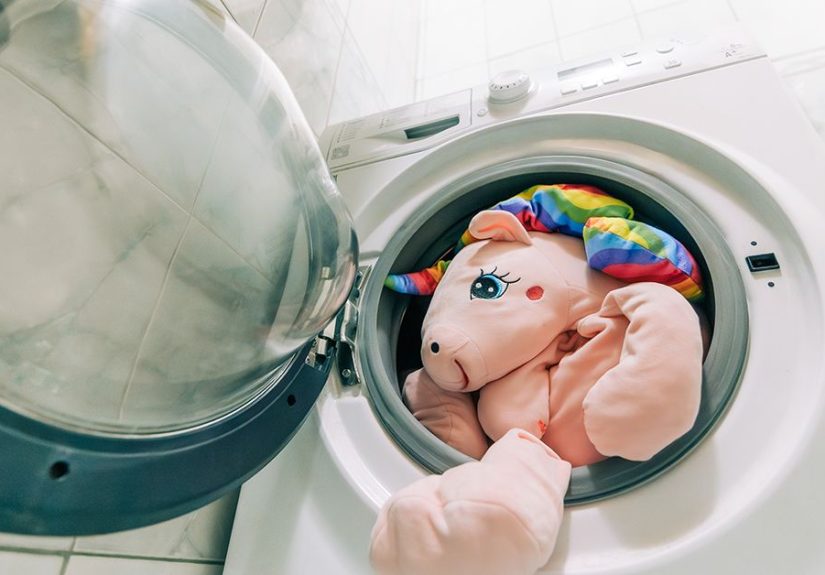
The practical answer is yes, a dryer can help kill lice on stuffed animalsbut there is a catch, because there is always a catch. The stuffed animal has to be dryer-safe, and the heat has to be high enough and long enough to do the job. If the toy cannot handle the heat, the better move is usually to seal it in a plastic bag for about two weeks or follow the toy’s care instructions.
That said, here is the good news parents rarely hear while knee-deep in laundry: head lice do not live very long away from a human scalp. They need warmth and blood meals. A plush giraffe may be emotionally supportive, but it is not a scalp. So while cleaning stuffed animals can be part of a sensible lice routine, the real priority is treating the person with lice and cleaning recently used items without turning your home into a hazmat drama set.
The Short Answer: Yes, but Only if the Stuffed Animal Can Handle It
If a stuffed animal is machine-dryable, putting it in the dryer on a high-heat cycle can help kill lice and, depending on the guidance you follow, may also help kill nits. Many reputable U.S. medical and public health sources recommend high heat for at least 20 minutes, while some experts and institutions recommend going closer to 30 minutes for soft household items. In real life, that means the safest general advice is this: if the toy is dryer-safe, use the hottest setting allowed by the care label for 20 to 30 minutes.
Translation: if the stuffed animal is built like a sturdy teddy bear, the dryer may be your friend. If it is made of delicate faux fur, glued-on eyes, foam filling, musical parts, or “spot clean only” optimism, you probably do not want to roast it into a cautionary tale.
Why the Dryer Works in the First Place
Head lice are parasites that survive by feeding on human blood from the scalp. Once they are off a person’s head, the clock starts ticking. Adult lice generally do not survive long away from a host, and eggs are also far less likely to hatch successfully away from the warm environment near the scalp. That is why public health guidance focuses on recently used items and not on disinfecting every soft thing your child has loved since preschool.
Heat matters because it dries out and kills lice more reliably than lukewarm washing or casual air-drying. A hot dryer cycle can be especially useful for soft items that have been in close contact with the head, such as pillowcases, hats, blankets, and yes, certain stuffed animals. Dry heat is often emphasized because it reaches into fabrics better than a quick wipe-down or a hopeful stare.
How to Use the Dryer Safely for Stuffed Animals
1. Check the care label first
This is not glamorous, but it is how you avoid turning a beloved bunny into abstract art. Look for whether the toy is machine washable or dryer-safe. If the tag says no heat, air dry only, or spot clean only, skip the dryer.
2. If the toy is washable, wash first if possible
For washable plush toys, laundering them before drying is often the most thorough approach. A hot wash followed by a high-heat dry gives you a stronger cleaning routine than drying alone. It also removes any dirt, hair, and general mystery crumbs that may have taken up residence in the plush kingdom.
3. Use high heat for 20 to 30 minutes
If the stuffed animal can safely go in the dryer, aim for 20 to 30 minutes on high heat. That window reflects what multiple U.S. health sources commonly recommend for soft items exposed to lice. Do not overload the dryer. The toy should tumble enough for heat to circulate.
4. Use a pillowcase or mesh laundry bag for extra protection
If you are drying a plush toy with delicate features, placing it in a pillowcase or mesh laundry bag can help reduce rough tumbling. This will not make a fragile toy magically high-heat-proof, but it may help protect seams, fur, and attached pieces.
5. Let it cool and inspect it
After drying, check for damage. If the stuffed animal survived with both dignity and both eyes intact, congratulations. You have achieved a rare household victory.
What if the Stuffed Animal Cannot Go in the Dryer?
This is where panic usually tries to enter the chat. Do not let it.
If the stuffed animal is not dryer-safe, most mainstream guidance suggests one of these options:
- Seal it in a plastic bag for two weeks. This is the most common conservative recommendation for non-washable items.
- Dry-clean it if that is practical and appropriate for the item.
- Set it aside temporarily in an area where it will not be used.
Some experts argue that extensive bagging of toys is often more than necessary because head lice simply do not thrive off the scalp for long. And they are not wrong. But for families who want a cautious, low-risk approachespecially with frequently cuddled toysbagging a non-washable stuffed animal for two weeks remains a common and reasonable option.
Think of it as plush toy time-out. The teddy bear did nothing wrong, but it is taking a brief sabbatical.
Do You Really Need to Clean Every Stuffed Animal in the House?
Probably not. This is one of the biggest misunderstandings around head lice.
You generally only need to focus on items used by the person with lice in the 48 hours to 2 days before treatment, depending on the guidance source. That means the stuffed animal they slept with last night matters more than the dusty unicorn at the back of the closet that has not seen daylight since second grade.
In other words, prioritize:
- Stuffed animals used in bed or during close head contact
- Pillowcases, sheets, blankets, hats, scarves, and recently worn clothing
- Hair brushes, combs, clips, and hair ties
You do not need to deep-clean the entire home, throw away toys, or spray every surface in sight. In fact, pesticide sprays and foggers for the home are widely discouraged.
What Experts Mean When They Say “Focus on the Scalp, Not the Sofa”
There is a reason so many health authorities sound calm about household cleaning. Head lice spread mainly through direct head-to-head contact, not because they are plotting from the plush section of your child’s bedroom. Transmission from objects is considered possible but much less common.
That is why expert advice tends to emphasize the following:
- Treat the person with lice properly
- Repeat treatment when directed
- Use a nit comb as instructed
- Wash or dry recently used items
- Soak combs and brushes in hot water
- Avoid unnecessary home pesticide treatments
So yes, the dryer can help with a stuffed animal. But no, the stuffed animal is usually not the mastermind behind the infestation.
Best Cleaning Plan for Stuffed Animals After Lice
For machine-washable, dryer-safe stuffed animals
- Wash in hot water if the care label allows it.
- Dry on high heat for 20 to 30 minutes.
- Store normally once dry.
For dryer-safe but not easily washable plush items
- Place in the dryer alone or in a protective bag.
- Use the hottest safe setting.
- Run for 20 to 30 minutes.
For non-washable or delicate stuffed animals
- Place in a sealed plastic bag.
- Leave it sealed for about two weeks.
- Return it once the waiting period is over.
Common Mistakes to Avoid
Using the dryer on a toy that is not heat-safe
You may kill the lice, but you may also create a tragic puddle of synthetic fur and regret.
Using sprays, foggers, or harsh chemicals on stuffed animals
This is not recommended. Household pesticide sprays for lice are generally considered unnecessary and can expose family members to chemicals without meaningful benefit.
Cleaning everything except the person’s hair
The main source of ongoing lice is the scalp, not the stuffed penguin. Household steps matter, but proper treatment of the infested person matters more.
Obsessing over old or unused items
Stick to recently used fabrics and soft items. Lice are not setting up retirement communities in neglected toy bins.
When to Skip DIY and Call a Professional
If lice seem to keep returning despite treatment, it may not mean the stuffed animals were the problem. It could be:
- treatment was not used correctly,
- retreatment timing was missed,
- nits were mistaken for active infestation, or
- there was reinfestation through close contact.
If that happens, it is worth checking with a pediatrician, family doctor, pharmacist, or school nurse. Also remember that an itchy scalp after treatment does not always mean lice are still active. Sometimes the skin remains irritated even after the bugs have exited the building.
So, Will the Dryer Kill Lice on Stuffed Animals?
Yesif the stuffed animal is dryer-safe, a high-heat dryer cycle can help kill lice on it. For many dryer-safe plush toys, 20 to 30 minutes on high heat is the practical sweet spot. But if the toy cannot safely go in the dryer, bagging it for two weeks is usually the smarter move.
The biggest takeaway is this: do not let lice turn your house into a full-time laundry panic center. Clean the recently used soft items, treat the scalp correctly, skip the pesticide drama, and remember that lice are much better at clinging to hair than launching hostile takeovers from a stuffed bear.
Real-Life Experiences: What Families Usually Learn the Hard Way
Ask a few parents about lice and you will quickly discover two universal truths. First, nobody is emotionally prepared for the phrase “I think I saw something move.” Second, stuffed animals always become suspicious the minute lice enter the conversation.
In many households, the first reaction is a full-scale soft-toy roundup. Every teddy bear, plush dinosaur, and floppy rabbit gets treated like a tiny accomplice. Parents start sorting toys into piles: “wash,” “dry,” “bag,” and the emotionally difficult “why does this llama have glitter glued to it?” It is a rite of passage nobody requested.
What families often discover, though, is that the process becomes much easier once they stop trying to clean everything. The smart move is to identify the stuffed animals the child actually used in the day or two before treatment. Usually that means one or two bedtime favorites, not the entire stuffed population of the bedroom. That realization alone can save time, energy, and several dramatic sighs.
Parents also tend to learn that the care tag is not decorative. A sturdy teddy may come out of the dryer just fine, while a delicate plush toy with glued features can emerge looking like it had a very rough semester abroad. Families who use a pillowcase or mesh bag for dryer-safe toys often feel better about the process, especially when the toy is deeply loved and likely to be noticed if one ear suddenly goes missing.
Another common experience is discovering that children are extremely attached to the one toy you need to quarantine. A two-week bagging period sounds simple until bedtime arrives and your child realizes Mr. Pickles the otter is unavailable for emotional support. Parents often handle this by rotating in a backup toy that has already been cleaned, or by making the bagged toy seem like it is on a “special mission.” Desperate times produce creative storytelling.
Families also report that the most stressful part is not the laundry. It is the uncertainty. Did we do enough? Should we rewash the blanket? Is the itching back? Was that a nit, lint, or a sesame seed from lunch? That is why clear, practical routines help so much. When parents follow a simple plantreat the hair, clean recently used items, dry what is safe to dry, bag what is not, and stop therethe whole situation feels far less overwhelming.
And perhaps the most reassuring lesson of all is this: lice are annoying, not apocalyptic. Kids get through it. Parents get through it. The stuffed animals usually get through it too, ideally with their fluff and facial features intact. Once the initial panic fades, most families realize the dryer is a helpful tool, not a miracle machine, and that a calm, targeted cleanup beats an all-night laundry spiral every single time.
Conclusion
If you have been wondering whether the dryer will kill lice on stuffed animals, the answer is a qualified yes. It can be an effective part of your cleanup plan for dryer-safe toys, especially when used on high heat for 20 to 30 minutes. For delicate or non-washable plush items, sealing them away for two weeks is the safer choice. Above all, remember that lice control is mostly about proper treatment and sensible cleaning, not household hysteria. The teddy bear may need a turn in the dryer, but the real battle is still happening on the scalp.