Table of Contents >> Show >> Hide
- Is Green Poop Normal?
- 1. Eating Lots of Green Foods
- 2. Food Coloring and Artificial Dyes
- 3. Diarrhea or Fast Digestive Transit
- 4. Iron Supplements, Vitamins, and Certain Medicines
- 5. Infections and Stomach Bugs
- 6. Digestive Conditions and Food Intolerances
- When Should You Worry About Green Poop?
- How to Figure Out What Caused Your Green Poop
- Practical Tips for Green Stool
- Personal Experience-Style Insights: What Green Poop Often Looks Like in Real Life
- Conclusion
Let’s be honest: nobody plans to become a stool color detective before breakfast. Yet one glance into the toilet and suddenly you are asking a very reasonable question: “Why is my poop green?” First, breathe. Green stool is usually not a medical emergency. In many cases, it is your digestive system’s dramatic little postcard saying, “Remember that spinach smoothie, green cupcake frosting, or iron supplement? Surprise!”
Poop color can change for many ordinary reasons, including what you eat, how fast food moves through your intestines, and which supplements or medicines you take. Normal stool is usually brown because bile, a greenish-yellow digestive fluid made by the liver, changes color as it travels through the digestive tract. When that process gets sped up or influenced by pigments, your stool may show up in shades of olive, forest green, neon green, or “did my colon join a parade?” green.
This guide explains six common causes of green poop, when it is usually harmless, when to monitor it, and when it is smart to call a healthcare professional.
Is Green Poop Normal?
Green poop can be normal, especially if it appears once or twice and you feel fine. A temporary color change after eating leafy greens, taking iron, or having mild diarrhea is common. The color alone does not always mean something is wrong.
What matters most is the full picture: stool texture, frequency, odor, pain, fever, vomiting, dehydration, blood, recent travel, new medications, and how long the change lasts. A single green bowel movement after a giant kale salad is very different from green watery diarrhea for three days with cramps and fever.
1. Eating Lots of Green Foods
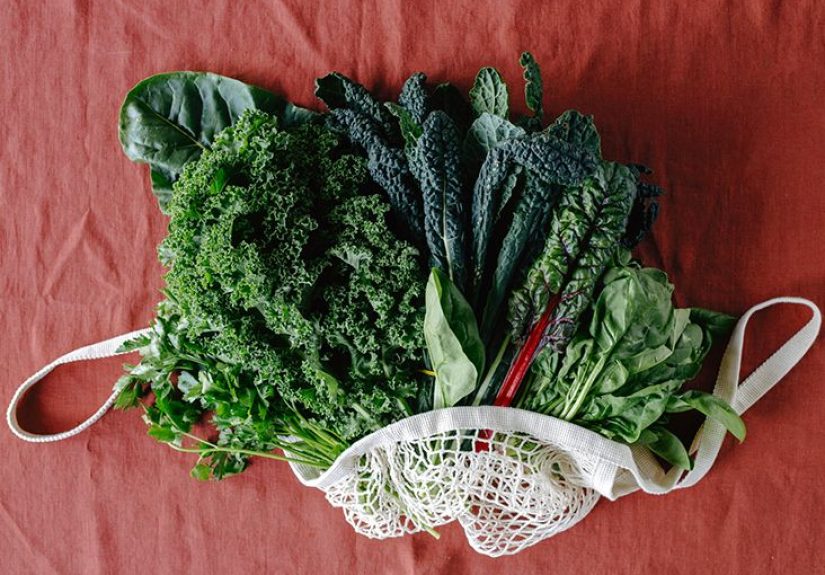
The most common reason for green poop is also the least mysterious: green foods. Spinach, kale, broccoli, Swiss chard, parsley, green smoothies, matcha, wheatgrass, seaweed, and large salads can add enough plant pigment to tint stool green.
Plants get their green color from chlorophyll. When you eat a large amount of chlorophyll-rich food, some of that pigment can pass through digestion and influence stool color. This does not mean the food is bad for you. In fact, many green foods are packed with fiber, vitamins, minerals, and antioxidants. Your body may simply be sending you a receipt.
Examples of food-related green stool
A green smoothie made with spinach, kiwi, and spirulina may lead to bright green stool. A big bowl of broccoli and kale may create a darker green color. Even guacamole, pistachios, herbs, or green vegetable juices can contribute if eaten in larger amounts.
If your stool turns green after a very green meal and returns to brown within a day or two, there is usually no reason to panic. The solution is not to break up with vegetables. It is simply to notice the timing.
2. Food Coloring and Artificial Dyes
Green food dye is another frequent culprit. So are blue and purple dyes, which can mix with bile and digestive contents to create a greenish stool. This can happen after eating brightly colored candies, frosted cupcakes, sports drinks, gelatin desserts, ice pops, cereals, party foods, or holiday treats.
Food coloring can be surprisingly powerful. A small amount may not do much, but a birthday party, Halloween candy stash, or neon-blue slushie marathon can leave your toilet looking like it is auditioning for a science fair.
Why blue foods can make poop green
It sounds strange, but blue or purple coloring can sometimes produce green stool because stool color is influenced by bile, gut bacteria, and the pigments moving through your intestines. Blue dye plus yellow-green bile can create a green result. The digestive tract is not a paint store, but it does occasionally mix colors like one.
If the color change follows a dye-heavy food or drink and disappears quickly, it is usually harmless.
3. Diarrhea or Fast Digestive Transit
Another common reason poop turns green is that food is moving through the intestines too quickly. Bile starts out greenish-yellow. As it travels through the digestive tract, bacteria and enzymes help change it into the brown color most people expect. But if stool rushes through too fast, bile may not have enough time to fully break down. The result can be green stool or green diarrhea.
This can happen with a stomach bug, food intolerance, stress, too much caffeine, spicy foods, or anything that speeds up bowel movements. In this case, the green color is less about what you ate and more about the speed of the digestive conveyor belt.
When fast transit is likely
Fast transit may be the cause if your stool is loose or watery, you are going more often than usual, or the green color appears with urgency. One green loose stool after a spicy meal may not be concerning. Ongoing diarrhea, however, deserves attention because fluid loss can lead to dehydration.
Drink water, consider oral rehydration fluids if needed, and keep meals gentle while your gut calms down. If diarrhea lasts more than two days, is severe, or comes with fever, blood, intense pain, or signs of dehydration, contact a healthcare professional.
4. Iron Supplements, Vitamins, and Certain Medicines
Iron supplements are famous for changing stool color. They can make stool dark green or even blackish. Prenatal vitamins, multivitamins with iron, and some fortified formulas may do the same. The color shift is usually harmless, but iron can also cause constipation, nausea, or stomach discomfort in some people.
Some medications may also influence stool color indirectly by changing gut bacteria, causing diarrhea, or affecting digestion. Antibiotics are a common example because they can disrupt the balance of bacteria in the intestines. Bismuth subsalicylate, often used for upset stomach, is better known for dark stool, but medication-related color changes can vary.
What to do if supplements are the cause
If green poop started soon after you began taking iron, a new vitamin, or a medication, check the label and talk with your doctor or pharmacist if you are unsure. Do not stop a prescribed medication without medical advice. Your stool may be weird, but your prescription plan should not be run by toilet-based panic.
If iron causes constipation or stomach upset, a healthcare professional may suggest a different dose, timing, formulation, or way to take it.
5. Infections and Stomach Bugs
Green stool can happen during infections because the intestines may move contents through too quickly. Bacterial infections, viral gastroenteritis, and parasites can all cause diarrhea, cramps, nausea, vomiting, fever, or fatigue. In these cases, the green color is often part of a bigger digestive disruption.
Common infection-related clues include watery diarrhea, stomach cramps, fever, vomiting, recent questionable food, contact with someone sick, or recent travel. Food poisoning may also cause sudden diarrhea after contaminated food or water.
When green diarrhea needs attention
Call a healthcare professional if diarrhea is severe, lasts more than 48 hours, includes blood or pus, comes with high fever, causes dehydration, or follows recent travel. Signs of dehydration include dizziness, dry mouth, very dark urine, weakness, confusion, or urinating much less than usual.
Most mild stomach bugs improve with rest, fluids, and bland foods. But some infections need testing or treatment, especially in young children, older adults, pregnant people, or anyone with a weakened immune system.
6. Digestive Conditions and Food Intolerances
Sometimes green poop is connected to a digestive condition that affects transit time, inflammation, or absorption. Irritable bowel syndrome, inflammatory bowel disease, celiac disease, lactose intolerance, and other gut issues can cause changes in stool color, frequency, texture, or urgency.
Green stool alone does not diagnose any of these conditions. However, if it keeps happening along with abdominal pain, bloating, mucus, ongoing diarrhea, constipation, weight loss, fatigue, or symptoms after specific foods, it is worth discussing with a healthcare provider.
Look for patterns, not just colors
A food and symptom diary can help. Write down what you ate, medications or supplements taken, stool color, stool texture, pain level, and any symptoms such as gas, urgency, nausea, or fever. Patterns are useful. Panic screenshots of the toilet are less useful, though your doctor has probably seen stranger things.
When Should You Worry About Green Poop?
Green stool is often harmless when it is temporary and you feel well. You should pay closer attention if the color change lasts several days without a clear food or supplement explanation, or if it comes with other symptoms.
Contact a healthcare professional if green stool is accompanied by persistent diarrhea, severe abdominal pain, fever, vomiting, dehydration, unexplained weight loss, or mucus. Seek urgent medical care for red blood in stool, black tarry stool, severe weakness, confusion, fainting, or signs of serious dehydration.
For babies and young children, call a pediatrician if diarrhea continues, there is fever, poor feeding, no wet diapers, unusual sleepiness, blood in stool, or pale/white stool. Pale or clay-colored stool can suggest a problem with bile flow and should not be ignored.
How to Figure Out What Caused Your Green Poop
Start with the simplest explanation. Think about the past 24 to 72 hours. Did you eat a lot of leafy greens? Drink a blue sports drink? Take iron? Start antibiotics? Have a stomach bug? Eat food that may not have been handled safely? Experience diarrhea after caffeine, spicy food, or stress?
If the answer is yes and you feel fine, monitor it. Your stool often returns to its usual shade after the food, dye, or temporary digestive issue passes. If the answer is no, or if symptoms are uncomfortable or persistent, it is time to get medical advice.
Practical Tips for Green Stool
If your green poop seems food-related, no treatment is usually needed. You can reduce large amounts of dyed foods and see whether the color changes. If diarrhea is present, focus on hydration. Water, soup, and oral rehydration solutions may help replace fluids. Eat gentle foods such as bananas, rice, applesauce, toast, crackers, potatoes, or plain noodles if your stomach feels unsettled.
Avoid guessing your way through serious symptoms. Anti-diarrhea medicine is not always appropriate, especially if there is fever or blood, so ask a healthcare professional when symptoms are intense or unusual. The goal is not to make your stool win a beauty contest. The goal is to understand whether your body is simply processing pigment or asking for help.
Personal Experience-Style Insights: What Green Poop Often Looks Like in Real Life
Many people first notice green poop after a totally ordinary day. Maybe lunch was a spinach-heavy salad, dinner included broccoli, and somewhere in between there was a matcha latte because wellness sounded like a good idea. The next morning, the toilet delivers a green surprise. In that situation, the timing is the biggest clue. The color may look odd, but the person usually feels normal: no fever, no cramps, no urgent diarrhea, no vomiting. Within a day or two, stool often returns to brown. The lesson is simple: sometimes your digestive system is just extremely committed to documenting your menu.
Another common story involves food dye. Someone goes to a birthday party, eats a cupcake with blue frosting, drinks a brightly colored beverage, and later sees green stool. This can be especially alarming because the food was not actually green. But artificial dyes do not always behave predictably in the digestive tract. Blue and purple colors can contribute to a green appearance once mixed with bile and digestive contents. If there are no other symptoms, this is usually a temporary color event, not a sign that your intestines have joined a marching band.
Then there is the supplement situation. A person starts taking iron because a doctor recommended it, or begins a new multivitamin, and soon stool becomes dark green. This can be confusing because the change may happen repeatedly. In that case, the key question is whether the timing lines up with the supplement. If it does, the color itself may be expected. Still, side effects like constipation, stomach pain, or nausea should be discussed with a clinician, especially if the supplement is hard to tolerate.
Green diarrhea feels different. Instead of one odd-colored but otherwise normal bowel movement, there may be urgency, watery stool, cramps, or multiple bathroom trips. This is when people often say, “Okay, this is not just kale.” Fast movement through the intestines can keep bile from turning brown, leaving stool green. A mild stomach bug may improve with fluids and rest, but green diarrhea that persists, worsens, or comes with fever, blood, dehydration, or severe pain should be checked.
Parents often experience a special version of stool anxiety. A baby’s diaper can look like a color chart designed by a mischievous art teacher. Greenish stool can be normal in newborns or related to formula, iron, diet, or mild digestive changes. But parents should not ignore warning signs such as poor feeding, fewer wet diapers, fever, blood, unusual sleepiness, or pale/white stool. When in doubt, pediatricians would rather answer a poop question than have a serious symptom missed.
The most useful habit is to observe without spiraling. Ask: What did I eat? Did I take anything new? Is the stool loose? Do I feel sick? Has it lasted more than a couple of days? Are there red flags? Green poop can be surprising, but in many cases, it is temporary, explainable, and not dangerous. Your body is not always subtle, but it is often logical.
Conclusion
So, why is your poop green? The six most likely causes are green foods, artificial dyes, diarrhea or fast digestive transit, iron supplements or medications, infections, and digestive conditions or food intolerances. Most cases are short-lived and harmless, especially when you can connect the color change to something you ate or took.
However, stool changes should not be ignored when they come with warning symptoms. Persistent diarrhea, fever, severe pain, dehydration, blood, black tarry stool, unexplained weight loss, or pale stool deserves medical attention. Your toilet may occasionally surprise you, but your health should not be a guessing game.