Table of Contents >> Show >> Hide
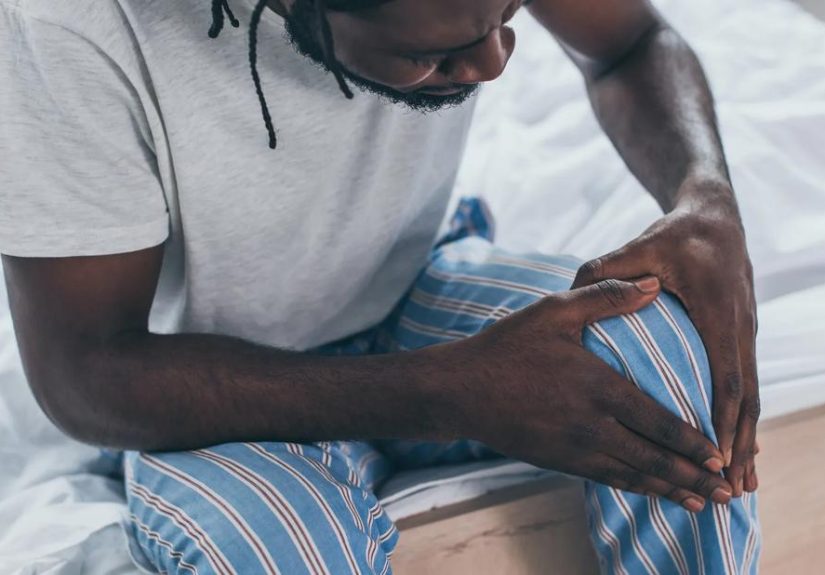
Knee pain at night has a special talent for being dramatic. During the day, your knee may act like a mildly annoyed coworker. Then bedtime arrives, the lights go out, and suddenly it performs a full Broadway solo: throbbing, aching, pulsing, stiffening, and refusing to let you sleep.
If you have ever wondered, “Why does my knee hurt more when I finally stop moving?” you are not alone. Nighttime knee pain is common, especially among people with arthritis, overuse injuries, inflammation, old sports injuries, or simply knees that have carried them through many miles of life. The tricky part is that knee pain at night is not one single condition. It is a symptom with several possible causes.
The good news: many causes of knee pain at night can improve with smart self-care, better sleep positioning, physical therapy, weight management, and medical treatment when needed. The not-so-good news: ignoring persistent knee pain and hoping it “gets bored and leaves” is not a great strategy.
This guide explains the most common reasons your knee may hurt at night, why pain can feel worse in bed, what you can do for relief, and when it is time to call a healthcare professional.
Why Knee Pain Can Feel Worse at Night
Nighttime has a funny way of turning down the volume on everything except pain. During the day, your brain is busy processing work, errands, conversations, screens, stairs, snacks, and the eternal mystery of where your keys went. At night, those distractions disappear. Pain signals that were background noise can suddenly feel like the headline act.
Less Movement Can Mean More Stiffness
Your knees like motionreasonable motion, not “let’s run a marathon without training” motion. When you lie still for hours, fluid circulation around the joint may slow, muscles can tighten, and stiff tissues may become more noticeable. This is especially common with osteoarthritis, where the joint may feel achy after activity but also stiff after rest.
Inflammation May Speak Louder at Bedtime
Inflammation from arthritis, bursitis, tendinitis, or injury can cause swelling, warmth, tenderness, and throbbing. At night, when you are still and trying to relax, inflamed tissues may feel more obvious. Some inflammatory conditions, such as gout, are famous for sudden nighttime flares.
Your Sleep Position May Add Pressure
Side sleeping can press one knee against the other. Sleeping with the knee twisted can strain ligaments, tendons, or irritated cartilage. Even a heavy blanket can feel rude if the joint is inflamed. A small pillow between the knees or under the knees can make a surprising difference.
Poor Sleep Can Make Pain Feel Worse
Pain and sleep can create a frustrating loop. Pain keeps you awake. Poor sleep increases pain sensitivity. Then the next night, your body arrives at bedtime already annoyed. Breaking that cycle often requires treating both the knee problem and the sleep environment.
Common Causes of Knee Pain at Night
Knee pain after dark can come from joint wear, inflammation, injury, overuse, or medical conditions. The location, timing, and “personality” of the pain can offer clues.
1. Knee Osteoarthritis
Osteoarthritis is one of the most common reasons people develop knee pain at night. It happens when cartilagethe smooth cushioning tissue inside the jointbreaks down over time. As the joint changes, the knee may become painful, stiff, swollen, or harder to move.
In mild or moderate osteoarthritis, pain may be worse after walking, climbing stairs, squatting, or standing for a long time. As arthritis becomes more advanced, pain can show up even when you are sitting, lying down, or trying to sleep. That is when the knee starts sending emails after business hours.
Common signs of knee osteoarthritis include:
- A deep ache inside or around the knee
- Stiffness after resting or when waking up
- Swelling or a feeling of fullness
- Grinding, clicking, or crunching sensations
- Pain with stairs, kneeling, or getting out of a chair
Osteoarthritis is more common with age, previous knee injury, higher body weight, repetitive stress, and family history. It is not simply “getting old,” and it can often be managed with the right plan.
2. Bursitis
Bursae are small fluid-filled sacs that help cushion areas where tendons, muscles, and skin glide over bone. When a bursa becomes irritated, the condition is called bursitis. In the knee, bursitis can happen after kneeling, overuse, a direct blow, or repeated pressure.
Knee bursitis may cause swelling, tenderness, warmth, and pain when bending or putting pressure on the joint. At night, the discomfort can flare when your sleeping position presses on the irritated area. If your knee feels like it has a grumpy water balloon attached, bursitis may be part of the story.
3. Tendinitis or Tendinopathy
Tendons connect muscles to bones. When they become irritated from overuse, strain, or repetitive movement, pain can develop around the knee. Patellar tendinitis, sometimes called jumper’s knee, often causes pain at the front of the knee below the kneecap.
This type of pain may be linked to running, jumping, squatting, stairs, or sudden increases in activity. It may ache later in the day and become more noticeable at night once the body cools down and settles into rest mode.
4. Meniscus Tear
The meniscus is a C-shaped piece of cartilage that cushions the knee. A tear can happen from twisting, pivoting, sports injury, or age-related wear. Some people feel a pop at the time of injury, but others notice symptoms more gradually.
A meniscus tear can cause pain, stiffness, swelling, catching, locking, or the feeling that the knee might give way. At night, the knee may ache after a day of walking or feel uncomfortable when bent in certain positions.
5. Gout
Gout is a type of inflammatory arthritis caused by uric acid crystals in a joint. Although it often affects the big toe, it can also affect the knee. Gout flares can start suddenly at night and may be intense enough to wake you from sleep.
Signs of gout in the knee can include severe pain, swelling, redness, warmth, and extreme tenderness. Some people say even a bedsheet touching the joint feels unbearable. When a knee is hot, swollen, red, and dramatically painful, it deserves medical attentionnot a pep talk.
6. Rheumatoid Arthritis or Other Inflammatory Arthritis
Rheumatoid arthritis is an autoimmune condition that can inflame joints, including the knees. Unlike osteoarthritis, which is often related to mechanical wear and joint changes, rheumatoid arthritis involves the immune system attacking joint tissue.
Inflammatory arthritis often causes swelling, warmth, morning stiffness, fatigue, and pain in multiple joints. Nighttime pain can occur because inflammation does not politely clock out at 5 p.m.
7. Runner’s Knee
Runner’s knee, also known as patellofemoral pain syndrome, often causes pain around or behind the kneecap. Despite the name, you do not need to be a runner to get it. It can happen with weak hip muscles, poor tracking of the kneecap, overuse, stairs, squatting, or long periods of sitting.
At night, runner’s knee may feel like a dull ache around the front of the knee, especially after an active day. Your knee may basically be saying, “About that hill workoutwe need to discuss.”
8. Old Injuries
An old ligament sprain, cartilage injury, fracture, or surgery can change how the knee moves. Even years later, scar tissue, altered mechanics, or post-traumatic arthritis can contribute to nighttime discomfort. If one knee hurts more than the other and has a history worthy of a sports documentary, that history matters.
How to Tell What Might Be Causing Your Night Knee Pain
You cannot diagnose every knee problem from symptoms alone, but patterns can help you decide what to do next.
If the Pain Is Deep and Achy
A deep ache that worsens after activity and comes with stiffness may point toward osteoarthritis. The pain may feel worse after stairs, long walks, yard work, or standing on hard floors.
If the Knee Is Hot, Red, and Suddenly Painful
Sudden severe pain with redness, warmth, and swelling may suggest gout or infection. This is especially important if you have fever, chills, or feel sick. Do not wait several days to “see what happens” if the joint looks angry and feels intensely painful.
If Pain Is Sharp With Catching or Locking
Sharp pain, locking, catching, or trouble fully straightening the knee may suggest a meniscus injury or another mechanical problem inside the joint.
If Pain Is in the Front of the Knee
Pain around the kneecap may come from runner’s knee, patellar tendinitis, kneecap tracking issues, or irritation from stairs and squatting.
If Pain Is Worse With Kneeling
Pain and swelling at the front of the knee after kneeling may suggest bursitis. This is common in people who garden, clean floors, install flooring, do construction work, or spend time kneeling without padding.
What You Can Do for Knee Pain at Night
Relief depends on the cause, but several strategies can help calm irritated knees and improve sleep.
Adjust Your Sleep Position
If you sleep on your side, place a pillow between your knees. This keeps the top knee from pressing into the lower knee and helps align your hips. If you sleep on your back, try placing a pillow under your knees to reduce tension. Avoid sleeping with the knee twisted sharply or hanging unsupported off the mattress.
Use Heat or Ice Strategically
Ice may help when the knee is swollen, warm, or irritated after activity. Heat may help with stiffness, tight muscles, or an achy arthritic joint. A simple rule: ice for inflammation, heat for stiffness. Your knee may have preferences, so listen carefullypreferably before it starts yelling at midnight.
Try Gentle Evening Movement
A short, gentle walk or light stretching routine can reduce stiffness before bed. Avoid intense late-night workouts if they trigger pain. Think “calm the joint,” not “audition for a fitness commercial.”
Strengthen the Muscles Around the Knee
Strong muscles help support the knee. Exercises that strengthen the quadriceps, hamstrings, hips, and glutes can improve joint mechanics and reduce stress. A physical therapist can design a plan that matches your condition, fitness level, and pain pattern.
Manage Daily Load
Knee pain at night often reflects what happened during the day. Long stairs, heavy lifting, kneeling, running, or standing may not hurt much in the moment but can lead to evening aches. Track your pain for a week. Write down activity, footwear, stairs, exercise, and sleep quality. Patterns often appear quickly.
Consider Over-the-Counter Pain Relief Carefully
Some people use acetaminophen, topical anti-inflammatory gels, or nonsteroidal anti-inflammatory drugs such as ibuprofen or naproxen. These medicines are not right for everyone, especially people with kidney disease, stomach ulcers, blood thinner use, heart disease, high blood pressure, liver disease, or pregnancy. Ask a healthcare professional or pharmacist what is safe for you.
Support a Healthy Weight
Body weight affects the forces moving through the knee. Even modest weight loss can reduce stress on knee joints and improve pain for some people with osteoarthritis. This is not about chasing a perfect number; it is about reducing the workload on a joint that already has a busy job.
Choose Knee-Friendly Activity
Low-impact movement can be helpful for many people with knee pain. Options may include walking on flat surfaces, swimming, water aerobics, cycling, tai chi, or guided strength training. The best exercise is the one your knee tolerates and your schedule will actually allow.
When to See a Doctor for Knee Pain at Night
You should contact a healthcare professional if knee pain at night lasts more than a few days, keeps returning, disrupts sleep, limits walking, or does not improve with basic care.
Seek urgent medical help if you have:
- Severe pain after an injury
- Sudden swelling
- A knee that looks deformed
- Inability to bear weight
- Fever with knee redness, warmth, and swelling
- Sudden calf swelling, leg pain, or skin color changes
- Chest pain or shortness of breath with leg swelling
A clinician may perform a physical exam, ask about your symptoms, check range of motion, and order imaging or lab tests if needed. Treatment may include physical therapy, medication, injections, bracing, lifestyle changes, or referral to a specialist.
Real-Life Experiences: What Nighttime Knee Pain Can Feel Like
Nighttime knee pain does not always arrive with a clear announcement. Sometimes it sneaks in quietly. A person might spend the day walking around the grocery store, carrying laundry, climbing stairs, or standing at work and think, “That was fine.” Then, at 2:13 a.m., the knee decides to submit a complaint in triplicate.
One common experience is the “can’t find the right position” routine. You start on your side, then put a pillow between your knees. That works for eight minutes. Then you roll onto your back. Betteruntil the knee starts throbbing. Then you bend it. Then straighten it. Then bend it halfway, which somehow feels both better and worse. By the end, your blankets look like they lost a wrestling match.
Another familiar pattern is the “busy day payback.” Maybe you went shopping, cleaned the house, played with the kids, worked in the garden, or walked more than usual. Your knee behaved well enough during the action, but once the day ended, inflammation and stiffness showed up like late guests who brought no snacks. This delayed ache is common with osteoarthritis, tendinitis, and overuse irritation.
Some people describe nighttime knee pain as a dull, heavy pressure deep inside the joint. Others feel burning, stabbing, tightness, or a pulsing sensation. A swollen knee may feel too full to bend comfortably. A tendon problem may feel sharp near the kneecap. Bursitis may make even light pressure unpleasant. Gout, when it affects the knee, can feel sudden and fierce, as if the joint has become a tiny volcano with opinions.
There is also an emotional side. When pain steals sleep, patience gets thinner. Morning can feel foggy. Exercise feels harder. Work feels longer. Small tasks become irritating. Many people start worrying: “Is this arthritis? Did I damage something? Will I need surgery?” Those questions are understandable, but nighttime knee pain does not automatically mean the worst-case scenario. Often, the first step is identifying patterns and getting the right evaluation.
Practical experience teaches a few lessons. First, knees appreciate consistency. A single heroic workout followed by five days on the couch is rarely ideal. Gentle, regular movement usually works better. Second, sleep setup matters. A supportive pillow, comfortable mattress, and reduced joint pressure can make nights easier. Third, pain diaries are underrated. Tracking activity, pain level, swelling, sleep position, and relief methods can help you and your clinician spot clues quickly.
Finally, many people improve when they stop treating the knee as an isolated hinge and start thinking about the whole leg. Hip strength, ankle mobility, footwear, walking habits, stairs, and body mechanics all influence the knee. Your knee may be the one complaining, but sometimes the hip, foot, or daily routine started the argument.
Conclusion
Knee pain at night can happen for many reasons, including osteoarthritis, bursitis, tendinitis, meniscus tears, gout, inflammatory arthritis, runner’s knee, or old injuries. Pain may feel worse in bed because you are less distracted, your joint becomes stiff, inflammation is more noticeable, or your sleep position adds pressure.
The best first steps are simple: adjust your sleeping position, use heat or ice wisely, stay gently active, strengthen supporting muscles, avoid overloading the knee, and talk with a healthcare professional if pain persists or seems severe. Your knee is not trying to ruin your night for funalthough it may feel that way. It is sending information. The goal is to understand the message before it becomes a nightly subscription.