Table of Contents >> Show >> Hide
- Why allergy symptoms often feel worse after dark
- Common signs your nighttime symptoms are allergy-related
- The biggest nighttime allergy triggers hiding in your room
- How to make nighttime allergies less dramatic
- What treatments can help nighttime allergies?
- When it might not be allergies
- When to see a doctor about nighttime allergies
- The bottom line
- Nighttime Allergy Experiences: What This Often Looks Like in Real Life
- SEO Tags
Note: Source links are intentionally omitted for publication. Content is fully rewritten in original language style and cleaned for web use.
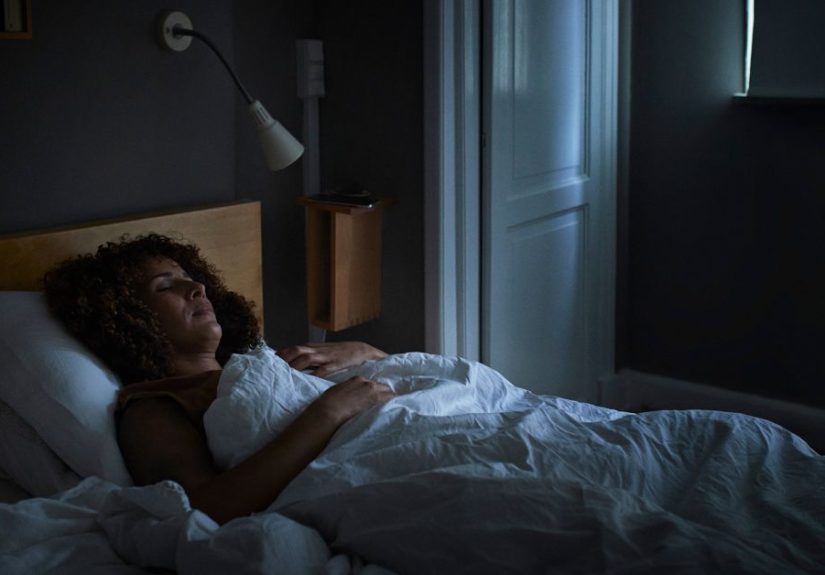
There is a special kind of betrayal that happens when you finally crawl into bed, fluff your pillow, and prepare for glorious sleeponly for your nose to clog like rush-hour traffic. Suddenly you are sneezing, sniffling, rubbing itchy eyes, and wondering whether your bedroom has secretly joined forces with every dust particle in North America.
If your allergies feel worse at night, you are not imagining it. For many people, nighttime allergy symptoms are real, common, and frustratingly persistent. The bedroom can collect allergens like dust mites, pet dander, mold, and pollen. Then, once you lie down, nasal congestion and postnasal drip can feel even more obvious. Add poor sleep to the mix, and the whole thing becomes a vicious little cycle: allergies disrupt sleep, and lack of sleep makes everything feel more miserable.
The good news is that nighttime allergies usually have understandable triggers. Better yet, many of them are fixable. Let’s break down why your allergies seem to clock in for the late shift, what might be making them worse, and how to make your bedroom feel less like an allergen convention and more like the sleep sanctuary it claims to be.
Why allergy symptoms often feel worse after dark
When people ask, “Why are my allergies worse at night?” the answer is usually not just one thing. It is more like an annoying team effort. Your sleeping environment, your body position, and the allergens you carry indoors during the day can all pile on at once.
1. Your bedroom may be full of indoor allergens
Bedrooms are cozy for humans, but they can also be prime real estate for allergens. Dust mites love soft surfaces like mattresses, pillows, comforters, upholstered headboards, and carpeting. If you are allergic to dust mites, your bed can become the place where you spend eight hours marinating in your trigger. Not ideal.
Pet dander is another frequent culprit. Even if your dog or cat does not sleep in the bed, allergens can linger in the room, settle into fabrics, and cling to your bedding. Mold can also play a role, especially if your bedroom or bathroom has moisture issues, poor ventilation, or hidden damp spots.
And then there is pollenthe uninvited guest that sneaks in on your clothes, hair, skin, and shoes. You may leave the outdoors behind at the front door, but pollen often comes inside with you and lands right where you sleep.
2. Lying down can make congestion feel worse
During the day, you are upright, moving around, and too busy answering emails or wondering what is for dinner to notice every tiny symptom. At night, that changes. When you lie flat, nasal tissues can feel more swollen, mucus may seem to pool, and postnasal drip can become more noticeable. That can leave you with a stuffy nose, throat clearing, coughing, or the glamorous sensation that one nostril has simply retired for the evening.
This is one reason nighttime allergy congestion can feel so dramatic even when your daytime symptoms are milder. Your body position does not create allergies, but it can absolutely make the symptoms harder to ignore.
3. You notice symptoms more when the world gets quiet
At night, there are fewer distractions. When the house is quiet and you are trying to fall asleep, every sniffle suddenly sounds like a full percussion section. Mild itching feels itchier. A little congestion feels enormous. A small cough feels like a public performance. In other words, nighttime does not always create the problem, but it often turns the volume up on how much you notice it.
4. Dry or poorly controlled indoor air can make things worse
Not every nighttime symptom is caused by a classic allergen. Dry air can irritate nasal passages and make congestion feel worse. On the flip side, too much humidity can encourage dust mites and mold. If your room is stuffy, dusty, damp, or poorly ventilated, your nose may file a formal complaint.
Common signs your nighttime symptoms are allergy-related
Nighttime allergies often show up in familiar ways. You may notice:
- Stuffy nose right when you lie down
- Sneezing fits in bed or first thing in the morning
- Itchy nose, throat, ears, or eyes
- Watery or red eyes
- Postnasal drip and throat clearing
- Coughing at night
- Trouble falling asleep because you cannot breathe comfortably
- Waking up tired, foggy, or with a dry mouth from mouth breathing
If these symptoms happen year-round, indoor allergens such as dust mites, pet dander, cockroaches, or mold may be more likely. If symptoms spike during certain seasons, pollen may be the bigger triggereven if the misery waits until bedtime to introduce itself.
The biggest nighttime allergy triggers hiding in your room
Dust mites
Dust mites are one of the most common causes of year-round allergy symptoms. They are microscopic, which is rude because at least visible enemies give you a chance to glare at them. They thrive in bedding, mattresses, pillows, carpets, and upholstered furniture.
Pet dander
Pet allergens are sticky and lightweight, so they travel easily and settle into soft surfaces. Even homes without pets can have lingering dander brought in on clothing. If you do have pets, letting them nap on the bed or in the bedroom can keep symptoms going all night long.
Mold
Mold spores can trigger sneezing, congestion, coughing, and itchy eyes. Bedrooms near bathrooms, basements, or humid areas may be more likely to have mold issues. If the room smells musty, that is not exactly a green flag.
Pollen
Pollen usually gets blamed on the outdoors, and fair enough. But once it gets into your house, it can settle on bedding, curtains, rugs, and your pillowcase. If you climb into bed without changing clothes or showering after being outside, you may be bringing the problem with you.
How to make nighttime allergies less dramatic
You do not need to wage war on your entire house overnight. But a few targeted changes can make a big difference.
Make the bed less allergen-friendly
Use zippered covers on your mattress and pillows if dust mites are a trigger. Wash sheets, pillowcases, and blankets regularly. Bedding should not become a long-term storage unit for skin flakes, pollen, and mystery fluff.
Shower and change clothes before bed
If pollen is part of your problem, a quick shower at night can help rinse allergens off your skin and hair. Changing into clean sleep clothes keeps outdoor allergens from hopping into bed with you like they pay rent.
Keep pets out of the bedroom
Yes, your pet will act personally attacked by this boundary. Stay strong. Creating one low-allergen room in the house can be one of the most helpful steps for people with pet allergies.
Control humidity
Too much moisture encourages mold and dust mites. Too little can irritate your nose. Aim for a balanced indoor environment rather than a swamp or a desert. Good ventilation in bathrooms and bedrooms matters more than many people realize.
Vacuum, dust, and simplify soft surfaces
Regular cleaning helps, especially in the bedroom. Damp dusting can keep particles from flying back into the air. If possible, reduce clutter, heavy drapes, and extra fabric surfaces that collect allergens. Think of it as decluttering for your sinuses.
Keep windows closed when pollen counts are high
Fresh air is lovely in theory. In peak allergy season, however, open windows can invite pollen straight into your sleep space. On high-pollen days, closing windows may spare you a long night of congestion and regret.
Try elevating your head slightly
If lying flat makes your nose feel more blocked, sleeping with your head a little elevated may help reduce that congested, pressure-filled feeling. Sometimes the fix is not glamorous. Sometimes it is just a better pillow setup.
What treatments can help nighttime allergies?
If bedroom changes help but do not fully solve the problem, treatment may be worth considering. The right option depends on your symptoms, triggers, and how often this is happening.
Saline rinses or sprays
Saline can help rinse irritants and mucus from the nose, especially after time outdoors or before bed. It is a simple step, but simple steps are underrated.
Nasal corticosteroid sprays
These are often among the most effective options for allergic rhinitis, especially when congestion is the star of the show. They work best when used correctly and consistently rather than only after symptoms become dramatic enough to deserve their own soundtrack.
Antihistamines
Antihistamines may help with sneezing, itching, and runny nose. Some people prefer non-drowsy options during the day, while others discuss timing with a clinician depending on their symptoms and the specific medication.
Allergy testing and immunotherapy
If you are doing all the right things and still waking up congested, allergy testing can help identify your triggers more precisely. For some people, immunotherapy may be an option when symptoms are persistent or hard to control.
When it might not be allergies
Not every blocked nose at bedtime is caused by allergies. Similar symptoms can also happen with a cold, sinus infection, irritant exposure, acid reflux, structural nasal issues, or nasal polyps. That is especially true if you have facial pain, fever, thick discolored mucus, frequent nosebleeds, snoring, or symptoms that do not follow a clear allergy pattern.
If you are wheezing, short of breath, or waking up coughing regularly, asthma could also be part of the picture. Nighttime breathing problems deserve attention, not guesswork and a heroic number of tissues.
When to see a doctor about nighttime allergies
Make an appointment if your symptoms are frequent, interrupt sleep, affect work or school, or do not improve with basic home strategies. It is also smart to get checked if you are not sure whether allergies are really the issue. A clinician or allergist can help narrow down triggers, recommend treatment, and rule out lookalike conditions.
The bottom line
If your allergies are worse at night, the most likely explanation is that your bedroom is giving allergens a cozy place to hang out while lying down makes congestion feel more intense. Dust mites, pet dander, mold, and pollen are common offenders, and poor sleep can make the entire experience feel even worse.
The upside is that nighttime allergies are often manageable. Cleaner bedding, fewer bedroom allergens, better humidity control, closed windows during pollen season, and the right treatment plan can all help. Your goal is simple: make your bedroom boring again. Not ugly-boring. Just allergy-boring. That is the dream.
Nighttime Allergy Experiences: What This Often Looks Like in Real Life
For many people, nighttime allergies do not begin with some dramatic movie scene where they collapse onto the bed in a cloud of dust. They begin quietly. A person spends the day doing fine, maybe sneezing once or twice outside, then heads home assuming the worst is over. But by 10 p.m., their nose is stuffed, their eyes are itchy, and they are negotiating with the ceiling fan like it personally caused the problem.
One common experience is the “morning-after” pattern. Someone goes to bed feeling mostly normal, wakes up at 3 a.m. breathing through their mouth, then gets out of bed the next morning feeling tired, dry, and oddly grumpy at breakfast. Often, that person assumes they are catching a cold. But if it happens again and againespecially without fever or body achesnighttime allergies become a much more likely suspect.
Another familiar scenario happens during pollen season. A person walks the dog, runs errands, maybe does a little gardening, and never thinks much about what is sticking to their hair, shirt, and skin. They come home, flop onto the bed in outside clothes, and later wonder why bedtime feels like a sinus ambush. The bedroom seems innocent, but the allergens tagged along and settled right into the pillowcase.
Pet owners often describe a different pattern. They love their animals, the animals love the bed, and everybody would prefer not to discuss boundaries. But when the sneezing ramps up at night and the stuffiness is worst in the room where the pet naps all day, the connection becomes harder to ignore. It is not that the pet suddenly becomes more allergenic after sunset. It is that the exposure becomes more concentrated in the very place where someone is trying to breathe quietly for eight uninterrupted hours.
People with dust mite allergies often have the most confusing experience because the bedroom looks clean. The sheets are fresh, the room smells fine, and nothing appears wrong. That is part of the frustration. Dust mites are invisible, and their favorite habitat is exactly where humans spend long stretches of time. Many people do not realize how strongly bedding can affect symptoms until they start washing linens more often, covering pillows and mattresses, or reducing dust-catching clutter around the bed.
Then there is the emotional side, which people do not always talk about. Bad nighttime allergies can make sleep feel stressful. You start anticipating the stuffiness before it even begins. You keep tissues on the nightstand, water by the bed, maybe an extra pillow for elevation, and somehow bedtime starts to feel like prep for a small weather event. Once sleep becomes inconsistent, the next day feels harder too. Concentration slips, patience gets thinner, and the whole issue seems bigger than “just allergies.”
That is why improving nighttime allergies can feel so life-changing. Better sleep is not a tiny reward. It is the difference between dragging yourself through the day and feeling like an actual human again. When people finally identify the triggerdust mites, pet dander, mold, pollen, or a combination of severalthe relief is often not just physical. It is the joy of discovering that the problem had a pattern all along, and that the pattern could be changed.