Table of Contents >> Show >> Hide
- What is white piedra?
- Pictures: what white piedra typically looks like
- Symptoms of white piedra
- What causes white piedra?
- Risk factors: who gets white piedra?
- Is white piedra contagious?
- Conditions that can look like white piedra
- How doctors diagnose white piedra
- Treatment: what actually works
- At-home care tips (safe, practical, and non-magical)
- How to prevent white piedra from coming back
- When to see a doctor
- Quick FAQ
- Real-world experiences (what people often notice, worry about, and learn)
- 1) “I thought it was dandruff… until it didn’t act like dandruff.”
- 2) “I panicked about lice.”
- 3) “Humidity and wet hair were the silent villains.”
- 4) “The hardest part wasn’t the medicineit was the hair decision.”
- 5) “Consistency beat intensity.”
- 6) “After it cleared, prevention became part of normal life.”
- Information synthesized from reputable medical sources
- SEO tags
Finding tiny white “beads” stuck to your hair can feel like a horror-movie jump scare. Is it dandruff? Lice eggs?
Dust from that one pillow you refuse to throw away? Sometimes the answer is white piedraa rare
but very real fungal hair shaft infection that turns strands of hair into a place where yeast-like fungi
throw a microscopic block party.
The good news: white piedra is usually superficial (it lives on the hair shaft, not deep in your body),
and it typically responds well to the right planoften a combo of hair trimming/removal plus
antifungal products. This guide breaks down what it looks like, how it’s diagnosed, what treatment
tends to work, and how to keep it from coming back.
Heads-up: This article is educational and can’t diagnose you. If you’re not sure what’s on your hair, a clinician can confirm it with a quick exam and lab test.
What is white piedra?
White piedra is a fungal infection of the hair shaft caused most often by yeasts in the
Trichosporon genus. The word “piedra” means “stone,” and the name makes sense once you see it:
the fungus forms soft, whitish-to-tan nodules that cling to hair like tiny grains of rice or
little pearls.
Unlike many scalp conditions, white piedra doesn’t start in the skin or the hair follicle. It involves
concretions (clusters of fungal elements) that form along the hair shaft itself. That’s why you might
feel “gritty” hair even when your scalp skin seems totally fine.
Pictures: what white piedra typically looks like
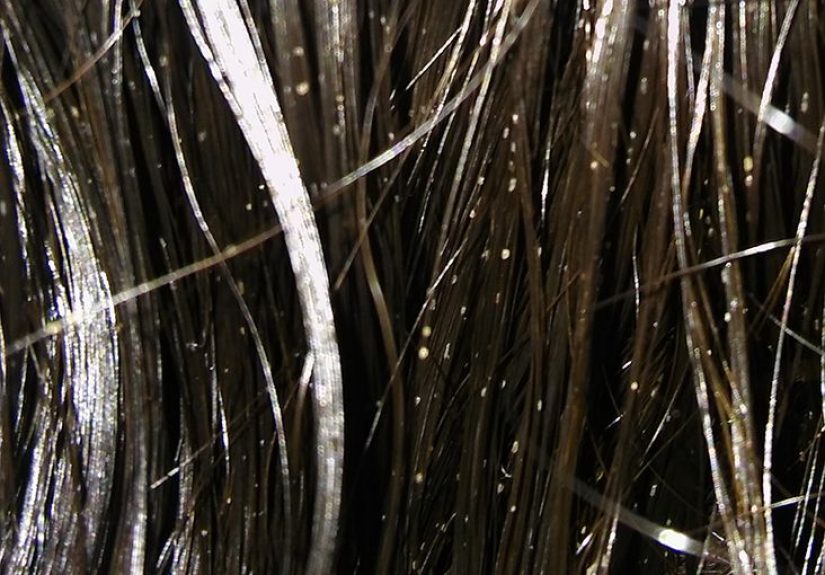
White piedra can be subtle in real life and surprisingly obvious in close-up photos. In pictures, it often appears as:
- White, cream, or light tan nodules along the hair shaft
- Nodules that may look gelatinous, pasty, or pearly
- Clusters that can be spaced irregularly or grouped like a “sleeve” around a strand
- Hair that looks like it has tiny “sand grains” stuck to it
Many people notice it most when the hair is wet (the nodules can swell or become more visible), or when they run
fingers down the hair and feel a rough texture.
A simple visual (illustration)
This is a basic diagram showing the idea of nodules on a hair shaft (not a clinical photograph).
Hair shaft
Soft, whitish nodules (concretions)
What you might see under magnification
Clinicians may use dermoscopy (a handheld magnifier) or microscopy to distinguish white piedra from “look-alikes.”
Under a microscope, white piedra concretions can appear as sleeve-like masses around the hair containing fungal
structures (hyphae and spores).
Symptoms of white piedra
White piedra is often more annoying than painfulbut symptoms can vary. Common signs include:
- White to tan nodules attached to hair shafts (the hallmark)
- Hair that feels gritty or rough when you slide fingers down it
- Brittle hair or hair breakage where nodules form
- Mild itching or irritation (some people have none)
White piedra can involve different hair-bearing areas. It has been described on
scalp hair, beard/mustache hair, eyebrows/eyelashes,
underarm hair, and groin/pubic hair. (Yes, fungi are equal-opportunity party guests.)
What causes white piedra?
White piedra is usually caused by Trichosporon species, yeast-like fungi found in the environment
(like soil and water) and sometimes on human skin. Certain species show up more often in particular body areas
in clinical reports (for example, some are more associated with scalp involvement and others with body hair).
Experts don’t always know the exact moment someone “catches” white piedra. In some cases, the fungus may already
be present on skin and then takes advantage of the right conditionsespecially moistureto
build concretions on hair shafts.
Risk factors: who gets white piedra?
White piedra is uncommon, but it has patterns. Factors often linked with higher risk include:
- Warm, humid climates (fungi love a tropical vacation)
- Long hair (more surface area and longer drying time)
- Keeping hair wet for long periods (tying up wet hair, air-drying for hours, wet coverings)
- Heavy hair oils/conditioners that may trap moisture on the shaft
- Shared grooming items (combs, brushes, towels, hair accessories)
- Close contact with an affected person in some situations
White piedra has been reported in different ages. Some case series note it in children and young adults, and
it can occur in people of any sex.
Is white piedra contagious?
White piedra is generally considered not highly contagious in casual day-to-day contact.
That said, it may spread through close contact or shared grooming tools,
and some cases suggest personal care habits and hygiene play a role in transmission and recurrence.
If someone in a household has confirmed white piedra, it’s smart (and polite) to avoid sharing brushes, combs,
hats, towels, pillowcases, and hair accessories until treatment is completed.
Conditions that can look like white piedra
White “stuff” on hair is a crowded category. A few common mix-ups:
Lice (nits)
Nits are tiny eggs attached close to the scalp. They tend to be hard to slide off.
White piedra nodules are often easier to dislodge and can occur farther down the shaft.
Still, appearances can overlapespecially in photosso don’t self-diagnose based on vibes alone.
Hair casts (pseudonits)
Hair casts are white, cylindrical sleeves that can slide along the hair. They’re not an infection, but they
can mimic it. Dermoscopy and microscopy can sort this out quickly.
Trichobacteriosis (trichomycosis axillaris)
Despite the confusing old name, this is typically a bacterial condition (often involving
underarm hair) that can create concretions. It may fluoresce under certain light and behaves differently under
microscopy.
Black piedra
Black piedra causes dark, hard nodules that are usually more firmly attached to hair than white
piedra. It’s caused by a different fungus and has a different “feel” and look.
Tinea capitis (scalp ringworm)
Tinea capitis is a scalp/fungal infection that affects skin and follicles and often causes scaling, broken hairs,
or patches of hair loss. White piedra focuses on the hair shaft concretions.
How doctors diagnose white piedra
Diagnosis usually starts with a close look at the hair and nodules. If a clinician suspects white piedra, they may
confirm it with one or more tests:
- Microscopy (often using a potassium hydroxide/KOH prep) to see fungal elements within concretions
- Fungal culture of affected hairs to identify the organism
- Dermoscopy to help differentiate nodules from nits or hair casts
Getting the diagnosis right matters because treatments differ wildly. If it’s white piedra, antifungals and
hair management help. If it’s lice, you want a lice treatment plan. If it’s hair casts, you want to address
scalp irritation and hair practicesnot blast your bathroom with antifungal shampoo for no reason.
Treatment: what actually works
White piedra treatment usually aims to do two things: remove the concretions and
stop the fungus from rebuilding them. Many clinicians use a combined approach.
1) Remove or reduce infected hair (often the fastest win)
In many clinical references, trimming or shaving the affected hair is described as a first-line move,
because it physically removes the fungus-coated shafts. Not everyone wants to shavetotally understandableso
doctors may tailor the plan (for example, targeted trimming, or a more aggressive topical regimen).
2) Topical antifungals and medicated washes
Common topical options include azole antifungals (like ketoconazole-based products),
selenium sulfide shampoos/lotions, and other antifungal agents used for superficial fungal infections.
These are often applied on a schedule for several weeks, sometimes longer, to help prevent relapse.
- Antifungal shampoos can help reduce organism load and loosen concretions.
- Topical creams/solutions may be used on affected areas depending on location and severity.
3) Oral antifungals (for stubborn or widespread cases)
If white piedra is persistent, widespread, or recurringespecially when hair removal is limitedclinicians may
consider oral antifungal medication (often an azole). Oral treatment should be guided by a healthcare
professional because it depends on your overall health, potential side effects, and possible interactions with
other medications.
4) Hygiene upgrades (because fungus hates a dry schedule)
Treatment works better when you remove the “fungus-friendly” conditions that helped it thrive in the first place:
moisture and trapped residue. That usually means improving drying habits, cleaning grooming tools, and avoiding
sharing personal hair items.
How long does treatment take?
Many people improve within weeks, but the timeline depends on hair length, body area involved, and how consistently
the plan is followed. Some regimens keep medicated shampoos in rotation for a longer stretch to reduce recurrence.
At-home care tips (safe, practical, and non-magical)
- Dry hair thoroughly before tying it up, putting on a hat, or covering it.
- Don’t share combs, brushes, towels, hats, hair clips, or pillowcases during treatment.
- Clean grooming tools regularly (hot soapy water, then dry completely).
- Go easy on heavy oils or leave-in products if they keep hair damp for hours.
- Avoid harsh scraping of nodules, which can damage the hair shaft and irritate skin.
If your clinician recommends a medicated shampoo, use it exactly as directed. “More shampoo” is not the same as
“more effective,” and overuse can irritate the scalp.
How to prevent white piedra from coming back
Recurrence is less likely when moisture and sharing are managed. Prevention strategies include:
- Keep hair dry at the roots and along the shaft (especially in humid weather).
- Rotate breathable hairstyles rather than keeping hair tightly covered while damp.
- Wash and fully dry hats, scarves, and pillowcases regularly if you sweat a lot.
- Use personal grooming items (no “communal family brush,” even if it’s cute and vintage).
When to see a doctor
Consider getting medical advice if:
- You see persistent nodules on hair that don’t wash off and keep returning
- You’re not sure if it’s lice vs. fungus vs. hair casts
- You have significant itching, redness, pain, or hair breakage
- You have a condition or treatment that affects immunity (for example, certain cancers or medications)
- The problem involves eyelashes/eyebrows (you want careful evaluation near the eyes)
A clinician can confirm the diagnosis quickly and save you from weeks of the wrong treatment (and a bathroom shelf
full of “maybe this will help” products).
Quick FAQ
Does white piedra cause hair loss?
It can cause hair breakage where the concretions weaken the shaft. Most people regrow hair normally
once the infection is cleared and hair care is gentle.
Is white piedra the same thing as “chanca piedra”?
No. “Chanca piedra” is an herbal supplement name often discussed in kidney stone contexts. White piedra
is a fungal hair infection. Same word, wildly different situation.
Can I treat white piedra with home remedies?
It’s tempting to try vinegar, oils, or DIY concoctionsbut white piedra is best handled with
evidence-based antifungal treatments and hair management. DIY approaches can irritate skin, damage hair,
or delay proper diagnosis (especially if it’s actually lice or another condition).
What’s the outlook?
The outlook is usually excellent. White piedra is typically a superficial condition that responds to
treatmentespecially when moisture and hygiene factors are addressed.
Real-world experiences (what people often notice, worry about, and learn)
The following are common experience patterns clinicians hear from patients and families dealing with
white piedra. Think of them as realistic “how it usually plays out” snapshotsnot proof of what you personally have.
1) “I thought it was dandruff… until it didn’t act like dandruff.”
A classic story starts with someone noticing white specks that don’t brush away. Dandruff flakes usually sit on the
scalp or fall onto shoulders. White piedra, on the other hand, feels like the hair itself has little bumps. People
describe running their fingers down a strand and feeling tiny grainsalmost like the hair was rolled in sugar.
Showering helps a little, but the nodules return quickly because they’re attached to the shaft, not just loose debris.
2) “I panicked about lice.”
Honestly, this reaction is extremely understandable. Anything that looks like “stuff stuck to hair” triggers the
mental emergency siren. Many people try lice shampoos first, then get confused when nothing changes. When a clinician
examines the hair, the location and behavior of the nodules can be a cluewhite piedra concretions may be farther
down the shaft and can be softer or easier to dislodge than nits. The real relief often comes from confirmation:
once you know what it is, you can treat it appropriately and stop guessing.
3) “Humidity and wet hair were the silent villains.”
Many real-life cases come with a background of moisture: long hair that takes forever to dry, hair tied up while damp,
a humid climate, sweaty workouts, frequent swimming, or daily routines that keep hair covered before it’s fully dry.
Some people also notice it after switching to heavier oils or leave-in products. The “aha” moment is realizing the
fungus isn’t necessarily about being “dirty”it’s about giving an organism the perfect environment to thrive.
Small habit changes (drying hair completely, avoiding wet coverings, cleaning brushes) can make treatment work better
and reduce the chance of a comeback tour.
4) “The hardest part wasn’t the medicineit was the hair decision.”
Many references mention trimming or shaving as a fast way to remove infected shafts, but hair can be personal,
cultural, and emotionally important. Some people are willing to trim a small area; others want hair-preserving
options. When hair removal is limited, clinicians often lean more on medicated shampoos and topical antifungals,
sometimes for longer. People frequently say the best plan was the one that balanced effectiveness with what they
could realistically do every day.
5) “Consistency beat intensity.”
Another common experience is trying to fix it in one dramatic weekendscrubbing, switching products nonstop, and
over-washing until the scalp gets irritated. In practice, steady routines often win: using the prescribed or
recommended antifungal product on schedule, letting shampoos sit for the recommended contact time, trimming as
advised, and keeping hair dry. People often report that once the nodules stop forming, their hair feels normal again
(less gritty, less breakage), and the anxiety drops fast.
6) “After it cleared, prevention became part of normal life.”
Many people don’t do anything extreme after treatment. They just keep a few habits: drying hair fully, not sharing
brushes, washing hats/pillowcases more regularly, and being mindful about heavy products in humid weather. The overall
vibe is: once you’ve dealt with white piedra, you become a little more respectful of moisture. Not scaredjust
smarter. And yes, you may look at tiny white bumps on hair in a whole new way forever.
Information synthesized from reputable medical sources
This article was written by synthesizing information from multiple reputable, largely U.S.-based medical resources
and peer-reviewed journals (no links included here), including:
- National Institutes of Health (NIH) / National Library of Medicine (PubMed, PubMed Central)
- NCBI Bookshelf (StatPearls)
- JAMA Network (dermatology content)
- Journal of the American Academy of Dermatology (JAAD)
- The Journal of Pediatrics (clinical review content)
- MDedge / Cutis (clinical case-style dermatology education)
- Healthline (medically reviewed patient education)
- WebMD (patient education overview content)
- Dermatology Advisor (clinical decision-support style dermatology reference)
- Peer-reviewed review articles on superficial fungal hair infections and piedra