Table of Contents >> Show >> Hide
- What Happened (And Why It Exploded Online)
- The Charges: What “Criminal” Means Here
- Disorderly Conduct vs. Hate Crime: The Legal Reality People Don’t Love
- The Autism Detail: Why It Matters Without Becoming a Sideshow
- The Viral Aftermath: Crowdfunding, Backlash, and a Community Split Screen
- Community Impact: What Gets Lost When a Child Becomes “Content”
- What Happens Next in Court
- Practical Takeaways: What Parents, Bystanders, and Schools Can Do
- How This Story Fits a Bigger Pattern
- Conclusion: Accountability, Without the Circus
- Experiences Related to the Topic (Real-World Perspective)
The internet has a talent for turning a 49-second clip into a nationwide debatecomplete with hot takes, fundraising pages,
and enough comment-section chaos to power a small city. But behind the viral noise in this case is something painfully real:
a young child, reportedly on the autism spectrum, was targeted with a racial slur at a public playgroundthen the video spread,
the community reacted, and law enforcement took months to decide what (if anything) could be charged.
Now, criminal charges have finally been filed. And that “finally” matters: it signals that this wasn’t just an ugly moment that
disappeared into the scroll. It became a legal questionabout public conduct, harm to a child, the limits of “free speech,” and
what accountability can look like when a private citizen’s behavior becomes public evidence.
A quick note on language: this article will not repeat the slur. We’ll refer to it as “the N-word” and describe it as a racial
slur. That’s not censoring the storyit’s refusing to give hateful language extra oxygen.
What Happened (And Why It Exploded Online)
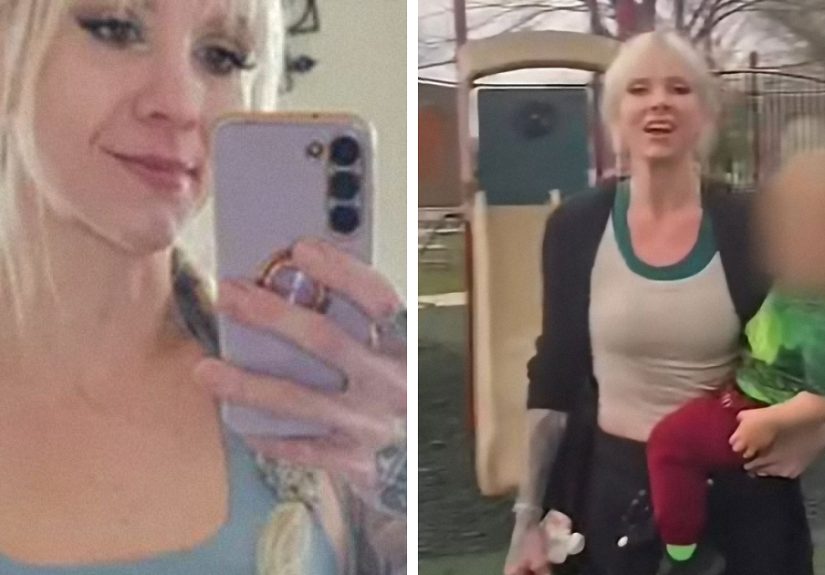
The viral video shows a confrontation at a playground after a woman allegedly used the N-word toward a Black child.
A bystander challenges her about what she said. The woman appears to admit it, then doubles down rather than backing off.
In other words: the clip wasn’t a misunderstanding caught mid-apologyit was the opposite.
Reports surrounding the incident indicate the child is autistic. That detail is significant, not as a “plot twist,” but because it
helps explain the kind of everyday behavior that adults sometimes misread: kids on the spectrum may struggle with social boundaries
or typical cues, and they may need closer supervision in busy public spaces. Autism spectrum disorder (ASD) is a developmental disability
that can affect communication, social interaction, and behavior in many different ways; support needs vary widely from person to person.
What did not vary was the impact of what happened next: the video went viral, local leaders condemned it, and residents demanded some form
of accountabilityespecially because the target was a young child in a public place.
The Charges: What “Criminal” Means Here
In this case, the woman was charged with three misdemeanor counts of disorderly conduct, filed by summons (meaning she was ordered to appear
rather than being immediately taken into custody). Each count carries a potential penalty of up to 90 days in jail and a $1,000 finethough
misdemeanor sentencing often results in lighter penalties depending on circumstances, history, and judicial discretion.
This is where the headline can be both accurate and easy to misunderstand: “criminal charges” doesn’t automatically mean “felony,” “prison,”
or “hate-crime conviction.” It means the conduct is being treated as an alleged violation of criminal law and will be handled in court.
Charges also mean the evidence threshold (and the paperwork threshold) has been met: a complaint has been filed, the alleged conduct has been
tied to specific statutes, and the accused gets formal notice and a court date.
Why It Took Months
Many people asked a simple question: “The video is right therewhy did this take so long?” The short answer is that prosecutors don’t charge
“a vibe,” even when the vibe is terrible. They charge specific legal elements.
City attorneys and prosecutors typically review multiple factors: witness statements, the full context (not only a clip), whether there were
threats, whether anyone obstructed others’ use of the space, the ages involved, and how the statute has been interpreted by courts in similar cases.
In highly public incidents, investigators may also consult with the affected family and consider safety concernsbecause viral attention can create
real-world risks for everyone involved.
Disorderly Conduct vs. Hate Crime: The Legal Reality People Don’t Love
A lot of the public reaction focused on why this wasn’t immediately charged as a hate crime. That frustration is understandablebecause the behavior
looks and sounds hateful. But hate-crime statutes and “bias-motivated” offenses usually require specific legal elements beyond offensive speech:
for example, an underlying crime (like assault, threats, property damage, or harassment) plus proof that bias was a motivating factor.
Disorderly conduct, on the other hand, is often a tool prosecutors can use when behavior in public is disruptive, abusive, or likely to provoke
a breach of the peace. It can be easier to prove than a bias-motivated offense when the available evidence is primarily verbal conduct captured on video.
There’s also the First Amendment question that shows up in these cases like an uninvited guest who insists they’re “just here to talk.” In the U.S.,
hateful speech is generally protected unless it crosses certain legal lines (true threats, incitement, targeted harassment in some contexts, etc.).
That doesn’t make the speech acceptable. It means the criminal system has to fit the conduct into narrow categories to charge it.
So the legal takeaway is uncomfortable but important: sometimes the system can’t charge the “big moral wrong” in the way the public wants.
Instead, it charges the most provable offense availableespecially in a high-visibility case where a weak charge risks a quick dismissal.
The Autism Detail: Why It Matters Without Becoming a Sideshow
Autism is not an excuse for anyone’s racism. But it matters in understanding why this child might have been treated unfairly even before the slur:
children on the spectrum can be more likely to be misunderstood in public spaces, especially if their behavior doesn’t match adult expectations.
The Centers for Disease Control and Prevention (CDC) notes that people with ASD may communicate, interact, and learn differently, and may have challenges
with social communication and behavior. In practical terms, that can look like getting too close to others, grabbing an object impulsively, or not recognizing
a “no” the way another child mightespecially in a stimulating environment like a playground.
Importantly, kids with disabilities and special health needs are also at higher risk of bullying and harassment. That risk doesn’t only show up in schools;
it can happen anywhere adults decide a child is “being bad” rather than “needing support.”
When race and disability overlap, the risk compounds. A child can be targeted for being different, then further targeted through stereotypes about race.
That’s not a theoretical frameworkit’s a lived reality for many families.
The Viral Aftermath: Crowdfunding, Backlash, and a Community Split Screen
One of the most jaw-dropping parts of this story wasn’t only the videoit was what happened afterward. The accused woman launched a crowdfunding campaign
claiming she and her family were being threatened and needed help relocating. The fundraiser quickly drew massive donations, and reports noted that many
supporters framed it as a “cancel culture” backlash.
Meanwhile, a local civil-rights organization helped raise money for the child’s family. The family later emphasized how the incident harmed their sense of
safety and well-being, describing fear and ongoing stress after the video spread.
If you’re feeling whiplash, you’re not alone. This case became a split-screen of modern life:
- Screen A: outrage, calls for justice, and support for a child and family harmed by racism.
- Screen B: donations and encouragement for the adult accused of using the sluroften framed as free-speech martyrdom.
Analysts have warned that crowdfunding can become a mechanism for rewarding extreme behavior, especially when ideological communities mobilize financially.
In this case, watchdog groups and journalists highlighted how campaigns can attract donors who treat controversy as a causeand sometimes as a signal of allegiance.
What Platforms Can (and Can’t) Control
Crowdfunding platforms often say they don’t endorse campaign creators’ views. Some will remove campaigns for policy violations; others emphasize that they
support “censorship-free” fundraising. But even platforms with rules face a practical problem: by the time moderation kicks in, the campaign may already have gone viral.
This is why many critics argue the issue isn’t only “bad people online.” It’s an incentive structure: viral controversy can generate money, and money can
encourage more controversy. It’s not a great business model for humanity.
Community Impact: What Gets Lost When a Child Becomes “Content”
Viral clips often flatten people into roles: villain, hero, “main character.” But here, the person most affected is a childsomeone who didn’t choose the confrontation,
didn’t choose the camera, and definitely didn’t choose national attention.
Family statements reported by media described sleeplessness, fear in public, and the mental and emotional toll of racial trauma. Whether or not a case ends in conviction,
that part is already true: harm occurred, and it lingers.
Psychologists and public-health experts have long documented that racism can harm mental and physical health. Even “secondhand” exposurewitnessing discrimination
or seeing it happen to someone closecan create stress, anxiety, and hypervigilance. For children, it can shape how safe the world feels.
What Happens Next in Court
Once misdemeanor charges are filed, the case typically moves through a set of steps:
- Arraignment / first appearance: the accused is formally notified and enters a plea.
- Pretrial hearings: both sides discuss evidence, motions, and possible resolution.
- Trial (if it doesn’t settle): a judge or jury hears evidence and decides guilt beyond a reasonable doubt.
- Sentencing (if convicted): penalties can include fines, probation, community service, classes, or jail time depending on law and facts.
“Finally facing charges” is not the same as “finally found guilty.” It’s the start of a public process where the legal system tests what can be proven.
That process can be frustratingly slow. It’s also the only way to produce outcomes that are enforceable rather than purely performative.
Practical Takeaways: What Parents, Bystanders, and Schools Can Do
For Parents in Public Spaces
- Assume confusion before maliceespecially with kids. If a child grabs something, address it calmly and look for a caregiver.
- Use “adult language” like an adult. Name the behavior (“That’s not yours”) without attacking identity, race, disability, or family.
- De-escalate first, document second. Your goal is safety, not a viral moment.
For Bystanders
- Intervene safely. If you speak up, keep your tone steady and focus on protecting the targeted person.
- Avoid doxxing and harassment. Accountability isn’t a license for vigilantism. Report threats; don’t become one.
- Support the family. Offer presence, help them find staff/authorities, and respect privacyespecially when children are involved.
For Schools and Youth Programs
Even though this incident happened in a park, schools often deal with the ripple effectsespecially if classmates saw the video.
Federal guidance has emphasized that harassment and hostile environments can prevent students from learning, and schools have responsibilities to respond
to disability-related harassment in educational settings.
How This Story Fits a Bigger Pattern
This case sits at the intersection of three trends:
- Public conflict + phones: more moments are recorded, more often without context.
- Monetized outrage: platforms can turn conflict into cash, fast.
- Polarized accountability: one side calls consequences “justice,” the other calls them “censorship,” and the targeted family gets stuck living the aftermath.
If you want a hopeful angle, it’s this: charges indicate that communities can push institutions to take harm seriouslyeven when the harm is “just words.”
Words can traumatize. Words can intimidate. Words can shape a child’s sense of belonging in their own neighborhood.
Conclusion: Accountability, Without the Circus
The legal system can’t undo what happened in that park. It can’t rewind the clip, pull it out of the internet, or erase the fear a family describes after becoming
unwillingly famous. But criminal charges do something important: they draw a boundary and say, “Public conduct that targets a child like this may have legal consequences.”
The bigger workbuilding public spaces where kids of every race and ability can exist without being treated as threatsdoesn’t end with a court date. It starts with
everyday choices: adults managing frustration like adults, bystanders protecting children rather than chasing likes, and communities insisting that “just words” can still
be real harm.
Experiences Related to the Topic (Real-World Perspective)
Ask families who raise autistic children what public spaces can feel like, and you’ll often hear the same theme: the playground is supposed to be the easy part.
Fresh air, energy burned off, maybe a parent gets to finish a coffee while it’s still warm. But for many families, parks and playgrounds can also feel like
informal “courtrooms” where strangers decide what kind of parent you areand whether your kid is “behaving.”
Many parents describe moments where their child’s autism shows up in ways other people misinterpret. A child may flap their hands when excited, cover their ears
when overwhelmed, or wander toward something interesting without reading the room. Some kids struggle with waiting turns or understanding personal space.
In a supportive environment, other adults shrug it off, redirect kindly, and move on. In a less supportive environment, people stare, whisper, or treat the child
like a problem that needs to be “handled.” That social pressure can make parents hypervigilantwatching not only their child, but everyone else’s reaction.
Layer race onto that experience and the stakes can rise fast. Families of color often talk about an extra calculation: “Will my child be seen as a kidor as a threat?”
That fear isn’t abstract. When a child is Black, a normal kid mistake can be read through stereotypes adults carry (consciously or not). When the child is also autistic,
behavior that signals “needs support” may be read as “defiance.” Parents and advocates often describe this as a double bind: they are trying to teach their child skills,
but they are also trying to keep their child safe from other people’s assumptions.
There are also experiences from bystanders who step in. Some people describe freezing in the moment because they don’t want to make things worse. Others describe
choosing a calm approach: positioning themselves near the targeted family, speaking gently, and involving staff or authorities when needed. The key difference in the
stories that end well is usually tonehelp that is steady and respectful rather than performative. A child does not need an audience. A child needs protection.
Educators and youth workers often report a related issue: viral incidents don’t stay outside the school day. Kids may repeat what they heard online. Some may weaponize
slurs without fully understanding the harm, while others understand exactly what they’re doing. When schools handle this well, they pair accountability with education:
clear consequences, direct conversations about dignity and belonging, and support for the students who were targeted. When schools handle it poorly, they treat it like
“drama” and leave families feeling alone.
If there’s one shared lesson across these experiences, it’s this: communities can’t rely only on courts to create safety. Safety is built in small momentsan adult who
chooses de-escalation, a bystander who offers quiet support, a parent who apologizes for a misunderstanding without attacking a child’s identity, and leaders who say
out loud that public spaces are for everyone. That’s not “being sensitive.” That’s being civilized.