Table of Contents >> Show >> Hide
- Meet Tempranillo: Spain’s Noble Red Grape
- What Does Tempranillo Wine Taste Like?
- Where Tempranillo Wine Comes From
- Tempranillo vs. Rioja: What’s the Difference?
- Food Pairings: What to Eat with Tempranillo
- How to Choose and Serve Tempranillo
- Is Tempranillo Wine Dry, Sweet, Light, or Strong?
- Extra: Real-Life Tempranillo Experiences to Inspire Your Next Pour
If you’ve ever stared at a wine list and thought, “Tem-prah… what now?” you’ve already met Tempranillothe backbone of many famous Spanish red wines and a seriously underrated everyday dinner companion. This red wine grape is the star behind classic Rioja bottles, bold Ribera del Duero reds, and more and more New World wines from the United States and beyond.
In this guide, we’ll break down exactly what Tempranillo wine is, what it tastes like, where it’s grown, how it compares to other reds, and how to pair and serve it like you’ve been doing this for years. By the end, you’ll know enough to order Tempranillo with confidenceor grab a bottle at home and look very wise in the wine aisle.
Meet Tempranillo: Spain’s Noble Red Grape
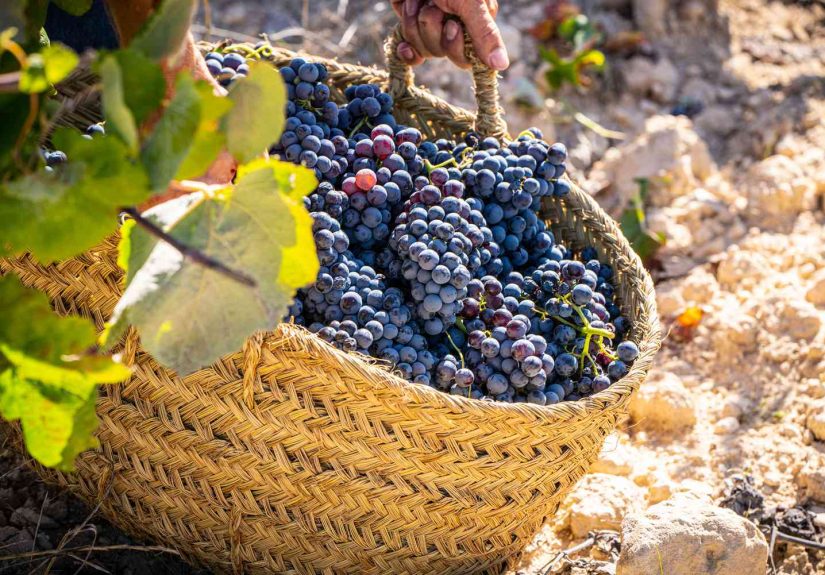
Tempranillo is a black-skinned red wine grape (meaning it makes red wine, not that the wine itself is black) that originated in Spain. It’s considered Spain’s noble grape and is the primary grape in Rioja and Ribera del Duero, two of the country’s most respected red-wine regions.
The name Tempranillo comes from the Spanish word temprano, meaning “early,” because this grape ripens several weeks earlier than many other traditional Spanish red grapes. That early ripening helps it keep good acidity and ripen fully in cooler, high-altitude areas as well as in warmer, sunny regions.
How to Pronounce Tempranillo (Without Panicking)
If you’ve been silently calling it “temp-rah-nillo” with an English “L” sound, no judgmentbut let’s level you up. Most Spanish speakers say it like:
- tehm-prah-NEE-yoh
The “ll” in Spanish is usually pronounced like a “y” sound. Say it once out loud. Congratulations, you now sound 25% more wine-savvy.
What Does Tempranillo Wine Taste Like?
Tempranillo is usually a medium- to full-bodied red wine with moderate acidity and medium to medium-plus tannins (that slightly drying, grippy sensation on your gums). It’s typically dry, not sweet, and the flavors can shift a lot depending on where it’s grown and how long it’s aged.
Common flavor and aroma notes include:
- Red and dark fruit: cherry, plum, strawberry, sometimes raspberry
- Dried or cooked fruit: dried fig, stewed plum
- Savory notes: tomato, leather, tobacco, dried herbs
- Oak-driven hints: vanilla, clove, dill, cedar, baking spices
In its youth, Tempranillo can be juicy and fruit-forward. With oak aging and bottle age, it often develops more complex flavors: leather, tobacco, dried fruit, and spicy, earthy notes.
Young vs. Aged Tempranillo Styles
Spanish Tempranillo-based wines often come with aging categories on the label. While rules vary by region, here’s the general idea:
- Joven / Roble – Minimal oak, bottled young. Think fresh cherry, plum, red berries, soft tannins, and lots of fruit. Great “weeknight pasta and pizza” wine.
- Crianza – Typically aged about a year in oak plus time in bottle. Balanced fruit and oak: red and dark fruits, a bit of vanilla and spice, and slightly firmer tannins.
- Reserva – Aged longer in oak and bottle. Deeper flavors: dried fruit, baking spices, tobacco, leather, and more structure.
- Gran Reserva – The most age-worthy. Often aged several years in oak and bottle. Expect dried fig, leather, cigar box, and a silky but powerful texture, with the fruit turning more savory and complex.
In New World regions like the United States or Australia, you might not see these exact terms, but you’ll still find both fruit-driven, young Tempranillos and more structured, oak-aged versionsoften labeled simply as “Tempranillo.”
Where Tempranillo Wine Comes From
Spain: The Heartland of Tempranillo
Spain grows the overwhelming majority of the world’s Tempranillo. It’s the country’s most widely planted red grape and forms the backbone of many regional styles.
Key Spanish regions and local names include:
- Rioja – The most famous Tempranillo-based region. Wines range from vibrant, red-fruited Crianzas to complex, long-aged Reservas and Gran Reservas with leather, spice, and dried fruit notes.
- Ribera del Duero – Uses Tempranillo under local names like Tinto Fino or Tinta del País. These wines tend to be more powerful, darker, and more structured, with plenty of oak and ripe fruit.
- Toro – Here the grape is called Tinta de Toro. Wines are often robust, high in alcohol, and intense in flavor.
- La Mancha & Valdepeñas – Tempranillo goes by Cencibel and is used in everything from simple, everyday reds to more serious bottlings.
- Catalonia – Known as Ull de Llebre, often blended with other grapes like Garnacha.
Portugal and Beyond
Tempranillo also plays a key role in neighboring Portugal, where it’s known as Tinta Roriz in the Douro and Aragonez in the Alentejo. It’s used in both fortified Port wines and dry reds, lending structure, color, and rich fruit.
Outside the Iberian Peninsula, Tempranillo has been spreading quietly but steadily:
- United States – You’ll find Tempranillo in California (especially Paso Robles), Oregon, and Texas Hill Country, where it’s emerging as a signature red thanks to the warm days and cool nights.
- Australia – Grown in regions like the Yarra Valley and blended with Grenache and Shiraz in some modern, Mediterranean-style reds.
- Argentina & Mexico – Smaller but growing plantings, often producing fruit-forward, approachable styles.
Tempranillo vs. Rioja: What’s the Difference?
One of the most common questions is: “Is Tempranillo the same thing as Rioja?”
Short answer: No. Tempranillo is a grape. Rioja is a region and an appellation in Spain that happens to rely heavily on Tempranillo.
Most red Rioja wines are based primarily on Tempranillo, but they’re often blended with other grapes (like Garnacha, Mazuelo, or Graciano) and shaped by strict aging rules. As a result, “Rioja” on the label tells you not just about the grape, but also the place, blending traditions, and typical oak aging style.
A bottle labeled simply “Tempranillo,” especially from outside Spain, usually means the wine is made mostly (or entirely) from that grape, without necessarily following Rioja-style rules. Think of Tempranillo as the actor and Rioja as the movie franchise that made it famous.
Food Pairings: What to Eat with Tempranillo
Tempranillo’s combo of red fruit, savory notes, and moderate tannins makes it incredibly food-friendly. It loves dishes that have a bit of fat, umami, or tomato-based richness.
Classic Spanish Pairings
If you want to keep things authentic, pair Tempranillo with Spanish staples such as:
- Jamón ibérico and cured meats
- Chorizo (especially grilled or in stews)
- Patatas bravas (spicy potatoes)
- Spanish tortillas, garlicky shrimp, and tapas spreads in general
The wine’s cherry and plum fruit play beautifully with salty, savory meats, while its tannins cut through fat and richness.
Comfort Food and Everyday Dishes
Tempranillo is also fantastic with:
- Grilled or roasted beef, lamb, or pork
- Hearty stews and braises
- Tomato-based dishes like lasagna, Bolognese, and pizza
- Chili, burgers, and barbecueespecially with smoky rubs
Those savory notes (leather, tobacco, earth) mean Tempranillo can stand up to bold flavors without getting lost.
Vegetarian Pairings
You don’t need meat to enjoy Tempranillo. Try it with:
- Roasted mushrooms and mushroom-based pastas
- Eggplant Parmesan or baked eggplant dishes
- Roasted root vegetables and tomato-based grain bowls
- Cheeses like Manchego, aged cheddar, or smoked Gouda
The wine’s earthiness and spice love smoky, roasted flavors, whether they come from meat or vegetables.
How to Choose and Serve Tempranillo
Reading the Label
When you’re staring at a shelf full of Spanish bottles, look for clues like:
- Region – Rioja, Ribera del Duero, Toro, Navarra, etc.
- Aging designation – Joven/Roble, Crianza, Reserva, Gran Reserva (more age usually means more oak and savory complexity).
- Varietal name – Outside Spain, labels often say “Tempranillo” front and center.
As a very rough guide, fruit-forward jóvenes and Crianzas are great for casual meals, while Reservas and Gran Reservas shine with special dinners where you can linger over the glass.
Serving Temperature and Glassware
Tempranillo is happiest at a cool room temperature, around 60–65°F (15–18°C). If your house is warm, pop the bottle in the fridge for 15–20 minutes before serving.
Use a standard red wine glass with a moderately wide bowl. For older Tempranilloespecially Rioja Reserva or Gran Reservaconsider decanting for 30–60 minutes to let the wine open up and gently shed any bottle funk.
How Much Should You Spend on Tempranillo?
One reason Tempranillo is beloved by wine pros is value. You can find very drinkable bottles under $15, especially from Spain, and step up to serious, cellar-worthy wines in the $25–$40 range. There are also high-end icons that go far beyond that, but the sweet spot for most people is in the mid-tier Rioja or Ribera del Duero categories.
If you’re just exploring, start with an affordable Rioja Crianza or a New World Tempranillo from places like Paso Robles or Texas. Then, when you’re ready, treat yourself to a well-reviewed Reserva or Gran Reserva to see how complex the grape can get.
Is Tempranillo Wine Dry, Sweet, Light, or Strong?
Most Tempranillo wines are dry, meaning there’s no noticeable sweetness. They’re typically medium- to full-bodied, with alcohol levels around 13–14.5% ABV.
Structurally, Tempranillo sits somewhere between:
- Sangiovese (think Chianti) – similar red fruit and savory notes
- Cabernet Sauvignon – but usually a bit softer in tannin and fresher in fruit
Acidity is typically moderate, which keeps the wine fresh without feeling sharp. This balance is what makes Tempranillo so versatile at the table.
Extra: Real-Life Tempranillo Experiences to Inspire Your Next Pour
Facts and flavor notes are helpful, but wine really comes alive in real momentsat the table, with friends, or when you open something new “just to see” and it turns into your latest obsession. Here are some Tempranillo-related experiences and ideas to bring all this information into your everyday life.
A Tale of Two Tempranillos: Weeknight vs. Special Occasion
Imagine you’ve had a long Tuesday. You throw together a quick dinner: sheet-pan roasted chicken thighs, potatoes, and some veggies you’re trying to use up before they wilt. You grab an affordable Rioja Crianzanothing fancy, just a solid $15 bottleand pour a glass.
The wine smells like red cherries and a little vanilla from the oak. It’s smooth, medium-bodied, and friendly. No one at the table is analyzing tannin levels; they’re just saying, “Wow, this goes really well with dinner.” That’s Tempranillo doing what it does best: making everyday food feel like a little event without demanding the spotlight.
Fast forward to Saturday night. You’ve invited friends over and decided to open a Tempranillo-based Reserva or Gran Reserva you’ve been saving. The cork comes out, and at first the wine smells a bit shyso you decant it. Twenty minutes later, the aromas get deeper: dried fig, tobacco, maybe a little leather and spice. Your guests are suddenly swirling and sniffing and saying things like, “What is this? It tastes expensive.” That’s the same grape, but with more time and care, showing its age-worthy, “serious wine” side.
A DIY Tempranillo Tasting Flight at Home
If you want to really understand Tempranillo, one of the most fun (and surprisingly affordable) ways is to set up a mini tasting at home. Grab three bottles:
- A young, fruit-driven Tempranillo (maybe a Spanish Joven or a New World bottling)
- A Rioja Crianza or similar mid-level aged wine
- A Rioja Reserva or a more structured Tempranillo from Ribera del Duero
Open all three and pour small tastes side by side. Start with the lightest, most youthful wine, then work your way up. Notice how the fruit changesfrom fresh cherry and plum to dried fruit and spiceas you move to the older, more oak-aged wines. Notice how the texture evolves too: tannins might feel firmer, but also smoother and more integrated in the older bottle.
Put out some simple snacksManchego cheese, olives, cured meats, roasted nutsand see which wines you keep reaching for with which food. You’ll quickly learn which style of Tempranillo fits your personal taste and your usual meals.
Tempranillo and Takeout: A Surprisingly Great Match
Tempranillo isn’t just for carefully planned dinners. It’s a secret weapon with takeout. Think about the foods you actually eat on busy nights:
- Pizza loaded with tomato sauce and cheese
- Burgers and fries
- Tex-Mex favorites like enchiladas, tacos, or fajitas
- BBQ or grilled meats with smoky, sweet, or spicy sauces
Tempranillo’s combination of red fruit, spice, and moderate tannins handles all of those like a pro. It stands up to big flavors, but it’s not so heavy that it feels out of place in front of the TV. If you’ve ever felt like Cabernet can be a bit too intense for casual food, Tempranillo might feel like the right-sized redbold but not overwhelming.
Travel-in-a-Glass: Imagining Spain from Your Sofa
Even if you’re nowhere near Spain, a glass of Tempranillo can be a little mental vacation. Picture sitting at a sidewalk table in a Spanish city as the sun starts to drop, a plate of jamón and olives in front of you, and a small glass of red wine that tastes like cherry, dried herbs, and a hint of tobacco.
You don’t need plane tickets for that. Turn on some Spanish music, lay out a few simple tapasbread, olive oil, cheese, maybe some roasted peppersand pour Tempranillo into small glasses instead of big restaurant-sized ones. Sip slowly. Notice how the wine changes with each bite of food. That’s the kind of everyday magic this grape is built for.
Why Tempranillo Is Worth Knowing by Name
At the end of the day, Tempranillo is one of those grapes that rewards curiosity. It’s easy-drinking enough for casual nights, but complex enough to impress serious wine friends. It has deep roots in history and tradition, but it’s also thriving in modern regions and new styles.
Once you get to know Tempranillo, seeing it on a label becomes a small thrillbecause you know what you’re in for: honest, flavorful, food-loving red wine that plays well with others and almost never feels like a bad idea. And that makes it a very good grape to have in your mental wine toolbox.