Table of Contents >> Show >> Hide
- Quick Guide
- Leech Therapy, Defined
- Why Would Anyone Use Leeches in 2026?
- What Is Leech Therapy Used For?
- What Happens During Leech Therapy?
- Risks and Side Effects: The Part You Should Take Seriously
- Who Should Avoid Leech Therapy?
- Questions to Ask a Provider (So You Feel Less Like a Science Experiment)
- Experiences Related to Leech Therapy (What It’s Like in the Real World)
- Bottom Line
Leeches. The word alone can make perfectly brave adults suddenly remember they “left the stove on.”
But leech therapyalso called hirudotherapyisn’t a spooky folk remedy pulled from a dusty
medieval textbook. In modern medicine, it’s a highly specific, carefully controlled tool used in situations where
blood flow is the problem and time is the enemy.
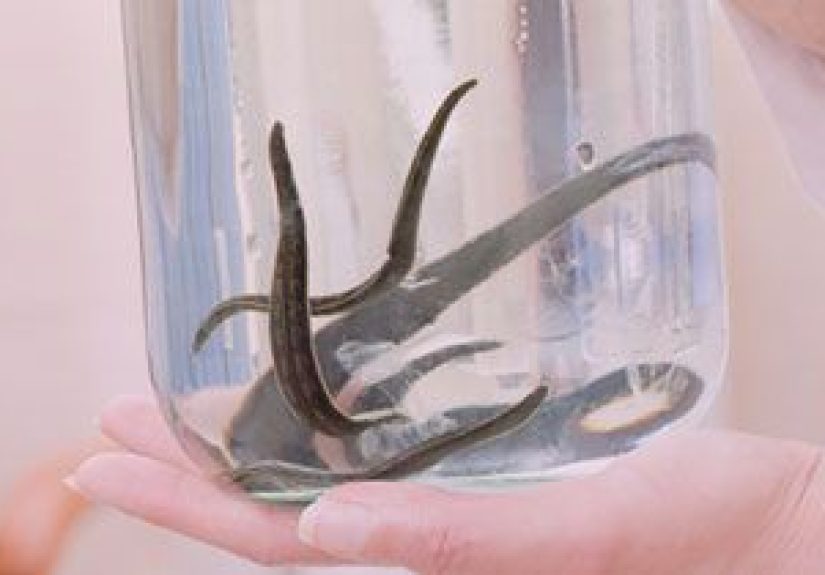
Here’s the simplest way to think about it: leech therapy is the medical use of sterile, lab-raised medicinal leeches
to help relieve trapped blood (venous congestion)most often after delicate reconstructive surgery.
And yes, it can look strange. But when it’s used for the right reason, in the right setting, it can help save tissue
that might otherwise fail.
Quick Guide
- Definition: what leech therapy is (and isn’t)
- Why leeches can help when veins won’t cooperate
- Common medical uses (and where evidence is thin)
- What a session looks like in real life
- Risks, side effects, and safety safeguards
- Who should avoid leech therapy
- Questions to ask a provider
- Experiences: what it feels like
- Bottom line
Leech Therapy, Defined
Leech therapy (hirudotherapy) uses medical-grade leechesraised and handled under controlled conditionsto remove a small
amount of blood and deliver natural compounds through their saliva that influence clotting, blood flow, and inflammation.
In modern hospitals, this therapy is typically used as a temporary “bridge”: it buys time while the body restores
healthier circulation in tissue that’s at risk.
What it is NOT
Leech therapy is not a DIY wellness trend, not a safe at-home experiment, and not “detoxing” in any meaningful medical sense.
It’s also not the same as historical bloodletting (which was used for almost everything, including “bad vibes” and “too much personality”).
Modern use is targeted, measured, and medically supervised.
Why Would Anyone Use Leeches in 2026?
The main reason is venous congestion. After reconstructive procedureslike reattaching a finger, rebuilding tissue after an injury,
or moving a skin flapsurgeons can sometimes restore arterial blood flow (blood going in) but struggle with venous outflow (blood getting out).
When blood can’t drain properly, it pools. The tissue may look dusky, swollen, tight, and cool, and it can be damaged quickly.
Leeches help in two complementary ways:
- Mechanical “decongestion”: The leech draws out a small amount of pooled bloodthink of it as tiny, temporary drainage.
-
Biochemical support: Leech saliva contains compounds that reduce clotting and encourage continued gentle bleeding
after the leech detaches. That slow ooze can be exactly what a congested flap needs while new venous pathways develop.
In other words: the leech isn’t “healing you with vibes.” It’s acting like a short-term medical tool that improves drainage and circulation
long enough for the tissue to stabilize.
What Is Leech Therapy Used For?
1) Reconstructive and microsurgery (the most evidence-backed use)
This is where leech therapy shines the most. It’s commonly considered when:
- A replanted finger or toe has adequate blood coming in but poor drainage going out.
- A skin flap (moved tissue with its blood supply) shows signs of venous congestion after surgery.
- A delicate arealike an ear, nose tissue, or nipple-areola complexbecomes congested and needs temporary rescue.
In these cases, leech therapy may be used to help salvage tissue that is threatened by venous blockage,
sometimes alongside other interventions (like returning to the operating room to correct a vessel issue).
2) Severe bruising/hematoma management (select scenarios)
Because leeches can reduce pooling and pressure, they’ve been discussed in certain unusual cases involving stubborn venous pooling.
That said, this is not a routine first-line approach; it depends heavily on the clinical context and available alternatives.
3) Pain and inflammation claims (where you should be skeptical)
You’ll see leech therapy marketed for arthritis, migraines, varicose veins, and other chronic conditions.
Some small studies and traditional-medicine systems report symptom improvementespecially around pain and swelling.
But in mainstream U.S. care, these uses are far less established than surgical decongestion.
Translation: leech therapy has a real medical role, but that role is most clear when the goal is
restoring drainage in threatened tissuenot as a cure-all for every ache, ailment, and “my chakras feel clogged” moment.
What Happens During Leech Therapy?
A medically supervised leech therapy session is surprisingly methodical. The vibe is less “spooky swamp witch” and more
“surgical checklist meets aquarium logistics.”
Step-by-step (typical hospital workflow)
- Assessment: A clinician confirms signs of venous congestion and decides whether leeches are appropriate.
- Prep: The skin is cleaned. The team selects a precise placement site on the congested area.
-
Application: A leech is placed on the skin (often using a small container or syringe-like applicator to guide it).
It attaches and begins feeding. -
Feeding period: The leech typically stays attached for a period of time while it feeds. During and after,
the bite site can continue to ooze, which is part of the therapeutic effect. -
Removal and disposal: The leech detaches on its own or is removed by trained staff. In medical settings,
leeches are treated as single-use biohazard material and disposed of safely. -
Monitoring and repeat cycles: The tissue is reassessed. If needed, therapy is repeated on a schedule for hours to days,
until venous outflow improves.
Does it hurt?
Many people report surprisingly mild sensationoften described as a small pinch, a tickle, or pressure.
Leech saliva includes natural substances that can reduce pain during attachment, but comfort varies by person and body area.
The bigger “challenge” is often psychological (seeing the leech) rather than physical pain.
Risks and Side Effects: The Part You Should Take Seriously
Leech therapy is a real medical intervention, which means it comes with real risks. In the right hands, these risks are managed,
but they’re not imaginary.
1) Infection (a top concern)
Medicinal leeches naturally carry certain bacteria in their digestive system. The best-known risk involves
Aeromonas species, which can cause wound infections and, rarely, serious illness.
This is why many hospital protocols include preventive antibiotics and careful monitoring.
2) Prolonged bleeding and anemia
The “after-ooze” that helps relieve congestion can also cause too much blood loss if not monitoredespecially when multiple leeches
are used over time. Clinicians may check blood counts, watch for signs of anemia, and in some cases give a transfusion if medically necessary.
3) Allergic reactions and skin irritation
Some people develop localized itching, rash, or swelling. Severe allergic reactions are uncommon but possible.
4) Scarring
Leech bites are small, but any skin injury can leave a mark. In many surgical situations, preserving tissue viability is the priority,
and bite marks may be considered a reasonable trade-off.
5) “Leech logistics” (yes, it’s a thing)
In supervised settings, staff prevent leeches from wandering to unwanted areas and keep the environment controlled.
In unsupervised settings, migration risk is one reason leech therapy should not be attempted at home.
Who Should Avoid Leech Therapy?
Only a qualified clinician can decide if leech therapy is appropriate, but in general, extra caution (or avoidance) may apply for people who:
- Have a bleeding disorder or are at high risk of uncontrolled bleeding
- Use blood thinners or have clotting issues that make bleeding difficult to manage
- Have significant anemia or low blood volume
- Are immunocompromised or have higher infection risk
- Have a known allergy to leech components
- Cannot be closely monitored (which is why home use is a no-go)
Important: If you’re pregnant, have complex medical conditions, or take anticoagulants, don’t rely on internet advice.
Ask a clinician who can weigh your full history and the specific reason leeches are being considered.
Questions to Ask a Provider (So You Feel Less Like a Science Experiment)
- What problem are we trying to solvevenous congestion, swelling, or something else?
- What alternatives exist (surgical revision, anticoagulants, suction devices, other drainage techniques)?
- How will infection be prevented and monitored?
- How often will leeches be used, and for how many days?
- How will blood loss be monitored? Will you check blood counts?
- What should I watch for (fever, worsening redness, dizziness, unusual bleeding)?
- What will the bite sites look like after? Any wound care instructions?
Experiences Related to Leech Therapy (What It’s Like in the Real World)
Let’s talk about the part that rarely makes it into glossy brochures: the human experience.
Even when leech therapy is medically appropriate, it can feel emotionally weirdbecause your brain has spent your entire life classifying leeches as
“things to avoid” right next to “stepping on a Lego in the dark.”
The first reaction is often squeamishness. People describe an immediate mental tug-of-war:
“I understand this is helping” vs. “My ancestors are screaming.”
Many patients say the most uncomfortable moment is the first sight of the leech, not the bite.
When clinicians explain the reasonsaving tissue that might otherwise diepeople often shift from disgust to determination.
Not love. Not friendship. But a grudging respect. Like you feel toward a smoke alarm.
Sensation-wise, surprise is common. A lot of people expect sharp pain and instead feel a mild pinch, pressure, or a tickle.
Some describe it like the world’s tiniest vacuum cleaner doing a very specific job.
Others feel a warm, pulling sensation. And some people do feel discomfortespecially in sensitive areas.
The range is wide, and anxiety can amplify sensations, which is why coaching, breathing, and clear step-by-step explanations help.
Time becomes the weirdest part. Leech therapy isn’t usually a one-and-done event.
In many surgical scenarios, it happens in cyclesmonitoring the tissue, applying a leech, reassessing, repeating.
That means patients and caregivers may feel like they’re living by a “leech schedule.”
You might hear things like, “They’re checking the color again,” “They’re watching the swelling,” and “They’re measuring drainage.”
It can be tiring, but it’s also a sign that the team is treating the situation with appropriate seriousness.
There’s also a strange emotional flip when you see improvement.
When congested tissue starts looking healthierless dusky, less swollen, warmerpatients often report relief that’s almost immediate:
“Okay, this is working.” At that moment, the leech becomes less of a horror-movie prop and more of a temporary teammate.
Still not invited to family dinner. But appreciated.
Nurses and clinicians often talk about the “logistics” side.
In hospital settings, leech therapy is coordinated: controlled placement, preventing wandering, keeping bite sites clean,
tracking bleeding, and watching for infection. Patients sometimes notice that staff treat the process with calm professionalism,
which can be grounding. It communicates: “This may look odd, but we do this for a reason, and we know exactly what we’re watching for.”
Aftercare feelings are mixed. Some people are unfazed by the bite marks; others feel self-conscious.
People commonly describe mild oozing afterward and the odd “metallic” smell that comes with blood. It’s not glamorous.
But many patients say that if leeches helped save a finger, a flap, or critical tissue, the trade-off felt absolutely worth it.
If you’re facing leech therapy, it can help to prepare mentally:
- Ask to understand the “why” in plain languagewhat problem the leech is solving.
- Plan coping tools: headphones, breathing exercises, a distraction playlist, a supportive friend on standby.
- Give yourself permission to be grossed out. Feeling weird doesn’t mean you’re weak; it means you’re human.
- Focus on the goal: protecting circulation and saving tissue.
The most common “experience summary” is surprisingly consistent: it’s stranger than it is painful,
and once people see it helping, the fear often fades into a very practical mindset“Okay, do what you have to do.”
Bottom Line
Leech therapy is one of those rare medical interventions that sounds like a prank until you learn the science.
In modern practice, it’s most often used to treat venous congestionespecially after reconstructive surgeryby reducing pooled blood
and encouraging continued drainage while the body reestablishes healthier circulation.
It’s not a cure-all. It’s not a spa add-on. But under medical supervision, it can be a surprisingly effective “bridge” that helps save threatened tissue.
If leech therapy is being suggested for you or a loved one, the best next step is to ask clear questions about why it’s needed,
how risks are managed, and what success looks like.
Medical note: This article is for informational purposes and is not a substitute for professional medical advice, diagnosis, or treatment.