Table of Contents >> Show >> Hide
- What Is Birch Water, Exactly?
- Birch Water Nutrition: What’s Actually in the Bottle?
- Potential Benefits of Birch Water
- Downsides and Risks to Know
- How to Choose Birch Water (So You Don’t Buy a Sugary Imposter)
- How to Drink Birch Water (Without Turning It into a Personality Trait)
- FAQs About Birch Water
- Conclusion: Is Birch Water Worth It?
- Experiences with Birch Water: What People Notice (and How It Fits Real Life)
Birch water sounds like something a woodland fairy would hand you at a spa: “Drink this, and your pores will forgive you.”
In real life, it’s less magical potion and more tree sap you can siplightly sweet, mostly water, and
having a moment on wellness shelves in the U.S.
So is birch water actually good for you, or is it just another trendy bottle with a mysterious vibe?
Let’s break down what birch water is, what it can (and can’t) do, and the downsides you should know before you start
treating it like a daily “forest electrolyte.”
What Is Birch Water, Exactly?
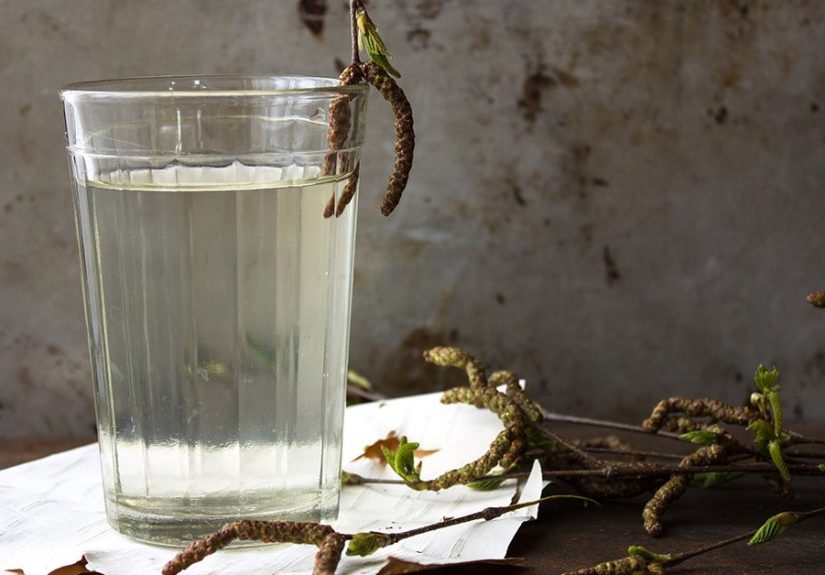
Birch water (also called birch sap) is the clear, slightly sweet liquid that flows inside birch trees,
typically collected in early spring when the tree moves stored nutrients upward.
It has a mild tastethink “water with a whisper of sweetness”and it’s been consumed for centuries in parts of Northern
Europe and beyond, long before it showed up in sleek cartons next to coconut water.
How It’s Harvested (Without Turning This into a Lumberjack Manual)
Producers collect birch sap during a short seasonal window. Fresh sap can ferment quickly (often within a couple of days),
which is why bottled birch water is usually filtered and pasteurized or otherwise stabilized for shelf life.
Translation: the “fresh from the tree” version is a fleeting spring fling; the store version is the long-term relationship.
Birch Water vs. Maple Water vs. Coconut Water
These drinks are often grouped as “plant-based waters.” They’re all mostly water with small amounts of natural sugars and
minerals. Birch water is typically described as lower in calories and sugar than some similar alternatives, but exact
numbers vary a lot by brand and whether flavors or sweeteners are added.
Birch Water Nutrition: What’s Actually in the Bottle?
Birch water’s nutrition profile is simple:
water + a little natural sugar + trace minerals, and sometimes small amounts of plant compounds.
The catch is that “trace” really means trace. The nutrient content can vary depending on the tree, season,
processing, and whether the product is pure sap or a blend.
Calories and Sugar: Usually Low, Sometimes Not
Unsweetened birch water is generally a low-calorie beverage. But flavored versions can creep upward quickly.
The best move is to treat birch water like any packaged drink: flip the carton around and check the Nutrition Facts.
A key label clue is Added Sugars. U.S. FDA guidance and Dietary Guidelines note that keeping added sugars
under 10% of daily calories is recommended for many people, and the Nutrition Facts label is designed to help you spot that.
Minerals and “Electrolytes”: A Real Thing, but Don’t Overhype It
Birch water is often marketed for electrolytes like potassium and magnesium. Those minerals can be presentbut usually in
modest amounts. One major nutrition review notes there’s currently no solid research backing birch water as a superior
post-exercise hydration solution compared with standard options.
In other words: it can be a tasty way to drink more fluids, but it’s not automatically “nature’s sports drink”
just because it came from a tree.
Potential Benefits of Birch Water
Birch water can fit into a healthy routinebut the benefits are mostly practical, not miraculous.
Here’s what’s reasonable to expect.
1) Hydration That Doesn’t Taste Like Sadness
If you struggle to drink plain water, birch water can be a gentle upgrade: subtle sweetness, light flavor, and typically
low calories. Hydration is a benefit when it helps you actually drink fluids consistentlyespecially if the alternative
is sugary soda or nothing at all.
2) A Lower-Sugar Swap for Sweet Drinks (If You Choose the Right One)
Unsweetened birch water can be a middle ground between plain water and sweet beverages. If you’re transitioning away from
juice, energy drinks, or sweetened iced coffee (we see you), birch water can be a “bridge beverage.”
The important part: make sure it’s not secretly a sugar delivery system. Check Added Sugars and the
ingredients list.
3) Trace Minerals and Plant Compounds (Promising, but Not a Nutrient Powerhouse)
Birch sap naturally contains small amounts of minerals and various plant compounds, and it’s sometimes discussed as an
antioxidant-containing beverage. But “contains” is not the same as “clinically meaningful.”
Most people shouldn’t count on birch water to fix mineral deficiencies or replace a balanced diet.
4) Skin and Beauty Buzz: More Evidence for Topical Use Than Drinking
Birch ingredients do show up in skincare, and some research has looked at birch juice used in topical formulations for
certain skin-related outcomes.
That does not automatically mean drinking birch water will transform your skin. It simply means birch-derived
ingredients can play a role in cosmetics, which is a different lane than nutrition.
Downsides and Risks to Know
Birch water is often safe for most people in reasonable amounts, but there are a few “please don’t ignore this” points.
If birch water were a movie character, it would be charmingbut with a couple of plot twists.
1) Allergy Risk: Especially If You’re Sensitive to Birch Pollen
If you have birch pollen allergy, pay attention. People with pollen allergies can develop
pollen food allergy syndrome (also called oral allergy syndrome), where certain foods trigger itching or
swelling in the mouth/throat due to cross-reactivity.
AAAAI notes this kind of reaction can occur in a large share of adults allergic to birch pollen.
Symptoms of birch pollen allergy and related reactions can include an itchy/tingly mouth or throat and swelling around the
lips and mouth.
Birch water is not one of the classic trigger foods listed in many OAS charts (those often focus on fruits/vegetables),
but if you’re highly sensitive to birch-related allergens, it’s reasonable to be cautious and discuss it with an allergist.
2) Added Sugar and “Flavor Creep”
Plain birch water is usually fairly light. But the minute you see “ginger-lime,” “berry blast,” or “tropical sunrise,”
your bottle may come with added sugars or sweeteners.
If you’re drinking birch water for health reasons, the label matters more than the marketing.
The FDA’s Nutrition Facts updates were specifically designed to make things like added sugars easier to identify.
3) “Detox” Claims Are Mostly Marketing, Not Biology
Birch water is sometimes promoted as detoxifying. Your body already has an elite detox team: your liver and kidneys.
No beverage needs to cosplay as your internal organs.
If birch water helps you hydrate and choose fewer sugary drinks, that can support overall wellness.
But it’s not a shortcut that erases a week of stress, sleep deprivation, and “oops I forgot vegetables existed.”
4) Not a Guaranteed Sports-Recovery Drink
Birch water has a “natural electrolytes” reputation, but current nutrition summaries point out that research doesn’t
clearly support birch water as a superior exercise hydration solution.
If you’re doing intense training, sweating heavily, or competing, you may need a more reliable electrolyte plan
(and sometimes actual food).
5) Who Should Be Extra Careful?
-
People with pollen allergies (especially birch): be cautious due to cross-reactivity concerns and
oral allergy syndrome/pollen food allergy syndrome. -
People managing blood sugar: choose unsweetened versions and treat it as a beverage with carbs, not
“free water.” -
People with kidney disease or mineral restrictions: ask your clinician if you need to monitor potassium
or other minerals from packaged drinks. -
Anyone pregnant/breastfeeding or giving it to young kids: it’s generally smart to be conservative with
trendy “functional” beverages and prioritize plain water unless your healthcare provider suggests otherwise.
How to Choose Birch Water (So You Don’t Buy a Sugary Imposter)
Birch water shopping is mostly label-reading with a dash of common sense.
Check the Ingredients List
- Best case: “birch sap” or “birch water” as the only ingredient.
- Still fine: birch sap + natural flavor (if you like it), but watch for sweeteners.
- Be cautious: added sugars, syrups, or lots of ingredients you can’t pronounce without warming up.
Look at Added Sugars and Total Sugars
A little natural sugar may be present in pure sap, but Added Sugars are the big red flag if you’re trying
to keep it “light.” The FDA’s label guidance exists for exactly this reasonso you can make an informed choice fast.
Consider Taste and Processing
If the label mentions pasteurization or shelf-stable processing, that’s usually about safety and freshness.
Fresh sap can ferment quickly, which is great if you’re intentionally making a fermented drinkless great if you just want
something that tastes clean and mildly sweet.
How to Drink Birch Water (Without Turning It into a Personality Trait)
Birch water is easiest to enjoy cold. It’s subtle, so it plays nicely with other flavors. A few practical ideas:
- Chilled, plain: the simplest way to see if you even like it.
- Morning swap: replace one sugary drink (juice or sweet coffee) a few times a week.
- Post-walk refresh: a nice alternative to sports drinks when you’re doing moderate activity.
- Simple mocktail: birch water + citrus squeeze + muddled berries + ice.
- Smoothie base: use birch water as the liquid for a lighter smoothie.
- Iced tea upgrade: brew strong herbal tea, cool it, then blend with birch water for a softer sweetness.
FAQs About Birch Water
Is birch water the same as birch syrup?
Nope. Birch water is sap in its watery form. Birch syrup is what happens when that sap is concentratedmeaning far less
water and far more sugar per spoonful.
Does birch water help with allergies?
You may see anecdotal claims, but allergy organizations emphasize that pollen-related cross-reactivity is real and can cause
symptoms in some people.
If you have seasonal allergies (especially birch pollen), don’t self-experiment aggressivelytalk to an allergist.
Can I drink birch water every day?
For many healthy people, an unsweetened birch water can fit into a normal routine.
The main questions are: (1) does it have added sugar? (2) do you have allergies? (3) is it replacing water or replacing
something worse (like soda)?
Is birch water better than water?
Water still wins for “best overall”: zero calories, no sugar, easy, cheap.
Birch water can be a helpful supporting characterespecially if it helps you drink more fluids or cut back on
sugary beverages.
Conclusion: Is Birch Water Worth It?
Birch water is basically spring sap in a bottle: lightly sweet, usually low calorie, and genuinely refreshing.
The most believable benefits are also the least flashy: it can help you hydrate, it can be a lower-sugar alternative to
sweet drinks, and it offers small amounts of mineralsdepending on the product.
The downsides are mostly about labels and sensitivities: flavored versions can add sugar, and people with
birch pollen allergy or pollen food allergy syndrome should be cautious.
If you like the taste and choose an unsweetened option, birch water can be a pleasant, “better-than-soda” habitnot a
miracle cure, but a solid, simple upgrade.
Experiences with Birch Water: What People Notice (and How It Fits Real Life)
Birch water has a unique superpower: it’s a “wellness drink” that doesn’t usually taste like you’re being punished for
wanting flavor. Most people who try it describe the taste as clean and mildsomewhere between plain water and a very
diluted fruit juice. It’s not as sweet as many sports drinks, and it’s typically less intense than coconut water, which
can taste a little “tropical and dramatic” for everyday sipping.
One common first reaction is surprise at how subtle it is. If you’re expecting a bold juice-like flavor, birch water can
feel almost shy. But if you’re the kind of person who wants “a hint of something” while working, studying, or running
errands, that subtlety is the point. It feels like you’re drinking waterjust with a gentle nudge of sweetness that makes
it easier to keep sipping.
People also tend to have strong opinions about plain vs. flavored birch water. Plain birch water is often
described as crisp and lightly sweet. Flavored versions can be more “fun,” but they’re also where the nutrition can shift.
Some folks buy birch water to cut sugar, then accidentally pick a version that’s basically a sweetened beverage in a forest
costume. That’s why label-checking becomes part of the “birch water experience” for anyone who drinks it regularly.
The Added Sugars line is the best reality check.
Another thing people notice is how birch water fits into routines where water feels boringlike mid-afternoon energy dips.
Instead of reaching for soda, some people use birch water as a “reset drink” between lunch and dinner. It scratches the itch
for flavor without automatically turning into a high-sugar habit. If you’re trying to build healthier beverage patterns,
that’s a practical win: not because birch water is magical, but because it’s a helpful substitute.
For active days, the experience is mixed. Some people love it after a walk or light workout because it feels refreshing and
“clean.” Others doing intense training find it doesn’t feel as replenishing as drinks with more predictable electrolyte and
carbohydrate content. That lines up with the broader reality: birch water can be a pleasant hydration option, but it isn’t
proven as a superior sports recovery drink.
If you’re sweating buckets, you may need something more deliberatesometimes even just water plus a salty snack.
There’s also a “seasonal mood” factor. Birch water feels like springfresh, light, and a little outdoorsy. People often
describe enjoying it most when they’re trying to eat lighter, drink more fluids, or reboot their routines. And because it’s
mild, it pairs well with simple add-ins. A squeeze of lemon or lime makes it brighter. A few crushed berries and ice turn it
into a legit-feeling mocktail without a sugar bomb. It’s also a gentle base for smoothies when you want fruit flavor without
adding milk or juice.
Finally, experiences aren’t universalespecially for people with allergies. Anyone with birch pollen allergy or pollen food
allergy syndrome should be cautious, because cross-reactivity is a real thing and can cause mouth or throat symptoms in
sensitive individuals.
For those people, birch water may be less “spa in a bottle” and more “why is my mouth itchy?” The smartest experience there
is talking to an allergist instead of trying to power through.
Bottom line from the “real life” angle: birch water is best viewed as a pleasant, low-key beverage upgrade.
If you like the taste and choose an unsweetened option, it can make hydration easier and help you swap out sugary drinks.
If you buy it expecting dramatic health transformations, you’ll probably be disappointedbecause it’s still basically water,
just with a birch-tree backstory.