Table of Contents >> Show >> Hide
- What Is a Foyer, Exactly?
- Foyer vs. Entryway vs. Vestibule vs. Mudroom
- Why a Foyer Matters More Than People Think
- What Usually Goes in a Foyer?
- How Big Does a Foyer Need to Be?
- Popular Foyer Styles
- Common Foyer Mistakes to Avoid
- How to Create a Foyer When You Do Not Have One
- Experiences That Show Why a Foyer Really Matters
- Final Thoughts
If you have ever walked into a home and thought, “Ah, this place has its life together,” there is a decent chance the foyer did some of the heavy lifting. It is the space that greets you before the living room starts showing off, before the kitchen tries to seduce you with snacks, and before the staircase gets dramatic. In other words, the foyer is the home’s handshake. Firm, welcoming, and hopefully not cluttered with twelve unmatched shoes.
But what is a foyer, exactly? Is it just a fancy word for entryway? Does every house have one? And why do some foyers feel like grand hotel lobbies while others are basically three square feet and a coat hook trying their best? This guide breaks it all down in plain English. We will cover what a foyer is, how it differs from similar spaces, why it matters in home design, what you should put in one, and how to create the feeling of a foyer even if your front door opens straight into your living room like an uninvited plot twist.
What Is a Foyer, Exactly?
A foyer is the entrance area of a home or building. In residential design, it usually refers to a dedicated space just inside the front door that acts as a transition between outdoors and indoors. It can be large and formal, small and practical, or somewhere in between. The key idea is that a foyer is not just the door itself. It is a recognizable zone that welcomes people in and gives them a moment to arrive before the rest of the house unfolds.
The word sounds elegant because, frankly, it is. “Foyer” comes from French and historically was used for a lobby or an anteroom, especially in theaters. Over time, the term became common in home design as a way to describe a more defined and often more formal entrance hall. So yes, when you say “foyer,” you are technically being a little fancy. But not in an annoying way. More in a “this person might own a good umbrella stand” way.
In everyday American usage, a foyer can be pronounced “foy-er” or “foy-ay,” depending on region, habit, and how theatrical you are feeling that day. No matter how you say it, the purpose stays the same: it is the place where first impressions happen.
Foyer vs. Entryway vs. Vestibule vs. Mudroom
These terms get tossed around like they are all interchangeable, but they are not exactly the same. Knowing the difference helps you understand what kind of entrance space you actually have.
Foyer
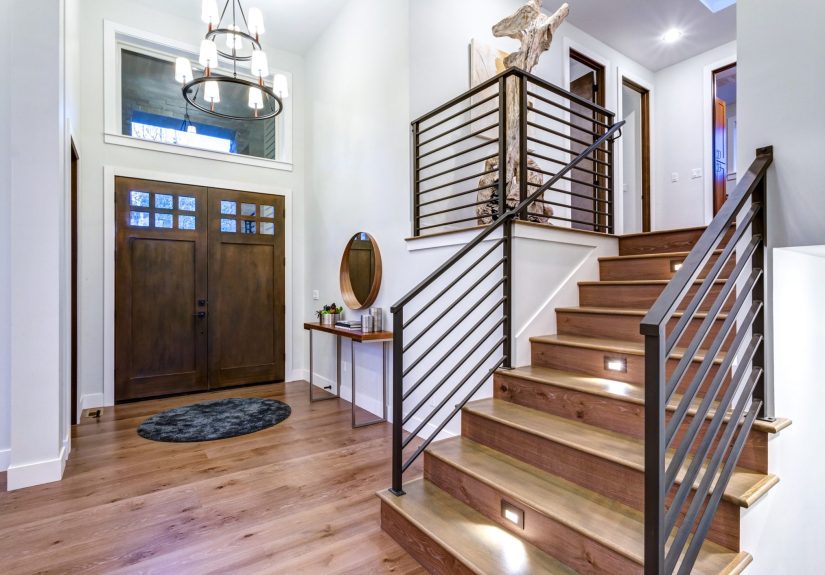
A foyer is usually a more defined entrance area. It often feels like its own mini-room rather than a random stretch of hallway. In traditional homes, foyers may include staircases, chandeliers, tile floors, mirrors, or a console table. In modern homes, they may be cleaner and simpler, but they still feel intentional.
Entryway
“Entryway” is the broader, more casual term. It can describe almost any area where you enter a home. Some entryways are foyers. Some are little more than a patch of floor, a doormat, and a prayer that guests do not notice the mail pile.
Vestibule
A vestibule is a small enclosed space between the outer door and the interior of the building. Think of it as an airlock for people. Vestibules are often practical, helping block drafts, noise, and dirt before you step fully inside. In colder climates, they can be especially useful.
Mudroom
A mudroom is more about function than formality. It is designed to catch coats, boots, backpacks, sports gear, pet leashes, and all the chaos of daily life before it spreads through the rest of the house. A mudroom can be beautiful, but its main job is to work hard. A foyer, by contrast, usually balances function with presentation.
Why a Foyer Matters More Than People Think
At first glance, a foyer may seem optional. After all, you can open the front door and walk into a house without one. But a good foyer does several important jobs.
First, it creates a transition. That matters emotionally as much as physically. There is something grounding about stepping into a space that says, “Okay, you are home now.” It gives you a beat to drop your keys, slip off your shoes, adjust your jacket, and mentally switch from outside mode to inside mode.
Second, it sets the tone for the home. A foyer offers the first clue about your style. Is the house warm and traditional? Minimalist and modern? Eclectic and fun? A thoughtfully designed foyer gives visitors a preview of what is coming next.
Third, it improves organization. Even a small foyer can prevent clutter from spreading into every room. When coats, shoes, bags, mail, and umbrellas have a designated landing spot, the rest of the house feels more controlled. Not perfect. Just less like a scavenger hunt for your keys.
Fourth, it can help with flow and privacy. In some homes, the foyer creates a visual pause so your living room is not immediately on display the second the front door opens. That can make the home feel calmer and more composed.
What Usually Goes in a Foyer?
The best foyers balance beauty and function. You want the space to feel inviting, but you also want it to handle real life. Here are the elements that show up most often.
Console Table or Entry Table
This is the classic foyer workhorse. A slim console table gives you a place for keys, mail, a lamp, or a decorative bowl. Because it is narrow, it works well in tight spaces without blocking foot traffic.
Mirror
A mirror makes a foyer feel larger and brighter while giving you one last chance to check your hair before facing the world. It is practical, flattering, and basically the overachiever of entryway decor.
Lighting
Good lighting matters in a foyer because dark entrances feel gloomy fast. Depending on the size of the space, this might be a chandelier, pendant, flush-mount fixture, wall sconces, or a table lamp on a console. The goal is to make the space feel warm, not like an interrogation room.
Seating
A bench, stool, or small chair adds convenience, especially for putting on or taking off shoes. In family homes, this one feature can dramatically improve everyday use.
Storage
Hooks, baskets, drawers, cabinets, and shoe trays help control clutter. A foyer should not become a dumping ground, but it should absolutely support real routines. Hidden storage is especially helpful if you want the space to look polished.
Rug or Runner
A rug softens the space, adds texture, and helps catch dirt from shoes. In larger foyers, a statement rug can anchor the whole design. In smaller ones, a runner can help define the entry zone.
Decorative Touches
Artwork, flowers, plants, books, a tray, or a favorite vintage piece can make the foyer feel personal. This is where you say, “Welcome to my home,” not, “Welcome to my storage problem.”
How Big Does a Foyer Need to Be?
Here is the good news: a foyer does not need to be huge. It just needs to feel intentional. In some homes, the foyer is a dramatic double-height space with a staircase and a light fixture that probably needed its own insurance policy. In others, it is a modest nook defined by a rug, a narrow table, and wall hooks. Both count.
The size of your foyer should match the scale of your home and the way you live. A large household with kids, bags, and daily traffic needs more storage and flexibility. A smaller apartment may need the foyer to work harder in fewer square feet. The real test is not “Does it look grand?” It is “Does it create a useful and welcoming arrival experience?”
If your front door opens directly into another room, you can still carve out a foyer feeling by using furniture placement, lighting, rugs, paint color, or a small divider. Design is full of illusions. Fortunately, this one does not require smoke machines.
Popular Foyer Styles
Because the foyer introduces the home, its style often echoes the rest of the interior. Here are some popular directions homeowners take.
Traditional Foyer
Traditional foyers often feature classic furniture, layered lighting, polished wood, framed art, paneled walls, or patterned flooring. They feel graceful, timeless, and a little formal without being stiff.
Modern Foyer
Modern foyers usually lean on clean lines, uncluttered surfaces, neutral palettes, and a few strong statement pieces. Think sleek lighting, a sculptural bench, a simple mirror, and smart concealed storage.
Farmhouse or Cottage Foyer
This style tends to feel warm and approachable. You might see natural wood, woven baskets, painted benches, hooks, vintage accents, and cozy textiles. It is welcoming in the “come in, kick off your shoes, and stay awhile” sense.
Eclectic Foyer
An eclectic foyer has personality. It might mix bold wallpaper, colorful art, antique furniture, modern lighting, and quirky objects. When done well, it feels curated and memorable rather than chaotic.
Common Foyer Mistakes to Avoid
Even a beautiful home can stumble at the front door. These are the most common foyer mistakes.
Too Much Clutter
If every surface is buried under keys, bags, receipts, and random life debris, the foyer loses its magic fast. Keep only what belongs there, and make storage easy enough that people will actually use it.
Poor Lighting
A dim entry feels uninviting. Layer lighting if possible, and choose fixtures that make the area feel warm and intentional.
Oversized Furniture
Large benches, deep cabinets, or bulky tables can choke a small foyer. Choose pieces that fit the scale of the space and preserve clear walking paths.
No Landing Spot
If there is nowhere to drop keys, mail, or a bag, clutter will happen somewhere else. Even a tiny shelf or wall-mounted organizer can fix this.
Forgetting Personality
A foyer should not feel like a waiting room. Add art, texture, or a meaningful object so the space says something about the people who live there.
How to Create a Foyer When You Do Not Have One
Not every home comes with a formal foyer, but many can fake one beautifully. The trick is to define a zone near the entrance so it feels separate from the rest of the room.
Start with a rug to visually mark the area. Add a narrow console or wall shelf for daily essentials. Use hooks, a bench, or a shoe cabinet for function. A mirror helps reflect light and gives the entry some presence. If you want more separation, try a screen, open shelving, a strategically placed bench, or even a change in wall color or wallpaper.
In apartments and smaller homes, vertical space is your best friend. Wall-mounted organizers, floating shelves, slim shoe cabinets, and peg rails can create a hardworking entry without eating floor space. You do not need a mansion to have a foyer vibe. You just need a plan.
Experiences That Show Why a Foyer Really Matters
One of the easiest ways to understand a foyer is to think about how it changes daily life. People rarely fall in love with a foyer because of the dictionary definition. They fall in love with it because of what it feels like when it works.
Consider the experience of coming home after a long day. You open the front door carrying a bag, your phone, maybe groceries, and the leftover stress of traffic. In a home with no defined entry, everything tends to land wherever gravity wins. Shoes drift toward the sofa. Keys vanish into the kitchen. Mail migrates across the dining table like it pays rent. But when a foyer is set up well, the routine becomes smoother. There is a tray for keys, a hook for the bag, a bench for shoes, and a small pause before the rest of the evening begins. That tiny bit of structure feels surprisingly luxurious.
Guests feel the difference too. A good foyer answers their questions before they ask them. Where do I stand? Where do I put my coat? Am I already in the living room? A thoughtful entry gives people an immediate sense of welcome and direction. It removes awkwardness. Even a small apartment entry with one bench, one mirror, and one pretty lamp can make guests feel cared for.
Families often notice the biggest impact. In busy households, the front door is a pressure point. Backpacks, jackets, sports gear, shoes, and school papers can turn the entrance into a daily obstacle course. A foyer with hooks at kid height, baskets for accessories, and a designated shoe zone does not magically transform life into a magazine spread, but it can cut the chaos significantly. Parents spend less time shouting, “Where are your shoes?” and more time getting out the door with their sanity mostly intact.
There is also the emotional side of the space. Many homeowners describe the foyer as the moment their house starts to feel like home. It is where holiday wreaths get admired, where packages are dropped after a trip, where dogs do their happy dance when someone walks in, and where kids toss themselves through the door after school. A foyer quietly witnesses the rhythm of real life. It is not just decorative square footage. It is the opening scene to your home’s daily story.
Renters often have especially creative experiences with makeshift foyers. Without major renovations, they use peel-and-stick wallpaper, narrow thrifted tables, secondhand mirrors, and wall hooks to carve out a front-door moment in tiny spaces. The result is usually less about perfection and more about control. When the entrance feels defined, the whole home feels more settled. That is a powerful return on a very small design investment.
And then there is resale appeal. Even when buyers cannot explain it, many respond strongly to homes with clear, welcoming entry spaces. A foyer makes a house feel finished. It suggests thoughtfulness, flow, and functionality. In other words, it helps a home make a strong first impression before anyone gets distracted by the kitchen backsplash.
So if the word “foyer” once sounded like decorative fluff, real-life experience tells a different story. A foyer is where style meets routine, where hospitality meets storage, and where the outside world stops so home life can begin. That is a lot to ask from a few square feet near the front door, but the best foyers pull it off every day.
Final Thoughts
A foyer is more than a formal entrance hall or a stylish design extra. It is a practical, welcoming transition space that helps shape how a home looks, feels, and functions. Whether yours is grand, tiny, traditional, modern, or improvised with a rug and a floating shelf, the same principle applies: a well-designed foyer makes arrival easier and first impressions stronger.
If you are updating your home, do not overlook the space by the front door. A few smart choices in lighting, storage, seating, and decor can turn that area into one of the most useful spots in the house. Because the foyer may only be the beginning of the home, but it is the beginning people remember.