Table of Contents >> Show >> Hide
- Table of Contents
- A Quick Reality Check: How Much Caffeine Is “Normal”?
- Caffeine in the Leaf vs. Caffeine in Your Cup
- What Influences Caffeine Before You Brew: The Tea-Garden Stuff
- What Influences Caffeine When You Brew: The Stuff You Control
- 1) Tea-to-water ratio: the “how much leaf did you use?” question
- 2) Water temperature: hotter water extracts more caffeine (usually)
- 3) Steep time: caffeine keeps extracting while you chat with your coworker
- 4) Leaf particle size: tea bags, “fannings,” and the fast-extraction effect
- 5) Movement, squeezing, and agitation: the tiny choices that add up
- 6) Multiple infusions: the first steep is usually the strongest
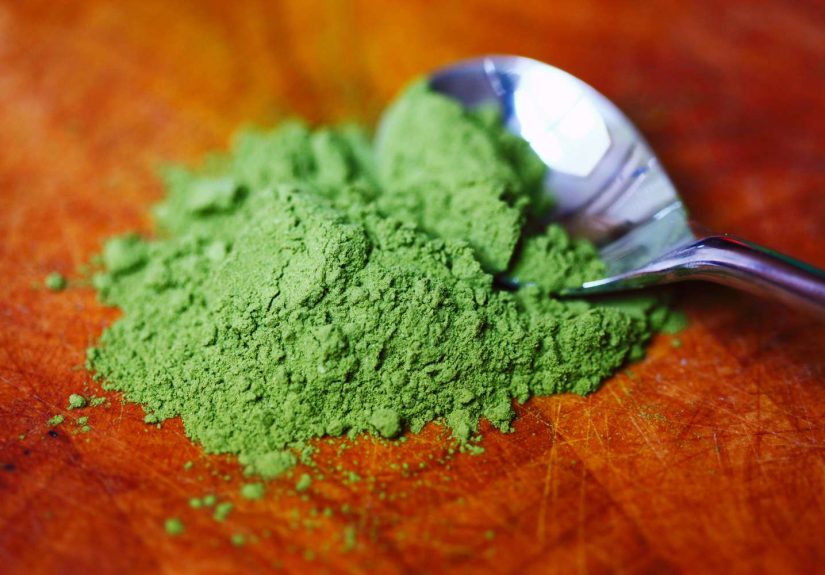
- 7) Matcha is a different species of decision
- Decaf vs. “Caffeine-Free”: The Label Trap That Gets People
- How to Control Caffeine in Tea (Without Doing Math Before Breakfast)
- Quick FAQs (Because Tea People Are Curious and That’s a Compliment)
- Conclusion
- Real-World Experiences: of Tea-Caffeine Life Lessons
- SEO Tags
Tea caffeine is the world’s most polite plot twist: it’s never quite the same twice, it rarely shows up alone,
and it absolutely loves hiding behind the words “green” and “herbal” like they’re fake mustaches.
If you’ve ever sipped a “gentle” tea and felt your eyeballs start doing jumping jacks, this guide is for you.
We’re going to break down what actually controls caffeine levels in teawhat’s inside the leaf, what happens in
the kettle, and why your “one cup” might secretly be a 16-ounce energy negotiation.
A Quick Reality Check: How Much Caffeine Is “Normal”?
There’s no single “tea caffeine number” because tea is an agricultural product and brewing is basically a tiny,
delicious chemistry experiment. Still, most people want a ballpark before they start adjusting knobs.
| Type (Typical Cup) | Common Caffeine Range | Why It Varies So Much |
|---|---|---|
| Black tea (8 oz) | ~40–70 mg | Leaf grade, steep time, water temp, and how “strong” the blend is |
| Green tea (8 oz) | ~20–45 mg | Different cultivars + brewing temperature differences |
| Oolong tea (8 oz) | ~30–55 mg | Processing style and repeated infusions change what ends up in the cup |
| White tea (8 oz) | ~15–40 mg | Bud-heavy styles can be surprisingly caffeinated |
| Matcha (2–4 g serving) | ~40–170 mg | You consume the whole leaf powder, and serving size varies wildly |
| Decaffeinated “true” tea (8 oz) | Usually a few mg | Decaf removes most caffeine, not all |
| Herbal “tea” (tisanes) | Usually 0 mg | Not made from tea leavesunless it includes naturally caffeinated herbs |
The biggest takeaway: tea categories overlap. A “strongly brewed” green tea can beat a lightly brewed black tea,
and matcha can run the caffeine show like it owns the place (because, in a way, it does).
Caffeine in the Leaf vs. Caffeine in Your Cup
Think of tea leaves like caffeine savings accounts. The leaf has a certain balance, but what you actually “withdraw”
depends on how you brew. Two cups can start with the same tea and end with very different caffeine levels because:
- The leaf’s starting caffeine depends on plant genetics, growing conditions, and harvest choices.
- Extraction depends on time, temperature, leaf size, and water-to-leaf ratio.
- Serving size (your mug) often matters more than the tea label.
So when someone asks, “How much caffeine is in green tea?” the most accurate answer is:
“Which green tea, how much, brewed how, and in what size cup?”
(Also, are we counting the refill? Because tea doesn’t.)
What Influences Caffeine Before You Brew: The Tea-Garden Stuff
1) “True tea” vs. herbal tea: the ingredient list decides
Caffeine in tea comes from the Camellia sinensis plant (black, green, oolong, white, pu-erh).
Herbal “teas” are usually caffeine-free because they’re not actually tea leavesthey’re herbs, flowers, roots,
or fruit peels. The exception is herbal ingredients that naturally contain caffeine (like yerba mate or guayusa).
2) Leaf age and harvest timing: buds can be tiny caffeine overachievers
Tea plants produce caffeine as part of their natural defense system. Young buds and tender new leaves often contain
more caffeine than older leaves. That’s why “tip-heavy” teas (made with lots of buds) can be deceptively stimulating,
even when the flavor feels soft and delicate.
Practical example: a bud-forward white tea can sometimes feel more energizing than you’d expect, while a roasted tea
made from more mature leaves may feel gentlereven if both are “real tea.”
3) Cultivar, growing conditions, and shading: why matcha (and some Japanese teas) hit differently
Genetics matter. So do growing choices. Shade-growing (used for matcha and teas like gyokuro) changes leaf chemistry:
growers reduce sunlight before harvest, which shifts the leaf’s balance of compounds. On top of that, matcha is
powdered and whisked into water, so you ingest the leaf instead of just infusing it. That alone can vault matcha
into a higher-caffeine category for many people.
Translation: your “green tea” experience can range from “pleasantly awake” to “I alphabetized my spice rack at 2 a.m.”
depending on the style and how it’s made.
4) Processing style: black vs. green is not a caffeine guarantee
Oxidation (the big difference between green and black tea processing) affects flavor and polyphenols, but it doesn’t
magically create caffeine. Research measuring brewed teas finds wide overlap among categoriesmeaning the label alone
can’t promise a specific caffeine level.
What often drives the difference in your cup is the combination of leaf material (buds vs. mature leaves), blend strength,
and brewing method (temperature and steep time), not simply whether the tea is black or green.
What Influences Caffeine When You Brew: The Stuff You Control
If you only remember one thing: brewing variables usually beat tea type.
Here are the big levers (with practical examples you can actually use tomorrow morning).
1) Tea-to-water ratio: the “how much leaf did you use?” question
More tea leaves per cup generally means more caffeinefull stop. A heaping teaspoon vs. a level teaspoon can turn a
mild cup into a perkier one. And if you’re using a giant mug, you’re basically scaling the dose.
Example: an 8-ounce cup made with 2 grams of tea isn’t the same as a 16-ounce tumbler made with 4 grams, even if the
tea is identical. One is “tea.” The other is “tea, but with ambition.”
2) Water temperature: hotter water extracts more caffeine (usually)
Caffeine is water-soluble, so hotter water generally extracts it faster and more completely. That’s one reason black tea
(often brewed near boiling) can land higher than green tea (often brewed cooler).
If you brew green tea at lower temperatures (think 160–185°F), you typically extract less caffeine in the same amount of
time than you would at a full boil. This is also why cold-brew tea often tastes smoother and may feel less stimulating
though long steep times can narrow the gap.
3) Steep time: caffeine keeps extracting while you chat with your coworker
Longer steeping generally increases caffeine in the cup. Many studies show steep time makes a measurable difference.
The curve isn’t perfectly linear (a lot extracts early), but “steep forever” is still a great way to get more caffeine.
Real-world example: the difference between 2 minutes and 5 minutes can be the difference between “pleasant focus” and
“why am I answering emails like a tournament speed-typist?”
4) Leaf particle size: tea bags, “fannings,” and the fast-extraction effect
Smaller leaf particles extract faster because they have more surface area touching water. Many standard tea bags contain
smaller grades of tea (often called fannings or dust). That can mean quicker caffeine extraction, especially in the first
few minutes.
Loose-leaf tea can be higher quality and flavorful, but if it’s made of larger, intact leaves, caffeine may extract more
slowly. In other words, the caffeine “speed” differs, even if the total possible caffeine is similar.
5) Movement, squeezing, and agitation: the tiny choices that add up
Stirring, dunking, and squeezing tea bags can increase extraction (including caffeine) because you’re forcing more water
through the leaf particles and keeping concentration gradients from settling. It also increases bitterness and astringency,
so your taste buds may file a complaint.
6) Multiple infusions: the first steep is usually the strongest
Many loose-leaf teas are designed for multiple infusions. Caffeine doesn’t vanish after steep one, but the first infusion
is commonly the most caffeinated. Subsequent steeps can be gentler, especially if you keep the same leaf and just add water.
If you’re caffeine-sensitive, multi-infusion styles can be your friend: you can enjoy flavor across several cups while
distributing caffeine more gradually.
7) Matcha is a different species of decision
Regular tea is an infusionyou steep leaves and remove them. Matcha is suspensionyou whisk powdered tea into water and
drink the entire leaf. That’s why matcha caffeine per serving can be significantly higher, and why “a little extra scoop”
is not a neutral choice.
Decaf vs. “Caffeine-Free”: The Label Trap That Gets People
“Decaf” and “caffeine-free” are not synonyms, and your nervous system would like you to stop treating them like twins.
- Caffeine-free usually means there was no tea caffeine to begin with (common for most herbal tisanes).
-
Decaffeinated tea started life as a caffeinated tea leaf, and most of the caffeine was removed.
Usually, a small amount remains.
If you’re highly sensitive to caffeine (or avoiding it for medical reasons), “decaf” can still matter, especially if you
drink multiple cups or use large mugs. When in doubt, check packaging and serving sizeand remember that “cup” can be a
sneaky word.
How to Control Caffeine in Tea (Without Doing Math Before Breakfast)
If you want more caffeine
- Use more leaf (or an extra tea bag) per cup.
- Brew hotter (within the tea’s recommended range so it still tastes good).
- Steep longer (and stir once early on).
- Choose styles known for stronger servings (robust black blends, some shade-grown teas, matcha).
- Don’t “discard the first steep”that’s often the most caffeinated one.
If you want less caffeine
- Choose caffeine-free herbal options if you want near-zero caffeine.
- Pick decaf tea if you still want “real tea” flavor but far less caffeine.
- Use cooler water and shorter steep times (taste-test to find your sweet spot).
- Use less leaf or a smaller mug (boring, yeseffective, also yes).
- Try multiple infusions and keep later steeps gentler.
- Cold brew for smoother flavor; it can feel less stimulating for many people.
A helpful mindset: if you’re chasing “low caffeine,” focus on the variables you control (dose, time, temperature)
rather than relying on tea color. Your kettle has more power than your assumptions.
Quick FAQs (Because Tea People Are Curious and That’s a Compliment)
Does rinsing tea leaves remove caffeine?
A quick rinse can remove some caffeine, but it’s not a reliable DIY decaf method. It also removes flavor and aroma,
and the reduction is often smaller than people expect. If you truly need low caffeine, decaf tea or caffeine-free herbal
options are the dependable choices.
Is green tea always lower in caffeine than black tea?
Not always. Many green teas are brewed cooler and shorter, so the cup can end up lowerbut the leaf itself varies.
Bud-heavy green teas, shade-grown teas, and matcha can deliver more caffeine than a lightly brewed black tea.
Can tea ever have more caffeine than coffee?
A typical cup of coffee is usually higher, but “typical” is doing a lot of work there. Strongly brewed tea, large servings,
or matcha prepared with a generous scoop can rival (or exceed) weaker coffee drinks. Serving size and brewing strength decide
the winner.
Why does one tea feel “stronger” even at similar caffeine levels?
Tea contains other compounds (like L-theanine) that can change the subjective feel of caffeine. Many people describe tea’s
energy as smoother or more focused compared to coffee. Also, your sleep, hydration, meal timing, and caffeine sensitivity
can make the same tea feel different on different days.
Conclusion
Caffeine levels in tea aren’t a fixed numberthey’re the result of a chain reaction: the leaf’s biology (cultivar, harvest,
and growing conditions) plus your brewing choices (dose, time, temperature, and leaf size). If your tea feels too strong
or too weak, you don’t need a different personalityyou need different settings.
Brew smarter, taste as you go, and remember: your mug size is not “just a detail.” It’s a caffeine decision wearing a ceramic
disguise.
Real-World Experiences: of Tea-Caffeine Life Lessons
Tea caffeine becomes easier to understand when you watch it behave in everyday life. One common scenario: someone switches
from coffee to tea to “cut back,” but they replace a 10-ounce coffee with a 20-ounce travel mug of strong black tea and then
wonder why they still feel wired. The lesson isn’t “tea is secretly coffee.” It’s that serving size and leaf dose matter.
A modest cup can be gentle; a large mug with extra leaf can be a full-on productivity soundtrack.
Another frequent story shows up with green tea. A person tries a delicate sencha brewed at a lower temperature and feels
pleasantly focused. Then they buy a different green teamaybe bud-heavy or shade-grownand brew it hotter and longer because
they want “more flavor.” Suddenly they’re wide awake at midnight, learning everything there is to know about the history of
doorknobs. The takeaway: “green” doesn’t guarantee “low caffeine,” and hotter water plus longer time can quietly escalate the
caffeine dose even when the tea still tastes smooth.
Matcha creates its own category of experiences. People often say matcha feels “stronger but calmer,” especially when compared
with coffee. The practical reason is simple: you’re consuming the whole tea leaf powder, and matcha servings can range from a
conservative half-teaspoon to a heroic heap that would impress a gelato shop. Many first-time matcha drinkers accidentally
double their serving and then blame the tea for being “too intense,” when the real culprit was the enthusiastic scoop.
The best matcha tip from real kitchens is also the most boring: measure once or use a dedicated spoon, especially if you’re
caffeine-sensitive.
Decaf tea experiences are the quiet success stories. People who love the ritual of tea but hate the sleep disruption often
find decaf black or green tea gives them the “real tea” taste with dramatically lower caffeine. The surprise is that decaf
still contains a small amount, so drinking several large cups late at night can still affect very caffeine-sensitive folks.
That’s why a common routine is caffeinated tea earlier in the day, then decaf or herbal in the eveningsame comfort, less
drama.
Finally, cold brew tea shows up as the friendlier option for many. It tends to taste smoother and less bitter, which leads
people to drink it more easily. But drinking more of it can increase your total caffeine intake over the day. The lesson is
consistent across all these experiences: tea caffeine is controllable. When you tweak dose, time, temperature, and serving
size, you’re not just changing flavoryou’re choosing how awake you want to be.