Table of Contents >> Show >> Hide
- What Are Carbohydrates, Anyway?
- What Makes a Carb “Healthy”?
- Healthy Carbs vs. Refined Carbs
- Best Foods That Count as Healthy Carbs
- How to Spot Healthy Carbs at the Grocery Store
- Do Healthy Carbs Help With Weight Management?
- Are Low-Carb Diets Always Better?
- Easy Ways to Add More Healthy Carbs to Your Diet
- A Quick Healthy Carbs Cheat Sheet
- The Bottom Line on Healthy Carbs
- Real-Life Experiences With Healthy Carbs
Carbs have had a rough time in the court of public opinion. For years, they have been blamed for everything from afternoon crashes to tight jeans to the mysterious disappearance of motivation after lunch. But here is the truth: carbohydrates are not the enemy. They are one of your body’s main fuel sources, and when you choose them well, they can support steady energy, better digestion, heart health, and overall nutrition.
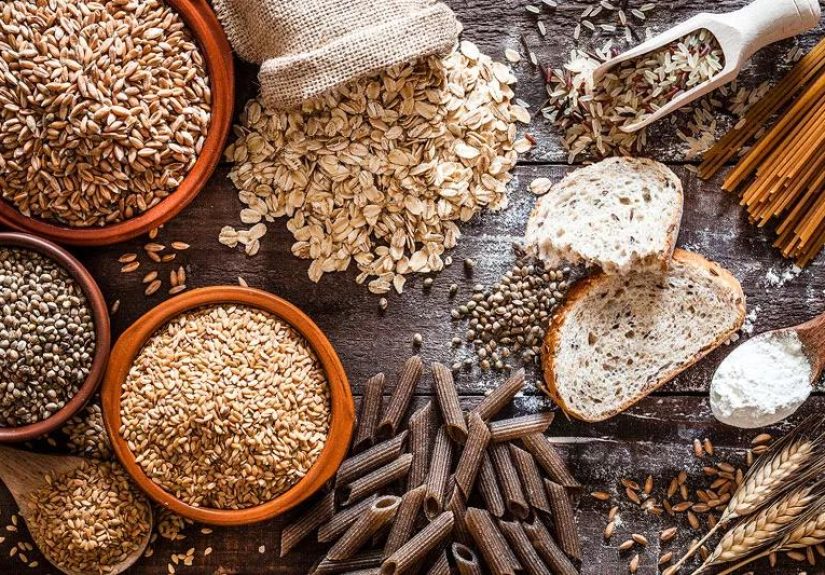
So what are healthy carbs, exactly? In plain English, healthy carbs are carbohydrate-rich foods that give you more than just quick calories. They usually come with fiber, vitamins, minerals, water, and other helpful nutrients. Think oats, beans, berries, apples, brown rice, sweet potatoes, lentils, and whole-grain bread. In other words, healthy carbs are the overachievers of the food world. They show up with snacks and useful life skills.
This guide breaks down what healthy carbohydrates are, how they compare with refined carbs, which foods count as smart choices, and how to work them into meals without turning dinner into a math test.
What Are Carbohydrates, Anyway?
Carbohydrates are one of the three main macronutrients, along with protein and fat. Your body breaks most carbs down into glucose, which your cells use for energy. Your brain, muscles, and nervous system all rely on carbohydrates to do their jobs. That means carbs are not some optional side quest. They are part of the main storyline.
Carbs show up in several forms:
Sugars
These are the simplest carbohydrates. Some occur naturally in foods like fruit and milk. Others are added during processing, as in soda, candy, pastries, and many sweetened cereals.
Starches
These are complex carbohydrates found in foods like grains, beans, peas, corn, potatoes, and lentils. They take longer to break down than simple sugars, especially when they are eaten in less processed forms.
Fiber
Fiber is also a carbohydrate, but your body does not fully digest it. That is actually great news. Fiber helps support digestion, promotes fullness, and can help keep blood sugar on a more even keel. It is one of the main reasons healthy carb foods earn their gold stars.
What Makes a Carb “Healthy”?
There is no magical halo hovering over certain foods, but healthy carbs usually share a few important traits.
1. They Are Rich in Fiber
Fiber slows digestion and helps you feel satisfied longer. That means a bowl of oatmeal with berries tends to keep you going much better than a frosted pastry that vanishes from your bloodstream like it had plans elsewhere. High-fiber carbs also support gut health and can help with cholesterol and blood sugar management.
2. They Are Closer to Their Natural Form
The less stripped-down and ultra-processed a carb is, the better. A whole apple is a healthier carb choice than apple-flavored candy. Brown rice is generally a better everyday choice than heavily processed snack crackers. Steel-cut oats beat sugary instant oatmeal packets dressed like dessert.
3. They Bring Other Nutrients to the Table
Healthy carbs do not arrive empty-handed. Whole grains, legumes, fruits, and vegetables often provide vitamins, minerals, antioxidants, and sometimes protein. That makes them much more useful than refined carbs that mostly offer starch, sugar, and vibes.
4. They Tend to Be More Filling
A good carb choice usually keeps hunger under control because it contains fiber, water, or a combination of nutrients. That is one reason foods like beans, popcorn, sweet potatoes, and fruit can be satisfying parts of a balanced diet.
5. They Usually Have a Gentler Effect on Blood Sugar
Not every person responds to food in exactly the same way, but in general, carbs that are high in fiber and less processed are digested more slowly than refined, low-fiber carbs. That often means steadier energy and fewer dramatic spikes and crashes.
Healthy Carbs vs. Refined Carbs
The healthiest carb conversation is not really about “good” and “bad” foods in a dramatic movie-trailer voice. It is more helpful to think in terms of quality.
Healthy or higher-quality carbs are usually:
- Whole or minimally processed
- Higher in fiber
- Packed with nutrients
- More filling
Refined or lower-quality carbs are often:
- Heavily processed
- Lower in fiber
- Higher in added sugars
- Easier to overeat quickly
Examples of refined carbs include sugary drinks, candy, white bread, many packaged baked goods, sweet snack bars, and some breakfast cereals. These foods are not automatically forbidden forever. They just should not be the main source of carbs in a healthy eating pattern.
One cupcake will not ruin your life. But building your diet around cupcakes is a little like building a house out of tissue paper. It looks promising for about six minutes.
Best Foods That Count as Healthy Carbs
Whole Grains
Whole grains are some of the best healthy carbs because they contain the bran, germ, and endosperm of the grain. That means they keep more fiber and nutrients than refined grains.
Great examples include:
- Oatmeal
- Brown rice
- Quinoa
- Barley
- Farro
- Whole-wheat bread
- Whole-grain pasta
- Popcorn
Yes, popcorn can be a healthy carb. It is a whole grain. It only loses points when it becomes a butter-soaked movie-theater swimming pool.
Beans, Lentils, and Peas
Legumes are nutrition superheroes wearing very normal outfits. They provide complex carbs, fiber, and plant protein, which makes them especially filling.
Smart choices include:
- Black beans
- Chickpeas
- Lentils
- Kidney beans
- Split peas
- Edamame
Add them to soups, salads, grain bowls, tacos, or pasta dishes if you want a carb source that works overtime.
Fruit
Fruit contains natural sugar, and that sometimes makes people nervous. But whole fruit also brings fiber, water, vitamins, minerals, and beneficial plant compounds. That package matters.
Healthy fruit-based carb choices include:
- Berries
- Apples
- Pears
- Oranges
- Bananas
- Peaches
- Grapes
Whole fruit is usually a better everyday choice than fruit juice because chewing the fruit and getting its fiber helps with fullness and blood sugar response.
Vegetables, Including Starchy Vegetables
Vegetables are often praised for being low in calories, but many of them are also excellent carb sources. Starchy vegetables can absolutely fit into a healthy diet.
Examples include:
- Sweet potatoes
- Potatoes
- Corn
- Green peas
- Butternut squash
- Acorn squash
- Carrots
- Beets
Potatoes are a good example of a food that gets unfairly blamed by association. A baked potato with the skin is a very different situation from a bucket of greasy fries. Context matters.
Dairy and Yogurt
Milk and yogurt contain carbohydrates in the form of lactose. Plain or lightly sweetened options can be nutritious choices because they also provide protein, calcium, and other nutrients. Flavored versions with lots of added sugar are less impressive, nutritionally speaking.
How to Spot Healthy Carbs at the Grocery Store
You do not need a degree in food label detective work, but a few simple checks can help.
Look for “Whole” in the Ingredient List
For breads, cereals, crackers, tortillas, and pasta, look for words like whole wheat, whole grain oats, or whole grain corn near the start of the ingredient list.
Check the Fiber Content
In general, more fiber is a good sign in carb-rich foods. A higher-fiber cereal or bread is often a better choice than one made mostly from refined flour and sugar.
Watch Added Sugars
A granola bar can look healthy because it has oats on the front of the box and a leaf somewhere on the package. But if it is loaded with added sugar, it may be more candy-adjacent than breakfast-friendly.
Choose Foods With a Shorter, More Familiar Ingredient List
This is not a perfect rule, but it often helps. A plain bag of oats usually beats a neon-colored cereal that sounds like it was named by a cartoon mascot at 2 a.m.
Do Healthy Carbs Help With Weight Management?
They can. Healthy carbs often contain fiber and water, which help fill you up. That can make it easier to feel satisfied without overeating. Whole grains, beans, vegetables, and fruit are typically more filling than refined sweets and snack foods, which tend to disappear fast and leave hunger knocking again soon after.
That does not mean “eat endless bowls of brown rice and let destiny decide.” Portion size still matters. But cutting out all carbs is usually unnecessary, and for many people, it makes eating harder, less enjoyable, and less sustainable.
Are Low-Carb Diets Always Better?
Not necessarily. Some people do well with lower-carb eating patterns for certain goals or medical reasons, but that does not mean carbs themselves are the problem. Often, the issue is carb quality. Replacing soda, pastries, sugary cereal, and white bread with beans, fruit, oats, and whole grains is very different from simply declaring war on every banana in the building.
Healthy eating works best when it is realistic. If your eating plan makes you afraid of apples, that plan may need a second opinion.
Easy Ways to Add More Healthy Carbs to Your Diet
- Swap white bread for whole-grain bread.
- Choose oatmeal instead of sugary pastries for breakfast.
- Add beans or lentils to soups, tacos, salads, and grain bowls.
- Pick whole fruit instead of juice when possible.
- Try brown rice, quinoa, or farro as dinner sides.
- Keep popcorn, roasted chickpeas, or fruit on hand for snacks.
- Leave the skin on potatoes when appropriate for extra fiber.
- Build meals that combine carbs with protein and healthy fat for better staying power.
A Quick Healthy Carbs Cheat Sheet
| Food | Healthy Carb Status | Why It Helps |
|---|---|---|
| Steel-cut oats | Excellent | High in fiber and very filling |
| Brown rice | Great | Whole grain with more fiber and nutrients than white rice |
| Lentils | Excellent | Carbs plus fiber and plant protein |
| Apple with skin | Great | Fiber, water, and natural sweetness |
| Sweet potato | Great | Fiber and important vitamins |
| Whole-grain pasta | Good | More fiber than refined pasta |
| Sugary soda | Low-quality carb | Fast sugar, little to no fiber or nutrients |
| White pastry | Low-quality carb | Usually refined flour plus added sugar |
The Bottom Line on Healthy Carbs
Healthy carbs are not trendy, magical, or mysterious. They are simply carbohydrate-rich foods that give your body useful nutrition along with energy. In most cases, the best choices are whole or minimally processed foods like whole grains, beans, lentils, fruit, vegetables, and plain dairy products.
If you remember one thing, make it this: the goal is not to fear carbs. The goal is to choose carbs that work for you instead of carbs that sweep in, spike your energy, and leave you staring at the pantry 90 minutes later like it owes you money.
Carbs are not the villain. Poor-quality, heavily processed carb choices just tend to be louder. Healthy carbs, meanwhile, quietly do their job, keep you fueled, and ask for very little credit. Honestly, iconic behavior.
Real-Life Experiences With Healthy Carbs
One of the most common experiences people report when they switch to healthier carbs is that their energy feels less dramatic. Instead of riding the breakfast roller coaster of a giant muffin and sweet coffee, then crashing by 10:30 a.m. and raiding the snack drawer like a raccoon with deadlines, they start the day with oatmeal, fruit, or whole-grain toast with peanut butter and notice they stay fuller longer. It is not glamorous, but it is effective. Healthy carbs rarely create a cinematic montage. They just make everyday life run more smoothly.
Another frequent experience happens at lunch. A meal built around refined carbs alone can feel satisfying for about twelve minutes. Then comes the sleepy slump, the wandering brain, and the urgent desire to eat something crunchy, sweet, salty, or all three. People often notice that when lunch includes higher-fiber carbs like brown rice, beans, quinoa, fruit, or roasted sweet potatoes, the afternoon feels steadier. You are less likely to become emotionally attached to the office vending machine or start imagining chips as a personality trait.
Healthy carbs also tend to help people who are trying to eat more consistently without feeling deprived. That matters because extreme restriction often backfires. Someone might swear off all bread, fruit, and grains on Monday, feel extremely virtuous until Wednesday, and then end up eating half a box of snack crackers standing in the kitchen by Friday night. By contrast, including satisfying carb foods in reasonable portions can make healthy eating feel normal instead of punishing. A bowl of chili with beans, a baked potato with dinner, or Greek yogurt with berries can make meals feel complete rather than oddly unfinished.
Families often notice this shift, too. Parents who begin replacing sugary cereals with oatmeal, swapping white bread for whole-grain bread, or adding fruit and beans more often are not just changing nutrient profiles on paper. They are shaping routines. Kids may not cheer when lentils appear for the first time, but repeated exposure matters. Over time, healthier carb choices become familiar instead of “weird,” and that familiarity can make balanced eating much easier. In real life, the best healthy habits are usually the ones people can repeat without needing a motivational speech before every meal.
There is also a practical side to healthy carbs that people appreciate once they stop viewing them as nutrition buzzwords. They are often affordable, flexible, and easy to build meals around. Oats, potatoes, rice, beans, bananas, frozen vegetables, and whole-grain pasta are not fancy wellness-shop treasures guarded by a jade crystal. They are regular foods that work in regular kitchens on regular budgets. That is part of what makes them so useful. Healthy carbs are not about perfection. They are about choosing better patterns most of the time, enjoying food that actually satisfies you, and realizing that a balanced plate is a lot more livable than a fearful one.