Table of Contents >> Show >> Hide
- What Is a Gastric Balloon?
- How Did the 19% Weight Loss Result Happen?
- Why Combine a Gastric Balloon With Weight-Loss Medication?
- Who Might Be a Candidate?
- Benefits of Combining Gastric Balloon Therapy and Medication
- Risks and Side Effects to Know
- What Patients Should Expect During Treatment
- Why Muscle Matters During Weight Loss
- Nutrition Tips That Support Better Results
- Is 19% Weight Loss Realistic for Everyone?
- How This Compares With Other Weight-Loss Options
- Questions to Ask Your Doctor
- Real-World Experience: What the Journey May Feel Like
- Conclusion
Weight loss has entered its “team sport” era. Once upon a time, the advice was painfully simple: eat less, move more, and try not to glare at the office donut box. Today, obesity care is more sophisticated, more medical, and thankfully more honest. For many people, long-term weight loss is not just a matter of willpower; it is a complex mix of appetite hormones, metabolism, habits, environment, sleep, stress, genetics, and medical history.
That is why a recent finding attracted attention: people who used a swallowable gastric balloon along with an anti-obesity medication achieved an average weight loss of about 19% of their initial body weight. In plain English, that is a meaningful drop. For a person starting at 220 pounds, 19% equals nearly 42 pounds. That is not “I skipped dessert twice” weight loss. That is the kind of change that may improve blood pressure, blood sugar, mobility, sleep apnea symptoms, joint pain, and overall quality of life.
But before anyone starts imagining a tiny balloon wearing a superhero cape inside the stomach, let’s slow down. This treatment approach is not magic. It is not right for everyone. It requires medical supervision, lifestyle changes, careful follow-up, and realistic expectations. Still, the combination of gastric balloon therapy and medication shows how modern weight management is moving toward personalized, layered treatment rather than one-size-fits-all advice.
What Is a Gastric Balloon?
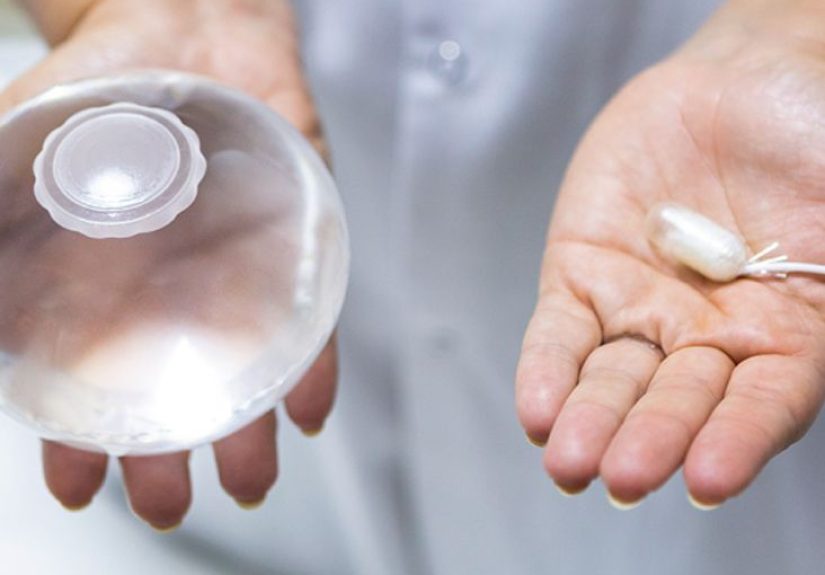
A gastric balloon, also called an intragastric balloon, is a temporary weight-loss device placed inside the stomach. Its job is simple: take up space. When there is less available room in the stomach, many people feel full sooner and may eat smaller portions without feeling like they are wrestling a bear at every meal.
Traditional intragastric balloons are placed by endoscopy. A doctor guides a deflated balloon into the stomach through the mouth while the patient is sedated, then fills it with saline or gas. The balloon stays in place for several months and is later removed. Some newer swallowable balloons are designed to be swallowed as a capsule, inflated after reaching the stomach, and eventually pass naturally through the digestive system.
The balloon does not burn fat, melt calories, or cancel out pizza night. It works mainly by helping with portion control and satiety. Think of it as a temporary training wheel for appetite management. The best results usually happen when the device is paired with nutrition counseling, behavior coaching, physical activity, and long-term planning.
How Did the 19% Weight Loss Result Happen?
The widely discussed 19% result came from a study presented at the European Congress on Obesity. The report involved adults with overweight or obesity who received a swallowable gastric balloon and later used liraglutide, a GLP-1 receptor agonist medication approved in some settings for chronic weight management.
Participants first used the balloon program, which helped reduce intake by increasing fullness. Then, after several weeks, liraglutide was introduced to support further appetite control and weight maintenance. By the end of treatment, over an average period of about eight months, participants lost roughly 19% of their starting body weight.
That number matters because even a 5% to 10% weight loss can be clinically meaningful for many people. A 19% drop suggests that combining tools may produce stronger results than relying on a single intervention. The balloon helps create early momentum, while medication may help extend progress and reduce the risk of rebound hunger after the balloon leaves the stomach.
Why Combine a Gastric Balloon With Weight-Loss Medication?
Obesity is a chronic disease, not a character flaw. The body has powerful systems designed to defend weight. When people lose weight, hunger hormones may rise, energy expenditure may fall, and cravings may become louder than a smoke alarm with low batteries. This is one reason many people regain weight after dieting.
A gastric balloon and medication target different parts of the weight-loss puzzle. The balloon works physically by occupying space in the stomach. GLP-1 medications work biologically by affecting appetite signaling, digestion speed, and fullness cues. Together, they may create a stronger “fullness signal” and help patients stick with smaller meals more comfortably.
The Balloon: Mechanical Support
The balloon may help people feel satisfied with less food. This can be especially useful in the early months, when patients are learning new eating patterns. Many programs include coaching on protein intake, meal timing, hydration, mindful eating, and avoiding high-calorie liquids that can slide past fullness cues.
The Medication: Hormonal Support
GLP-1 medications such as liraglutide and semaglutide mimic or influence hormones involved in appetite and food intake. They can reduce hunger, increase fullness, and help some patients feel less preoccupied with food. For people who describe constant “food noise,” this can feel like someone finally turned down the volume.
The Lifestyle Plan: The Glue That Holds It Together
Neither a balloon nor medication replaces healthy habits. In fact, medical tools usually work best when they make lifestyle changes more achievable. A realistic plan includes protein-rich meals, fiber from vegetables and whole foods, resistance training to protect muscle, regular walking or aerobic activity, sleep improvement, and emotional support.
Who Might Be a Candidate?
Candidate selection depends on the specific device, medication, body mass index, health conditions, previous weight-loss attempts, and local regulatory approval. In the United States, FDA-approved intragastric balloons are generally intended for adults with obesity who meet specific BMI criteria and who participate in a supervised lifestyle program.
Weight-loss medications also have eligibility rules. Many are used for adults with obesity or adults with overweight plus at least one weight-related condition, such as high blood pressure, type 2 diabetes, or high cholesterol. Some medications are also approved for adolescents, depending on the drug and indication.
This is why medical evaluation matters. A clinician may review medical history, medications, pregnancy plans, gastrointestinal conditions, mental health history, eating disorder risk, prior surgeries, and insurance coverage before recommending a treatment path.
Benefits of Combining Gastric Balloon Therapy and Medication
The biggest potential benefit is greater weight loss than either lifestyle changes or some single interventions may achieve alone. For patients who have struggled with repeated weight regain, combination therapy may offer a fresh approach.
Another advantage is flexibility. A gastric balloon is temporary and reversible. Medication can sometimes be adjusted, paused, changed, or continued depending on response and side effects. This gives clinicians more room to personalize care.
Weight loss may also improve obesity-related conditions. Many patients who lose a meaningful percentage of body weight see improvements in waist circumference, blood pressure, insulin resistance, blood sugar, fatty liver markers, reflux symptoms, joint stress, and physical stamina. Results vary, but the potential health benefits are one reason obesity treatment is increasingly viewed as preventive medicine, not cosmetic maintenance.
Risks and Side Effects to Know
Gastric balloons can cause nausea, vomiting, abdominal pain, reflux, bloating, and cramping, especially during the first several days after placement. Many symptoms improve as the stomach adjusts, but some patients find the early period uncomfortable. Translation: the stomach may file a formal complaint before it accepts its new roommate.
Rare but serious risks include balloon deflation, migration, bowel obstruction, ulceration, pancreatitis, bleeding, stomach perforation, or the need for urgent removal. The FDA has issued safety communications about liquid-filled intragastric balloons and the importance of monitoring for serious symptoms.
GLP-1 medications can also cause side effects, most often nausea, vomiting, diarrhea, constipation, reflux, and reduced appetite. Less common but serious concerns may include gallbladder disease, pancreatitis, kidney problems related to dehydration, and medication-specific warnings. These drugs are not appropriate for everyone, especially people with certain personal or family medical histories.
What Patients Should Expect During Treatment
A well-run program usually begins with a screening visit. Patients may meet with a physician, registered dietitian, nurse, or health coach. The care team explains the procedure, expected weight loss, possible side effects, meal stages, medication schedule, follow-up appointments, and warning signs.
During the first days after balloon placement, patients often follow a liquid diet, then gradually transition to soft foods and eventually balanced meals. Hydration is important, but drinking too quickly can worsen nausea. Small portions, slow chewing, and stopping at the first sign of fullness become daily skills.
If medication is added, the dose may be increased gradually to reduce side effects. Patients may need to track symptoms, appetite changes, bowel habits, food intake, and weight trends. The goal is not just to lose weight fast; it is to lose weight safely while preserving muscle and building habits that can survive real life.
Why Muscle Matters During Weight Loss
Fast weight loss can include loss of lean mass, not just fat. That matters because muscle supports metabolism, balance, strength, glucose control, and long-term independence. Nobody wants to lose weight and accidentally trade energy for “couch fossil” status.
A good plan prioritizes protein and resistance training. This may include lifting weights, using resistance bands, doing body-weight exercises, or working with a trainer or physical therapist. Walking is excellent for heart health and calorie expenditure, but strength training is the unsung hero of body composition.
Nutrition Tips That Support Better Results
The best diet after a gastric balloon is not a crash diet. It is structured, protein-forward, and sustainable. Patients are often encouraged to eat lean protein first, then vegetables, fruits, whole grains, beans, lentils, nuts, and healthy fats in appropriate portions.
Liquid calories can sabotage progress. Sugary drinks, alcohol, milkshakes, fancy coffee drinks, and juices may pass through without creating fullness. A balloon cannot outsmart a 700-calorie beverage pretending to be “just a drink.”
Meal consistency also helps. Skipping meals can backfire, leading to overeating later. Many patients do better with planned meals, slow eating, and a simple rule: stop when satisfied, not stuffed. The difference between those two feelings is where long-term success often lives.
Is 19% Weight Loss Realistic for Everyone?
No. The 19% result is an average from a specific treatment approach and study population. Individual outcomes vary widely. Some people may lose more, while others lose less. Factors include starting weight, adherence, medication tolerance, physical activity, sleep, stress, medical conditions, genetics, and follow-up intensity.
It is also important to understand that weight maintenance is its own phase of treatment. Losing weight is hard; keeping it off is a different sport with different rules. After the balloon is gone, hunger may change again. This is where ongoing medication, coaching, nutrition structure, and accountability can be useful.
How This Compares With Other Weight-Loss Options
Lifestyle therapy remains the foundation of obesity care. For some people, intensive lifestyle changes produce excellent results. For others, biology pushes back too strongly, and additional tools are needed.
Medications such as GLP-1 receptor agonists and newer incretin-based therapies can produce significant weight loss, especially when combined with lifestyle support. Bariatric surgery generally produces the most durable and substantial weight loss for patients who qualify, particularly those with severe obesity or obesity-related diseases such as type 2 diabetes.
Gastric balloons sit between lifestyle therapy and surgery. They are less invasive than surgery but usually less powerful and less permanent. Combination therapy may help close part of that gap for selected patients, although more long-term research is needed.
Questions to Ask Your Doctor
Anyone considering a gastric balloon, medication, or both should ask practical questions before starting. Is this device approved and available in my country? What are the expected results for someone with my BMI and health history? What side effects should I expect? What symptoms require urgent care? What happens after the balloon is removed or passes? How long might I need medication? What will this cost? Will insurance cover any part of it?
Patients should also ask what support is included. A balloon without coaching is like buying running shoes and expecting them to jog without you. The strongest programs usually include nutrition education, behavior support, exercise planning, and long-term follow-up.
Real-World Experience: What the Journey May Feel Like
The experience of using a gastric balloon with medication is not just a medical process; it is a daily-life process. Imagine waking up after the balloon is placed and realizing your stomach has become a very opinionated roommate. For the first few days, many people feel nausea, tightness, or discomfort. Meals may look tiny. Sips of water may require patience. The old habit of eating quickly suddenly feels like trying to speed through a school zone with every warning light flashing.
Then, slowly, the body adapts. The first small victories often have nothing to do with the scale. A person may notice they can leave food on the plate without feeling deprived. They may walk past snacks at night and realize the craving is quieter. They may learn that protein at breakfast prevents the 3 p.m. pantry raid. These are not glamorous moments, but they are the bricks that build durable change.
When medication is added, the experience can shift again. Some people describe a calmer relationship with food. Instead of thinking about lunch while eating breakfast, they feel more in control. Others struggle with side effects and need dose adjustments. This is why follow-up matters. The best results usually come from honest communication with the care team, not from pretending everything is fine while secretly living on crackers and ginger tea.
Social situations can be tricky. Restaurant portions may suddenly look enormous. Friends may ask awkward questions. Family members may offer “just one bite” with the persistence of a telemarketer. Successful patients often prepare simple responses, such as “I’m following a medical plan right now” or “I’m focusing on smaller portions.” No dramatic speech required.
Exercise may also feel different. At first, energy may dip as food intake decreases. Over time, walking, stretching, and resistance training become essential. Strength training is especially important because the goal is not merely to become lighter; it is to become healthier, stronger, and more metabolically resilient.
The emotional side deserves attention too. Weight loss can bring excitement, fear, impatience, and identity changes. Some people feel encouraged when clothes fit better or stairs become easier. Others worry about regaining weight. The end of balloon treatment can feel like graduation day and final exam day at the same time. This is where maintenance planning becomes critical.
A realistic experience is not perfect. There may be plateaus, digestive complaints, missed workouts, travel challenges, and days when old habits try to make a comeback tour. But combination therapy may give some patients enough appetite control and early progress to practice new behaviors while the biological wind is finally blowing in the right direction.
Conclusion
The report showing about 19% weight loss with a swallowable gastric balloon plus medication highlights an important trend in obesity care: combination treatment. Instead of asking patients to fight biology with motivation alone, modern programs can use devices, medications, coaching, nutrition, and exercise together.
This approach is promising, but it is not casual. Gastric balloons and anti-obesity medications carry risks and require professional guidance. The best candidate is someone who understands both the opportunity and the responsibility: follow the plan, report symptoms, protect muscle, build habits, and prepare for long-term maintenance.
Weight loss is not about shrinking a person’s worth. It is about improving health, comfort, mobility, confidence, and disease risk. If a gastric balloon and medication help certain patients achieve that safely, the future of weight management may look less like punishment and more like personalized medicinewith fewer lectures and, hopefully, fewer sad salads.