Table of Contents >> Show >> Hide
- What Are Weavers Corner Cotton Rugs?
- Why Cotton Rugs Still Have a Place in Modern Homes
- Best Rooms for Weavers Corner Cotton Rugs
- How to Choose the Right Size
- Patterns and Colors That Work Beautifully
- How to Style Weavers Corner Cotton Rugs
- Care and Cleaning Tips
- Pros and Cons of Cotton Rugs
- Who Should Buy Weavers Corner Cotton Rugs?
- Buying Checklist
- Design Examples for Real Homes
- Experience Notes: Living With Weavers Corner Cotton Rugs
- Conclusion
Some home pieces arrive with a trumpet fanfare. Others quietly step into the room, lie down, and somehow make everything look more intentional. Weavers Corner Cotton Rugs belong to the second category. They are simple, practical, and quietly charmingthe kind of rug that does not need to shout “designer moment” across the living room because it is too busy making the floor look warm, finished, and happily lived in.
At its core, a cotton rug is one of the most approachable decorating tools you can bring into a home. Cotton feels familiar. It is used in towels, bedding, shirts, napkins, and all the soft things we reach for without overthinking. When that same natural fiber becomes a rug, it brings a relaxed, breathable, casual character to a room. A Weavers Corner cotton rug can work in a cottage-style kitchen, a sunny bedroom, a hallway that needs personality, or a reading corner where the chair looks lonely without something underfoot.
Unlike heavy investment rugs that make people whisper, “Do not bring grape juice near this,” cotton rugs are often chosen for everyday spaces. They can add texture without formality, color without drama, and comfort without turning the room into a museum exhibit. That is the magic: they make a home feel designed, but still friendly enough for socks, slippers, pets, kids, and the occasional snack-related incident.
What Are Weavers Corner Cotton Rugs?
Weavers Corner Cotton Rugs refer to cotton rugs associated with the Weavers Corner retailer and highlighted as cotton rugs in home design listings. While detailed public product specifications are limited, the most important feature is clear: the material is cotton. That single detail tells us a lot about the expected look, feel, and function of the rug.
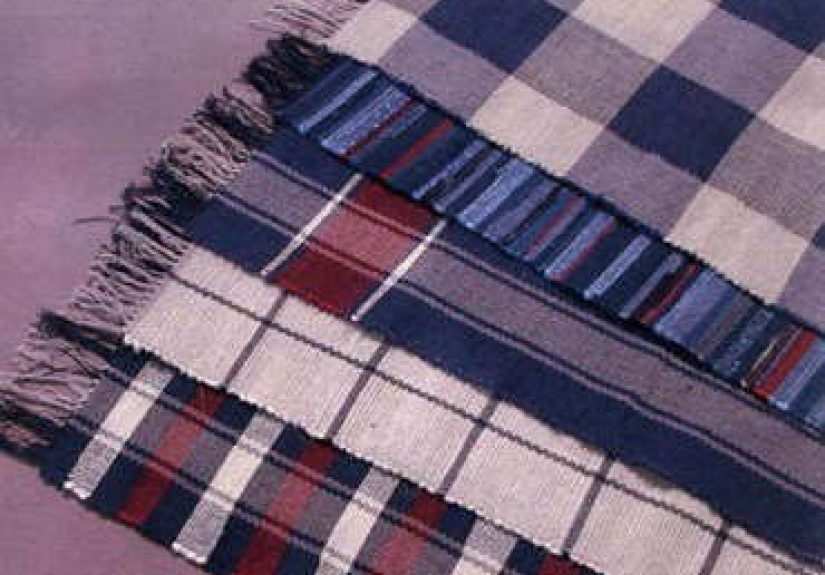
Cotton rugs are usually appreciated for their soft hand, flexible construction, and easygoing appearance. Many are woven in flatweave, rag rug, striped, checked, or patterned styles. Some are reversible, some include fringe, and others keep the edges neat and tailored. Because cotton takes dye well, cotton rugs often appear in everything from crisp neutrals to cheerful blues, reds, yellows, and earthy tones.
The phrase “Weavers Corner” also suggests a handcrafted or craft-inspired identity. Even when a rug is not fully handmade, cotton rugs often borrow from weaving traditions: visible threads, simple structure, tactile texture, and patterns that feel human rather than overly polished. In a world full of shiny surfaces and flat-pack furniture, that touch of woven softness can be exactly what a room needs.
Why Cotton Rugs Still Have a Place in Modern Homes
Home design trends come and go. One year everything is gray, the next year everyone suddenly owns a mushroom-shaped lamp. Cotton rugs, however, remain useful because they solve real decorating problems. They soften hard floors, define zones in open spaces, add color, and make a room feel more layered.
A cotton rug is especially helpful when you want comfort without heaviness. Wool rugs are durable and beautiful, but they can be expensive. Jute and sisal rugs offer natural texture, but they may feel scratchy under bare feet. Synthetic washable rugs can be convenient, but they do not always have the same natural softness. Cotton sits in a happy middle ground: soft, breathable, usually lighter in weight, and visually relaxed.
They Work Well in Casual Spaces
Cotton rugs shine in casual rooms. Think breakfast nooks, kids’ rooms, guest bedrooms, laundry rooms, craft areas, covered porches, and home offices. These are places where you want warmth and style, but you also want a rug that feels like it understands life happens.
For example, a striped cotton rug in a kitchen can make plain cabinets look more cheerful. A small woven cotton rug beside the bed gives your feet a soft landing in the morning. A runner in a hallway can turn a bland pass-through space into a little design moment. The rug does not need to be complicated. In fact, cotton rugs often look best when they are simple.
They Add Texture Without Taking Over
One of the biggest design benefits of a cotton rug is texture. A room can have beautiful furniture and still feel unfinished if every surface is smooth. A woven cotton rug introduces a tactile layer. It breaks up flat flooring, softens echoes, and helps furniture feel anchored.
If your room already has bold wallpaper, colorful art, or patterned curtains, a neutral cotton rug can calm everything down. If your room is mostly beige, white, or gray, a patterned cotton rug can bring life into the space without requiring you to repaint walls or buy a neon sofa. That is good news, because neon sofas are a commitment and sometimes a cry for help.
Best Rooms for Weavers Corner Cotton Rugs
The best rug is not just the prettiest one. It is the one that makes sense for the room, the traffic level, and the people who live there. Cotton rugs are versatile, but placement matters.
Bedroom
A cotton rug in the bedroom creates softness without bulk. Place a larger rug under the lower two-thirds of the bed, or use runners on either side. Neutral cotton rugs can make the room feel airy and calm, while patterned options add a cozy cottage or vintage-inspired look.
Bedrooms are also forgiving spaces for cotton. They usually see less dirt and foot traffic than entryways or dining rooms. That means the rug can keep its shape and color longer with regular maintenance.
Kitchen
A cotton runner in the kitchen can be a small design miracle. It adds comfort where you stand most, especially near the sink or prep area. A striped or checked cotton rug can also bring farmhouse, coastal, or traditional charm to the room.
The kitchen, however, is a spill zone. If you plan to use a cotton rug there, choose a pattern that can hide minor marks and always check the care instructions before washing. A rug pad is also important because kitchen floors can be slippery, and nobody wants to perform accidental ballet while carrying soup.
Bathroom
Small cotton rugs are common in bathrooms because cotton is absorbent and soft. Still, a bathroom rug needs to dry properly. Choose a rug that can be cleaned easily, shake it out often, and avoid letting moisture sit underneath. Good airflow is your friend; mildew is absolutely not invited.
Entryway or Mudroom
Cotton rugs can work in entryways if the area is not constantly wet or muddy. For busy entrances, choose a darker pattern, a tighter weave, and a rug pad that helps prevent sliding. If your household includes muddy boots, dogs with enthusiastic paws, or children who treat puddles like treasure, consider using cotton in a nearby secondary area rather than directly at the door.
Living Room
In a living room, a cotton rug can create a relaxed, layered look. It is especially effective in smaller seating areas, apartments, sunrooms, or casual family spaces. For a larger living room, make sure the rug is big enough to connect the furniture. A tiny rug floating under a coffee table can look like a postage stamp with ambition.
How to Choose the Right Size
Rug size can make or break the room. A rug that is too small can make furniture look disconnected. A rug that is too large may overwhelm the space or get caught under doors. The goal is balance.
For living rooms, a common approach is to place at least the front legs of the sofa and chairs on the rug. In bedrooms, a rug should extend beyond the sides and foot of the bed so it feels generous. In hallways, runners should leave some floor visible along the edges. In kitchens, measure the walking path carefully so the rug does not bunch under cabinet doors or appliances.
Before buying, use painter’s tape to outline the rug size on the floor. This simple trick can save you from ordering a rug that looked perfect online but appears strangely tiny in real life. Online photos are sneaky; measuring tape tells the truth.
Patterns and Colors That Work Beautifully
Weavers Corner Cotton Rugs can suit many design styles depending on pattern and color. Cotton rugs often look especially good in stripes, plaids, checks, diamonds, small geometric prints, and woven multicolor designs.
Neutral Cotton Rugs
Natural, ivory, beige, gray, and taupe cotton rugs are excellent for calm interiors. They pair well with wood furniture, white walls, linen bedding, rattan accents, and black metal lighting. A neutral rug also gives you flexibility if you like changing pillows, throws, or seasonal decor.
Striped Cotton Rugs
Stripes are classic because they bring movement without chaos. A blue-and-white striped cotton rug can lean coastal. A black-and-cream stripe looks modern and graphic. Muted earth-tone stripes feel warm and rustic. Stripes also help visually lengthen narrow spaces such as hallways and galley kitchens.
Checked or Plaid Cotton Rugs
Checks and plaids are having a long, well-deserved moment in interiors. They feel nostalgic but fresh, especially when used in updated colors. A cotton plaid rug can look charming in a breakfast room, nursery, mudroom, or cottage-inspired bedroom.
Colorful Woven Rugs
If your home needs energy, a colorful cotton rug can do the heavy lifting. Multicolor woven rugs are great for creative rooms, children’s spaces, and relaxed family areas. They are also practical because pattern can disguise minor everyday wear better than a pale solid rug.
How to Style Weavers Corner Cotton Rugs
Styling a cotton rug is less about strict rules and more about creating harmony. Start by deciding whether the rug should be the star or the supporting actor.
If the rug has bold color, keep nearby textiles simpler. Choose solid pillows, plain curtains, or quiet bedding. If the rug is neutral, add interest through furniture shape, wall art, plants, or layered textures. Cotton rugs pair naturally with wood, wicker, linen, ceramic, and painted furniture.
For a layered look, place a smaller patterned cotton rug over a larger natural-fiber rug. This works especially well in living rooms and bedrooms. The larger rug creates grounding texture, while the cotton rug adds color and softness. Just make sure the top rug lies flat and does not create a tripping hazard.
Care and Cleaning Tips
Cotton may be easier to live with than many delicate rug materials, but it still deserves care. The first rule is simple: check the rug’s care label or retailer instructions. Not every cotton rug is machine washable. Some may shrink, fade, or lose shape if washed incorrectly.
Vacuum Regularly
Use a low-suction setting or a vacuum without an aggressive beater bar, especially on flatwoven or fringed rugs. Regular vacuuming removes dust and grit before it works deeper into the fibers. Flip reversible rugs occasionally if the construction allows it.
Blot Spills Quickly
When a spill happens, blot it immediately with a clean, dry, white cloth. Do not scrub like you are punishing the rug for misbehaving. Scrubbing can push the stain deeper and damage the fibers. Work from the outside of the spill toward the center to keep the stain from spreading.
Wash Carefully
If the rug is labeled machine washable, use cold water and a gentle cycle. Avoid bleach unless the manufacturer specifically allows it. Dry flat when possible, because high heat can shrink cotton or distort the weave. Larger rugs may be too heavy for a home washer when wet, so professional cleaning may be the safer choice.
Use a Rug Pad
A rug pad is not glamorous, but neither are slips, bunching corners, or scratched floors. A quality rug pad helps keep the rug in place, adds cushioning, improves airflow, and can reduce wear. Choose a pad slightly smaller than the rug so it stays hidden.
Pros and Cons of Cotton Rugs
No rug material is perfect. Cotton has many strengths, but it also has limitations. Knowing both helps you choose wisely.
Pros
Cotton rugs are soft, lightweight, breathable, and often more budget-friendly than wool. They are easy to move, shake out, and reposition. Many cotton rugs have a casual charm that works with farmhouse, coastal, cottage, bohemian, traditional, and modern interiors. They also come in a wide range of colors and patterns.
Cons
Cotton is not usually as resilient as wool in heavy traffic. It can absorb stains, wrinkle, fade in strong sunlight, or shrink if washed improperly. Flat cotton rugs may need a pad to prevent sliding. Light colors can show dirt quickly, especially in homes with pets, children, or anyone who eats crackers while walking.
Who Should Buy Weavers Corner Cotton Rugs?
A Weavers Corner cotton rug is a smart choice for someone who wants a natural-fiber look, a relaxed woven texture, and a practical accent for everyday rooms. It is ideal for decorators who love layered interiors but do not want a rug that feels too formal or precious.
It may be especially appealing if you like cottage decor, vintage-inspired rooms, handmade-style textiles, or simple home pieces with character. Cotton rugs are also helpful for renters because they can change the mood of a room without paint, renovation, or a dramatic conversation with the landlord.
However, if you need a rug for a very high-traffic entry, a dining room where red sauce frequently goes airborne, or a luxury formal living room, you may want to compare cotton with wool, performance fibers, or indoor-outdoor materials. The best rug is the one that matches your real life, not your fantasy life where nobody ever spills coffee.
Buying Checklist
Before choosing a cotton rug, ask a few practical questions. What room will it live in? How much foot traffic will it get? Does it need to be washable? Will it sit near a door? Do you need a rug pad? Is the color forgiving? Does the size actually fit the furniture layout?
Also check the edge finishing. Bound edges tend to look clean and structured. Fringe adds charm but may require more maintenance. A reversible design can extend the rug’s usefulness. A tighter weave usually holds up better than a loose, floppy construction.
Design Examples for Real Homes
In a small apartment living room, try a 5-by-8 cotton rug with a simple stripe under the coffee table and front sofa legs. Add linen pillows, a wooden side table, and one leafy plant. The result feels casual, bright, and pulled together.
In a farmhouse kitchen, use a narrow checked cotton runner along the sink wall. Pair it with warm wood cutting boards, white cabinets, and brass or black hardware. It adds softness to a hardworking space without making the kitchen feel fussy.
In a guest bedroom, choose a neutral woven cotton rug under the bed. Add layered bedding, a quilt, and simple bedside lamps. Guests may not mention the rug specifically, but they will feel the room is comfortable. That is the quiet power of good textiles.
In a child’s reading corner, a colorful cotton rug can define the zone. Add a low bookshelf, floor cushions, and a basket for favorite books. The rug becomes a visual invitation: sit here, read here, maybe build a blanket fort here.
Experience Notes: Living With Weavers Corner Cotton Rugs
The real test of any rug is not how it looks in a perfectly staged photo. It is how it behaves on a Tuesday morning when someone is late, the dog is excited, and a mug of coffee is making decisions of its own. Cotton rugs tend to pass the everyday-life test because they are approachable. They do not make a room feel stiff. They invite use.
One of the best experiences with cotton rugs is how quickly they change the mood of a space. A bare hallway can feel cold and echoey, but add a woven cotton runner and suddenly the same hallway feels intentional. A plain bedroom can feel unfinished, but place a soft cotton rug near the bed and the room gains warmth. It is a small change with a surprisingly large emotional return.
Another advantage is flexibility. Cotton rugs are generally easier to move than thick wool or large synthetic rugs. That matters if you like rearranging furniture, refreshing rooms seasonally, or cleaning under furniture without needing a second adult and a motivational speech. A smaller cotton rug can be shaken outside, rotated, or moved from one room to another when the decorating mood strikes.
In daily use, pattern makes a major difference. A solid white cotton rug may look dreamy online, but real life has dust, crumbs, pet hair, and mystery specks that appear from another dimension. A striped, checked, or multitone cotton rug is more forgiving. It still looks stylish, but it does not announce every tiny mark like breaking news.
The rug pad experience is also worth mentioning. Without a rug pad, a lightweight cotton rug may slide, wrinkle, or bunch. With a good pad, the same rug feels more substantial and secure. The pad also adds a little cushioning, which makes a flat cotton rug more comfortable underfoot. It is the difference between “cute but slippery” and “cute and civilized.”
Cleaning experiences vary depending on construction. Small cotton rugs labeled washable can be wonderfully convenient. But large cotton rugs become heavy when wet, and washing them at home can be awkward. The safest habit is to spot clean quickly, vacuum regularly, and deep clean only according to the care instructions. Cotton is friendly, but it is not indestructible.
Over time, cotton rugs can develop a lived-in softness that many people love. They may relax slightly, fade gently, or show small signs of wear. For some interiors, that is part of the appeal. A cotton rug does not always need to look brand-new to look beautiful. In cottage, farmhouse, coastal, or bohemian rooms, a little softness can make the rug feel more authentic.
The most satisfying part of using Weavers Corner Cotton Rugs is their ability to make a home feel personal. They are not just floor coverings. They are texture, color, comfort, and mood. They make hard floors kinder. They help furniture belong. They give bare corners a reason to exist. And they do all of this without demanding the spotlight.
If you want a rug that feels natural, relaxed, decorative, and useful, a cotton rug is easy to love. Choose the right size, use a rug pad, respect the care label, and pick a pattern that fits your lifestyle. Do that, and your rug will not just decorate the room. It will quietly improve the way the room feels every single day.
Conclusion
Weavers Corner Cotton Rugs are a reminder that good design does not always need to be complicated. A well-chosen cotton rug can soften a room, add pattern, define space, and make everyday living feel more comfortable. Whether you use one in a bedroom, kitchen, hallway, or casual living area, the appeal comes from its natural texture and easygoing charm.
The key is to choose thoughtfully. Match the rug to the room’s traffic level, select a size that supports the furniture layout, use a rug pad, and follow the cleaning instructions. Cotton rugs are practical, but they perform best when treated with common sense. In return, they offer warmth, flexibility, and a relaxed style that never feels forced.
For homes that value comfort as much as beauty, Weavers Corner Cotton Rugs are a lovely choice. They are not trying to be the fanciest thing in the room. They are trying to be the piece that makes the room feel finished. Honestly, that is a pretty noble job for something people walk on.