Table of Contents >> Show >> Hide
- Why Walking Is Having a Major Fitness Moment
- The Best Walking Trends, Explained by Fitness Level
- 1. Easy Daily Walking for Beginners
- 2. Brisk Walking for General Fitness
- 3. Interval Walking for Intermediate Walkers
- 4. Incline Walking for People Who Want More Challenge
- 5. Walking Snacks for Desk Workers
- 6. Rucking and Weighted Walking for Advanced Walkers
- 7. Nordic Walking for Full-Body Fitness
- 8. Walking Pads for Busy Schedules
- 9. Recovery Walks and Mindful Walking for Everyone
- How to Choose the Right Walking Trend for You
- Walking Form Still Matters
- A Sample Walking Week for Mixed Fitness Levels
- The Real Secret Behind Walking Trends
- Real-World Experiences With Walking Trends for Every Fitness Level
- Conclusion
Walking used to be the humble backup plan of exercise. You know, the thing people did when the gym was closed, their knees were annoyed, or they had exactly zero interest in burpees. Not anymore. Walking has become the main character. From incline treadmill sessions and interval walking to rucking, Nordic walking, and tiny “movement snacks” between Zoom meetings, walking trends are everywhere for one very good reason: they work.
Better yet, walking is one of the rare forms of exercise that can meet you exactly where you are. Complete beginner? Great. Former athlete making a comeback? Also great. Busy parent, desk worker, retiree, or someone who simply wants a workout that doesn’t feel like punishment? Walking still says hello.
This guide breaks down the biggest walking trends right now, explains what makes each one useful, and shows how to match the trend to your current fitness level. Because fitness should feel challenging, yes, but not like you need to negotiate with your soul before putting on sneakers.
Why Walking Is Having a Major Fitness Moment
Walking is trending because it checks nearly every box people care about: it is accessible, low-impact, adaptable, budget-friendly, and genuinely effective. Public health guidance continues to support moderate aerobic activity like brisk walking as a practical way to improve cardiovascular health, blood sugar control, mood, sleep, stamina, and long-term wellness. That is a pretty impressive resume for something that starts with putting one foot in front of the other.
Another reason walking is booming is that people are tired of all-or-nothing fitness. Not everyone wants to train like they are preparing for an action movie montage. Walking fits real life. You can do it outdoors, on a treadmill, during a lunch break, after dinner, or while catching up on a podcast. It can be gentle recovery one day and a sweaty challenge the next.
In other words, the best walking trend is not the one blowing up on social media. It is the one you will actually keep doing next Tuesday when motivation is hiding under the bed.
The Best Walking Trends, Explained by Fitness Level
1. Easy Daily Walking for Beginners
If you are new to exercise, the smartest trend is also the simplest: regular daily walks. Not dramatic. Not flashy. Very effective. A steady walking habit helps build consistency, improve endurance, and create a base for everything else. For beginners, this is the difference between “I should work out more” and “I’m someone who moves every day.”
Start with a pace that allows you to talk comfortably. A 10- to 20-minute walk once or twice a day is enough to build momentum. Over time, you can extend the duration, add a bit more speed, or include a slight incline. The goal at this stage is not to crush a workout. The goal is to make movement feel normal, doable, and repeatable.
This style of walking is ideal for people returning from a long break, those carrying extra stress or extra weight, and anyone who wants an exercise habit with a low intimidation factor. Basically, it is fitness without the emotional baggage.
2. Brisk Walking for General Fitness
Once easy walks feel comfortable, brisk walking becomes the next logical step. This is where walking starts to feel more like a workout and less like a casual stroll to admire neighborhood dogs. Brisk walking means your heart rate rises, your breathing gets heavier, and holding a conversation becomes possible but slightly less elegant.
Brisk walking is one of the best trends for people who want heart-health benefits without high-impact training. It can also support weight management, improve aerobic fitness, and boost energy without requiring complex programming. For many adults, it is the sweet spot between too easy and too intense.
A good weekly target is to build toward several brisk walks spread across the week. You do not need marathon sessions. Consistency matters more than turning every walk into a dramatic event.
3. Interval Walking for Intermediate Walkers
Interval walking has become one of the smartest trends because it gives you more challenge without asking you to run. The idea is simple: alternate periods of faster walking with slower recovery periods. Think one to three minutes of strong, purposeful walking followed by one to three minutes at an easier pace.
This works well for intermediate exercisers because it helps improve stamina, cardiovascular fitness, and training variety without the pounding of jogging. It also keeps boredom in check. A 30-minute interval walk goes by much faster when your brain has something to do other than count squirrels.
One example is a 5-minute warm-up, then 10 rounds of 1 minute fast and 2 minutes easy, followed by a cool-down. Another option is low-intensity interval walking, which is especially useful for people who want variety without going full superhero mode. It is flexible, scalable, and surprisingly effective.
4. Incline Walking for People Who Want More Challenge
Incline walking is the trend for people who want walking to feel more athletic. Whether you are using hills outside or a treadmill incline indoors, adding elevation increases the demand on your lower body and cardiovascular system. Your glutes, calves, hamstrings, and core all get a little memo that says, “We are working today.”
This is why incline routines have become so popular. They can raise intensity without the impact of running, which makes them appealing for people who want a hard workout that is still gentler on joints. Incline walking also gives treadmill walkers a way to avoid the dreaded flat-and-bored routine.
That said, more is not always better. Starting too steep, too soon can irritate calves, feet, hips, or lower back. Begin with a modest incline and shorter intervals. If your posture turns into “angry question mark,” the incline is probably too high.
5. Walking Snacks for Desk Workers
One of the most practical walking trends is the rise of short walking breaks throughout the day, often called walking snacks or movement snacks. This trend is especially helpful for people who sit for long stretches and then wonder why their body feels like a frozen breadstick.
Short bouts of walking can help break up sedentary time and support better blood sugar and blood pressure responses. That means walking is no longer just about formal workouts. It is also about what happens between them. A few minutes of movement after meals or during the workday can add meaningful activity without requiring a full clothing change and a pep talk.
This approach is perfect for beginners, remote workers, and anyone who struggles to find one long exercise block. Ten minutes here, five minutes there, another short walk after dinner, and suddenly your day looks much more active.
6. Rucking and Weighted Walking for Advanced Walkers
If regular walking feels too easy, loaded walking may be the trend for you. Rucking usually means walking with a weighted backpack, while weighted walking may involve a vest. These methods increase training demand by adding resistance, turning a walk into a blend of cardio and strength work.
Rucking has become popular because it feels functional and efficient. It can challenge the lower body and core while still preserving the basic movement pattern of walking. Weighted vest walking is also getting attention for its potential to increase muscular endurance and raise overall effort.
But this is not the best place for total beginners to start. Added load also adds stress to joints, feet, and the spine. Form matters. Equipment matters. Starting light matters. If you have back pain, joint issues, osteoporosis concerns, or are returning from injury, it is smart to get medical guidance before making your walk heavier in the literal sense.
7. Nordic Walking for Full-Body Fitness
Nordic walking is having a well-earned comeback. This technique uses poles to engage the upper body while walking, making the workout feel more dynamic and often more stable. It is a trend that can benefit both active older adults and exercisers who want a more total-body session without jumping into high-impact sports.
The poles encourage rhythm, posture, and arm drive, while also spreading the effort across more muscle groups. For some people, that means a more efficient workout. For others, especially those who appreciate extra balance support, it can make outdoor walking feel more comfortable and confident.
It does take a little coordination at first. Expect to feel mildly ridiculous for five minutes, then strangely powerful.
8. Walking Pads for Busy Schedules
Walking pads have become the modern solution for people who spend half their life at a desk and the other half pretending they will definitely exercise later. They are compact, convenient, and useful for adding steps during work calls, slow periods, or bad-weather days.
The biggest advantage of a walking pad is consistency. If the barrier to exercise is time, convenience matters. But there is a catch: walking on a pad while typing often limits natural arm swing, which can change mechanics and may contribute to fatigue or low-back discomfort for some people. In plain English, your body still prefers you to walk like a human, not like a stressed-out office flamingo.
Use walking pads as a helpful tool, not a total replacement for outdoor walks, posture breaks, and full-range movement.
9. Recovery Walks and Mindful Walking for Everyone
Not every walking trend has to involve sweat and grit. Recovery walks and mindful walks are gaining attention because they support mental health, stress regulation, circulation, and consistency. These walks are easier in intensity and often more intentional in focus.
A recovery walk might follow a strength workout or a long day of sitting. A mindful walk may mean leaving your phone in your pocket, noticing your breathing, and paying attention to your surroundings instead of doom-scrolling while crossing intersections like a raccoon with Wi-Fi.
These walks matter because fitness is not only about pushing harder. Sometimes the smartest move is walking in a way that helps your body recover and your mind calm down.
How to Choose the Right Walking Trend for You
The best walking trend depends on your current ability, recovery capacity, schedule, and goals.
- If you are brand new: choose easy daily walking and short movement breaks.
- If you want general health benefits: focus on brisk walking most days of the week.
- If you are getting fitter: add interval walking or moderate incline work.
- If you want more challenge without running: try structured incline sessions.
- If you already walk regularly and want progression: consider rucking, a weighted vest, or Nordic walking.
- If your biggest obstacle is time: use walking pads and walking snacks strategically.
You do not need to pick only one. In fact, mixing trends often works best. A week might include two brisk walks, one interval walk, several short movement breaks, and one easy recovery stroll. That variety can improve adherence and reduce overuse issues.
Walking Form Still Matters
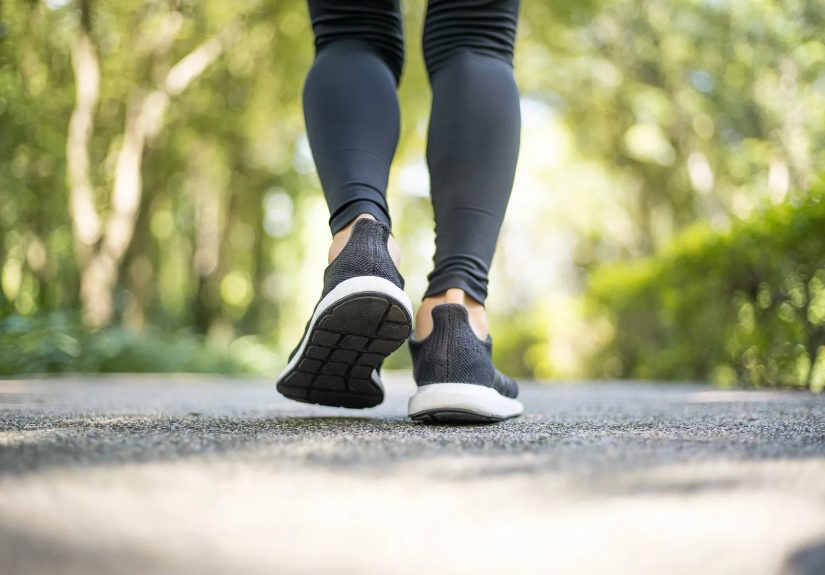
Trends are fun, but form keeps you comfortable. Strong walking technique usually looks simple: stand tall, keep your gaze forward, relax your shoulders, swing your arms naturally, and roll through the foot from heel to toe. If your neck is craned downward, your shoulders are climbing toward your ears, or your arms are doing absolutely nothing, your walk may be less efficient than it could be.
Also remember that progression should be gradual. Increase one variable at a time: pace, incline, duration, or load. Changing all four at once is a fine way to make your calves file a formal complaint.
A Sample Walking Week for Mixed Fitness Levels
Here is a simple example of how walking trends can fit together:
- Monday: 25-minute brisk walk
- Tuesday: 10 minutes of movement snacks spread through the workday
- Wednesday: 30-minute interval walk
- Thursday: Easy recovery walk or mindful evening stroll
- Friday: Incline treadmill walk or hill walk
- Saturday: Longer easy walk, Nordic walk, or light ruck for experienced walkers
- Sunday: Gentle walk and mobility work
This kind of structure keeps walking fresh and useful. It also reflects a smart truth about fitness: progress usually comes from doing enough, often enough, not from trying to become a legend every weekend.
The Real Secret Behind Walking Trends
Walking trends are popular because they make exercise feel possible again. They allow people to personalize intensity, respect limitations, and still get meaningful results. For beginners, walking can be the gateway to better health. For experienced exercisers, it can become serious training. For everyone else in the middle, it is one of the most realistic ways to stay active for life.
So yes, fitness trends will keep changing. There will always be a new challenge, a new gadget, or a new viral routine with a catchy name. But walking keeps winning because it is flexible, effective, and refreshingly low on nonsense. That is not boring. That is brilliant.
Real-World Experiences With Walking Trends for Every Fitness Level
What makes walking trends so appealing in real life is how quickly people realize they do not need to be “fitness people” to benefit from them. A beginner might start with a 10-minute walk after dinner because it feels manageable, and within a few weeks that short walk becomes a daily ritual. The physical change is one thing, but the bigger shift is often mental. Walking stops feeling like exercise punishment and starts feeling like personal reset time.
For desk workers, the experience is often less dramatic but just as meaningful. Someone who adds five-minute walks between meetings may notice fewer afternoon energy crashes, less stiffness in the hips and lower back, and a sharper sense of focus by the end of the day. These are not flashy gym transformations, but they are the kind of improvements that make daily life feel easier. And honestly, easier is underrated.
Intermediate walkers often discover that interval walking changes their relationship with effort. Instead of dragging through the same pace every day, they begin to play with speed and recovery. A fast minute followed by two easier minutes can make a walk more engaging and more athletic without crossing into miserable territory. Many people report that this style of training feels surprisingly empowering because it creates a sense of progress without demanding high-impact exercise.
Incline walking creates a different kind of experience. It tends to humble people very quickly, usually around the moment their calves begin writing strongly worded complaints. But it also gives walkers a clear sense that they are training with purpose. People who do not enjoy running often love incline walking because it feels tough, focused, and productive while still being lower impact. It can make a treadmill session feel like a workout rather than a scenic tour of absolutely nowhere.
For more advanced exercisers, rucking or weighted walking often feels functional in a way that machines and classes do not. Carrying load changes the walk from light cardio into something sturdier and more demanding. Many people like the simplicity of it. You put weight on your body, go outside, and work. But experienced walkers also learn quickly that smarter beats heavier. The best results come from gradual progression, not pretending you joined a military training montage overnight.
Older adults and balance-conscious exercisers often have especially positive experiences with Nordic walking. The poles can provide rhythm, confidence, and a sense of support, while also making the session feel more dynamic. Instead of simply “trying to stay active,” many walkers find that they feel stronger, steadier, and more connected to their movement. That confidence can be just as valuable as the workout itself.
And then there is mindful walking, which may be the most quietly powerful trend of all. People who feel overwhelmed, overstimulated, or permanently attached to a screen often discover that an easy walk without constant digital noise can improve their mood more than they expected. No leaderboard. No fancy metric. Just movement, breathing, and a little mental space. Sometimes the most impressive walking trend is the one that reminds you your body and brain both like being treated decently.
Conclusion
Walking trends are not just a passing fitness fad. They reflect something much bigger: people want exercise that is effective, flexible, and sustainable. Whether you prefer easy daily walks, brisk sessions, intervals, hills, walking breaks, Nordic walking, or a more advanced challenge like rucking, there is a version of walking that can match your fitness level right now.
The smartest approach is to choose the style that fits your body and your life, then build from there. You do not need to walk the fastest, the farthest, or with the most expensive gear. You just need a plan you can keep. Fitness is not won by finding the trendiest workout. It is won by finding the one you will still be doing next month.