Table of Contents >> Show >> Hide
- What Exactly Is a Vintage Rustic Brass Cauldron?
- A Short History Brewed in Brass
- How to Tell If Your Brass Cauldron Is the Real Deal
- Decorating with a Vintage Rustic Brass Cauldron
- Is It Safe to Cook in a Vintage Brass Cauldron?
- How to Clean and Care for a Rustic Brass Cauldron
- Where to Find a Vintage Rustic Brass Cauldron
- Real-Life Experiences with Vintage Rustic Brass Cauldrons
- Final Thoughts
Few decor pieces say “I thrifted this and I have my life at least visually together”
quite like a vintage rustic brass cauldron. It’s small enough to sit on a shelf, heavy enough
to feel legit, and charming enough to look like it has at least three good stories and
one mild haunting behind it. Whether you’re into witchy aesthetics, cozy cottage vibes,
or just love a good patina, a brass cauldron is one of those objects that can anchor a room.
In this guide, we’ll walk through what makes a vintage rustic brass cauldron special, how to
tell if yours is real brass, ways to style it in your home, how to clean and care for it
without destroying that precious aged look, and some real-life experiences from people who
actually live with these little metal cauldrons every day.
What Exactly Is a Vintage Rustic Brass Cauldron?
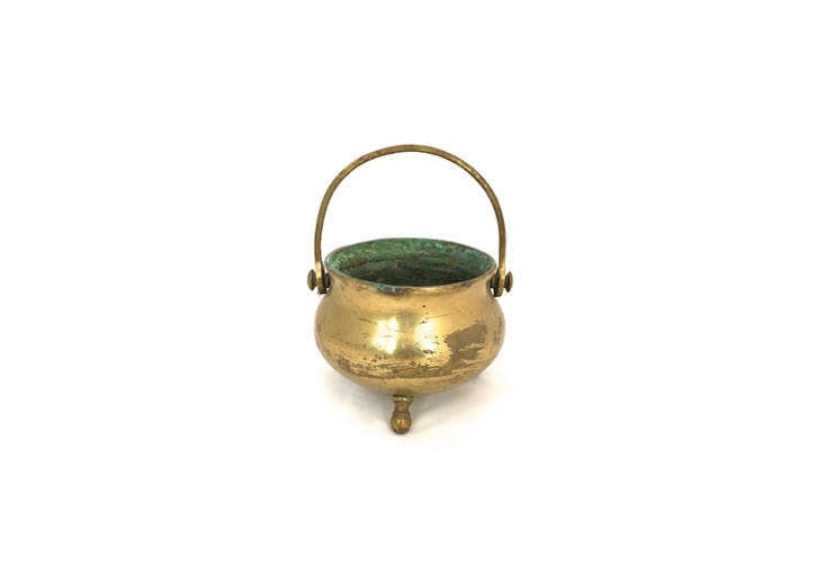
A vintage rustic brass cauldron is typically a small to medium-sized rounded pot made
from brass, often with a bail handle and sometimes with three little feet. You’ll see them
sold as planters, incense burners, smudge pots, altar bowls, fire starters, or simply
“decorative cauldrons.” They show up in boho interiors, gothic nooks, farmhouse mantels,
and yes, all over witchy Pinterest boards.
Key Features to Look For
- Material: Brass (an alloy of copper and zinc) with a warm golden tone that often darkens over time.
- Patina: Darkened areas, uneven color, and sometimes greenish hints where the metal has oxidized.
- Shape: Rounded or bulbous body, often with a slightly flared rim, and either three feet or a flat base.
- Handle: A curved handle for hanging or carrying, sometimes riveted on with visible hardware.
- Wear: Light dings, scratches, and scuffs that suggest real use and age rather than factory distressing.
When sellers describe pieces as “rustic,” they usually mean they’re not polished to a mirror
shine. You’ll see surface scratches, spots of discoloration, and a lived-in glow instead
of flawless perfection – which is exactly what many collectors want.
A Short History Brewed in Brass
The image of a cauldron is ancient: big iron pots over open fires in kitchens, hearths, and
outdoor campsites. Brass versions tend to be smaller and more decorative, especially from
the late 19th and 20th centuries when brass homewares were popular as both functional
cookware and display pieces.
Over time, as open hearth cooking faded, brass cauldrons shifted from strict utility to
aesthetic and ritual use. Today, many “vintage brass cauldrons” on the market are repurposed
planters, incense burners, or decorative bowls originally made in India, Europe, or the U.S.,
now beloved for their moody patina and old-world charm.
How to Tell If Your Brass Cauldron Is the Real Deal
Before you proudly announce to guests, “This is solid brass,” it helps to be sure it’s not
just brass-plated mystery metal with commitment issues.
Check the Weight and Color
Solid brass feels substantial for its size. When you pick up a genuine piece, there’s a
satisfying heaviness. The color usually ranges from golden yellow to a deeper, slightly
reddish tone, depending on the alloy and how much it’s aged. Brass plating over a cheaper
base metal can sometimes feel lighter or oddly thin when tapped.
The Magnet Test
A simple at-home test is to use a magnet. Real brass is not magnetic. If a magnet sticks
firmly to your “brass” cauldron, chances are it’s brass-plated steel or another ferrous
metal underneath. If the magnet doesn’t stick, that’s a good sign you’re dealing with
solid brass or a non-magnetic base.
Patina, Wear, and Maker’s Marks
True vintage brass usually has uneven patina: dark patches, softer golden highlights on
high-touch areas, and maybe a little green verdigris in crevices. Look for:
- Signs of handwork: Slight asymmetry, tool marks, and non-perfect curves.
- Wear in logical places: Handle attachment points, rim, and feet.
- Stamps or marks: Country of origin, maker’s name, or numbers that can hint at age.
You can also gently scratch a tiny hidden area (like under a foot) with a pin or knife. If
the metal underneath is still yellow-gold, it’s likely brass all the way through. If it
shows silver or a different color, you’re looking at brass plating. Do this carefully and
only on low-value or already damaged pieces.
Decorating with a Vintage Rustic Brass Cauldron
The best part of owning a brass cauldron? Actually using it. Fortunately, these pieces are
wildly versatile and fit into multiple decor styles.
In the Kitchen
- Use a small brass cauldron as a countertop catchall for garlic bulbs, shallots, or loose tea sachets.
- Fill it with wooden spoons by the stove for a cozy, old-world cook’s corner.
- Place it on a shelf with copper pans and stoneware crocks for layered texture and shine.
Just keep in mind that most vintage brass pieces were not designed to meet modern food-safety
standards, so treat them more as containers for wrapped or dry goods rather than direct cookware.
In the Living Room
- Turn a footed cauldron into a candle vessel by setting a large pillar candle inside (with a heat-safe liner).
- Use it as a mini planter for trailing plants like ivy or string-of-pearls (with a plastic pot or liner inside).
- Cluster it with brass candlesticks, vintage books, and a small framed print for an instant styled vignette.
Outdoors and in the Garden
If your cauldron is heavily patinated and structurally sound, it can be beautiful outdoors:
- Fill with herbs on a balcony or patio.
- Use as a small birdseed or water station (just clean and refill regularly).
- Set it on a stone step or garden table with moss and small succulents for fairy-garden vibes.
Brass can weather further outside, so expect more patina and possible verdigris over time. If
you love that aged look, it’s a win. If not, keep outdoor exposure limited.
Spiritual, Ritual, and Seasonal Decor
Brass cauldrons have become popular for spiritual and ritual practices: holding incense,
herbs, small candles, or crystals on an altar. They also shine during fall and Halloween:
- Fill with candy for trick-or-treaters or movie nights.
- Create a centerpiece with mini pumpkins, dried oranges, and eucalyptus.
- Use it as a “wish bowl” where guests drop written intentions or gratitude notes.
You get all the witchy aesthetic without having to memorize a single spell – unless you
count “abracadabra, my house is finally cute.”
Is It Safe to Cook in a Vintage Brass Cauldron?
Short answer: usually not recommended, especially for acidic foods or long simmering.
Brass can contain trace amounts of lead or other metals in older alloys, and without a
modern food-safe lining, it isn’t ideal for cooking or serving highly acidic dishes.
Unless you know the piece’s exact composition and whether it has a safe lining, treat
your vintage cauldron as decorative or for dry, non-edible items only.
Using it for wrapped candies, tea lights, dried herbs, or potpourri? Totally fine. Simmering
tomato soup in it over an open flame? Maybe not your best life choice.
How to Clean and Care for a Rustic Brass Cauldron
The goal with a vintage rustic brass cauldron is usually to keep the character while
preventing actual grime from taking over. You want “charming patina,” not “was this buried
in a swamp?”
Step 1: Gentle Routine Cleaning
Start with the mildest method possible:
- Dust regularly with a soft microfiber cloth.
- For fingerprints and light dirt, use a solution of mild soap and warm water on a soft cloth, then wipe and dry thoroughly.
- Never soak the whole cauldron in water; just spot-clean and dry to avoid trapped moisture and corrosion in joints or seams.
Step 2: Dealing with Tarnish (If You Really Must)
Tarnish is part of the charm, but if things have gone from “moody” to “muddy,” you have options:
- Brass polish: A small amount of commercial brass polish on a cotton cloth can brighten the surface. Go slowly and test a hidden area first.
- Mild acidic pastes: Some people use gentle DIY mixes (like vinegar, a tiny bit of salt, and flour) to lift tarnish. Rinse quickly and dry thoroughly afterward.
- Clean around patina: You can selectively clean high spots and leave recesses dark to keep the aged look.
If your cauldron has a lacquered finish, stick to warm soapy water and a soft cloth. Polishes
or abrasive methods can damage the clear coating that’s protecting the metal underneath.
Step 3: What Not to Do
- Don’t attack old brass with steel wool or harsh abrasive pads.
- Avoid aggressive household hacks that use strong acids or gritty pastes.
- Don’t put your cauldron in the dishwasher. Ever. That’s how horror stories start.
Storing and Displaying Your Cauldron
- Store in a dry area away from constant humidity.
- Use felt pads under the feet to protect shelves or wood surfaces.
- Avoid direct contact with damp soil if using as a planter; instead, keep the actual plant in a plastic pot set inside.
Where to Find a Vintage Rustic Brass Cauldron
If you’re ready to adopt a little metal cauldron of your own, there are plenty of places to look:
- Thrift and charity shops: Check the metalware and planter sections.
- Antique malls and vintage stores: Often have brass pieces grouped together.
- Flea markets and estate sales: Great for heavier, older items with plenty of patina.
- Online marketplaces: Search “vintage brass cauldron,” “brass smudge pot,” or “footed brass planter.”
When buying online, look closely at photos: you want clear shots of the interior, handle
attachments, and base. Check descriptions for notes about dents, cracks, heavy corrosion,
or repairs. Light wear is expected; crumbling metal is a different story.
Real-Life Experiences with Vintage Rustic Brass Cauldrons
Owning a vintage rustic brass cauldron is one of those small lifestyle shifts that doesn’t
change your whole life, but it does quietly upgrade the mood of your space. Here are some
lived-in experiences and tips that often come up among collectors and decor lovers.
First, most people underestimate how versatile these little pots are. Someone buys one
thinking “cute Halloween bowl,” and a year later it’s been a fall centerpiece, a Christmas
ornament holder, a spring planter for tulips, and a summer catchall on the porch table.
Once you have it, you start seeing new uses every season. It becomes your go-to styling
piece when a corner looks empty or a shelf needs something round and shiny.
Another common experience: the patina slowly grows on you. Many new owners start by planning
to polish their cauldron to a bright, brassy shine. Then they live with the existing patina
for a little while and realize it actually works better with their space. That uneven,
timeworn finish softens bright white rooms, adds depth to minimalist interiors, and makes
brand-new furniture look less “just delivered.” Plenty of people end up gently dusting
their cauldron and never polishing it at all.
There’s also the emotional side. A brass cauldron is small, but it carries a story. Maybe
it came from your grandmother’s house, a road trip flea market, or a weirdly perfect
Sunday-morning thrift find. Because it’s not a mass-produced big-box item you grabbed
last week, it tends to feel more personal. People remember where they got it. Guests ask
about it. It becomes part of the narrative of your home – the tiny “magic pot” that’s
always somewhere in the background.
Decor-wise, people who style their homes a lot quickly realize a brass cauldron is an
anchor piece. It works in layered, maximalist spaces full of books and textiles, but it
also holds its own in very curated rooms with just a few statement objects. One day it’s
filled with matches next to the fireplace; another day it’s holding sage bundles and
incense on a console. The same piece easily straddles rustic farmhouse, boho eclectic,
and dark academia.
On the practical side, there are a few “lessons learned” that show up repeatedly:
- Don’t plant directly into it unless you’re okay with more patina and potential staining inside.
- Use liners or separate pots for soil and water; brass and constant moisture are not a dream couple.
- If you burn incense or sage in it, place a bit of sand or a heat-safe dish inside to protect the metal.
Many owners also mention that their brass cauldron is the one decor item that keeps moving
around. It rarely stays in one spot for long. It migrates from coffee table to mantel,
from entryway to dining table, always adapting to whatever the home needs at that moment.
In that sense, it becomes less like an object and more like a flexible styling tool you
instinctively reach for.
Over time, the combination of weight, warmth, and history gives a vintage rustic brass
cauldron a quiet presence – the kind you notice most when you imagine your space without
it and think, “Something’s missing.” It’s a small investment with a surprisingly big
payoff in character.
Final Thoughts
A vintage rustic brass cauldron is more than a cute prop. It’s a durable, adaptable,
personality-packed piece that can grow with your home and style. Learn how to identify
real brass, treat the patina with respect, and use it creatively throughout the year, and
you’ll get decades of charm from one small pot.
Whether you’re after cozy cottage vibes, witchy altar energy, or just a handsome place to
stash your keys, a brass cauldron delivers. It’s proof that sometimes the best decor
isn’t new, it’s old – and just waiting for its next chapter on your shelf.