Table of Contents >> Show >> Hide
- What Makes a Vintage Afghan Pillow Feel So Special?
- The Power of the Pink, Black, and White Color Palette
- Materials, Texture, and Why Vintage Often Wins
- How to Style a Vintage Nuristan Afghani Pillow Without Overdoing It
- What to Look for Before You Buy
- How to Care for a Vintage Wool Pillow
- Why This Kind of Pillow Works in Modern Homes
- The Experience of Living With a Vintage Nuristan Afghani Pillow
- Final Thoughts
- SEO Tags
Note: Body-only HTML draft in standard American English with SEO JSON at the end.
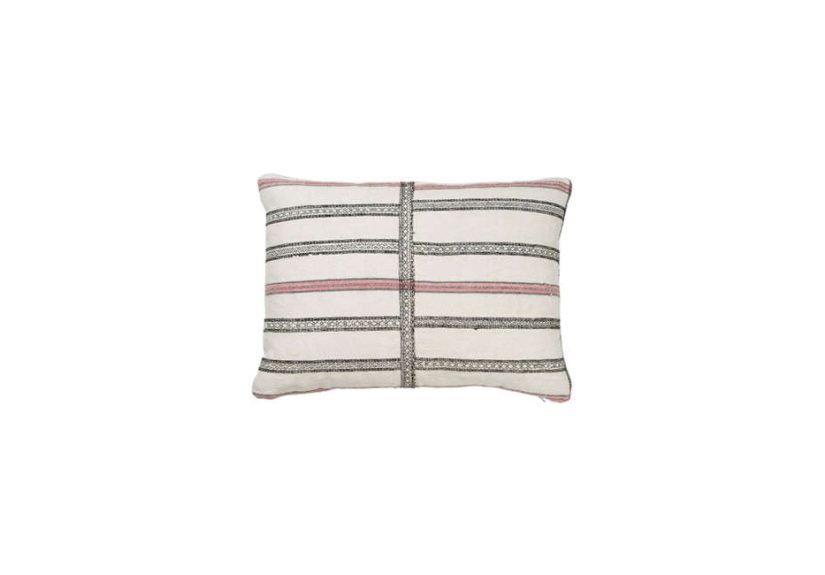
Some décor pieces whisper. This one absolutely does not. A Vintage Nuristan Afghani Pillow Pink/Black/White walks into a room the way a very stylish guest walks into a dinner party: quietly, but with enough confidence that everybody notices. It brings pattern, history, texture, and a little bit of “Where on earth did you find that?” energy to a sofa, reading chair, or bed.
That is the magic of a vintage Afghan textile pillow. It is not just a cushion cover pretending to be interesting. It is a compact design statement built from wool, structure, and character. The pink, black, and white palette gives it a striking balance. Pink softens the mood, black gives the pattern backbone, and white keeps everything from feeling visually heavy. Together, those colors can look bohemian, collected, modern, rustic, or globally inspired depending on what you pair them with.
In many homes, the difference between “nicely decorated” and “wow, this room has a point of view” comes down to textiles. Rugs, pillows, throws, and upholstery do the emotional heavy lifting. A vintage Afghan pillow is especially good at that job because it combines handwoven texture with geometric rhythm and just enough irregularity to feel human. Translation: it has soul, and it has better stories than most mass-produced accent pillows sitting under fluorescent lighting in giant warehouses.
What Makes a Vintage Afghan Pillow Feel So Special?
The appeal starts with the textile itself. Afghan weaving traditions are widely associated with wool, tribal and village production, and strong graphic pattern language. Historically, many Afghan carpets were woven on horizontal looms and made primarily from wool, which helped create durable textiles with a distinct hand and character. When a vintage rug or flatwoven fragment is later turned into a pillow, that craftsmanship gets scaled down into something practical for everyday use.
A pillow like this often feels more substantial than ordinary décor-store cushions because the face fabric may come from a handwoven textile with real density. You can usually see it in the pattern definition, the slight variation in lines, and the tactile surface. It does not look laser-perfect, and that is precisely why it works. Handcrafted pieces have movement. They keep a room from feeling like it was assembled by someone who believes personality is a scheduling conflict.
The word Nuristan adds intrigue. Nuristan is a historic, mountainous region in eastern Afghanistan, and the name carries a strong sense of place. In retail descriptions, however, regional labels should be treated carefully unless a seller provides reliable provenance. In other words, the title may signal an Afghan regional reference, an aesthetic lineage, or a dealer’s classification rather than museum-level proof of origin. That does not make the pillow less beautiful; it just means smart buyers appreciate romance and receipts in equal measure.
The Power of the Pink, Black, and White Color Palette
Let’s talk color, because this palette deserves its own fan club. Pink, black, and white is one of those combinations that sounds slightly dramatic on paper and then turns out to be extremely useful in real rooms. Pink brings warmth and a lived-in softness. Black sharpens motifs and adds contrast. White or ivory opens the design and gives the eye a place to rest.
In a neutral room, this pillow becomes the spark plug. On a tan linen sofa, it introduces pattern without demanding a total makeover. On a black accent chair, it creates contrast and keeps the chair from reading too severe. On white bedding, it becomes a focal layer that feels thoughtful rather than random. It can even bridge different styles in the same room: rustic wood, modern metal, vintage ceramics, and tailored upholstery all tend to get along better when a strong textile ties the conversation together.
The best part is that the palette is expressive without being chaotic. You are not trying to coordinate nineteen colors and a family argument. You are working with a tight scheme that still feels layered because the woven texture adds depth beyond the color itself.
Where This Palette Works Best
A pink, black, and white vintage pillow shines in spaces that need contrast and texture more than they need more furniture. It works beautifully in a living room with cream upholstery, a bedroom that leans minimal but not sterile, a reading nook with walnut or oak accents, or even an entry bench that needs a little personality boost.
It is also ideal for people who love collected interiors but fear clutter. One strong pillow can do the work of five bland ones. That is efficient decorating, and frankly, your future self will thank you when it is time to fluff less and live more.
Materials, Texture, and Why Vintage Often Wins
Many Afghan textiles are associated with wool, and wool is one of the reasons vintage pillows feel so rich. It has natural body, warmth, resilience, and a slightly matte finish that photographs well and lives even better. High-quality wool also tends to age gracefully, especially when the textile has already mellowed into that gently softened look vintage lovers chase.
Depending on the piece, you may also find cotton on the back, cotton warps in the original textile, or a newer cotton lining and zipper added during the pillow conversion process. That combination is practical: the front preserves the character, while the back makes the pillow easier to use in everyday life.
Dyes matter too. Some Afghan pieces have roots in natural dye traditions using sources such as indigo for blue and madder for red tones, while later textiles may include synthetic dyes that became common over time. That is not automatically a bad thing. Synthetic dyes are part of the history of textile production too. What matters more is color stability, condition, and whether the textile has been handled and finished well.
Vintage also wins on one quality new décor often struggles to fake: patina. Slight abrash, softened edges, small irregularities, and subtle variation in color can make a pillow feel layered before you even style it. It looks collected, not manufactured to look collected, which is an important distinction. One feels like a home. The other feels like a staged apartment waiting for someone to compliment the fruit bowl.
How to Style a Vintage Nuristan Afghani Pillow Without Overdoing It
Great styling is not about piling on pillows until the sofa files a formal complaint. It is about balance. A vintage Afghan pillow already has strong pattern and texture, so it works best when the surrounding textiles support it instead of trying to audition for the same role.
On a Sofa
Start with one or two statement pillows, not a mountain range. If your sofa is solid beige, ivory, charcoal, or camel, this pillow can be the patterned anchor. Pair it with a quieter companion pillow in linen, velvet, bouclé, or washed cotton. The contrast in texture keeps the arrangement interesting, while the simpler partner prevents the setup from feeling visually noisy.
On a Bed
Use it as the finishing layer in front of sleeping pillows and larger shams. The geometric energy of a vintage Afghan pillow looks especially good against crisp white bedding, muted pink quilts, or black-and-cream striped throws. It says, “I have taste,” without saying, “I alphabetize my decorative objects.”
In an Accent Chair or Bench
A single pillow can completely change the mood of a chair. If the chair is leather, the woven face adds softness and depth. If the chair is upholstered, the pillow can introduce a more collected, traveled look. On a bench, it keeps the space from feeling flat and purely functional.
With Other Patterns
Mixing patterns is not sorcery. Keep one variable consistent. That could be color family, pattern scale, or overall mood. If your pillow has small geometric motifs, pair it with a larger stripe or a subtle solid texture. If you bring in more color, let the pattern scale stay relatively controlled. Texture can do a lot of the mixing work when color is already active.
What to Look for Before You Buy
A beautiful listing title is nice, but buyers should look beyond pretty words. Start with materials. Is the front actually wool or handwoven textile? Is the back newly finished in cotton or linen? Does it include the insert, or is it a cover only? Dimensions matter too. A long lumbar shape gives a different look than a square format, and size can determine whether the pillow feels tailored or awkward.
Next, inspect condition. Vintage textiles can have fading, repairs, small worn areas, or irregular edges. None of those are deal-breakers if they are disclosed and reflected in the price. In fact, minor wear may be part of the charm. What you do not want is surprise damage, unstable seams, strong odor, active dye bleed, or a seller who thinks “vintage condition” is a personality type rather than useful information.
Ask about the textile source. Is the pillow made from an older rug fragment, flatweave panel, or a newer textile in vintage style? Is there any provenance on age or region? Honest sellers usually explain what they know and what they do not. That is a good sign.
Also pay attention to the finishing details. A well-made pillow cover should have secure seams, a quality zipper, and a back fabric that complements the face. The front may be rugged, but the construction should not be held together by wishful thinking and two dramatic stitches.
How to Care for a Vintage Wool Pillow
This is the section where I lovingly ask you not to treat a handwoven vintage pillow like a gym towel. Wool and older textiles need a gentler approach. Regular maintenance is simple: vacuum lightly with care, keep dust from building up, and address spills quickly. Do not scrub aggressively. That is a fast way to damage fibers and potentially disturb dyes.
Spot-clean first and always test for colorfastness in an inconspicuous area. Some wool textiles, especially those with excess dye, can bleed if they get too wet. For many vintage or wool pillow covers, hand cleaning or professional textile care is safer than tossing them into a washing machine and hoping for a miracle.
Sunlight is another quiet troublemaker. Prolonged direct light can fade and weaken textiles over time, so rotate the pillow occasionally and avoid leaving it in a bright sunbeam every afternoon. Yes, the sunlight may be beautiful. It is also a tiny, glowing villain with excellent PR.
Moisture and storage matter as well. Wool textiles dislike damp conditions, and pests such as carpet beetles also love neglected natural fibers. Keep the pillow clean, dry, and well ventilated. If you store it, use breathable materials and avoid plastic traps that hold moisture. Good housekeeping is not glamorous, but neither is discovering that insects have taken an unhealthy professional interest in your décor.
Why This Kind of Pillow Works in Modern Homes
One reason vintage Afghan pillows have staying power is that they solve a very modern decorating problem: how to make a room feel personal when so many interiors begin with the same large retailers, same neutral sofas, and same algorithm-approved lighting. A piece like this interrupts that sameness in the best possible way.
It brings age into new rooms, geometry into soft rooms, softness into stark rooms, and story into polished rooms. It can live comfortably with Scandinavian oak, English-inspired florals, desert neutrals, contemporary black metal, or eclectic flea-market finds. That flexibility is rare. Most décor either blends in too much or shouts too loudly. This kind of pillow lands in the sweet spot: memorable, useful, and visually smart.
It also speaks to a broader move toward layered interiors. People want spaces that feel assembled over time, not ordered in a single online panic at 11:47 p.m. A vintage pillow helps create that impression because it carries the visual complexity of handmade work. You do not have to explain it. The room just feels better.
The Experience of Living With a Vintage Nuristan Afghani Pillow
The experience of owning a Vintage Nuristan Afghani Pillow Pink/Black/White is less about having a decorative object and more about changing the atmosphere of a room in a surprisingly human way. At first, it may seem like a small addition. It is only a pillow, after all. Then you place it on a sofa, step back, and suddenly the whole room looks more intentional. The bland corner becomes a reading nook. The overly tidy bed becomes layered and welcoming. The chair no one sat in becomes the chair everyone notices.
One of the most enjoyable parts of living with a vintage textile pillow is the texture. Mass-produced pillows often look fine from across the room but lose their charm up close. A vintage Afghan piece usually does the opposite. The closer you get, the more interesting it becomes. You notice the woven structure, tiny shifts in color, subtle irregularities in pattern, and the way the wool catches light without looking shiny or artificial. It has presence. It feels made, not merely manufactured.
There is also a quiet emotional pleasure in decorating with something that feels connected to a larger craft tradition. Even when you do not know every detail of the textile’s exact journey, you can still feel the difference between a hand-touched object and a factory-perfect replica. That difference changes the mood of a space. Rooms with vintage textiles often feel warmer, more settled, and less afraid of real life. They invite people to sit down, lean back, and stay awhile.
This particular color combination makes the experience even better. Pink keeps the pillow from feeling too stern or overly rustic. Black grounds it. White brightens it. During the day, it can make a neutral room feel more alive. At night, under softer lighting, it often reads richer and moodier, almost like the room put on better jewelry after dinner. It is decorative, yes, but never flimsy. Charming, but not precious.
Another experience people often mention with vintage pillows is that they become conversation starters without trying too hard. Guests ask about them. They touch the fabric. They want to know where you found them. This is not the same reaction you get from a generic accent pillow bought in a six-pack. A vintage Afghan pillow has personality. It has enough detail to draw attention, but it does not hijack the room. It simply gives the space a pulse.
Over time, the pillow can become one of those pieces you move from room to room because it works everywhere. It starts on the sofa, then migrates to the bed for winter, then lands on a bench in the entry when you want the house to feel refreshed without buying anything new. Good textiles are versatile like that. They adapt. They keep earning their place.
Perhaps the best experience of all is that a pillow like this encourages slower decorating. It reminds you that not every corner needs to be filled immediately and not every room needs an instant “after” photo. Sometimes one well-chosen piece can guide the entire mood of a home. That is what a vintage Nuristan Afghani pillow can do. It brings texture, history, softness, and visual confidence into everyday life. Not bad for something people are technically allowed to nap on.
Final Thoughts
A Vintage Nuristan Afghani Pillow Pink/Black/White is more than a pretty accent. It is a design tool, a tactile experience, and a shortcut to a room that feels layered instead of flat. With its mix of wool texture, geometric pattern, and versatile color contrast, it can anchor a sofa, elevate a bed, or breathe life into a forgotten chair. The best examples feel collected, not contrived.
Buy with a careful eye, style it with restraint, and care for it like the textile piece it is. Do that, and this pillow will reward you with the kind of charm that mass-market décor spends a lot of time trying, and often failing, to imitate.