Table of Contents >> Show >> Hide
- Why Vegetable Recipes Belong in Your Regular Rotation
- The Golden Rules of Better Vegetable Cooking
- 8 Vegetable Recipes Worth Making Again and Again
- How to Keep Vegetable Recipes Interesting
- Common Mistakes That Ruin Vegetable Recipes
- Why the Best Vegetable Recipes Feel Generous, Not Restrictive
- My Experience with Vegetable Recipes
- SEO Tags
Vegetable recipes have come a long way from the tragic side dish era, when broccoli showed up gray, carrots tasted like punishment, and Brussels sprouts had all the charm of wet socks. Today, vegetables are the main event, the crispy-edged heroes of sheet-pan dinners, the smoky stars of backyard grills, and the flavor bombs hiding in soups, tacos, pasta, bowls, and salads. In other words, this is a very good time to stop treating vegetables like the opening act and start giving them headline status.
The best vegetable recipes do two things at once: they make produce taste fantastic, and they make cooking feel easier, not fussier. A hot oven, a confident amount of seasoning, and a little contrast from acid, herbs, cheese, nuts, or sauce can turn humble vegetables into meals that actually make people excited to eat dinner. Even the person who once claimed to “not like squash” can be converted with the right recipe. Miracles happen every day.
This guide covers the techniques that make vegetable recipes work, plus a collection of practical, flexible ideas you can put on repeat. These are not fussy restaurant formulas or precious “three leaves on a plate” situations. These are real, flavorful, easy vegetable recipes built for busy weeknights, meal prep, family dinners, and those moments when your refrigerator is full of produce and your ambition is hanging on by a thread.
Why Vegetable Recipes Belong in Your Regular Rotation
Vegetables are one of the most versatile ingredients in any kitchen. They can be roasted, sautéed, grilled, steamed, braised, blended, stuffed, smashed, and tossed into everything from grain bowls to casseroles. They work as side dishes, yes, but also as complete meals when paired with pasta, rice, beans, eggs, or crusty bread. The secret is not using more vegetables in a joyless way. The secret is cooking them so they taste like something you’d crave on purpose.
Another reason vegetable recipes win: they’re adaptable. Fresh vegetables are wonderful, but frozen vegetables can absolutely pull their weight on a hectic Tuesday. Canned tomatoes, jarred roasted peppers, frozen peas, and pantry beans all help stretch a vegetable-forward meal without making you chop like a competitive cooking show contestant. If your produce drawer is a chaotic mix of zucchini, carrots, bell peppers, mushrooms, and one lonely onion, congratulations: you are already halfway to dinner.
The Golden Rules of Better Vegetable Cooking
1. Use the right cooking method for the job
Watery vegetables like zucchini, mushrooms, and eggplant benefit from high heat so they brown instead of going soft and sad. Dense vegetables like carrots, potatoes, cauliflower, and winter squash need enough time to become tender inside while developing caramelized edges outside. Green vegetables such as asparagus, green beans, and broccoli cook more quickly and shine when they stay crisp-tender instead of crossing into mush territory.
2. Give vegetables room to breathe
Overcrowding is the silent villain of bad vegetable recipes. If everything is piled together, moisture gets trapped, and the vegetables steam instead of roast. Spread them in a single layer, use a second pan when needed, and let hot air do its thing. Crispy edges are born from space, not optimism.
3. Season early, finish smart
Salt before cooking helps vegetables taste like themselves, only louder. After cooking, a quick splash of lemon juice, a drizzle of vinegar, a spoonful of yogurt sauce, or a handful of herbs brightens everything. That final touch is often the difference between “pretty good” and “who made this?”
4. Mix textures and flavors
Vegetables love contrast. Sweet roasted carrots become more interesting with tangy feta. Crispy cauliflower gets better with creamy sauce. Smoky grilled zucchini wakes up with fresh mint. A crunchy topping like toasted almonds, pistachios, breadcrumbs, or pumpkin seeds can rescue a dish from monotony in seconds.
8 Vegetable Recipes Worth Making Again and Again
1. Sheet-Pan Roasted Rainbow Vegetables
This is the little black dress of vegetable recipes: simple, reliable, and somehow appropriate for nearly every occasion. Toss chunks of carrots, bell peppers, red onion, zucchini, and broccoli with olive oil, salt, pepper, garlic powder, and a pinch of paprika. Roast until browned and tender, then finish with lemon juice and chopped parsley.
Serve it with roast chicken, spoon it over quinoa, fold it into pasta, or top it with a fried egg. It also makes your refrigerator look like you have your life together, which is a nice bonus.
2. Crispy Cauliflower Tacos with Lime Yogurt
If you think cauliflower is boring, it has clearly not met taco night. Coat cauliflower florets in olive oil, chili powder, cumin, smoked paprika, salt, and a little cornstarch for extra crispness. Roast until deeply golden. Pile into warm tortillas with shredded cabbage, avocado, pickled onions, and a quick lime-yogurt sauce.
These tacos hit every note: crunchy, creamy, spicy, tangy, and satisfying enough that nobody will ask where the meat is. If they do ask, hand them another taco and let the food answer for you.
3. Garlic Green Beans with Toasted Almonds
This recipe proves that vegetable side dishes do not need a dramatic backstory. Blanch or steam green beans until crisp-tender, then sauté them quickly with olive oil, sliced garlic, red pepper flakes, and a squeeze of lemon. Finish with toasted almonds for crunch.
It’s fast, bright, and elegant enough for a holiday table but easy enough for a Wednesday when your patience is low and your sink is already too full.
4. Zucchini, Corn, and Tomato Skillet Pasta
This is one of those vegetable recipes that feels like summer in a bowl. Sauté zucchini in a hot skillet until lightly golden, then add corn kernels, cherry tomatoes, garlic, and a pinch of red pepper flakes. Toss with cooked pasta, a splash of pasta water, grated Parmesan, basil, and black pepper.
The tomatoes soften into a light sauce, the corn adds sweetness, and the zucchini becomes silky instead of soggy. It is cheerful, fast, and dangerously easy to eat straight from the pan.
5. Roasted Carrot Soup with Ginger
Roasting vegetables before blending them into soup is one of the easiest flavor upgrades in the kitchen. Roast carrots, onion, and garlic until caramelized, then simmer briefly with broth and fresh ginger. Blend until smooth and finish with a swirl of yogurt or coconut milk.
This soup tastes cozy without being heavy. Serve it with crusty bread, grilled cheese, or a simple salad and suddenly you are the kind of person who “throws together” lovely lunches.
6. Smoky Grilled Vegetable Platter
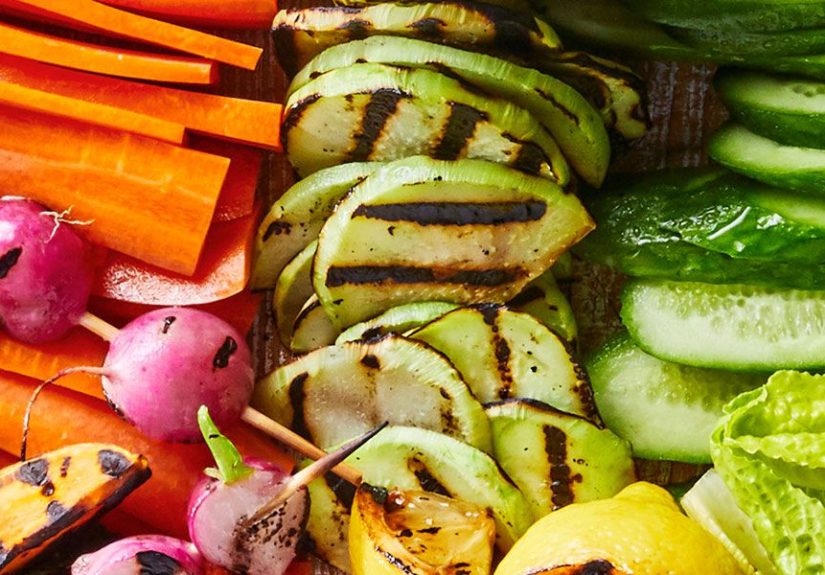
When the grill is hot, vegetables should absolutely get invited to the party. Slice eggplant, zucchini, peppers, onions, and mushrooms; brush with oil; season well; and grill until charred and tender. Arrange on a platter with fresh herbs and a balsamic drizzle or tahini sauce.
This works as a side dish, sandwich filling, grain bowl topper, or lazy-person appetizer with a loaf of bread. It also looks far fancier than the amount of effort required, which is the sweet spot of smart cooking.
7. Vegetable Fried Rice
Cold rice and leftover vegetables are the beginning of excellent decisions. Stir-fry carrots, peas, mushrooms, cabbage, scallions, or whatever needs using up in a hot pan with a little oil. Add cold rice, soy sauce, sesame oil, and scrambled egg if you like. Toss until everything is hot and lightly crisp.
This recipe is the patron saint of fridge clean-out dinners. It is fast, flexible, deeply comforting, and nearly impossible to mess up unless you wander away and forget the pan exists.
8. Roasted Vegetable Grain Bowl
For a dinner that feels healthy without tasting like a compromise, build a grain bowl. Start with farro, brown rice, or quinoa. Add roasted sweet potatoes, chickpeas, cauliflower, or Brussels sprouts. Finish with greens, crunchy seeds, and a punchy sauce like lemon tahini, herby yogurt, or pesto.
This is one of the best vegetable recipes for meal prep because each component can be made ahead. It also solves the eternal dinner question: “What am I supposed to do with these vegetables?” Answer: put them in a bowl and top them with sauce until life improves.
How to Keep Vegetable Recipes Interesting
Variety matters. Rotate colors, textures, and cooking styles instead of making the same roasted broccoli every week until your household stages an intervention. One week, go sweet and earthy with carrots, beets, and balsamic. The next, aim smoky and savory with mushrooms, peppers, and cumin. Then pivot to fresh and bright with green beans, peas, mint, and lemon.
Sauces help more than people realize. A tray of roasted vegetables can become three different meals depending on what lands on top. Pesto makes it feel summery. Tahini makes it nutty and rich. Salsa verde sharpens everything. Ranch-y yogurt dressing pleases picky eaters. Chili crisp wakes up almost any vegetable that has ever felt underdressed.
Don’t forget the power of a supporting cast. Cheese, toasted nuts, breadcrumbs, cooked grains, beans, herbs, citrus zest, and pickled onions all bring personality. Vegetables do not need rescuing, but they do enjoy good company.
Common Mistakes That Ruin Vegetable Recipes
Using too little heat
If your vegetables are limp and pale, the oven may not be hot enough. Higher heat encourages browning and concentrates flavor, especially for roasting.
Cutting everything the same when it shouldn’t be
Uniform cuts help vegetables cook evenly, but different vegetables cook at different speeds. Dense root vegetables may need smaller pieces or an earlier start than quick-cooking asparagus or zucchini.
Forgetting acid
Vegetable recipes can taste flat when they’re all salt, oil, and browning. A squeeze of lemon or a splash of vinegar at the end adds lift and balance.
Undersalting
Vegetables need seasoning. Salt doesn’t hide their flavor; it reveals it. Without enough seasoning, even beautifully cooked vegetables can taste dull.
Why the Best Vegetable Recipes Feel Generous, Not Restrictive
The strongest vegetable recipes are not lectures disguised as dinner. They are colorful, flavorful, flexible meals that happen to be built around produce. They make room for joy, crunch, creaminess, spice, comfort, and a little kitchen improvisation. They welcome frozen peas, imperfect carrots, extra herbs, leftover rice, and the random half zucchini that has been quietly judging you from the crisper drawer.
That’s the real beauty of cooking vegetables well. It is practical and creative at the same time. You can feed people affordably, waste less produce, eat more variety, and still make food that tastes generous and satisfying. No tiny portions. No bland “health food” energy. Just genuinely good meals that happen to feature vegetables in all their crispy, silky, smoky, saucy glory.
My Experience with Vegetable Recipes
For a long time, I thought vegetable recipes belonged in one of two categories: suspiciously virtuous or aggressively beige. Either they arrived with the energy of a wellness lecture, or they were boiled into submission and served like an apology. My opinion started changing the moment I learned that vegetables are not difficult; they are just wildly unimpressed by lazy cooking. Once I began roasting them properly, seasoning them like I meant it, and giving them contrast with acid, herbs, or crunch, the whole category transformed.
One of my first turning points was a sheet pan of carrots, broccoli, and red onion that came out of the oven with actual caramelized edges. It sounds small, but it felt revolutionary. The broccoli tips were crisp, the onions were sweet, and the carrots tasted deeper and richer than any steamed version I had ever eaten. I remember standing in the kitchen, stealing pieces directly from the pan, pretending I was “just checking for doneness” while clearly eating half the tray. That was the night I realized vegetable recipes could be the thing you wanted most on the table, not the thing you politely served beside the main event.
Since then, vegetable cooking has become one of the most useful skills in my kitchen. It helps on the busiest nights because a pile of vegetables, olive oil, salt, and a hot oven can still produce something excellent when my brain is basically offline. It helps when I need to save groceries from becoming science experiments in the refrigerator. And it helps when I want food that feels fresh and comforting at the same time. A bowl of roasted sweet potatoes, chickpeas, greens, and lemony sauce can feel both practical and a little luxurious, which is honestly a wonderful trick for dinner to pull off.
I’ve also learned that vegetable recipes are deeply social. Put a platter of charred vegetables with a bright sauce on a table, and people suddenly become interested. Even self-proclaimed vegetable skeptics start negotiating for the last crispy cauliflower floret or the final grilled pepper strip. It is one of the funniest kitchen reversals to witness. The same people who once pushed salad around their plates will absolutely hover near a tray of roasted carrots with feta and herbs like it’s rare concert merchandise.
What I love most, though, is the flexibility. Vegetable recipes reward creativity without demanding perfection. Too much zucchini? Make pasta. Random carrots and celery? Soup. A few mushrooms, half an onion, and cold rice? Fried rice has entered the chat. Once you understand the patterns, you stop needing a strict recipe every time and start cooking with more confidence. That confidence is contagious. It makes dinner easier, leftovers more interesting, and grocery shopping a lot less stressful.
So yes, vegetable recipes are now a regular part of my life, and not in a grim, “I should probably eat something green” way. They are there because they are delicious, forgiving, colorful, and surprisingly fun. They make me feel like a better cook without requiring restaurant-level drama. And if a tray of properly roasted vegetables can do all that while also making my kitchen smell amazing, then frankly, they deserve a standing ovation.