Table of Contents >> Show >> Hide
- What Is the Vaxbo Lin Linen Dish Cloth?
- Why Linen Makes So Much Sense in the Kitchen
- How the Vaxbo Lin Dish Cloth Performs in Everyday Use
- Vaxbo Lin vs. Cotton Dish Towels, Microfiber, and Swedish Sponge Cloths
- How to Use It for Best Results
- Care and Cleaning Tips
- Who Will Love This Cloth?
- Is the Vaxbo Lin Linen Dish Cloth Worth It?
- Everyday Experience: What Living With a Vaxbo Lin Linen Dish Cloth Feels Like
- SEO Tags
There are glamorous kitchen upgrades, and then there is the dish cloth: the humble square of fabric that quietly handles spills, streaks, drying, wiping, polishing, and the occasional identity crisis when someone mistakes it for a tiny towel. The Vaxbo Lin Linen Dish Cloth belongs firmly in the second category, but it is not basic. This Swedish-made linen dish cloth has built a reputation around something many kitchen tools promise and few truly deliver: practical beauty.
On paper, it sounds almost suspiciously simple. It is a square cloth made from pure linen. No neon gimmicks. No mystery fibers. No “revolutionary” technology that sounds like it came from a late-night infomercial. Yet that simplicity is exactly the appeal. In a market crowded with disposable wipes, soggy sponges, and microfiber cloths that seem to multiply in dark drawers, the Vaxbo Lin version feels old-world in the best way. It leans on the natural strengths of flax linen: absorbency, quick drying, durability, and a texture that becomes softer with use.
For anyone searching for a reusable dish cloth that looks good hanging by the sink and actually earns its keep, this one deserves a closer look. Below is an in-depth guide to what it is, how it performs, why linen works so well in the kitchen, and whether this Scandinavian classic is worth adding to your daily cleanup routine.
What Is the Vaxbo Lin Linen Dish Cloth?
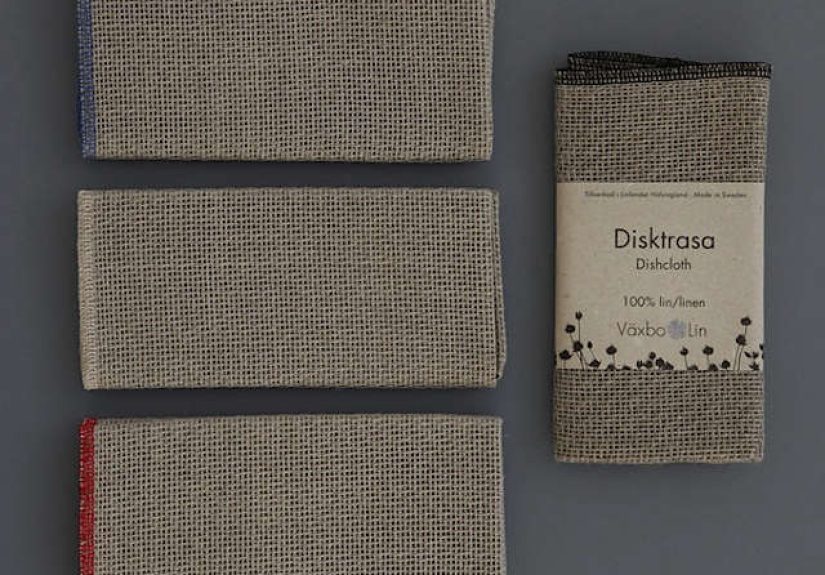
The Vaxbo Lin Linen Dish Cloth is a Swedish-made kitchen cloth woven from 100% linen. It is typically sold as a square cloth measuring about 13 by 13 inches, which makes it compact enough for everyday wiping yet large enough to dry dishes, polish glassware, or lay out beside the sink for quick cleanup duty. Unlike many modern “Swedish dishcloths,” which are usually made from a cellulose-and-cotton blend, this is a true linen textile product.
That distinction matters. A classic Swedish dishcloth often behaves like a sponge-sheet hybrid. The Vaxbo Lin cloth behaves more like a refined kitchen textile: flexible, breathable, sturdy, and pleasant to handle. It is designed with finished edges, and the weave is intended to make the cloth more absorbent and supple over time. In other words, it is not trying to be a disposable helper. It is trying to become one of those kitchen items you keep for years and then brag about in a very specific tone usually reserved for cast-iron skillets.
The brand itself leans into traditional Swedish textile craftsmanship, and that heritage shows in the product’s straightforward construction. No fuss, no glitter, no motivational quote printed across it in cursive. Just linen, done properly.
Why Linen Makes So Much Sense in the Kitchen
1. It absorbs well without feeling swampy
One of linen’s biggest strengths is moisture management. A good linen kitchen cloth can take on water efficiently while still feeling lighter and less bogged down than many thicker cotton towels. That matters in real kitchens, where the cloth is constantly moving from countertop to dish rack to sink edge and back again.
2. It dries faster than many heavier towels
Quick drying is not just a convenience issue. It is a kitchen sanity issue. A cloth that stays damp forever is a cloth that starts to smell like regret. Linen’s faster-drying nature makes it especially attractive for daily wipe-downs, drying clean dishes, and keeping the sink zone from turning into a humid little ecosystem.
3. It gets better with age
Cheap kitchen cloths often peak on day one and go downhill immediately. Linen usually does the opposite. It can feel slightly crisp at first, but with washing and regular use, it softens while still holding onto its strength. That means the Vaxbo Lin cloth is less about instant fluff and more about long-term performance. Think of it as the kitchen equivalent of a person who is a little reserved at first but becomes the life of the party after three hangouts and a pot of coffee.
4. It is durable enough for repeat use
Flax fibers are known for strength, and that translates into a cloth that can handle repeated washing and regular kitchen work. For people trying to buy fewer, better household basics, durability is not a small detail. It is the whole point.
5. It looks better than most cleaning cloths
Function is the headline here, but aesthetics matter too. The Vaxbo Lin dish cloth has the understated Scandinavian look that manages to feel both rustic and clean-lined. It does not scream for attention, but it also does not need to be hidden when company comes over. That is a rare skill in the world of cleaning textiles.
How the Vaxbo Lin Dish Cloth Performs in Everyday Use
The best way to understand this cloth is to stop thinking of it as a one-trick tool. It is not only for washing dishes, and it is not only for drying them either. A quality linen dish cloth tends to be multipurpose, and that flexibility is where the Vaxbo Lin model shines.
It works well for wiping down counters after meal prep, especially when the mess is more splash than disaster scene. It is also useful for drying rinsed produce, polishing water spots off glasses, handling small spills, and standing in for a light hand towel near the sink. Because linen is relatively lint-light compared with some fluffy towels, it can also be more pleasant for drying dishes or glassware when you want less fuzz left behind.
This is not the cloth you reach for when a pot of tomato sauce explodes across the stove like a dramatic cooking show finale. For very greasy messes or heavily soiled surfaces, you may still want a dedicated scrub cloth or paper towel backup. But for regular daily kitchen life, the Vaxbo Lin cloth is exactly the kind of tool that earns permanent countertop status.
Another bonus is that it does not feel bulky. Some dish towels are so thick they seem to have ambitions beyond the kitchen, perhaps as a winter blanket for a very fashionable hamster. This cloth stays nimble, which makes it easier to wring out, hang up, fold, and reuse.
Vaxbo Lin vs. Cotton Dish Towels, Microfiber, and Swedish Sponge Cloths
Compared with cotton dish towels
Cotton towels are widely loved because they are soft, affordable, and easy to find. They are excellent generalists. But thick cotton can stay damp longer, and some cotton towels become heavy quickly when fully wet. The Vaxbo Lin dish cloth offers a leaner, quicker-drying experience, especially for those who prefer function over fluff.
Compared with microfiber cloths
Microfiber can be extremely absorbent and effective for cleaning, but many shoppers are rethinking synthetic cleaning textiles. Some people dislike the clingy hand-feel, while others are concerned about microfiber shedding into the environment over time. Linen offers a natural-fiber alternative with a more organic texture and a less high-tech personality. It feels more kitchen, less car-detailing aisle.
Compared with cellulose Swedish dishcloths
Standard Swedish sponge cloths are useful for spill cleanup and can replace plenty of paper towels, but their feel and behavior are quite different. They act like absorbent sheets and are often best for wiping surfaces. The Vaxbo Lin version is more textile-like: softer in motion, more elegant on display, and better suited to jobs like drying dishes, polishing, or repeated handling throughout the day.
So which is best? That depends on what your kitchen needs. If you want a sponge alternative, choose a cellulose-style cloth. If you want a beautiful eco-friendly kitchen cloth that behaves like a hardworking textile, the Vaxbo Lin linen dish cloth is in its own lane.
How to Use It for Best Results
Like many linen products, this cloth benefits from a little patience at the start. New linen often performs best after an initial soak and wash. Once broken in, it becomes softer and more absorbent.
- Use it to dry clean dishes and glassware after washing.
- Keep one by the sink for wiping counters and faucet splashes.
- Hang it fully open after use so it can dry quickly.
- Rotate between two or three cloths if your kitchen gets heavy daily traffic.
- Reserve a separate cloth for especially messy or greasy tasks.
The biggest mistake people make with any kitchen cloth is not the cloth itself. It is letting it stay damp in a heap. Even the best reusable cloth will lose some charm if it spends half its life crumpled beside a sink full of coffee spoons and pasta water.
Care and Cleaning Tips
Proper care is part of the appeal here because the cloth is meant to last. The usual guidance is simple: soak before first use, wash it before putting it into kitchen rotation, and avoid laundry habits that coat fibers or shorten lifespan.
For regular maintenance, wash the cloth in hot or warm water according to care guidance, especially if it has handled food contact or stayed damp for a while. Avoid overloading the washing machine, and skip fabric softener. Softener may seem kind, but it often leaves residues that reduce absorbency. Linen wants to do its job; do not smother its ambition with a waxy rinse.
Air-drying is a smart choice when you want to preserve the life of the fibers. A brief tumble on low can soften the feel, but high heat over time is not doing your textiles any favors. Also, if you are washing kitchen cloths, treat them like kitchen cloths. Do not wait forever. A dish cloth that has contacted food messes belongs in the laundry sooner rather than later.
Who Will Love This Cloth?
The Vaxbo Lin Linen Dish Cloth is especially appealing for a few kinds of shoppers:
- Minimalists who want fewer but better kitchen tools.
- Design-minded home cooks who care how everyday objects look when left out.
- Natural-fiber fans who prefer linen and cotton over synthetic materials.
- Eco-conscious households trying to reduce disposable paper use.
- Gift givers who understand that practical gifts can still feel thoughtful and elevated.
It may be less ideal for shoppers who want plush softness immediately out of the package or who prefer ultra-cheap kitchen basics they can replace without thinking. This is a better investment piece than a bargain-bin impulse buy.
Is the Vaxbo Lin Linen Dish Cloth Worth It?
If you measure value only by upfront price, a pure-linen dish cloth will always look slightly extravagant next to a stack of discount cotton towels. But that is not the whole equation. The Vaxbo Lin dish cloth earns its place through durability, drying speed, everyday usefulness, and design that feels intentional instead of accidental.
It is not a miracle cloth. It will not scrub burnt cheese off a casserole dish with the fury of a steel pad. It will not end all household arguments about whose turn it is to do dishes. But it does bring a rare mix of elegance and utility to one of the least glamorous corners of home life.
For many people, that balance is exactly the point. The best kitchen tools are the ones you reach for constantly without feeling annoyed by them. The Vaxbo Lin Linen Dish Cloth fits that description beautifully. It is simple, sturdy, quick-drying, and surprisingly satisfying to use. In a world full of overcomplicated home products, that feels downright luxurious.
Everyday Experience: What Living With a Vaxbo Lin Linen Dish Cloth Feels Like
The experience of using the Vaxbo Lin Linen Dish Cloth is less dramatic than buying a shiny appliance, but that is exactly why it tends to win people over. It slips into daily life quietly and then becomes the cloth you reach for first. At the start, it feels crisp and purposeful, like it has shown up to work five minutes early. After a proper soak and a few washes, it relaxes. The fabric becomes softer, easier to wring out, and more responsive in the hand, which is one of the most satisfying things about linen in general.
In a busy kitchen, the cloth quickly proves how versatile it is. After breakfast, it wipes coffee drips from the counter without turning into a limp little puddle. At lunch, it dries a rinsed bowl or two and hangs back up without looking defeated. By dinner, it may have wiped down the faucet, blotted a cutting board, and polished a wine glass. That kind of all-day utility is hard to fake. Many cloths are either absorbent but clumsy, or pretty but decorative in the most insulting possible way. This one manages to be attractive and genuinely useful.
Another part of the experience is psychological, and yes, kitchen textiles are apparently deep enough for psychology now. A good linen cloth makes the sink area feel more intentional. It gives off that calm, organized energy that suggests maybe the rest of the house also has its life together, even if there is a mystery plastic container with no lid hiding in a cabinet somewhere. Because the cloth dries relatively quickly, it also avoids that dreaded “damp fabric lurking by the sink” feeling that can make a kitchen seem messier than it really is.
There is also a tactile pleasure to linen that is hard to communicate until you handle it regularly. It is not fluffy. It is not buttery. It is not trying to imitate a spa towel. Instead, it feels clean, crisp, and capable. That texture makes sense in a kitchen where practicality matters. Over time, the cloth develops a softer hand without losing its character, which is part of why linen enthusiasts can sound a little evangelical. They are not just buying fabric. They are buying a material that ages with some dignity.
The cloth also suits households trying to buy fewer disposable products. When a reusable item is easy to wash, quick to dry, and pleasant to keep in sight, it is more likely to become a real habit instead of a guilt purchase. That may be the most impressive thing about the Vaxbo Lin Linen Dish Cloth: it makes sustainability feel less like homework and more like common sense. Use it, wash it, hang it, repeat. No drama. No tech support required.
In the end, the day-to-day experience is not flashy. It is better than flashy. It is reliable. And in the kitchen, reliability is a kind of romance.