Table of Contents >> Show >> Hide
- What Is the Urinary Tract?
- UTI, Bladder Infection, and Kidney Infection: What’s the Difference?
- Common Symptoms of a Bladder Infection
- Warning Signs of a Kidney Infection
- What Causes Urinary Tract Infections?
- How UTIs Are Diagnosed
- How Bladder and Kidney Infections Are Treated
- Can You Treat a UTI at Home?
- Prevention: Daily Habits for Better Urinary Tract Health
- Recurrent UTIs: When One Infection Becomes a Pattern
- Special Situations That Need Extra Care
- When to Seek Medical Help
- Experience-Based Insights: What Urinary Tract Problems Feel Like in Real Life
- Conclusion
- SEO Tags
Your urinary tract has one job that sounds simple: make urine, store urine, and send it out of the body without drama. Most days, it performs this quiet little plumbing miracle without asking for applause. But when bacteria crash the party, things can go from “I need to pee” to “Why does my back feel like it joined a protest?” very quickly.
Urinary tract health matters because infections can affect several parts of the system, including the urethra, bladder, ureters, and kidneys. A mild lower urinary tract infection may cause burning, urgency, and cloudy urine. A kidney infection, on the other hand, can bring fever, chills, nausea, and pain in the back or side. Same urinary highway, very different traffic jam.
This guide explains urinary tract infections in plain American English: what causes them, how bladder infections differ from kidney infections, when symptoms are urgent, how treatment works, and what daily habits may help reduce your risk. No scare tactics. No magic cranberry cape. Just useful information with a little bathroom-friendly humor.
What Is the Urinary Tract?
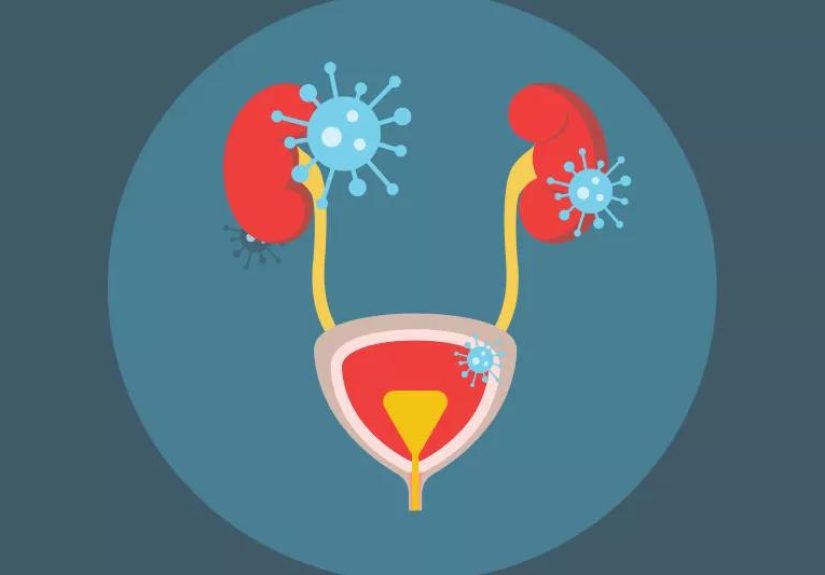
The urinary tract is the body’s fluid waste removal system. It includes the kidneys, ureters, bladder, and urethra. The kidneys filter waste and extra fluid from the blood to make urine. The ureters carry urine from the kidneys to the bladder. The bladder stores urine until you are ready to go. The urethra is the tube that allows urine to leave the body.
When everything works well, urine flows in one direction: down and out. That one-way flow helps protect the body from infection. Problems often begin when bacteria enter through the urethra and travel upward. The most common culprit is Escherichia coli, better known as E. coli, a bacterium that normally lives in the digestive tract but can cause trouble when it reaches the urinary tract.
UTI, Bladder Infection, and Kidney Infection: What’s the Difference?
A urinary tract infection, or UTI, is a broad term for an infection anywhere in the urinary system. A bladder infection is a type of UTI that affects the bladder. A kidney infection, also called pyelonephritis, is a more serious UTI that affects one or both kidneys.
Lower UTI: Bladder and Urethra
Most UTIs are lower urinary tract infections. These usually affect the bladder and may cause burning during urination, frequent urination, urgent trips to the bathroom, lower belly pressure, and urine that looks cloudy, bloody, or smells stronger than usual. A bladder infection can feel like your bladder installed a tiny alarm system and set it to “panic mode.”
Upper UTI: Kidneys
A kidney infection is more serious because bacteria have traveled higher in the urinary tract. Symptoms may include fever, chills, pain in the back, side, or groin, nausea, vomiting, and feeling very ill. Painful urination or frequent urination may also happen, but some people notice the whole-body symptoms first.
Kidney infections need prompt medical care. Without proper treatment, they can lead to complications, including bloodstream infection or kidney damage. That does not mean every UTI becomes a kidney infection, but it does mean symptoms should not be ignored when they escalate.
Common Symptoms of a Bladder Infection
A bladder infection can be annoying, painful, and surprisingly disruptive. Common symptoms include:
- Burning or pain when urinating
- A strong, urgent need to urinate
- Urinating often, even when little comes out
- Pressure or discomfort in the lower abdomen
- Cloudy, bloody, or strong-smelling urine
- Pelvic discomfort, especially in women
Some symptoms overlap with other conditions, including sexually transmitted infections, vaginal infections, kidney stones, bladder irritation, and prostate problems. That is why guessing is not always helpful. Your bathroom may be giving clues, but it is not a laboratory.
Warning Signs of a Kidney Infection
A kidney infection can start as a bladder infection and move upward. It can also become serious quickly. Call a healthcare professional promptly if urinary symptoms come with:
- Fever or chills
- Back, side, or groin pain
- Nausea or vomiting
- Blood in the urine
- Extreme fatigue or feeling very sick
- Symptoms that worsen despite treatment
Pregnant people, older adults, people with diabetes, people with kidney disease, men with urinary symptoms, and anyone with a weakened immune system should be especially careful. UTIs in these groups may require faster evaluation, urine testing, and a more tailored treatment plan.
What Causes Urinary Tract Infections?
Most UTIs begin when bacteria enter the urethra and multiply. Because the female urethra is shorter and closer to the anus, women are more likely than men to develop UTIs. However, anyone can get one. UTIs are not a character flaw, a cleanliness contest, or punishment for forgetting your water bottle at home. They are common infections with biological causes.
Common Risk Factors
Several factors may increase UTI risk, including sexual activity, spermicides, diaphragms, menopause-related changes, pregnancy, urinary retention, kidney stones, enlarged prostate, catheter use, diabetes, dehydration, and a history of previous UTIs. Some people simply seem more prone to them because of anatomy, hormones, immune response, or how bacteria interact with the urinary tract lining.
Holding urine for long periods may also contribute to trouble. The bladder is not a storage unit with unlimited square footage. Emptying it regularly helps flush bacteria before they settle in and redecorate.
How UTIs Are Diagnosed
Healthcare professionals often diagnose a UTI based on symptoms and urine testing. A urinalysis can check for signs of infection, such as white blood cells, nitrites, or blood. A urine culture may be used to identify the specific bacteria and determine which antibiotics are likely to work.
Urine cultures are especially useful for recurrent UTIs, suspected kidney infections, treatment failure, unusual symptoms, pregnancy, men with UTI symptoms, older adults, or people with complicated medical histories. Imaging tests may be needed if a clinician suspects kidney stones, blockage, structural problems, or recurrent kidney infections.
How Bladder and Kidney Infections Are Treated
Antibiotics are the standard treatment for most bacterial UTIs. The specific antibiotic and length of treatment depend on the type of infection, symptom severity, local resistance patterns, medical history, allergies, pregnancy status, kidney function, and culture results when available.
Simple bladder infections are often treated with oral antibiotics at home. Symptoms may begin improving within a day or two, but it is important to take antibiotics exactly as prescribed unless a healthcare professional tells you otherwise. Stopping early can allow bacteria to survive and may increase the chance of recurrence or resistance.
Kidney infections often need more urgent treatment. Some can be treated with oral antibiotics, while others require intravenous antibiotics or hospital care, especially if there is vomiting, dehydration, severe pain, pregnancy, sepsis concern, or inability to keep medication down.
Can You Treat a UTI at Home?
Supportive care can ease discomfort, but it should not replace medical care when symptoms suggest infection. Drinking water, resting, avoiding bladder irritants, and using over-the-counter pain relief when appropriate may help you feel better. However, home remedies do not reliably cure bacterial UTIs.
Cranberry products may help reduce the risk of recurrent UTIs in some healthy women, but the evidence is limited and inconsistent. Cranberry is not a treatment for an active kidney infection, and it should not be used as a substitute for antibiotics when antibiotics are needed. In other words, cranberry can apply for a supporting role, but it is not the star surgeon in this production.
Prevention: Daily Habits for Better Urinary Tract Health
Not every UTI can be prevented, but some habits may reduce risk. The goal is to help bacteria leave the urinary tract before they multiply.
Drink Enough Water
Hydration helps dilute urine and encourages regular urination. There is no single perfect amount for everyone, but many adults benefit from drinking water throughout the day. People with heart failure, kidney disease, or fluid restrictions should follow their clinician’s advice.
Do Not Hold Urine Too Long
Urinating when you feel the urge helps flush the bladder. Waiting too long may give bacteria more time to grow. Your bladder is polite until it is not.
Urinate After Sex
Urinating soon after sexual activity may help flush bacteria away from the urethra. It is simple, low-risk, and easier than trying to explain to your bladder that romance happened.
Wipe Front to Back
For people with vulvas, wiping from front to back may help reduce the transfer of bacteria from the anal area to the urethra. This is especially important after bowel movements.
Avoid Irritating Products
Scented sprays, deodorant powders, harsh soaps, and douches can irritate sensitive tissue. Irritation may not directly cause infection, but it can make symptoms worse and disturb the natural balance of the genital area.
Review Birth Control Choices
Spermicides and diaphragms may increase UTI risk for some people. If UTIs keep happening, ask a healthcare professional whether changing birth control methods could help.
Ask About Vaginal Estrogen After Menopause
After menopause, lower estrogen levels can change the tissues and bacteria around the urinary tract. For some postmenopausal women with recurrent UTIs, vaginal estrogen may reduce recurrence. This should be discussed with a clinician to weigh benefits and risks.
Recurrent UTIs: When One Infection Becomes a Pattern
Recurrent UTIs are often defined as two infections in six months or three in one year. If this sounds familiar, do not just keep collecting antibiotic prescriptions like souvenir magnets. Recurrent infections deserve a plan.
A healthcare professional may recommend urine cultures, a review of risk factors, prevention strategies, changes in contraception, vaginal estrogen when appropriate, or in selected cases, preventive antibiotics. The right approach depends on the person. A plan for one patient may be completely wrong for another, especially if kidney disease, pregnancy, resistant bacteria, or urinary tract abnormalities are involved.
Special Situations That Need Extra Care
Pregnancy
UTIs during pregnancy require careful evaluation because untreated infection may increase the risk of complications. Pregnant people should contact a healthcare professional for urinary symptoms, fever, back pain, or abnormal urine test results.
Men With UTI Symptoms
UTIs are less common in men, so symptoms may require evaluation for prostate issues, urinary retention, stones, sexually transmitted infections, or other causes. Men should not ignore burning urination, pelvic pain, fever, or urinary difficulty.
Children
Children may not describe symptoms clearly. Fever, irritability, vomiting, wetting accidents, abdominal pain, or painful urination may be clues. Pediatric UTIs should be evaluated by a healthcare professional.
Older Adults
Older adults may have urinary symptoms, fever, weakness, or changes in function. Confusion alone should not automatically be blamed on a UTI without proper evaluation, because many conditions can cause confusion. Testing and clinical judgment matter.
When to Seek Medical Help
Contact a healthcare professional if you have burning urination, frequent urination, pelvic pain, blood in urine, symptoms lasting more than a day, recurrent symptoms, or symptoms that return after antibiotics. Seek urgent care for fever, chills, flank pain, vomiting, pregnancy with UTI symptoms, severe illness, or signs of dehydration.
Also seek care if symptoms do not improve after starting antibiotics or if they worsen. Sometimes bacteria are resistant to the first medication, the diagnosis is different than expected, or the infection has moved beyond the bladder.
Experience-Based Insights: What Urinary Tract Problems Feel Like in Real Life
People often describe bladder infections in a way that sounds small until you have one. Then “mild discomfort” becomes a dramatic understatement. A common experience starts with a tiny warning sign: a little sting, an extra bathroom trip, or the strange feeling that the bladder is full even after it was just emptied. At first, many people bargain with themselves. Maybe it is dehydration. Maybe it is coffee. Maybe the bladder is just being theatrical. A few hours later, the bathroom becomes a second office.
One realistic scenario is the person who gets a UTI after a busy travel day. They drink less water to avoid public restrooms, sit for hours, hold urine too long, and then notice burning later that night. The lesson is not that travel is dangerous. The lesson is that the urinary tract likes routine: fluids, movement, and regular bathroom breaks. Ignoring the urge to urinate may seem convenient, but the bladder rarely sends thank-you cards.
Another common experience involves recurrent UTIs after sex. This can feel frustrating and personal, but it is usually biology, not blame. Bacteria can move toward the urethra during sexual activity. Urinating after sex, drinking water, avoiding spermicides when they are a trigger, and discussing prevention with a clinician can help. The emotional side matters, too. People may feel embarrassed bringing it up, but healthcare professionals talk about UTIs all the time. To them, it is Tuesday.
Kidney infection experiences are often different. Instead of just urinary discomfort, people may feel suddenly ill, with fever, chills, nausea, and back or side pain. Some describe feeling “flu-like” plus urinary symptoms. This is the point where waiting it out is not a great strategy. A kidney infection needs medical attention because it can become serious. The body is no longer whispering; it is using a megaphone.
Many people also learn that prevention is not one magic trick. It is a pattern. Drinking enough water, urinating regularly, recognizing early symptoms, finishing prescribed antibiotics, and asking for a urine culture when infections recur can make a major difference. For some, cranberry products may be part of the plan. For others, changing contraception or using vaginal estrogen after menopause may be more relevant. The best urinary tract routine is personalized, practical, and easy enough to follow on a normal Wednesday when life is messy.
The biggest takeaway from real-life UTI experiences is this: do not minimize symptoms, and do not panic either. A bladder infection is common and treatable. A kidney infection is more serious but manageable when treated promptly. Your urinary tract may not be glamorous, but keeping it healthy protects comfort, sleep, work, relationships, and overall well-being. That is a pretty impressive resume for a system most people only think about when they are looking for the nearest restroom.
Conclusion
Urinary tract health begins with understanding how the system works and recognizing when symptoms need attention. Bladder infections usually cause burning, urgency, frequent urination, and pelvic discomfort. Kidney infections may cause fever, chills, nausea, vomiting, and back or side pain, and they require prompt medical care.
Good habits can lower risk: drink water, avoid holding urine, urinate after sex, wipe front to back, avoid irritating products, and talk with a healthcare professional if infections keep coming back. Antibiotics remain the standard treatment for bacterial UTIs, but the right medication depends on the person and the infection. When in doubt, get evaluated. Your bladder may be small, but it deserves a solid healthcare strategy.