Table of Contents >> Show >> Hide
- What Actually Drives Your Breast Cancer Treatment Plan?
- Local vs. Systemic Treatments: Zooming In vs. Zooming Out
- Surgery: Lumpectomy, Mastectomy, and Lymph Node Surgery
- Radiation Therapy: Cleaning Up the “Neighborhood”
- Chemotherapy: Systemic Treatment With Serious Punch
- Hormone (Endocrine) Therapy: Cutting Off the Cancer’s Fuel Supply
- Targeted Therapies: Precision Attacks on Cancer Cells
- Immunotherapy: Helping Your Immune System Recognize Cancer
- Clinical Trials: Access to Tomorrow’s Treatments Today
- Sequencing Treatment: Why the Order Matters
- Side Effects, Supportive Care, and Quality of Life
- Key Questions to Ask Your Care Team
- Real-World Experiences: What People Learn While Navigating Treatment Choices
- 1. The First Plan Isn’t Always the Final Plan
- 2. Getting a Second Opinion Often Brings Peace of Mind
- 3. Side Effects Feel Less Scary When You Have a “Playbook”
- 4. Personal Values Shape “Right for Me,” Not Just “Right on Paper”
- 5. Mental Health Support Is Not a LuxuryIt’s Part of Treatment
- 6. You Are Allowed to Revisit Your Priorities
- Bringing It All Together
Hearing the words “you have breast cancer” can make the rest of the conversation sound like it’s happening underwater.
Suddenly you’re being introduced to a whole new language: stages, receptors, biomarkers, targeted therapy, chemo, hormone
therapy, and about fifteen types of doctors. It’s a lot. The good news? You don’t have to understand everything in one day,
and you absolutely don’t have to make treatment decisions alone.
This guide walks through the main breast cancer treatment options in plain English, so you can show up to appointments
feeling more prepared, less overwhelmed, and a little more like the CEO of your own care team. We’ll cover what each
treatment does, why some people need one option and others need several, and how to think about side effects, quality of
life, and questions to ask your doctors.
Important note: This article is for education only. It can’t replace personalized medical advice. Always discuss specific treatment decisions with your oncology team.
What Actually Drives Your Breast Cancer Treatment Plan?
There’s no single “right” breast cancer treatment. Your team builds a personalized plan based on several key factors:
- Stage of the cancer – How big is the tumor? Has it spread to lymph nodes or other parts of the body?
- Hormone receptor (HR) status – Does the cancer use estrogen and/or progesterone to grow (ER+/PR+)?
- HER2 status – Does the tumor overexpress a protein called HER2, which can drive aggressive growth?
- Grade and growth speed – How abnormal the cells look under the microscope and how fast they’re dividing.
- Genomic or biomarker tests – Certain tests can predict whether chemo or specific targeted therapies are likely to help.
- Your age, overall health, and other conditions – Heart disease, bone health, fertility goals, and more all matter.
- Your preferences and values – How you feel about surgery type, side effects, time off work, body image, and risk tolerance.
Major cancer organizations, including the National Cancer Institute (NCI), American Cancer Society (ACS), and
National Breast Cancer Foundation, all emphasize that most people receive a combination of treatments such as
surgery, radiation, and systemic drugs like chemo, hormone therapy, or targeted therapy, tailored to these factors.
Local vs. Systemic Treatments: Zooming In vs. Zooming Out
A simple way to sort treatment options is to think about where they work:
Local Treatments
Local treatments focus on a specific area, usually the breast and nearby lymph nodes.
- Surgery – Removes the tumor (and sometimes the whole breast) and nearby lymph nodes.
- Radiation therapy – Targets remaining cancer cells in the breast, chest wall, or lymph node areas.
Systemic (Whole-Body) Treatments
Systemic treatments travel through the bloodstream to seek out cancer cells wherever they may be hiding.
- Chemotherapy
- Hormone (endocrine) therapy
- Targeted therapies (like HER2 drugs or antibody–drug conjugates)
- Immunotherapy
Most treatment plans for stages I–III breast cancer use at least one local treatment (surgery, often plus radiation)
plus one or more systemic therapies, especially when there’s a higher risk of recurrence.
Surgery: Lumpectomy, Mastectomy, and Lymph Node Surgery
Surgery is still the backbone of treatment for early-stage breast cancer. The main goal is simple: remove the cancer
with a “clean” margin of healthy tissue around it.
Lumpectomy (Breast-Conserving Surgery)
A lumpectomy removes the tumor plus a small rim of normal tissue, leaving most of the breast in place. It’s usually
followed by radiation. Long-term survival rates are similar to mastectomy for many early-stage cancers, which is why
it’s a common choice when the tumor is small enough and located favorably.
Mastectomy
A mastectomy removes the entire breast and sometimes involves skin- or nipple-sparing approaches if reconstruction is planned.
Some people choose mastectomy because of tumor size, multiple areas of disease, prior radiation, genetic risk (like BRCA mutations),
or personal preference for peace of mind.
Lymph Node Surgery
Because breast cancer often spreads first to underarm lymph nodes, surgeons typically perform:
- Sentinel lymph node biopsy – Sampling the first few nodes that drain the breast.
- Axillary lymph node dissection – Removing more nodes if there’s clear spread.
Your surgeon and medical oncologist weigh the pros (better staging, more information) against risks like lymphedema
(arm swelling) when deciding how many nodes to remove.
Radiation Therapy: Cleaning Up the “Neighborhood”
Radiation uses high-energy beams to kill cancer cells left behind after surgery. It’s almost always recommended after
lumpectomy and is sometimes used after mastectomy, especially if the tumor was large or lymph nodes were involved.
Common short-term side effects include fatigue, skin irritation (like a sunburn), and tenderness in the treated area.
Longer-term risks may involve changes in breast appearance, stiffness, or very small risks to the heart or lungs depending
on the radiation field. Modern planning techniques aim to keep exposure to healthy tissue as low as possible.
Chemotherapy: Systemic Treatment With Serious Punch
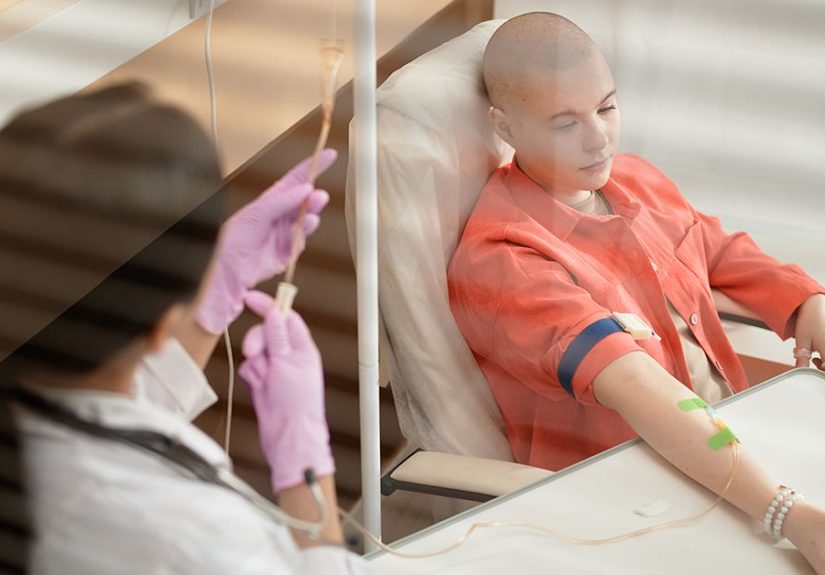
Chemotherapy uses drugs that attack rapidly dividing cells. It can be given:
- Before surgery (neoadjuvant chemo) – To shrink tumors, make surgery easier, or test how the cancer responds.
- After surgery (adjuvant chemo) – To reduce the risk that microscopic cancer cells will come back.
- For metastatic disease – To control cancer that has spread to distant organs, relieve symptoms, and extend life.
Chemo is more likely recommended for higher-stage cancers, triple-negative breast cancer, HER2-positive disease (usually with targeted drugs),
or in younger people with high-risk features. Side effects such as hair loss, nausea, fatigue, infections, and neuropathy are realbut
they’re often manageable with supportive medications and dose adjustments.
Hormone (Endocrine) Therapy: Cutting Off the Cancer’s Fuel Supply
If your breast cancer is hormone receptor–positive (ER+ and/or PR+), it uses estrogen, progesterone, or both as fuel.
Hormone therapy doesn’t “kill” the tumor directly. Instead, it starves it:
- Selective estrogen receptor modulators (SERMs) like tamoxifen block estrogen’s ability to bind to cancer cells.
- Aromatase inhibitors (AIs) like anastrozole, letrozole, and exemestane lower estrogen production after menopause.
- Ovarian suppression (medicines or surgery) may be used in premenopausal patients to shut down estrogen production in the ovaries.
These medications are usually taken for 5–10 years to lower the risk of recurrence. Common side effects can include
hot flashes, joint pain, mood changes, vaginal dryness, and changes in bone density. Your team may recommend bone-strengthening
strategies and periodic bone density scans.
Targeted Therapies: Precision Attacks on Cancer Cells
Targeted therapies zero in on specific molecules that help breast cancer grow. They’re often combined with chemo or hormone therapy.
HER2-Targeted Therapies
For HER2-positive breast cancer, drugs like trastuzumab (Herceptin), pertuzumab, and newer agents such as antibody–drug conjugates (ADCs)
attach to HER2 on cancer cells and either block growth signals or deliver chemotherapy directly to the tumor.
Other Targeted Options
For some hormone receptor–positive cancers, targeted drugs like CDK4/6 inhibitors, PI3K inhibitors, or oral SERDs may be added
to hormone therapy, especially in advanced or recurrent disease. Antibody–drug conjugates are also emerging for more subtypes,
offering chemotherapy “missiles” that try to spare more healthy cells.
Immunotherapy: Helping Your Immune System Recognize Cancer
Immunotherapy, particularly immune checkpoint inhibitors, is now an option for some people with triple-negative breast cancer (TNBC),
usually in combination with chemotherapy. These drugs essentially remove the “brakes” that cancer uses to hide from the immune system.
Recent trials combining antibody–drug conjugates with immunotherapy continue to improve outcomes for some people with advanced TNBC.
Side effects can include immune-related inflammation in organs such as the lungs, liver, or colon, so prompt reporting of new
symptoms (like shortness of breath or severe diarrhea) is critical.
Clinical Trials: Access to Tomorrow’s Treatments Today
Clinical trials are not “last resort” experiments; they’re carefully designed studies that often compare the current standard of care
to a promising new approach. Many breakthroughs in breast cancerlike HER2 therapies, CDK4/6 inhibitors, and modern antibody–drug
conjugatescame from people who joined trials.
Ask your oncologist:
- Are there clinical trials I qualify for at my stage and subtype?
- How would the trial treatment differ from standard treatment?
- What extra visits, tests, or travel might be involved?
Large cancer centers and advocacy organizations like Breastcancer.org and Susan G. Komen maintain lists of ongoing trials and
plain-language guides to how the process works.
Sequencing Treatment: Why the Order Matters
Your team doesn’t just pick treatmentsthey also choose the sequence:
- Neoadjuvant (before surgery) therapy is common in larger or more aggressive tumors, inflammatory breast cancer, or when downstaging can make lumpectomy possible.
- Adjuvant (after surgery) therapy aims to mop up microscopic cancer cells that might have escaped.
- Metastatic (stage IV) treatment focuses on controlling disease, relieving symptoms, and maintaining quality of life as long as possible.
For example, inflammatory breast cancer almost always starts with chemotherapy, followed by surgery and radiation, because it behaves
differently and needs aggressive, coordinated treatment.
Side Effects, Supportive Care, and Quality of Life
Every treatment has side effects, but so does leaving high-risk cancer untreated. Your joband your team’s jobis to constantly balance
cancer control against quality of life.
Supportive care can include:
- Anti-nausea and pain medications
- Growth factors to support blood counts
- Physical therapy and lymphedema management
- Fertility preservation counseling
- Mental health support, support groups, and survivorship programs
- Nutrition counseling and gentle exercise plans
Don’t downplay symptoms. Fatigue, mood changes, brain fog, or pain are important data for your care team, not personal failures.
Adjusting doses, switching drugs, or adding supportive medications is often possible.
Key Questions to Ask Your Care Team
When you’re trying to understand your breast cancer treatment options, these questions can help focus conversations:
- What is the stage, subtype, and receptor status of my cancer?
- What treatments do you recommend and why these in particular?
- Is this treatment meant to cure my cancer, reduce the risk of it coming back, or control it long term?
- What are the most common side effects and how will we manage them?
- Will I be able to work, care for my family, or exercise during treatment?
- Are there clinical trials that might be appropriate for me?
- How urgent is it that I decide? Do I have time for a second opinion?
Writing these down, bringing a friend or family member, and recording (with permission) can all help you remember details later.
Real-World Experiences: What People Learn While Navigating Treatment Choices
Facts and statistics are vital, but real life is lived between appointmentsin the waiting room, in the shower when your hair
starts shedding, in the 3 a.m. worries about the future. While everyone’s journey is different, many people share similar themes
when they talk about how they learned to understand and trust their treatment plan.
1. The First Plan Isn’t Always the Final Plan
Many patients describe their treatment plan as a “working draft.” Maybe the first plan was lumpectomy plus radiation, but after a
genomic test showed high recurrence risk, chemo was added. Or maybe chemo was planned first, but the tumor shrank so dramatically
that a less extensive surgery became possible. Understanding from the start that the plan can evolve makes those changes feel less
like a crisis and more like fine-tuning.
One common “aha” moment people share is realizing that changes aren’t failuresthey’re responses to new information. A scan result,
a side effect, or a lab number may nudge your team to change drugs or schedules. That’s your care team doing their job, not your
body “messing up.”
2. Getting a Second Opinion Often Brings Peace of Mind
Plenty of people seek a second opinion at a large cancer center and end up with the exact same recommendation they heard locally.
And that’s the point. Hearing, “Yes, we’d treat this the same way,” from another expert can make it easier to commit emotionally
to difficult treatments like chemo, mastectomy, or long-term hormone therapy.
Other times, a second opinion introduces a clinical trial, a newer targeted therapy, or a different sequence of surgery and chemo
that feels better aligned with your goals. Either way, most patients say the extra appointment felt worth it for the confidence boost alone.
3. Side Effects Feel Less Scary When You Have a “Playbook”
Many people recall being more afraid of the unknown than of the treatment itself. They often feel better once they have a specific
plan for side effects: what to do if the nausea meds don’t work, when to call about a fever, how to handle constipation or diarrhea,
which mouth rinse to use for sores, and so on.
Patients who kept a simple symptom diaryjust a few lines a dayoften say it was a game changer. They could walk into appointments
and say, “On days 3–5 after chemo, I feel X. By day 7, I feel Y.” That level of detail helps your team tweak doses or schedules
so that treatment fits your life as much as possible.
4. Personal Values Shape “Right for Me,” Not Just “Right on Paper”
Two people with nearly identical cancers might make different choices about lumpectomy vs. mastectomy, reconstructive surgery,
or a preventative removal of the other breast. Some prioritize symmetry and choose reconstruction right away. Others prioritize
simpler surgery and shorter recovery, or they prefer to “try living flat” and see how it feels.
People often say the turning point was when they stopped asking, “What would other people do?” and started asking,
“What will I be most comfortable living with five years from now?” That shift can make decisions feel less like taking a test
and more like designing a life.
5. Mental Health Support Is Not a LuxuryIt’s Part of Treatment
Anxiety, insomnia, and “scanxiety” (the pre-scan jitters) show up in almost every survivor story. People who connected with
therapists, social workers, or support groups early tend to describe feeling more in control throughout treatment.
Sometimes it’s easier to ask practical questionslike, “How do I tell my kids?” or “What if I can’t work for a while?”in a
space that isn’t the exam room.
Online communities, local support groups, and survivorship programs can also help you translate medical jargon into real-world
experience: what chemo day really feels like, what to pack for infusion, which hats or scarves are actually comfortable,
and how long it took others to feel “like themselves” again.
6. You Are Allowed to Revisit Your Priorities
As treatment goes on, priorities can shift. At first, you might be focused on “throw everything at this.” Later, you might value
fewer side effects or more energy to spend time with family. Patients in the metastatic setting often talk about renegotiating
their goals over timebalancing length of life with quality of life, travel, work, and family events.
The most empowered stories share a common thread: people who felt comfortable telling their doctors when their goals changed.
“I want to be here as long as possible” and “I want to feel as good as possible, even if it means fewer treatments” are both valid.
The key is that your team knows which one you’re leaning toward right now.
Bringing It All Together
Understanding your breast cancer treatment options doesn’t mean memorizing every drug name or trial statistic. It means knowing
the main “buckets” of treatmentsurgery, radiation, chemo, hormone therapy, targeted therapy, immunotherapy, and clinical trials
and how they might fit together in your situation. It means recognizing that your plan can evolve, that second opinions are welcome,
and that your values matter just as much as your lab results.
Most of all, it means remembering that you are not just a diagnosis. You are a person with preferences, responsibilities, fears,
and hopesand your treatment plan should reflect all of that. With a clear understanding of your options and a team you trust,
you can move forward one decision, one appointment, and one day at a time.
SEO JSON