Table of Contents >> Show >> Hide
- What Blood Pressure Actually Measures
- Blood Pressure Chart: What Is Normal?
- Why Normal Blood Pressure Matters
- What Causes Blood Pressure to Rise?
- How to Measure Blood Pressure Correctly at Home
- When Is Blood Pressure Too Low?
- What to Do If Your Blood Pressure Is Elevated
- When to Call a Healthcare Professional
- Common Blood Pressure Myths
- Experiences: What Learning Your Blood Pressure Really Feels Like
- Conclusion
Blood pressure is one of those health numbers that sounds simple until someone says, “Your systolic is fine, but your diastolic is creeping up,” and suddenly it feels like your doctor is reading the weather report from Mars. The good news? Blood pressure is not mysterious. It is a measurement of how strongly your blood pushes against your artery walls as your heart pumps and rests. The even better news? Once you understand the numbers, you can use them like a dashboard light for your healthless panic, more action.
So, what is normal blood pressure? For most adults, a normal blood pressure reading is below 120/80 mm Hg. The top number, called systolic pressure, measures the force when your heart beats. The bottom number, called diastolic pressure, measures the force when your heart rests between beats. Think of systolic as the “push” and diastolic as the “pause.” Both matter, even if the top number tends to get most of the attention.
This guide breaks down blood pressure ranges, what the numbers mean, why they change, how to measure them correctly, and what you can do if your readings are higher than ideal. No medical dictionary required. Coffee is optionalalthough maybe check your blood pressure before that second cup.
What Blood Pressure Actually Measures
Blood pressure is written as two numbers, such as 118/76 mm Hg. The “mm Hg” stands for millimeters of mercury, an old-school measurement that has stuck around because medicine loves tradition almost as much as it loves clipboards.
Systolic Blood Pressure: The Top Number
The systolic number shows the pressure in your arteries when your heart contracts and pushes blood through your body. A systolic reading below 120 is generally considered normal for most adults. When this number rises, it can mean your heart is working harder than it should to move blood through your blood vessels.
Diastolic Blood Pressure: The Bottom Number
The diastolic number shows the pressure in your arteries between heartbeats. A normal diastolic reading is below 80. Even though many people focus on the top number, the bottom number is still important, especially in younger adults and people with certain health conditions.
Blood Pressure Chart: What Is Normal?
Understanding blood pressure ranges helps you know whether your reading is healthy, slightly elevated, or high enough to deserve medical attention. Here is a simple adult blood pressure chart based on widely used U.S. categories:
| Category | Systolic | Diastolic | What It Means |
|---|---|---|---|
| Normal blood pressure | Less than 120 | Less than 80 | A healthy range for most adults |
| Elevated blood pressure | 120–129 | Less than 80 | Higher than ideal; lifestyle changes can help prevent hypertension |
| Stage 1 hypertension | 130–139 | 80–89 | High blood pressure; talk with a healthcare professional |
| Stage 2 hypertension | 140 or higher | 90 or higher | Higher-risk hypertension that often needs a treatment plan |
| Severe hypertension | Higher than 180 | Higher than 120 | Recheck and seek urgent medical guidance, especially with symptoms |
A single high reading does not always mean you have hypertension. Blood pressure can jump after stress, exercise, caffeine, pain, poor sleep, or a dramatic email from your boss. Doctors usually look for consistent patterns over time, not one lonely number having a bad day.
Why Normal Blood Pressure Matters
High blood pressure is often called a “silent” condition because many people feel perfectly fine while their arteries are under extra strain. You may not have headaches, dizziness, or obvious warning signs. Meanwhile, consistently high pressure can increase the risk of heart disease, stroke, kidney disease, vision problems, and other serious complications.
That is why knowing your blood pressure numbers is so valuable. It gives you a chance to act early. Elevated blood pressure is not a life sentence; it is more like your body tapping the microphone and saying, “Hello, can we adjust a few things before this becomes a bigger production?”
What Causes Blood Pressure to Rise?
Blood pressure is influenced by many factors. Some you can change, some you cannot, and some are simply part of being human.
Common Lifestyle Factors
Diet, physical activity, sleep, alcohol, tobacco use, stress, and body weight can all affect blood pressure. A diet high in sodium and low in fruits, vegetables, fiber, and minerals may contribute to higher readings. Physical inactivity can also make the heart and blood vessels less efficient over time.
Health Conditions and Medications
Diabetes, kidney disease, sleep apnea, thyroid disorders, and certain hormone conditions can raise blood pressure. Some medications and supplements may also affect readings, including decongestants, nonsteroidal anti-inflammatory drugs, stimulants, and some herbal products. If your blood pressure changed after starting something new, bring the bottleor at least the nameto your healthcare visit.
Age and Family History
Blood pressure often rises with age as arteries become less flexible. Family history also matters. If high blood pressure runs in your family, it does not mean you are doomed, but it does mean your numbers deserve regular attention.
How to Measure Blood Pressure Correctly at Home
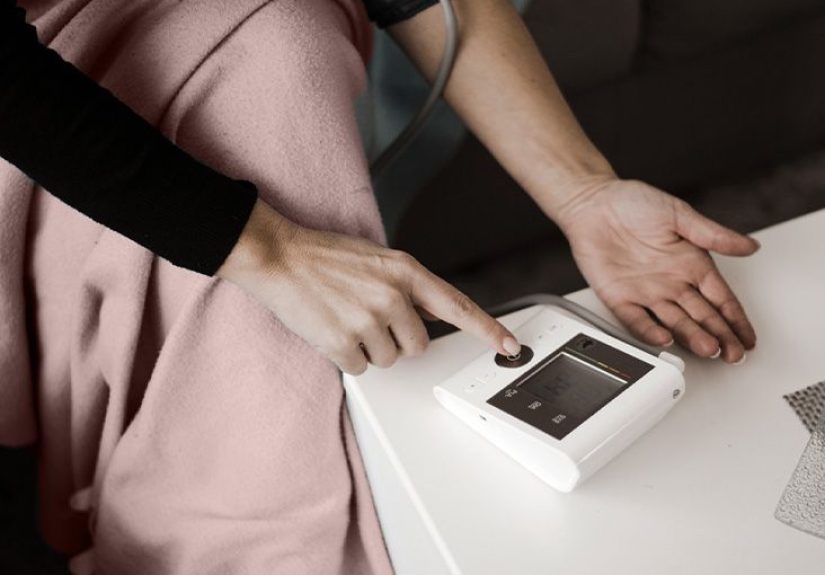
Home blood pressure monitoring can be extremely helpful, but only if the readings are accurate. A poor setup can turn a normal reading into a false alarmor hide a real problem. Blood pressure cuffs are useful tools, not magic bracelets.
Before You Take a Reading
For the most accurate blood pressure reading, avoid caffeine, exercise, nicotine, and heavy meals for about 30 minutes beforehand. Empty your bladder first. Sit quietly for five minutes with your back supported and your feet flat on the floor. Do not cross your legs, do not talk, and do not measure over clothing.
Use the Right Cuff Size
Cuff size matters more than many people realize. A cuff that is too small can make your blood pressure look higher than it really is. A cuff that is too large may do the opposite. Measure your upper arm and choose a validated monitor with a cuff that fits your arm circumference.
Take More Than One Reading
Take two readings at least one minute apart and write them down. Many healthcare professionals recommend checking at the same times each day for several days when trying to understand your usual pattern. Your doctor may ask for a home blood pressure log before making treatment decisions.
When Is Blood Pressure Too Low?
Low blood pressure, or hypotension, is not always a problem. Some healthy people naturally run low and feel great. A reading around 90/60 mm Hg may be normal for one person and too low for another. The key is how you feel.
Low blood pressure may deserve medical attention if it comes with dizziness, fainting, confusion, blurry vision, weakness, cold clammy skin, or shortness of breath. Sudden drops can happen from dehydration, blood loss, infections, certain medications, or heart problems. In short: low is not automatically bad, but symptoms are your cue to pay attention.
What to Do If Your Blood Pressure Is Elevated
If your blood pressure is in the elevated range120 to 129 systolic and below 80 diastolicyou do not need to panic. This is the perfect time to make small changes that can keep your numbers from climbing into hypertension territory.
Start With Food
A heart-healthy eating pattern can make a real difference. The DASH eating plan, short for Dietary Approaches to Stop Hypertension, emphasizes vegetables, fruits, whole grains, low-fat dairy, beans, nuts, seeds, fish, poultry, and lean proteins. It also limits sodium, added sugars, saturated fat, and highly processed foods.
You do not have to become the kind of person who says, “I brought steamed kale to the party.” Start with practical swaps: add a fruit or vegetable to each meal, choose unsalted nuts, compare sodium on labels, and use herbs, garlic, lemon, vinegar, or spices for flavor instead of relying on the salt shaker like it owes you money.
Move Your Body Regularly
Regular physical activity helps strengthen your heart and blood vessels. A common goal is about 150 minutes of moderate-intensity aerobic activity per week, such as brisk walking, cycling, swimming, or dancing in your kitchen while pretending you are not. Strength training can also support overall cardiovascular health.
Watch Sodium Without Losing Joy
Sodium can raise blood pressure in many people, especially when most of it comes from packaged, restaurant, and processed foods. The trick is not to make food boring; it is to make flavor smarter. Try seasoning with smoked paprika, cumin, pepper, rosemary, ginger, chili flakes, or a squeeze of citrus. Your taste buds can adapt faster than you think.
Limit Alcohol and Avoid Tobacco
Drinking too much alcohol can raise blood pressure, and tobacco damages blood vessels while increasing the risk of heart attack and stroke. Cutting back on alcohol and avoiding nicotine are two of the strongest moves you can make for heart health.
Prioritize Sleep and Stress Management
Poor sleep and chronic stress can push blood pressure upward. Try to keep a consistent sleep schedule, wind down before bed, and talk with a healthcare professional if you snore loudly, wake up gasping, or feel exhausted despite spending enough time in bed. Stress management does not require a mountain retreat. A ten-minute walk, breathing exercise, quiet music, journaling, or laughing at a ridiculous pet video can all help your nervous system take a breath.
When to Call a Healthcare Professional
Contact a healthcare professional if your readings are consistently at or above 130/80 mm Hg, especially if you have diabetes, kidney disease, heart disease, or a history of stroke. Also reach out if your home readings are very different from office readings, your medication seems to cause side effects, or you are unsure whether your monitor is accurate.
If your blood pressure is higher than 180 systolic or 120 diastolic, sit quietly and recheck it after a minute or two. If it remains very high, call your healthcare professional promptly. If very high blood pressure comes with chest pain, shortness of breath, back pain, weakness, numbness, vision changes, confusion, or trouble speaking, seek emergency care right away.
Common Blood Pressure Myths
Myth 1: “I Feel Fine, So My Blood Pressure Must Be Fine”
High blood pressure often causes no symptoms. Feeling normal is wonderful, but it is not a blood pressure test. The cuff gets a vote.
Myth 2: “Only Older People Need to Worry About Blood Pressure”
Blood pressure risk increases with age, but younger adults can have hypertension too. Stress, diet, inactivity, genetics, sleep problems, and medical conditions can affect people at many ages.
Myth 3: “Medication Means I Failed”
Medication is not a moral judgment. It is a tool. Some people can manage blood pressure with lifestyle changes alone, while others need medicine because genetics, age, kidney function, or cardiovascular risk make extra support necessary.
Myth 4: “One Good Reading Means I Am in the Clear”
Blood pressure changes throughout the day. One normal reading is encouraging, but patterns matter more. A log of readings gives a much better picture than a single number.
Experiences: What Learning Your Blood Pressure Really Feels Like
Understanding blood pressure is not just about memorizing a chart. It is about noticing how your body, habits, schedule, and emotions show up in real numbers. Many people first start paying attention after a surprising reading at a routine checkup. Maybe the nurse tightens the cuff, the machine hums, and then the number appears: 142/88. Suddenly, you are wondering if the cuff has a personal grudge against you.
One common experience is the “white coat” spike. You feel calm in the waiting roomuntil someone in scrubs walks in, and your nervous system acts like you are being chased by a bear with a clipboard. Your heart beats faster, your muscles tense, and your blood pressure rises. This does not mean the reading is useless, but it does show why repeated measurements and home monitoring can be helpful.
Another real-life lesson is that tiny details can change the result. Take a reading after climbing stairs, drinking coffee, arguing with customer service, or rushing in from traffic, and the number may look higher. Sit quietly, breathe, place your feet flat, support your arm, and try again. Many people are surprised by how much technique matters. Blood pressure measurement is not difficult, but it is pickylike a cat deciding whether your lap is acceptable.
People also learn that lifestyle changes work best when they are realistic. A person who hates running does not need to become a marathoner. A brisk daily walk, a short bike ride, swimming, gardening, or dancing can all count. The best exercise is not the one with the fanciest name; it is the one you will actually do when motivation has gone on vacation.
Food changes are similar. Some people try to overhaul everything overnight, tossing out every snack and declaring war on sodium. By day three, they are staring sadly at unsalted crackers. A better approach is gradual: cook at home a little more often, choose lower-sodium versions of favorite foods, add more produce, and make balanced meals satisfying instead of punishing. Blood pressure-friendly eating should taste like dinner, not detention.
Another experience many people share is confusion over “normal.” A reading of 118/76 may look great. A reading of 126/78 may feel confusing because only the top number is elevated. A reading of 132/82 may not sound dramatic, but it falls into hypertension territory if it is consistent. Learning the categories helps remove guesswork and makes conversations with healthcare professionals easier.
Finally, tracking blood pressure can feel empowering when it is done calmly. The goal is not to obsess over every tiny fluctuation. The goal is to understand the trend. Did your readings improve after walking more? Did they rise during a stressful month? Did sleep make a difference? Numbers can become clues, not criticism. When you treat blood pressure as information rather than a verdict, it becomes much easier to make steady, healthy changes.
Conclusion
Normal blood pressure is generally below 120/80 mm Hg, but the full story is bigger than one number. Blood pressure changes throughout the day, and accurate measurement matters. Elevated readings are a signal to improve daily habits, while consistent readings of 130/80 mm Hg or higher should be discussed with a healthcare professional. The best approach is simple but powerful: know your numbers, measure correctly, eat well, move often, sleep better, manage stress, and follow medical advice when needed.
Blood pressure is not there to scare you. It is there to guide you. Once you understand what is normal, what is high, and what steps can help, those two numbers become less intimidatingand much more useful.