Table of Contents >> Show >> Hide
- Why This Soup Works (Even on a Chaotic Weeknight)
- What Makes It “Tuscan,” Exactly?
- Ingredients
- Recipe: Classic Tuscan White Bean Soup (Stovetop)
- How to Get “Simmered All Day” Flavor in Under an Hour
- Canned Beans vs. Dried Beans
- Variations (Because Your Pantry Has Opinions)
- Serving Ideas
- Storage, Freezing, and Reheating
- Troubleshooting: Soup Problems (And Their Very Solvable Solutions)
- Conclusion
- Real-World Kitchen Experiences ( of “What It’s Actually Like”)
- SEO Tags
If comfort food had a résumé, Tuscan bean soup would be the candidate who shows up in a perfectly worn-in sweater, shakes your hand confidently, and somehow makes “beans + greens” feel like a minor miracle. It’s hearty without being heavy, cozy without being fussy, and flexible enough to handle whatever’s lurking in your fridge drawer (you know the one).
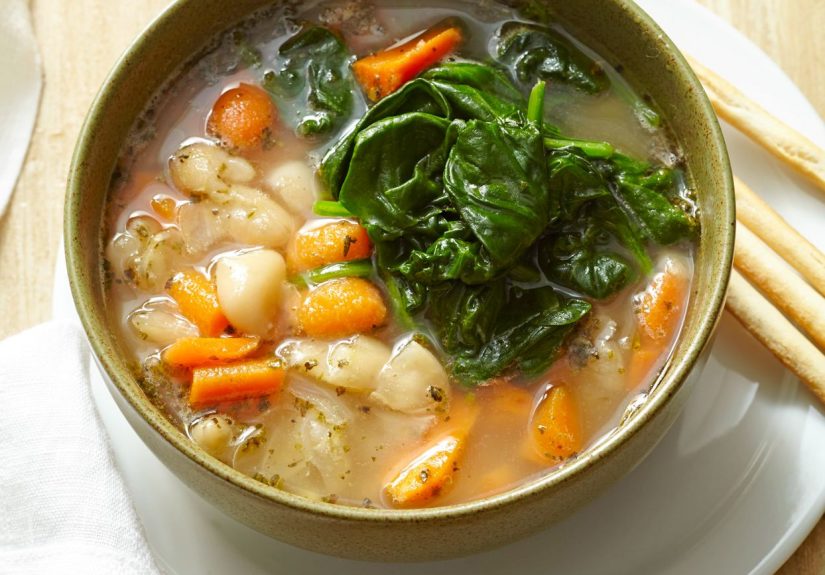
This version is built around creamy white beans, aromatic vegetables, garlic, Tuscan herbs, and dark leafy greens. It’s the kind of soup that tastes like you simmered it all dayeven if you absolutely did not. You’ll also get plenty of options: go vegetarian, add pancetta or sausage, make it brothy, make it creamy, or thicken it “ribollita-style” with bread. Basically: you’re in charge here, and the soup is cool with that.
Why This Soup Works (Even on a Chaotic Weeknight)
Tuscan bean soup hits the sweet spot between “nourishing” and “I actually want to eat this again tomorrow.” Here’s the magic:
- Beans = built-in creaminess. White beans naturally thicken broth with their starch and protein.
- Aromatics do the heavy lifting. Onion, carrot, and celery make a flavor base that tastes like effort.
- Herbs + garlic = Tuscan vibes. Rosemary, thyme, oregano, baysimple, classic, and ridiculously good.
- Greens bring balance. Kale or chard adds earthy bite and makes the bowl feel “complete.”
- Finishers seal the deal. Olive oil, lemon, and Parmesan take it from “nice” to “restaurant-y.”
What Makes It “Tuscan,” Exactly?
Tuscan cooking is famously practical: good olive oil, beans, vegetables, herbs, and breadfood that’s deeply flavored without trying too hard. In Tuscany, you’ll also find soups like ribollita, where beans and vegetables are thickened with bread for a spoon-standing stew situation. This recipe stays closer to a classic Tuscan-style white bean soup, but you’ll see easy ways to nudge it toward ribollita if you want.
Ingredients
Core Ingredients (The Non-Negotiables)
- Extra-virgin olive oil (you’ll taste it, so use a good one)
- Onion (yellow or sweet)
- Carrots
- Celery
- Garlic (don’t be shy)
- White beans (cannellini are classic; Great Northern also works)
- Broth (chicken or vegetable; low-sodium makes seasoning easier)
- Dark leafy greens (Tuscan kale/lacinato kale, Swiss chard, or spinach)
- Herbs (rosemary + thyme + bay; oregano is a great bonus)
- Parmesan (grated for serving; a rind if you have it)
- Black pepper + salt
Optional Upgrades (Highly Encouraged, Not Required)
- Crushed red pepper for a gentle kick
- Pancetta or bacon for smoky depth
- Italian sausage for a heartier, meal-in-a-bowl version
- Diced tomatoes or tomato paste for a more tomato-forward soup
- Lemon juice to brighten the whole pot
- Heavy cream or crème fraîche if you want it extra lush
- Crusty bread (for dipping, or for thickening “ribollita-ish” style)
Recipe: Classic Tuscan White Bean Soup (Stovetop)
Makes: 6 servings
Time: about 45 minutes (faster if you move like you’re on a cooking show)
Ingredients (Stovetop Version)
- 2–3 tablespoons extra-virgin olive oil
- 1 medium onion, diced
- 2 carrots, diced
- 2 celery stalks, diced
- 4–6 cloves garlic, minced
- 1/2 teaspoon crushed red pepper (optional)
- 2 cans (15 oz each) cannellini beans
- 4 cups low-sodium chicken or vegetable broth (plus more as needed)
- 1–2 sprigs rosemary (or 1 teaspoon chopped), plus 1 bay leaf
- 2–4 cups chopped Tuscan kale or Swiss chard (or 2 big handfuls spinach)
- 1 small Parmesan rind (optional, but excellent)
- Salt and freshly ground black pepper
- 1–2 teaspoons lemon juice (optional, but wakes everything up)
- Grated Parmesan and a drizzle of olive oil, for serving
Directions
- Sauté the aromatics. Heat olive oil in a large pot over medium heat. Add onion, carrots, and celery. Cook 6–10 minutes, stirring often, until softened and lightly golden. This is where the soup’s “wow” startsdon’t rush it.
- Add garlic and spice. Stir in garlic (and crushed red pepper if using). Cook about 30–60 seconds, just until fragrant. If garlic starts browning, lower the heatburnt garlic tastes like regret.
- Build the broth. Add broth, rosemary, bay leaf, and the Parmesan rind (if using). Bring to a gentle simmer.
- Add the beans (and choose your thickness strategy). Add the beans. For a creamier soup, do one of these:
- Quick mash: scoop out about 1/2 cup beans and mash them with a fork, then stir back in.
- Partial blend: use an immersion blender for 5–10 seconds to lightly puree part of the pot.
- Ultra-silky: blend 1–2 cups of soup and return it to the pot (carefullyhot soup is dramatic).
Want it even richer? Add some bean liquid from the cans (instead of draining everything completely). Prefer a cleaner, brothy soup? Drain and rinse the beans fully.
- Simmer for flavor. Simmer 15–25 minutes, partially covered, until the broth tastes “developed” and the herbs have done their thing. Remove the rosemary sprigs and bay leaf (and the Parmesan rind, if it hasn’t melted into delicious oblivion).
- Add greens at the end. Stir in kale or chard and cook 3–5 minutes until tender. If using spinach, it only needs 1–2 minutesblink and it’s done.
- Finish like you mean it. Taste and season with salt and pepper. Turn off the heat, then stir in lemon juice if using. Ladle into bowls, drizzle with olive oil, and shower with grated Parmesan.
Parmesan Toasts (Optional, But They Make You Look Like a Genius)
While the soup simmers: toast slices of baguette or rustic bread, drizzle with olive oil, and sprinkle with Parmesan. Pop back into the oven for a minute until melty. Crunch + salty cheese + soup = the entire point of winter.
How to Get “Simmered All Day” Flavor in Under an Hour
- Cook the vegetables longer than you think. Soft, lightly golden aromatics taste sweeter and deeper than barely-sweated veg.
- Use a Parmesan rind. It infuses the broth with savory depthlike a quiet little umami engine.
- Thicken with beans, not flour. Mashing or partially blending gives body without making it taste “starchy.”
- Finish with acid + olive oil. Lemon juice (or a splash of vinegar) brightens; olive oil adds aroma and richness.
Canned Beans vs. Dried Beans
If You’re Using Canned Beans
This is the weeknight move. You can drain and rinse for a cleaner broth, or keep some of the bean liquid for extra body. Either way, mash or partially blend a portion to get that creamy texture fast.
If You’re Using Dried Beans
Dried beans give you a more “from-scratch” flavor and that silky bean broth (often called pot liquor) that makes soups taste luxurious. Cook 1 pound dried cannellini (or Great Northern) until tender, then use both the beans and some of their cooking liquid in the soup. You’ll get extra depth without adding anything fancy.
Variations (Because Your Pantry Has Opinions)
1) Vegetarian / Vegan Tuscan Bean Soup
- Use vegetable broth.
- Skip pancetta/bacon and finish with extra olive oil.
- For “cheesy” depth without dairy: a spoon of nutritional yeast can help.
2) Pancetta or Bacon Version
Start by crisping pancetta or bacon in the pot. Remove it, sauté veggies in the fat, then add the crispy bits back on top at the end. You get smoky crunch without turning the whole soup into a salt bomb.
3) Italian Sausage Version
Brown sausage first, then proceed. The rendered fat seasons the entire base. Add greens at the end so they stay vibrant, and consider lemon juice to balance the richness.
4) Tomato-Lover’s Tuscan Bean Soup
Add a spoonful of tomato paste with the garlic (let it cook for a minute), or stir in diced tomatoes with the broth. This gives you a slightly sweeter, more rustic, stew-like direction.
5) Ribollita-ish “Bread Thickened” Version
Tear stale bread into chunks and stir it into the simmering soup until it melts and thickens the pot. Let it sit 10 minutes. The soup will transform into a thick, spoon-hugging bowl of comfort.
Serving Ideas
- Classic: crusty bread, olive oil drizzle, Parmesan.
- Bright: lemon zest + chopped parsley.
- Spicy: chili flakes + peppery olive oil.
- Extra cozy: a grilled cheese situation on the side (yes, it’s legal).
Storage, Freezing, and Reheating
Fridge
Store in an airtight container and refrigerate. The soup often tastes even better the next day as the flavors meld. If you used spinach, it may darken a bitstill tasty, just less photogenic.
Freezer
Freeze for up to 3 months. For best texture, freeze the soup without cream (add it when reheating). If freezing, try to keep the greens submerged so they don’t dry out.
Reheat
Warm gently on the stove, adding a splash of broth or water if it thickened too much. Finish with fresh olive oil and Parmesan againbecause you deserve nice things twice.
Troubleshooting: Soup Problems (And Their Very Solvable Solutions)
- Too thin? Mash more beans or blend 1–2 cups and stir back in. Simmer uncovered 5–10 minutes.
- Too thick? Add broth or water a little at a time until it loosens up.
- Tastes flat? Add salt, a squeeze of lemon, and a drizzle of olive oil. Those three fix almost everything.
- Not “Tuscan” enough? More rosemary, more garlic, Parmesan rind next time, and serve with real bread.
Conclusion
A great Tuscan bean soup recipe isn’t about perfectionit’s about smart, simple flavor: aromatic vegetables, creamy beans, herbs, greens, and a few finishing touches that make the bowl sing. Make it once, then make it your own. Add sausage. Keep it vegetarian. Thicken it with bread. Use what you’ve got. The point is: you end up with a pot of soup that makes your kitchen smell like you’ve got your life together (even if your laundry says otherwise).
Real-World Kitchen Experiences ( of “What It’s Actually Like”)
Here’s what home cooks tend to discover after making Tuscan bean soup a few times: it’s less of a recipe and more of a repeatable life hack. The first time, you’ll follow steps closelydice the onion, measure the broth, carefully decide whether you’re a “drain-and-rinse” person or a “leave a little bean liquid for creaminess” person. The second time, you’ll start improvising. The third time, you’ll be making it while answering emails and you’ll still nail it.
The most satisfying moment usually happens right after the aromatics hit the pot. Onion, carrot, celery, olive oilyour kitchen starts to smell like you own at least one linen apron. Add garlic and rosemary and it gets even better: suddenly it’s not “soup,” it’s “a Tuscan-inspired situation.” If you toss in pancetta or sausage, that smell turns into a full-blown announcement that dinner is going to be excellent, and anyone in your home who said “I’m not that hungry” will wander into the kitchen suspiciously early.
Texture is where people get emotionally attached. There’s something weirdly comforting about a soup that can be brothy one day and thicker the next. Tuscan bean soup almost always thickens overnight, thanks to the beans doing what beans do. Many cooks come to love the day-two version most: it’s richer, cozier, and feels like it’s been simmering longer than it has any right to. A splash of broth when reheating brings it back to your preferred consistency, but honestly, some people lean into the thickness and treat it like stew. Add bread and it becomes nearly spoon-standingin the best way.
Another classic experience: the “green timing lesson.” Kale is forgiving; it can simmer a bit and still hold its shape. Spinach is dramatic and needs a quick dunk at the end. Most people learn this through experience once, then never again. (Spinach wants to be invited to the party late, make a quick entrance, and leave while everyone’s still impressed.)
The finishing touches also become a ritual. A drizzle of olive oil at the end feels optionaluntil you do it once and realize it’s not. Same with Parmesan. And lemon? Lemon is the quiet hero that makes everything taste more alive, especially if you went heavy on sausage or bacon. It’s the flavor equivalent of opening a window on the first warm day of spring.
Finally, there’s the bread factor. Some nights, bread is just for dunking. Other nights, you toast it with Parmesan and feel like you made a “real meal.” And if you’re working with stale bread, you’ll eventually try stirring it into the pot and discover the ribollita-adjacent dream: soup that eats like comfort incarnate. At that point, you’ll understand why people make big batchesbecause this is the kind of soup that doesn’t just feed you once. It keeps showing up, ready to make tomorrow easier (and tastier).