Table of Contents >> Show >> Hide
- Why This Tuna Casserole With Chow Mein Noodles Works
- Tuna Casserole With Chow Mein Noodles Recipe
- What It Tastes Like
- Tips for the Best Texture
- Easy Variations and Substitutions
- What to Serve With Tuna Casserole With Chow Mein Noodles
- Common Mistakes to Avoid
- Make-Ahead, Storage, and Reheating
- Why This Recipe Still Belongs on a Modern Dinner Table
- Experiences With Tuna Casserole With Chow Mein Noodles in Real Kitchens
- Final Thoughts
Some dinners are fancy. Some dinners wear linen pants and talk about wine notes. This is not that dinner. Tuna casserole with chow mein noodles is the charmingly retro, creamy-and-crunchy weeknight hero that shows up in sweatpants and still somehow steals the show. It is budget-friendly, deeply comforting, and built from pantry staples that probably already live in your kitchen like they pay rent.
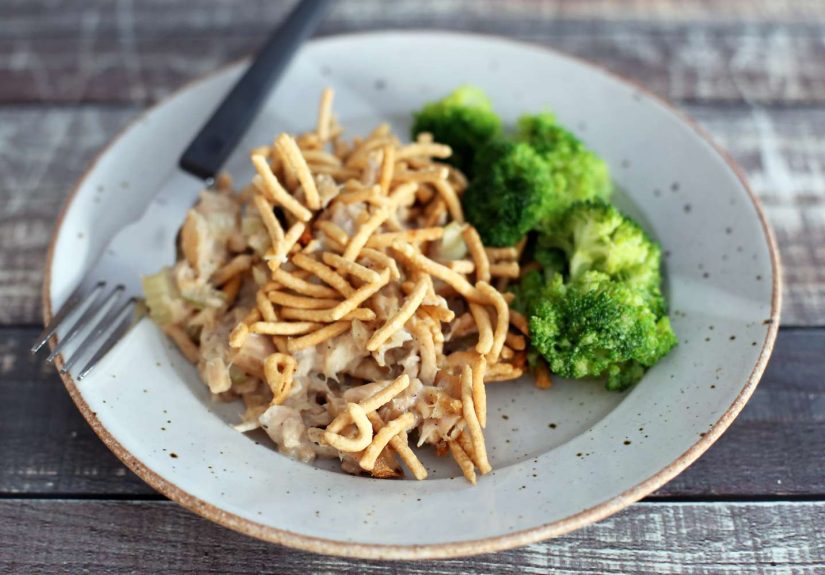
At its best, this dish is everything a casserole should be: rich but not heavy, creamy but not gluey, and topped with enough crisp chow mein noodles to make every bite feel like it has a little personality. While classic tuna noodle casseroles often lean on egg noodles, this old-school variation uses crunchy chow mein noodles for texture and nostalgic flair. Think of it as the casserole equivalent of finding twenty bucks in an old coat pocket.
This article walks you through a reliable recipe, smart substitutions, common mistakes, serving ideas, storage tips, and the real-life kitchen experiences that make this kind of dinner such a keeper. If you want comfort food without a dramatic grocery bill or a sink full of dirty dishes, pull up a chair.
Why This Tuna Casserole With Chow Mein Noodles Works
The magic of this casserole is contrast. Tuna gives it savory depth, cream of mushroom soup delivers the velvety base, onion and celery add flavor and a little crunch, and chow mein noodles bring the kind of crisp topping that makes people go back for “just a tiny spoonful” three times in a row.
It also works because it is flexible. Want peas? Add them. Want cheese? Go ahead. Want to keep it super retro with just tuna, soup, celery, onion, and noodles? That works too. The foundation is forgiving, which is exactly what you want on a busy night when your brain has already clocked out but dinner still expects a performance review.
Another reason this recipe keeps surviving generation after generation is that canned tuna is practical, affordable, and easy to keep on hand. When paired with a creamy binder and a crunchy topping, it turns into a dinner that feels more intentional than the ingredient list might suggest.
Tuna Casserole With Chow Mein Noodles Recipe
Ingredients
- 2 tablespoons unsalted butter
- 1 small yellow onion, finely chopped
- 2 celery stalks, thinly sliced
- 1 can (10.5 ounces) condensed cream of mushroom soup
- 1/2 cup milk
- 1/4 cup sour cream
- 2 cans (5 ounces each) tuna in water, drained and flaked
- 1 cup frozen peas
- 1/2 teaspoon garlic powder
- 1/4 teaspoon black pepper
- 1/2 teaspoon kosher salt, or to taste
- 2 cups chow mein noodles, divided
- 1/2 cup shredded cheddar cheese, optional but delightful
- 1 tablespoon chopped parsley for garnish, optional
How to Make It
- Preheat the oven. Heat your oven to 350°F. Lightly grease an 8×8-inch or similar 2-quart baking dish.
- Cook the vegetables. In a skillet over medium heat, melt the butter. Add the onion and celery and cook for 4 to 5 minutes, until softened but not browned. Your kitchen should start smelling like someone’s sensible, casserole-loving aunt is about to arrive with excellent advice.
- Build the creamy base. In a large bowl, stir together the cream of mushroom soup, milk, sour cream, garlic powder, black pepper, and salt. Mix until smooth.
- Add the filling. Fold in the tuna, peas, cooked onion and celery, and 1 cup of the chow mein noodles. If using cheddar cheese, stir in half of it here.
- Assemble the casserole. Spoon the mixture into the prepared baking dish and spread it evenly. Top with the remaining 1 cup chow mein noodles and the rest of the cheese, if using.
- Bake. Bake uncovered for 25 to 30 minutes, until hot and bubbly around the edges and lightly golden on top.
- Rest and serve. Let the casserole sit for 5 to 10 minutes before serving. This helps it set up instead of collapsing into a creamy landslide. Garnish with parsley if you want it to look like it has ambitions.
Quick Recipe Notes
This recipe serves 4 to 6 people, depending on whether you are feeding adults, teenagers, or one mysteriously hungry person who says, “I’ll just have a little,” and then takes half the pan. Serve it with a crisp salad, steamed green beans, or roasted broccoli to balance the richness.
What It Tastes Like
This casserole lands right in the comfort-food sweet spot. The filling is creamy and savory with gentle mushroom flavor, while the tuna adds a briny backbone that keeps the dish from tasting flat. The onion and celery bring freshness and bite. The peas add a little sweetness. Then the chow mein noodles come in with a crispy, golden finish and basically say, “You’re welcome.”
If you add cheddar, the casserole becomes a little richer and more rounded. If you leave it out, the dish tastes more classic and pantry-driven. Either direction works. That is the beauty of a casserole that does not demand perfection.
Tips for the Best Texture
Do not drown the casserole. Too much liquid can turn the filling soupy and rob the chow mein noodles of their crispness. Stick with the amounts above, and do not add extra water just because the mixture looks thick. Thick is good here. Thick means it is headed toward creamy, not sad.
Reserve some noodles for the top. Mixing all the noodles into the filling will soften them too much. Dividing them keeps some crunch inside and plenty on top.
Cook the celery and onion first. Raw celery can stay too sharp and too firm if it goes straight into the casserole. A quick sauté makes the flavor sweeter and the texture friendlier.
Let it rest before serving. Fresh from the oven, casseroles are molten chaos. Giving it a short rest helps everything settle into scoopable comfort instead of lava with tuna.
Easy Variations and Substitutions
If You Want More Vegetables
Add mushrooms, chopped red bell pepper, green beans, or even a handful of spinach. Just avoid adding watery vegetables without cooking them first, or the casserole may loosen more than you want.
If You Want a More Homemade Sauce
Skip the condensed soup and make a quick stovetop sauce with butter, flour, milk, and sautéed mushrooms. It takes more effort, but the result tastes fresher and slightly more grown-up, like this casserole finally got a library card.
If You Want More Crunch
Top the casserole with extra chow mein noodles during the last 10 minutes of baking if you are worried about over-browning. You can also add a spoonful of melted butter over the top for a richer finish.
If You Want a Different Flavor Direction
Try cream of celery soup instead of cream of mushroom. Add a little Dijon mustard for sharpness, or a spoonful of pimientos for a classic diner-style twist. Some cooks also like water chestnuts for a slightly quirky retro crunch.
If You Do Not Like Cheddar With Tuna
No problem. Leave it out. This recipe still works beautifully without cheese. The casserole will feel lighter and a little more old-school in the best possible way.
What to Serve With Tuna Casserole With Chow Mein Noodles
This casserole is rich, creamy, and happily beige-adjacent, so it benefits from sides that bring freshness or acidity.
- A simple green salad with vinaigrette
- Steamed broccoli with lemon
- Roasted green beans
- Sliced tomatoes with black pepper
- Pickles, if your family enjoys a little retro chaos on the plate
You do not need garlic bread here unless you are committed to a full comfort-food festival, in which case, honestly, I respect the vision.
Common Mistakes to Avoid
Using undrained tuna. Extra liquid can water down the filling and make the casserole taste muddy. Drain it well.
Overbaking. If you bake it too long, the sauce tightens up and the top can get overly dark. Pull it once the center is hot and the edges are bubbling.
Adding all the crunchy topping too early. Chow mein noodles brown fast. If your oven runs hot, loosely tent the dish with foil or add part of the topping later.
Oversalting before tasting. Condensed soup and canned tuna already bring salt. Taste the mixture before you go wild with the shaker like a TV chef in a dramatic montage.
Make-Ahead, Storage, and Reheating
You can assemble this casserole a few hours ahead and refrigerate it before baking. For the best texture, keep some of the chow mein noodles separate and add them right before the casserole goes into the oven. That way, the topping stays crisp instead of absorbing moisture in the fridge.
Leftovers should be cooled promptly, stored in an airtight container, and refrigerated. When reheating, cover the casserole loosely so the filling warms through without drying out, then uncover for the last few minutes if you want to revive the top. If using a microwave, shorter bursts work better than one long blast of punishment.
If you plan to freeze it, freeze the filling without the final noodle topping. Add fresh chow mein noodles when reheating or baking from thawed. Frozen casseroles can lose some texture, but they still deliver on convenience, which is often the true love language of weeknight cooking.
Why This Recipe Still Belongs on a Modern Dinner Table
Tuna casserole with chow mein noodles has survived because it solves real-life dinner problems. It is affordable. It uses shelf-stable ingredients. It can be adapted to picky eaters, tired cooks, and refrigerators that contain one onion, half a bag of peas, and hope. It feels nostalgic without requiring you to pretend every recipe from the past was automatically perfect.
Modern cooks can also appreciate its efficiency. There is very little chopping, minimal cleanup, and no need for advanced technique. Yet the result still feels satisfying enough to serve to the whole family or bring to a casual potluck. In a world full of 37-step “easy” recipes, that simplicity is refreshing.
Experiences With Tuna Casserole With Chow Mein Noodles in Real Kitchens
One of the most interesting things about this recipe is how often it becomes a memory dish. Ask around, and someone will remember it from a church supper, a snowy weeknight, a grandmother’s kitchen, or a parent who knew exactly how to stretch a pantry without making dinner feel like a compromise. That is the special power of tuna casserole with chow mein noodles: it is practical food that somehow manages to carry emotional baggage in a good way.
In many homes, the first experience with this dish is skepticism. Canned tuna? In a casserole? With crunchy chow mein noodles? It does not exactly sound like something a restaurant would charge thirty-two dollars for and describe as “deconstructed coastal comfort.” But then it comes out of the oven smelling warm, savory, and buttery, and suddenly everyone gets very quiet in the way people do when dinner exceeds expectations.
It is also a recipe that teaches cooks an important lesson about texture. Many casseroles are soft from top to bottom, which can be cozy but a little sleepy. Chow mein noodles wake the whole thing up. In real kitchens, that crunch is often what converts the doubters. Children who claim not to like tuna may still go for the crispy topping. Adults who say they are “just tasting” often circle back for a second serving once they realize the noodles did not turn the dish weird; they made it better.
Another common experience is discovering how useful this recipe is on high-chaos days. It is the kind of dinner people make when the grocery run did not happen, the schedule got ridiculous, and takeout sounds good until you remember the price of takeout. You can pull a lot of this from the pantry and freezer, make it with one skillet and one baking dish, and still put something hot and comforting on the table. That practical reliability creates loyalty fast.
Then there is the leftover factor. This casserole often tastes even more settled the next day, when the flavors have had time to get acquainted. Many home cooks learn to reheat it gently and add a small handful of fresh chow mein noodles on top so the texture comes back to life. It is a tiny trick, but it makes leftovers feel intentional rather than like a refrigerator obligation.
Perhaps the most relatable experience of all is how adaptable the dish becomes over time. Families adjust it to their own habits. Some add peas religiously. Some insist on cheddar. Some refuse mushrooms and switch soups without apology. Some add extra celery because they love crunch, while others aim for the creamiest possible version and call that success. The point is not perfection. The point is that the recipe meets people where they are, and that is why it sticks around.
So yes, tuna casserole with chow mein noodles is a little retro. It is a little humble. It is not trying to be glamorous. But in real kitchens, those are often the recipes that win. They feed people well, make life easier, and leave behind the kind of food memories that are stronger than whatever was trending online for twelve minutes last Tuesday.
Final Thoughts
If you want a dinner that is easy, cozy, affordable, and just quirky enough to be memorable, tuna casserole with chow mein noodles deserves a spot in your rotation. It is creamy, crunchy, comforting, and pleasantly unfussy. It can be dressed up, stripped down, made ahead, reheated, and adapted to whatever your pantry or family mood demands.
In other words, it is exactly the kind of recipe that earns a permanent place in a real-world kitchen. Not because it is trendy, but because it works. And sometimes the most lovable dinners are the ones that do not need a spotlight to be excellent.