Table of Contents >> Show >> Hide
- What a “Tube Slide Waterfall” Can Look Like (3 Smart Options)
- Before You Build: Safety and Reality Checks (The Unsexy Stuff That Saves Summer)
- The Build Recipe (A Simple System That Looks Fancy)
- Water System 101: Pump Sizing Without the Headache
- Designing the Hidden Reservoir (Pondless Style = Cleaner, Safer, Better Looking)
- Creating the Waterfall Effect (Without Turning the Slide Into a Firehose)
- Keep It Clean: Maintenance That Prevents the “Swamp Slide” Phase
- Cost and Time Reality Check
- FAQ: The Questions Everyone Asks After They Buy a Pump
- Conclusion: Build the Backyard Feature Everyone Actually Uses
- Real-World Experiences: What People Learn After Living With a Tube Slide Waterfall
Imagine this: your backyard has the soothing sound of a waterfall… and the chaotic joy of a tube slide. It’s part “zen garden,” part “summer camp energy,” and 100% guaranteed to make you the most popular house on the block (at least until someone buys a popcorn machine).
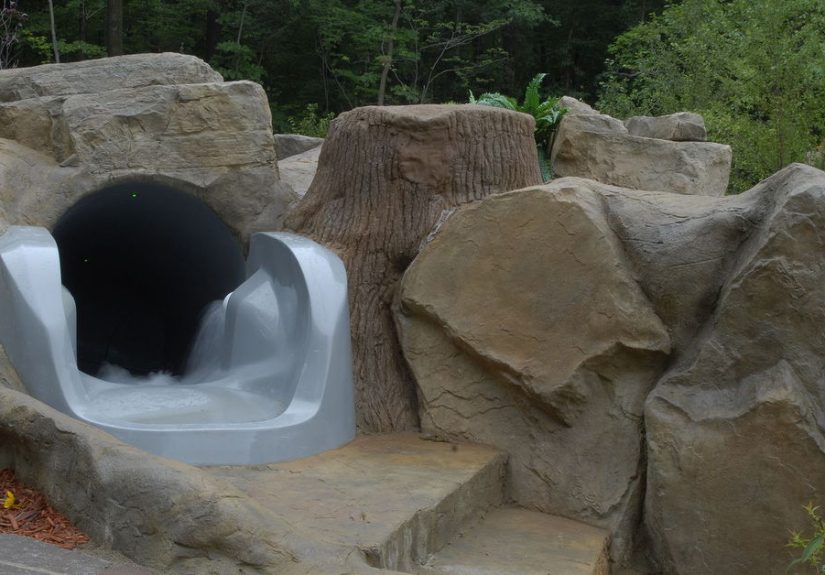
A tube slide waterfall is exactly what it sounds like: a backyard tube slide that’s paired with a controlled flow of watereither as a “water curtain” at the slide entrance, a gentle rinse running through the tube, or a waterfall that ends near (or under) the slide’s landing zone. Done right, it looks custom, feels refreshing, and doesn’t turn your yard into a swampy slip-and-slide lawsuit generator.
This guide breaks down practical design options, pump sizing basics, safer build strategies, and maintenance tipsso you end up with something that’s fun, durable, and not secretly auditioning to become a mosquito resort.
What a “Tube Slide Waterfall” Can Look Like (3 Smart Options)
1) The “Water Curtain” Entrance
You mount (or build) a small spillway at the top platform so water sheets down like a curtain in front of the tube slide entrance. Kids push through it like they’re entering a secret cave. Adults stare at it like they’re in a spa brochure. This option is visually impressive and can use a modest pumpbecause the water isn’t fighting gravity for long.
2) The “Rinsing Slide” (Low Flow Inside the Tube)
A gentle, steady stream runs into the slide to keep it slick. Key phrase: gentle and steady. You’re not trying to recreate a theme park; you’re trying to reduce friction without creating uncontrolled speed or water pooling inside the tube. This approach works best with careful flow control and excellent drainage planning.
3) The “Landscape Waterfall + Slide Combo”
The tube slide is the kid feature, and a pondless-style waterfall is the grown-up featureboth sharing a hidden reservoir and pump system. It’s the most “designed” look, and it’s often the easiest to keep tidy because the waterfall system can be built like a real water feature (liner, basin, pump vault) instead of a temporary hose situation.
Before You Build: Safety and Reality Checks (The Unsexy Stuff That Saves Summer)
Start with the slide manufacturer’s rules
If you’re using a residential tube slide kit, follow the brand’s installation and anchoring guidance to the letter. Slides are engineered around specific mounting heights, angles, and support needs. “Close enough” is how you end up with “mysteriously wobbly” and “why is it squeaking like that?”
Plan a landing zone like you actually like your guests
The bottom of the slide should end in a safe run-out area with impact-absorbing surfacing (and plenty of clearance). Avoid hard edges, plan for wet feet, and keep the splash zone away from grills, stairs, fences, and anything your shin would regret meeting at speed.
Water + electricity: treat it like a pool-adjacent project
Any pump or outdoor electrical setup should use weather-rated equipment and GFCI protection. Water features are not the place to “temporarily” run an indoor extension cord for three months of summer. If you’re unsure, hire a licensed electricianthis is the part where “DIY courage” should politely sit down.
Water quality matters more than you think
If kids are sliding through it, assume the water will end up in eyes, mouths, and swimsuits. You want clean water, predictable flow, and no slimy biofilm building up in shaded tubing. Design for easy draining and cleaning. If it can’t be cleaned without a long speech and a screwdriver, it won’t be cleaned.
The Build Recipe (A Simple System That Looks Fancy)
Most successful backyard tube slide waterfall builds follow the same basic formula:
- Stable slide structure (properly anchored, correct height and pitch)
- Controlled water delivery (pump + tubing + flow control)
- A collection system (pondless basin/reservoir, splash pad drain, or dedicated catch area)
- Safe surfacing (wet-ready, non-trip edges, good drainage)
Materials you’ll typically use
- Submersible pump (sized for your height/flow needs)
- Flexible kink-resistant tubing or PVC (correct diameter for your pump)
- Ball valve (for flow control) and check valve (optional, depending on design)
- Spillway or weir (or a DIY distribution bar)
- Pond liner + underlayment (for pondless reservoir builds)
- Reservoir basin components (pump vault + structural water storage blocks or a pre-formed basin)
- Gravel/river rock + a few larger stones (for looks and splash control)
- Filter screen or pump pre-filter (to reduce clogging)
- Outdoor-rated GFCI power source and weatherproof connections
Water System 101: Pump Sizing Without the Headache
If your waterfall looks weak, it’s usually one of three things: the pump is underpowered for the height, the plumbing is restricting flow, or the “waterfall” is wider than your pump can realistically feed.
Two numbers matter most: flow and head height
Flow is measured in GPH (gallons per hour). Head height is how high the pump must push water vertically (plus extra resistance from pipe length and fittings). Pumps are rated on curvesmeaning the higher the head, the lower the delivered flow.
A practical rule of thumb for waterfall spillways
For a “sheet” look, many installers start around 100 GPH per inch of spillway width. If you want more noise and whitewater, you increase flow. If you want a gentle trickle, you decrease it.
Example: An 8-inch spillway aiming for a smooth sheet might target ~800 GPH at the top of the waterfall. A 16-inch spillway might target ~1,600 GPH at the top. Your pump may need a higher rating to achieve that once head height and friction losses are included.
How this applies to a tube slide waterfall
If you’re doing a water curtain, your “spillway width” might be the curtain bar (say, 10–14 inches). If you’re rinsing the slide interior, you may not need a sheet at alloften a lower, controlled flow is safer and easier to manage. Either way, you want flow control (a ball valve) so you can tune it from “gentle spa” to “kids screaming with joy” without swapping pumps.
Designing the Hidden Reservoir (Pondless Style = Cleaner, Safer, Better Looking)
A pondless reservoir is the MVP of backyard water features: water disappears into decorative rock, gets stored below, and a pump sends it back up. You get the waterfall sound without an open pond (and without inviting every leaf in the neighborhood to move in).
Basic pondless reservoir setup
- Excavate a basin large enough to hold water volume and a pump vault.
- Install underlayment to protect the liner from rocks and roots.
- Lay pond liner, leaving generous overlap beyond edges.
- Place water storage blocks (or a structural basin system) and a pump vault.
- Cover with rock/gravel, keeping a serviceable access point for the pump.
For slide-adjacent builds, the reservoir can be positioned near the slide landing zone, then disguised with stone and plantingwhile still staying accessible for cleaning.
Creating the Waterfall Effect (Without Turning the Slide Into a Firehose)
The easiest “water curtain” method
Use a spillway/weir or a distribution bar mounted above the slide entrance. The goal is a smooth, even sheet of water. A small lip or level surface helps the water “behave” instead of splitting into weird side streams that splash everywhere except where you want them.
DIY distribution bar (simple and effective)
If you’re building a budget-friendly version, a PVC manifold with evenly spaced holes can workbut only if it’s designed to be cleaned. Tiny holes clog. Water features attract debris like a magnet. Make it accessible, and include a basic filter screen on the pump intake.
Managing splash (so the project doesn’t expand itself)
Water will bounce. Kids will bounce more. Use stones and gravel at the landing/splash zone to break up splash energy, and ensure surrounding grade slopes away from structures. If your water is constantly migrating toward your foundation, the waterfall is no longer “relaxing.” It’s a home inspection subplot.
Where should the water go at the bottom?
- Best for long-term: pondless basin (recirculating)
- Best for very young kids: shallow splash pad area with drain to basin
- Quick-and-seasonal: a dedicated catch pool that’s drained and cleaned often
Keep It Clean: Maintenance That Prevents the “Swamp Slide” Phase
Debris control
Use a pump pre-filter or screen, skim leaves often, and keep the reservoir accessible. If the pump clogs weekly, you will eventually “forget” to turn it on, and the feature becomes a decorative rock pile with regrets.
Algae prevention (the boring trick that works)
Sunlight and nutrients fuel algae. Shade helps. Regular cleaning helps more. If your system is in full sun, plan to refresh water and scrub surfaces more frequentlyespecially during peak summer heat.
Winterizing (if your climate freezes)
Drain what can freeze, remove and store the pump if recommended by the manufacturer, and keep water from pooling inside any tubing runs. Freeze damage is sneaky: it waits quietly, then cracks something expensive while you’re inside eating chili.
Cost and Time Reality Check
Backyard tube slide waterfall projects can range wildly depending on size and finish:
- Entry-level (seasonal, simple curtain + catch basin): a few hundred dollars
- Mid-range (recirculating pump + pondless basin + stone finish): low to mid four figures
- High-end (custom hardscape, lighting, landscaping, pro install): “let’s not talk about it at dinner”
Time-wise, a tidy DIY build often takes a few weekends: one for layout and excavation, one for the basin/liner/plumbing, and one for stonework, testing, and tuning.
FAQ: The Questions Everyone Asks After They Buy a Pump
Do I need a huge pump?
Not always. If you want a wide sheet waterfall, you need more flow. If you want a gentle water curtain, you can often use lessespecially if head height is small. The secret is matching pump performance at your actual head height, then controlling flow with a valve.
Can I just hook it up to a garden hose?
You can, but it’s rarely ideal long-term. Hose-fed systems waste water, can create muddy runoff, and make it harder to maintain consistent flow. Recirculating systems are usually cleaner, easier, and more “set it and enjoy it.”
Is it safe to run water inside a tube slide?
It can be safer when done with low, controlled flow and proper drainagebut you still need strict supervision, a safe landing zone, and a slide installed exactly as designed. Avoid creating standing water inside the tube and avoid excessive flow that increases speed or reduces visibility.
Conclusion: Build the Backyard Feature Everyone Actually Uses
A tube slide waterfall for your backyard isn’t just a noveltyit’s a clever blend of play and design. The best builds are the ones that prioritize stable structure, controlled flow, safe landings, and easy maintenance. If you plan the water path like a grown-up, tune the pump like a nerd, and think about cleanup like a realist, you’ll end up with a feature that feels custom, looks incredible, and keeps summer from getting boring.
And if you ever catch yourself saying, “It’ll probably be fine,” pause and upgrade your planbecause water features are basically physics with an opinion.
Real-World Experiences: What People Learn After Living With a Tube Slide Waterfall
Homeowners who build a tube slide waterfall often say the first week feels like winning the backyard lotteryand the second week feels like learning a new part-time job. That’s not a warning; it’s just the truth of anything involving water, kids, and outdoor plumbing. The happiest setups are the ones designed for lazy success: easy access to the pump, a simple way to rinse the reservoir, and a “turn it on/off” routine that doesn’t require crawling under a deck like a raccoon on a mission.
One common lesson is that water doesn’t stay where you politely asked it to stay. The initial splash zone almost always grows by a few feet once kids start using the slide with enthusiasm. They don’t land like careful engineers; they land like human meteors. People who plan extra drainage (and keep the slide exit aimed toward gravel, not lawn) end up with a cleaner yard and fewer muddy footprints being tracked into the house like a competitive sport.
Another surprise: the “perfect flow” is not a single setting. On day one, everyone wants a dramatic waterfall curtain. On day five, you realize a slightly lower flow is quieter, wastes less energy, and still looks greatwhile keeping the slide from becoming too fast. This is where a ball valve becomes your best friend. Families often end up with two favorite modes: “party mode” (higher flow for the fun factor) and “weeknight mode” (lower flow for relaxing sound and minimal splash).
Maintenance-wise, people quickly discover that shade is a cheat code. A system baked in full sun can grow algae and biofilm faster, especially in hot weather. Builders who can position the reservoir and wet areas where they get partial shadeor who add shade plants nearbyreport less scrubbing and fewer “why is the water green?” moments. Also: if your reservoir is easy to open and rinse, you’ll actually do it. If it requires removing twenty decorative rocks like a puzzle box, you will procrastinate until the pump starts sounding like it’s chewing cereal.
Parents also mention the “social gravity” effect: once kids discover a backyard tube slide waterfall, it becomes the default hangout. That’s fun, but it changes how you think about supervision and rules. The families who enjoy it most tend to set clear expectations earlyone rider at a time, sit feet-first, no stopping inside the tube, and no roughhousing in the landing zone. It sounds strict until you watch ten kids attempt to form a conga line and realize you are, in fact, the responsible adult in the situation.
Finally, there’s the pride factor. People love showing off a feature that looks custom because it blends two worlds: landscape design and pure summer joy. The most satisfying feedback tends to be, “It looks like it came with the house”which is homeowner code for “I nailed it.” And honestly, if your backyard feels like a mini retreat and a mini water park at the same time, you’ve built something that’s worth more than its parts: you’ve built a reason to go outside.