Table of Contents >> Show >> Hide
- What Is a Japanese Christmas Cake?
- A Quick Backstory (Because Cake With Context Tastes Better)
- The Airy Dessert Science (No Lab Coat Required)
- Japanese Christmas Cake Recipe (Strawberry Shortcake Style)
- Flavor Variations That Still Feel “Japanese Christmas Cake”
- Troubleshooting: When Your Sponge Isn’t Feeling Very “Spongey”
- Serving Ideas
- Conclusion
- of Baking “Experiences” (What It’s Like to Actually Make This Cake)
If your idea of a “holiday cake” usually involves dense fruitcake that could double as a doorstop, allow Japan’s Christmas cake to gentlyand politelychange your mind.
This classic Japanese-style strawberry shortcake is all about light sponge, pillowy whipped cream, and bright strawberries. It’s festive without being fussy,
impressive without being intimidating, and (best of all) it won’t leave you needing a post-dessert nap the size of a national park.
In this guide, you’ll get a foolproof recipe plus the “why it works” tips that make the cake airy: how to whip eggs to the right stage, how to fold flour without sadness,
and how to keep whipped cream from melting into a cream puddle at the worst possible time.
What Is a Japanese Christmas Cake?
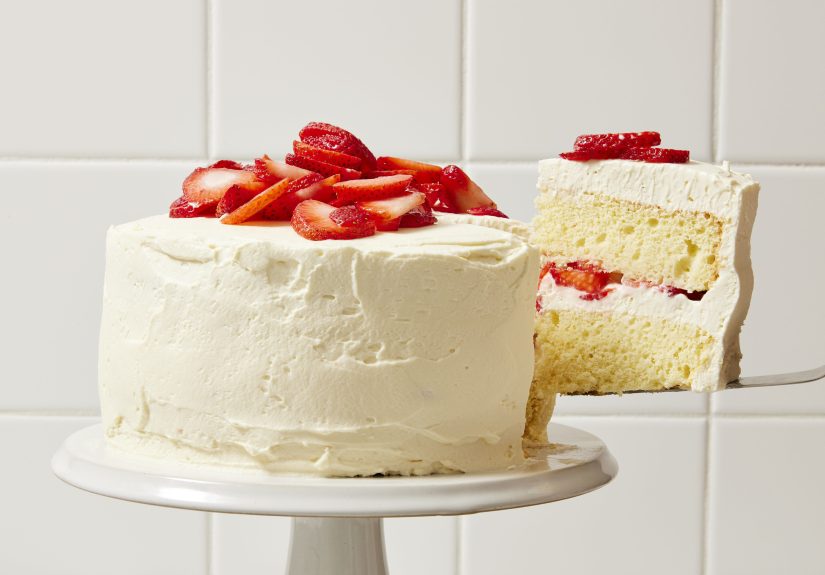
Japanese Christmas cakeoften called kurisumasu kekiis typically built from soft vanilla sponge layers filled and frosted with whipped cream and finished with fresh strawberries.
The look is famously simple: snowy white cream, ruby-red berries, and clean lines that feel “holiday” without requiring an engineering degree or twelve piping tips.[1]
Think of it as strawberry shortcake’s elegant cousin who wears a crisp blazer, brings a thoughtful host gift, and never shows up uninvited with a karaoke machine. (Unless it’s a holiday party.
Then… maybe.)
A Quick Backstory (Because Cake With Context Tastes Better)
Japan’s Christmas cake culture grew through the 1900s, and one early milestone often cited is a Christmas cake introduced by the confectioner Fujiya in the early 20th century,
before the modern strawberry-and-cream version became the seasonal star we recognize today.[2]
Fast-forward to now: every December, you’ll see variations everywherebakeries, supermarkets, and even convenience storesbecause the cake is treated as a cheerful, celebratory dessert
rather than a strictly religious tradition.[1]
The Airy Dessert Science (No Lab Coat Required)
1) Your “leavening” is airso protect it like it’s holding your secrets
This cake gets much of its lift from whipped eggs. When you beat eggs and sugar to a thick, pale, voluminous stage, you’re essentially building a foam that becomes the cake’s structure.
The goal is a batter that falls in thick ribbonsaka the “ribbon stage.”[4]
2) Low-protein flour helps keep the sponge tender
Cake flour (and/or a small amount of cornstarch) reduces gluten development, which keeps your sponge soft and fine-crumbed. Great for an airy dessert that’s meant to be layered,
chilled, and still feel cloudlike when you slice it.
3) Folding technique matters (yes, even if you’re emotionally exhausted)
Once flour goes in, your job is to combine without deflating the foam. A balloon whisk can fold gently and efficientlyfewer strokes, less air loss, more “wow, I made that?” energy.[5]
4) Whipped cream likes it coldlike, “wear a sweater in July” cold
Cold cream + cold tools = stable whipped cream. If your kitchen is warm, chill the bowl and whisk first. And if you want it to hold longer, use a stabilizer such as powdered sugar
(which often includes starch), a small amount of cornstarch, or a pinch of meringue powder for extra insurance.[3]
Japanese Christmas Cake Recipe (Strawberry Shortcake Style)
This recipe makes one 8-inch cakelight sponge, whipped cream frosting, and strawberries in every bite. You can keep it classic or add subtle flavors (vanilla, citrus zest, a whisper of almond)
without losing the traditional vibe.
Yield & Timing
- Yield: One 8-inch layer cake (about 10–12 slices)
- Active time: About 45–60 minutes
- Total time: About 3–5 hours (includes cooling and chilling)
Equipment
- 8-inch round cake pan (3 inches deep) or two 8-inch round pans
- Stand mixer or hand mixer
- Balloon whisk or large whisk (recommended for folding)
- Fine-mesh sieve (for sifting)
- Parchment paper
- Serrated knife (for slicing layers)
- Offset spatula (helpful, not mandatory)
Ingredients
For the sponge cake
- 4 large eggs, room temperature
- 2/3 cup (135 g) granulated sugar
- 1 tsp vanilla extract
- 1/2 cup (60 g) cake flour
- 2 Tbsp (16 g) cornstarch
- 1/4 tsp fine salt
- 3 Tbsp (42 g) unsalted butter, melted and cooled slightly
- 1 Tbsp milk (optional, for a slightly softer crumb)
Optional simple syrup (highly recommended for plush layers)
- 1/4 cup (50 g) sugar
- 1/4 cup (60 ml) water
- 1 tsp vanilla or a small splash of kirsch (optional)
For the whipped cream frosting
- 2 cups (480 ml) heavy whipping cream, very cold
- 1/3 cup (40 g) powdered sugar
- 1 tsp vanilla extract
- Optional stabilizer: 1–2 tsp meringue powder or 1 Tbsp cornstarch (choose one)
For filling & topping
- 1 to 1 1/2 pounds strawberries, hulled (reserve the prettiest ones for topping)
- Optional garnish: mint, white chocolate curls, festive toppers, or a light dusting of powdered sugar
Step-by-Step Instructions
-
Prep the pans and oven.
Preheat to 350°F. Line the bottom of your pan(s) with parchment and lightly grease the sides.
(If using one deep pan, you’ll slice the cake into layers; if using two pans, you’ll stack two layers.) -
Warm the eggs and sugar (gentle heat = better volume).
Combine eggs and granulated sugar in the mixer bowl. Set the bowl over a pot of barely simmering water (don’t let the bowl touch the water).
Whisk constantly for 2–3 minutes until the mixture is warm to the touchthink “comfortable bath,” not “hot coffee.”
Remove from heat. -
Whip to ribbon stage.
Beat on medium-high until thick, pale, and voluminous, 5–8 minutes.
You want a batter that falls in ribbons and briefly sits on the surface before melting back in.[4] -
Sift and foldgently, but with purpose.
Sift cake flour, cornstarch, and salt together.
Add in 3 additions, folding each in with a balloon whisk or large whisk using broad, sweeping strokes.
Stop as soon as no dry streaks remain. The batter should still look puffy, not deflated and sad.[5] -
Incorporate butter without flattening the batter.
Stir melted butter (and optional milk) together. Scoop about 1 cup of batter into the butter mixture and whisk to combinethis “lightens” the butter.
Gently fold this butter-batter back into the main bowl until just combined. -
Bake.
Pour into pan(s), smooth the top, and tap once lightly on the counter to pop any large air bubbles.
Bake until the top springs back and a toothpick comes out cleanabout 22–28 minutes for two pans, or 30–38 minutes for one deeper pan.
Cool 10 minutes in the pan, then turn out onto a rack and cool completely. -
Make the simple syrup (optional but excellent).
Heat sugar and water just until dissolved. Cool completely. Stir in vanilla or a tiny splash of kirsch if using. -
Prep the strawberries.
Slice enough strawberries for the filling (thin slices stack neatly). Keep some whole or halved berries for the top.
Pat very juicy berries dry with paper towelsexcess moisture can make the cream weep. -
Whip the cream.
In a chilled bowl, whip cold cream, powdered sugar, and vanilla to soft peaks.
If using a stabilizer, add it now and continue whipping to medium-stiff peaks.
Stop before it turns grainyholiday magic is harder to spread once it becomes butter.[3] -
Assemble.
If you baked one tall cake, slice it into 2–3 even layers with a serrated knife.
Place the first layer on a plate, brush lightly with syrup, spread whipped cream, then add sliced strawberries.
Repeat with remaining layers, finishing with whipped cream on top and around the sides. -
Decorate and chill.
Arrange your prettiest strawberries on top. Chill at least 45–60 minutes before slicing for the cleanest layers.
Make-Ahead & Storage
- Make layers ahead: Bake and cool the sponge, wrap well, and keep at room temperature up to 24 hours before assembling.[3]
- Refrigerate assembled cake: Store in the fridge and enjoy within about 2 days for best texture and freshest berries.[3]
- Freeze: You can freeze unfrosted cake layers (wrapped tightly) for longer storage; thaw before frosting.[3]
Flavor Variations That Still Feel “Japanese Christmas Cake”
Matcha Strawberry Shortcake
Swap 1–2 tablespoons of cake flour for matcha powder (sift it well). Keep the filling classic: whipped cream + strawberries.
The earthy matcha and sweet berries are a top-tier duo.
Chocolate-Stripe Holiday Cake
Add cocoa to the sponge (or lightly drizzle melted chocolate over the frosted cake). Keep the cream lightly sweet so the chocolate doesn’t bulldoze the delicate vibe.
Citrus Spark (Yuzu-ish without a specialty store run)
Add lemon zest to the sponge and a tiny bit to the whipped cream. It tastes bright, festive, and refreshingly not “sugar wearing a party hat.”
Winter Berry Mix
Strawberries are traditional, but raspberries or sliced kiwis can join the party. If you mix berries, keep a paper towel under the cut fruit briefly to wick extra juices.
Troubleshooting: When Your Sponge Isn’t Feeling Very “Spongey”
Problem: The cake is dense
- Likely cause: Eggs weren’t whipped enough (no ribbon stage) or batter got over-folded.
- Fix next time: Beat longer to a thicker ribbon stage, and fold with fewer, gentler strokes.[4]
Problem: The cake collapsed in the middle
- Likely cause: Underbaked center or aggressive pan-jiggling during baking.
- Fix next time: Bake until the center springs back; avoid opening the oven early.
Problem: Whipped cream “wept” or slid
- Likely cause: Warm cream/tools, overripe juicy fruit, or under-whipped cream.
- Fix next time: Chill everything, dry the berries, and use a stabilizer (powdered sugar/cornstarch or a pinch of meringue powder).[3]
Problem: The cake feels dry
- Likely cause: Sponge cakes can bake up drier by design.
- Fix: Brush layers with simple syrup. It’s the difference between “pleasant” and “bakery-level plush.”
Serving Ideas
- Clean slices: Use a long serrated knife, wiped clean between cuts.
- Extra festive: Add tiny chocolate curls, edible gold stars, or a few sugared cranberries.
- Drink pairing: Hot coffee, green tea, or a lightly sweet sparkling wine keeps the dessert feeling airy and not overly rich.
Conclusion
Japanese Christmas cake is proof that holiday desserts don’t have to be heavy to feel special. With a well-whipped sponge, gentle folding, cold-stable cream, and fresh strawberries,
you get a cake that looks polished, tastes bright, and somehow makes the entire table feel a little more celebratory.
Make it classic, add a subtle twist, or keep it simple and let the strawberries do their thing. Either way, you’ll end up with an airy dessert that disappears faster than you can say,
“Waitdid someone already take the last slice?”
of Baking “Experiences” (What It’s Like to Actually Make This Cake)
Here’s the honest truth about Japanese Christmas cake: the first time you make it, you’re going to feel like a very serious pastry professionalright up until you realize you’re
hovering over a bowl of eggs whispering, “Please… become ribbons.” That moment is normal. Welcome. You’re among friends.
The experience starts with the eggs. At first, they look like… eggs. Then you warm them gently with sugar and suddenly the bowl feels like it contains potential.
When you start whipping, you’ll see the color turn paler and the volume climb. This is where your confidence spikes. You’re basically building structure out of air,
which is both thrilling and slightly rude because air is famously unreliable. But once you hit that thick, ribboning stage, you’ll get the feeling that you’ve unlocked
a secret level in bakinga level where things are light and fluffy and nobody is fighting with a brick of butter.
Then comes folding. This is where many home bakers have a brief existential crisis. The flour looks innocent, but it’s a stealth villain: it wants to collapse your foam.
The “experience” here is learning restraint. You don’t stir; you don’t beat; you fold. You make big, gentle strokes, and you stop before the batter looks tired.
The first time you do this successfully, you’ll feel weirdly proud of your wrist. (As you should.)
Baking the sponge is the most suspenseful part because it doesn’t smell like a butter cake. It smells lightereggy, vanilla, warmlike a bakery that specializes in delicate things.
When it comes out, it looks simple, even plain. This is where your brain might ask, “Is this… enough?” It is. Japanese Christmas cake is understated by design.
The drama arrives later, wearing strawberries like holiday jewelry.
Now for the whipped cream phase, which is where your kitchen turns into a temperature-management game. You chill the bowl. You chill the whisk.
You try to pretend your house isn’t 73°F and full of opinions. When the cream starts to thicken, you’ll see soft peaks that look like tiny waves.
If you stop there, it’s perfect for spooning. If you go a little farther, it becomes spreadable and stableideal for a layer cake.
The key experience is learning the exact moment to stop: not too loose (slippery), not too stiff (grainy). It’s a narrow runway, but you can land it.
Assembly is the most satisfying part. You lay down sponge, add syrup, spread cream, and tuck in strawberries like you’re making a cozy bed for fruit.
The cake gets taller, whiter, prettier. This is where you realize why people love it: it looks festive without needing neon frosting or a sugar avalanche.
And once it chills, slicing it is a small joyclean layers, bright berries, cream that behaves.
Serving it feels like giving your guests a “lighter holiday option” that somehow still reads as a full celebration. People take a bite and you can almost hear the surprise:
Oh… it’s airy. They take another bite because it’s not overwhelming. And then another because whipped cream and strawberries are a timeless power couple.
By the time you’re putting away leftovers (if any), the overall experience is a pleasant shock: you made a cake that’s elegant, fluffy, and festive
and it didn’t require an entire weekend or an emergency group chat with three bakers and your aunt’s friend who “once watched a sponge cake video.”